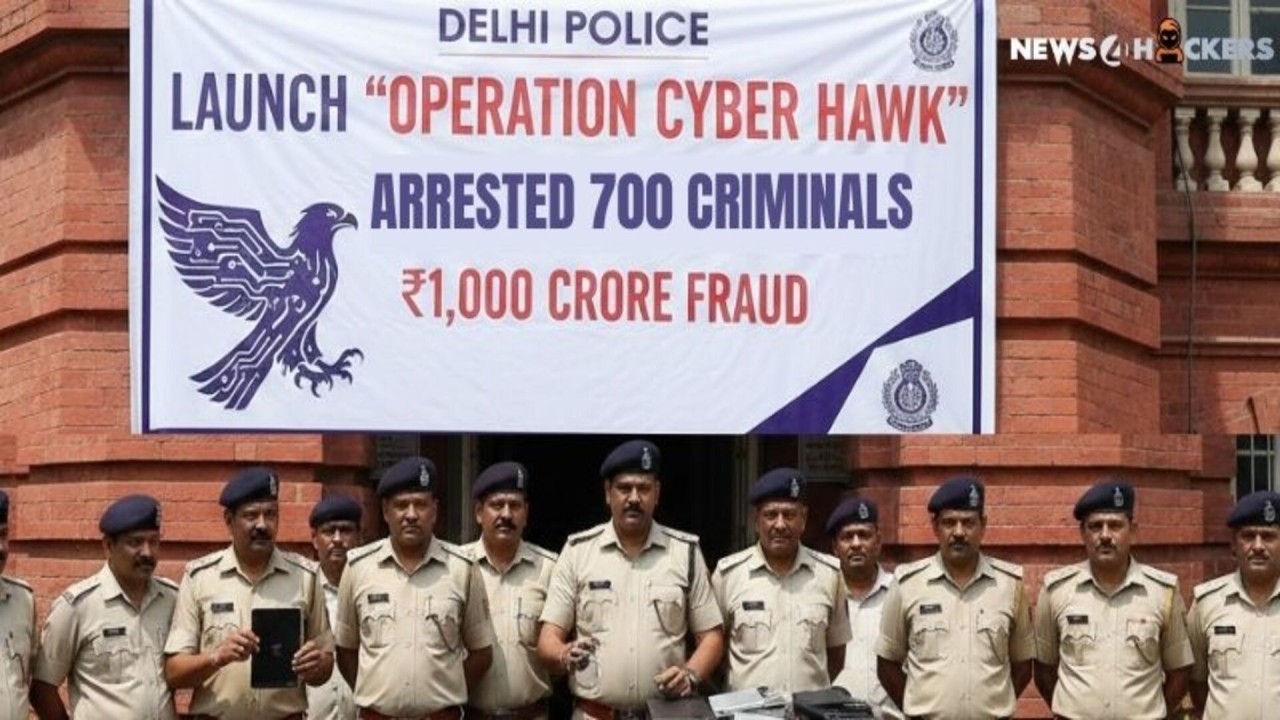
Delhi Cyber Fraud has emerged as a significant concern, especially with the recent arrests made by the Delhi Police. This alarming trend involves sophisticated scams wherein foreign nationals, often through matrimonial websites, prey on unsuspecting women. The duo arrested in a recent operation illustrates the heightened risks of cyber fraud in Delhi, where victims are lured into online romance scams under the guise of genuine relationships. Investigations have revealed a complex web of deceit involving multiple bank accounts and mule accounts, showcasing the extent of these cybercrime investigations. As authorities delve deeper into these cases, it’s clear that cyber fraud in Delhi poses a persistent threat that requires vigilant awareness and swift action.
The alarming rise in online deception schemes highlights the importance of understanding the intricacies of these fraudulent activities. The recent crackdown on a cyber scam ring, involving both local and foreign elements, showcases the evolving nature of cyber crimes in bustling urban centers like Delhi. Such scams often begin on matrimonial platforms, where individuals, sometimes foreign nationals, cultivate phony relationships to exploit their victims financially. Furthermore, the operations involve intricate strategies, such as using mule accounts and cash withdrawals to evade law enforcement detection. As cybercriminal tactics become increasingly sophisticated, comprehensive cybercrime investigations are essential to curtail these scams and protect potential victims from falling prey to deceptive schemes.
Understanding the Rise of Cyber Fraud in Delhi
In recent years, Delhi has witnessed a significant surge in cyber fraud cases, particularly targeting individuals through matrimonial websites. These platforms, initially intended for forming meaningful connections and relationships, have become ripe for exploitation by cunning fraudsters. Cyber fraud in Delhi not only affects the emotional and psychological well-being of the victims but also represents a growing concern for law enforcement agencies. The use of sophisticated tactics by scammers, including fake profiles and elaborate stories, has made it increasingly difficult for potential victims to discern authenticity.
The implications of this rise in cyber fraud extend beyond individual cases; they pose a challenge to societal trust in digital platforms. With the increase in cybercrime investigations, the Delhi Police and other authorities are intensifying their efforts to combat these scams. They are employing advanced technological solutions and investigative methods to track down the perpetrators and assist victims in recovering their lost funds. As more reports of fraudulent matrimonial scams emerge, the need for public awareness about safe online practices and recognizing red flags becomes paramount.
Exposing Matrimonial Scams: The Case of Kouadio Victor Nda and Anei Konyak
The recent arrest of Kouadio Victor Nda and Anei Konyak illustrates a troubling but common scenario in India’s ongoing battle against cyber fraud. This pair allegedly leveraged matrimonial websites to defraud unsuspecting women by feigning romantic interest with the ulterior motive of financial gain. The case highlights a particularly insidious dimension of online romance scams, where trust is exploited under the guise of romantic intentions. Their operation not only targeted vulnerable individuals but also utilized complex networks and mule accounts to cloak their fraudulent activities.
Police investigations revealed that the duo’s activity was meticulously planned and executed. They employed various means to withdraw money discreetly, minimizing their risk of detection by law enforcement. This case exemplifies the evolving nature of cyber fraud in Delhi, as it increasingly involves foreign nationals exploiting local platforms. The growing frequency of such instances emphasizes the importance of robust cybercrime investigations and international cooperation to dismantle these syndicates and safeguard potential victims from financial and emotional harm.
The Role of Foreign Nationals in Cybercrime Networks
The involvement of foreign nationals in cyber fraud cases has emerged as a significant trend, raising concerns among law enforcement and policymakers alike. With cases like that of Kouadio Victor Nda now illustrating the complexities of cybercrime, it is evident that perpetrators are increasingly leveraging their status as foreigners to evade scrutiny. This tactic complicates investigations, as they often operate across borders, requiring local authorities to engage with international counterparts to track down these criminals.
Furthermore, the presence of foreign nationals in cyber scams not only undermines the integrity of local matrimonial services but also becomes a catalyst for broader societal fears regarding security and safety in the digital age. Each case brings forth a new layer of challenges for cybercrime investigations that must navigate both legal and jurisdictional hurdles. Thus, comprehensive strategies need to be developed to tackle the recruitment and operational methods of these foreign criminals to ensure that victims receive justice and deterrence is effectively implemented.
Cyber Fraud and Victim Support: A Community Approach
In the wake of alarming cyber fraud incidents, there is an urgent need for community-driven support systems. Individuals who fall victim to scams often suffer significant emotional and financial consequences, necessitating resources to provide both psychological and financial recovery assistance. Community organizations can play a pivotal role in offering support services, hotlines, and workshops aimed at educating potential victims about recognizing fraudulent schemes, especially those prevalent on matrimonial platforms.
Moreover, collaboration between local communities, governmental agencies, and cybersecurity professionals can enhance preventative measures against cyber fraud. Workshops and seminars that promote digital literacy and awareness can empower individuals to protect themselves online. These collective efforts can foster an environment wherein potential victims are equipped not only to avoid falling prey to scammers but also to assist others in navigating the often treacherous waters of online romance and matrimonial searches.
The Legal Framework Against Cyber Fraud in India
India’s legal framework addresses cyber fraud through a mix of existing laws and newly enacted regulations aimed at combating increasingly sophisticated online scams. The Bharatiya Nyaya Sanhita (BNS), along with the Information Technology Act, provides law enforcement with tools to prosecute offenders engaged in cybercrime, including those operating under the pretense of romantic partners. This evolving legal landscape seeks to close loopholes that scammers exploit, ensuring swift and effective prosecution of those involved.
However, the effectiveness of these laws is heavily dependent on the ability of the police and judicial system to adapt to the continually changing nature of cybercrime. The recent apprehension of individuals like Kouadio Victor Nda serves as a reminder of the urgent need for law enforcement training in handling cyber fraud cases. By improving investigative techniques and cross-border collaboration, Indian authorities can build a robust system that enhances victim support and serves as a strong deterrent against cyber fraud syndicates operating within and beyond the nation’s borders.
Frequently Asked Questions
What are the common forms of cyber fraud in Delhi, particularly related to matrimonial scams?
Cyber fraud in Delhi often includes matrimonial scams where criminals, like the recent case involving foreign nationals, exploit online dating platforms to establish fake romantic relationships. These scammers manipulate victims, usually women, into sending them money under the pretense of marriage. Their operations are sophisticated, utilizing multiple bank accounts and mule accounts to evade detection, making it essential for users of matrimonial websites to be vigilant.
| Key Points |
|---|
| Delhi Police arrested two individuals involved in a cyber fraud racket targeting women through matrimonial websites. |
| The suspects are Kouadio Victor Nda from Ivory Coast and Anei Konyak from Nagaland. |
| The duo lured women into fake romantic relationships and defrauded them with promises of marriage. |
| They operated multiple bank accounts to funnel and withdraw the proceeds from their scams. |
| Konyak withdrew cash from ATMs to avoid suspicion, as her presence was less alarming. |
| The arrests were conducted by the Anti-Narcotics Cell, following intelligence about foreign nationals involved in cyber fraud. |
| Police found debit cards, a laptop, mobile phones, and a passport during the raid. |
| The investigation connected the suspects to a cyber fraud case registered in Assam. |
| Relevant charges have been filed under national laws concerning cyber crimes and immigration. |
| Further investigation is ongoing to identify other members of the cyber fraud network. |
Summary
Delhi Cyber Fraud has become a significant issue, highlighted by the recent arrest of Kouadio Victor Nda and Anei Konyak, who allegedly operated a cyber fraud racket targeting unsuspecting women through matrimonial websites. These crimes reveal a deep-rooted problem where cyber criminals exploit emotional vulnerabilities to scam victims out of their money. The operation conducted by the Delhi Police underscores the increasing need for vigilance and robust measures against such fraudulent activities, especially as they evolve in sophistication and reach. The proactive approach taken by law enforcement agencies aims not only to bring offenders to justice but also to protect potential victims from falling prey to these deceptive schemes.