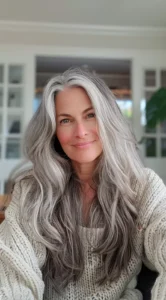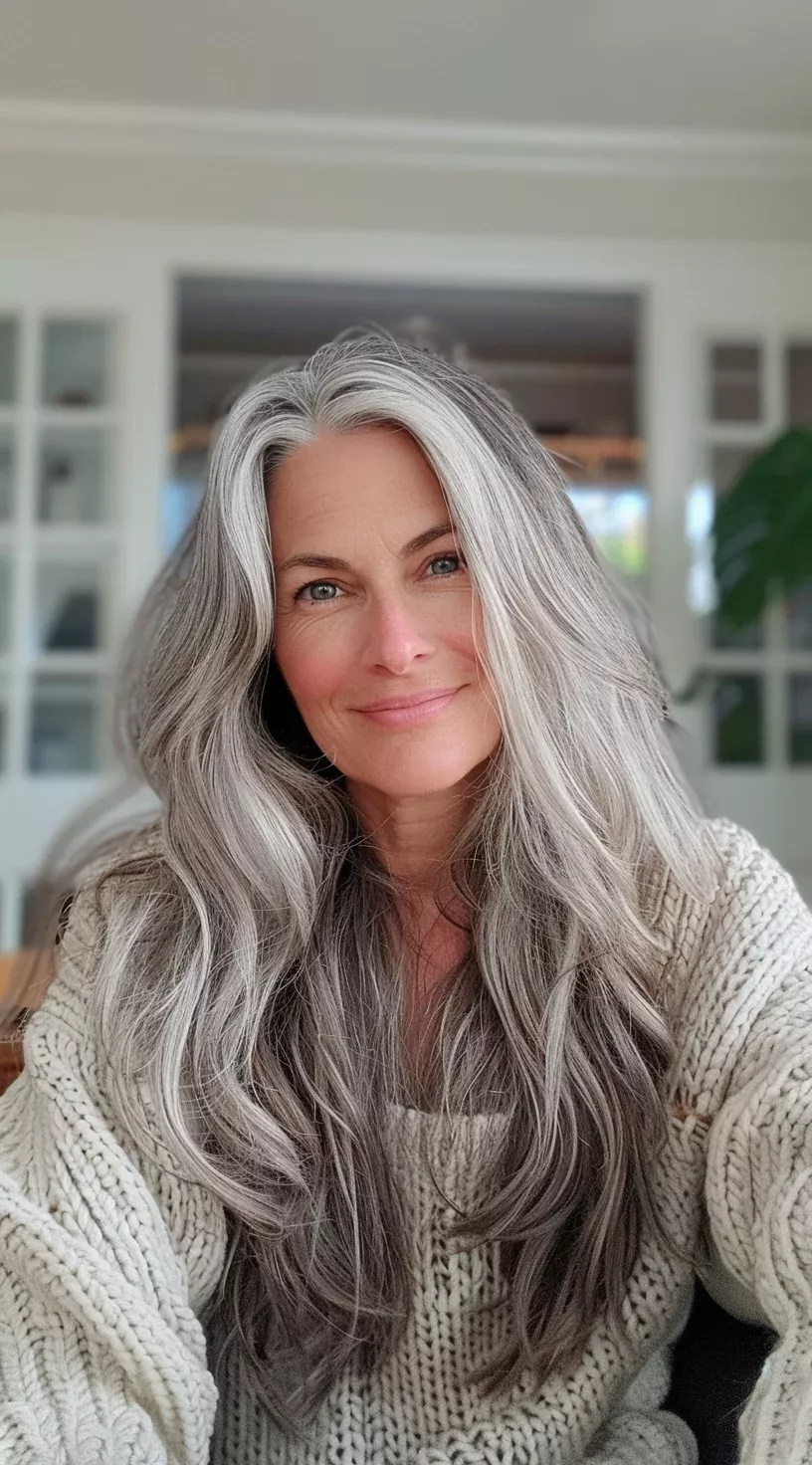
Embracing gray hair has become a powerful trend that celebrates natural beauty and individual authenticity. For many, this shift represents a rejection of traditional beauty standards and a commitment to self-acceptance. No longer confined by expectations of youthfulness, people are finding joy and confidence in showing their natural gray hair. This movement enhances mental health and fosters a sense of happiness, as individuals prioritize their own satisfaction over societal pressures. By opting for their natural gray, individuals create a narrative that values aging gracefully and asserts that beauty comes in different shades.
The journey to embrace silver tresses is not just about aesthetics; it’s an invitation to redefine what aging looks like in our society. Letting go of dyed hair often signifies a larger dialogue about personal identity and self-worth, promoting a lifestyle where authenticity reigns supreme. Those who choose to let their natural gray hair shine are challenging the conventional conceptions of beauty and inviting others to find comfort in their own skin. This movement goes hand in hand with discussions on mental wellness, encouraging people to reject unrealistic ideals and foster self-love. As society gradually shifts its mindset, embracing one’s hair—whether gray or otherwise—can lead to profound personal liberation.
Embracing Gray Hair: A Journey to Self-Acceptance
In recent years, the trend of embracing gray hair has evolved into a significant movement, particularly among women. Rather than masking their grays with hair dye, many are choosing to let their natural silver strands shine. This choice transcends mere aesthetics; it symbolizes a reclaiming of identity and a defiance against societal pressures to adhere to narrow beauty standards. By openly celebrating their natural gray hair, individuals not only promote self-acceptance but also foster a culture of authenticity that encourages others to embrace their true selves.
The psychological implications of this decision are profound. Embracing gray hair can alleviate the stress associated with conforming to unrealistic beauty ideals, contributing positively to mental health. This newfound freedom allows individuals to focus on what truly matters—self-love and authenticity. As more women choose to showcase their natural beauty, they pave the way for a broader conversation about aging and self-perception, ultimately redefining what it means to be beautiful in today’s society.
The Empowerment of Authenticity and Happiness
Authenticity plays a crucial role in achieving happiness, particularly when it comes to embracing one’s natural appearance. As women begin to let go of societal expectations about how they should look, especially regarding aging, they tend to experience an enhanced sense of well-being. The act of embracing gray hair becomes an empowering statement of self-acceptance. By rejecting the notion that beauty is limited to youthfulness, women are carving out a new narrative where age becomes synonymous with wisdom and grace.
This empowerment is not merely superficial; it has deep psychological roots. When women prioritize authenticity over societal approval, they unlock a reservoir of happiness within themselves. Engaging in this self-acceptance journey leads to a healthier mindset and allows individuals to cultivate a life that aligns with their true selves. The liberation found in wearing one’s natural gray hair can ripple out, inspiring others to embrace their uniqueness and pursue happiness on their own terms.
Navigating Beauty Standards: More Than Just Hair Color
The conversation surrounding embracing gray hair significantly extends beyond mere hair color; it prompts a reevaluation of beauty standards that have long been imposed upon women. For generations, society has equated youth with beauty, reinforcing a cycle of pressure to maintain a certain appearance. However, as more individuals advocate for natural gray hair, the narrative is shifting towards acceptance of aging as a beautiful and natural progression. This change challenges traditional perceptions and invites society to appreciate the beauty in authenticity.
Moreover, this dialogue is intricately linked to mental health and well-being. Recognizing the beauty in aging and self-acceptance creates an environment where individuals feel more comfortable discussing their struggles with self-image. By engaging in this critical conversation, communities can foster a culture of support and encourage women to break free from unrealistic beauty standards, ultimately leading to greater emotional resilience and an enhanced sense of community.
The Role of Self-Love in Embracing Gray Hair
Self-love is at the heart of embracing gray hair, with many individuals discovering that this act of acceptance fosters a more profound appreciation for themselves. As they choose to let their natural gray shine, they are making a conscious decision to prioritize their own well-being over societal expectations. This commitment to self-love encourages them to reflect on their journey and appreciate the many experiences that have shaped who they are, leading to a more fulfilling life.
By embracing gray hair, individuals often report an increase in confidence and self-esteem. This newfound sense of worth is intrinsically tied to the recognition that beauty is multifaceted and extends beyond physical appearance. The celebration of natural gray hair promotes a message of self-acceptance that resonates with many, emphasizing that true beauty is found in authenticity and the courage to be oneself, regardless of age.
Changing Perceptions: The Cultural Shift Toward Natural Beauty
The cultural shift toward embracing gray hair marks a significant change in how society perceives beauty. Traditionally, beauty narratives have been heavily influenced by youth-centric ideals, which often overlook the elegance that comes with aging. However, as the movement towards natural gray hair gains traction, it signals a broader recognition that beauty can be diverse and inclusive. This shift is empowering women to embrace their essence without fear or shame.
As this dialogue unfolds, it is essential to acknowledge that redefining beauty standards benefits everyone. By championing diverse representations of beauty, including the embrace of gray hair, society nurtures a space where individuals can express themselves freely. This cultural evolution not only uplifts those who have chosen to stop dyeing their hair but also encourages others struggling with self-acceptance to engage in self-love and appreciation for their unique characteristics, including their age.
The Interconnection of Mental Health and Hair Choices
The decision to embrace gray hair can have substantial implications for an individual’s mental health. Many people experience anxiety over societal expectations related to aging and appearance, often leading to feelings of insecurity and inadequacy. However, as more individuals begin to accept their natural gray hair, they are also fostering a healthier relationship with themselves. This challenge to conventional beauty norms often correlates with improved mental health outcomes, as people shift their focus from external validation to internal acceptance.
Furthermore, discussing hair choices candidly allows for a deeper exploration of the emotional impacts of aging. By understanding that embracing gray hair can alleviate societal pressure, individuals can cultivate a greater sense of peace and emotional wellness. This growing awareness highlights the importance of supporting one another in our journeys toward authenticity, reinforcing the idea that self-acceptance is not just liberating but integral to our overall mental health.
Supporting Each Other: Community and Gray Hair
As the conversation around embracing gray hair gains momentum, the importance of community support becomes evident. Women sharing their experiences and journeys towards self-acceptance create a network that fosters understanding and encouragement. This solidarity can be invaluable for those taking their first steps toward embracing their natural beauty. Community spaces where individuals can discuss their fears, challenges, and triumphs related to aging are essential in nurturing this movement.
By providing platforms for open discussion, communities can help dismantle the stigma associated with gray hair and aging. Sharing stories allows for greater visibility of diverse beauty perspectives and encourages others to embrace their unique narratives. The connections formed within these supportive environments not only enhance self-acceptance but also foster a sense of belonging, proving that collectively, we can redefine the standards of beauty for future generations.
The Legacy of Embracing Gray Hair for Future Generations
The act of embracing gray hair today sets a powerful precedent for future generations. As women and men alike choose to celebrate their natural aging processes, they are carving out a legacy that champions authenticity and self-acceptance. This movement has the potential to reshape the narrative surrounding beauty standards, encouraging younger generations to appreciate the beauty in aging and embrace their natural features without fear of judgment.
Instilling these values early on can empower young people to cultivate a positive sense of self, free from the constraints of societal expectations. By witnessing role models who embrace their gray hair, the next generation can adopt healthier attitudes toward their appearances, promoting a culture of self-love and emotional resilience. The ripple effects of this legacy will lead to a brighter future, where authenticity is celebrated, and beauty is defined by individual uniqueness rather than conforming to outdated ideals.
Reclaiming Personal Beauty: The Gray Hair Revolution
The gray hair revolution signifies a powerful reclamation of personal beauty, particularly among women who have historically faced scrutiny over aging. This movement invites individuals to redefine their beauty standards and reject the notion that youth is the only desirable attribute. Embracing gray hair becomes an assertion of independence; it communicates a refusal to be boxed in by conventional expectations. By actively participating in this revolution, individuals pave the way for a more inclusive and diverse understanding of beauty.
The movement celebrates individuality and reflects a growing desire for genuine self-expression. As societal norms evolve, embracing gray hair stands as a beacon of change, urging people to prioritize confidence and self-acceptance over external validation. This transformation encourages a holistic view of beauty, where age becomes an asset rather than a hindrance, fostering a culture where authenticity is cherished and celebrated.
Frequently Asked Questions
How does embracing gray hair relate to self-acceptance and beauty standards?
Embracing gray hair is a powerful statement of self-acceptance, challenging the prevailing beauty standards that prioritize youth. By choosing to go gray, individuals reject the societal pressures to conform and redefine beauty on their own terms. This liberation fosters authenticity and happiness, allowing people to celebrate their natural appearance without fear of judgment.
| Key Points | Details |
|---|---|
| Freedom from Societal Pressure | Embracing gray hair represents liberation from the pressure to conform to youth-based beauty standards. |
| Authenticity and Happiness | Choosing to embrace one’s natural gray hair is empowering and fosters self-acceptance, leading to greater happiness. |
| Broader Implications | This movement encourages discussions about aging, beauty standards, and mental health, promoting self-love and acceptance. |
Summary
Embracing gray hair signifies a shift towards self-acceptance and authenticity. As the pressure to conform to youthful appearances fades, individuals are discovering freedom in their natural beauty. This journey is not merely about hair color—it’s a powerful statement against societal expectations and a celebration of genuine identity. As more people join this movement, they foster an environment where aging is honored rather than hidden, shedding light on the importance of mental well-being and self-love. In this liberating choice, many find not only comfort but also a renewed sense of happiness, ultimately redefining beauty for themselves.