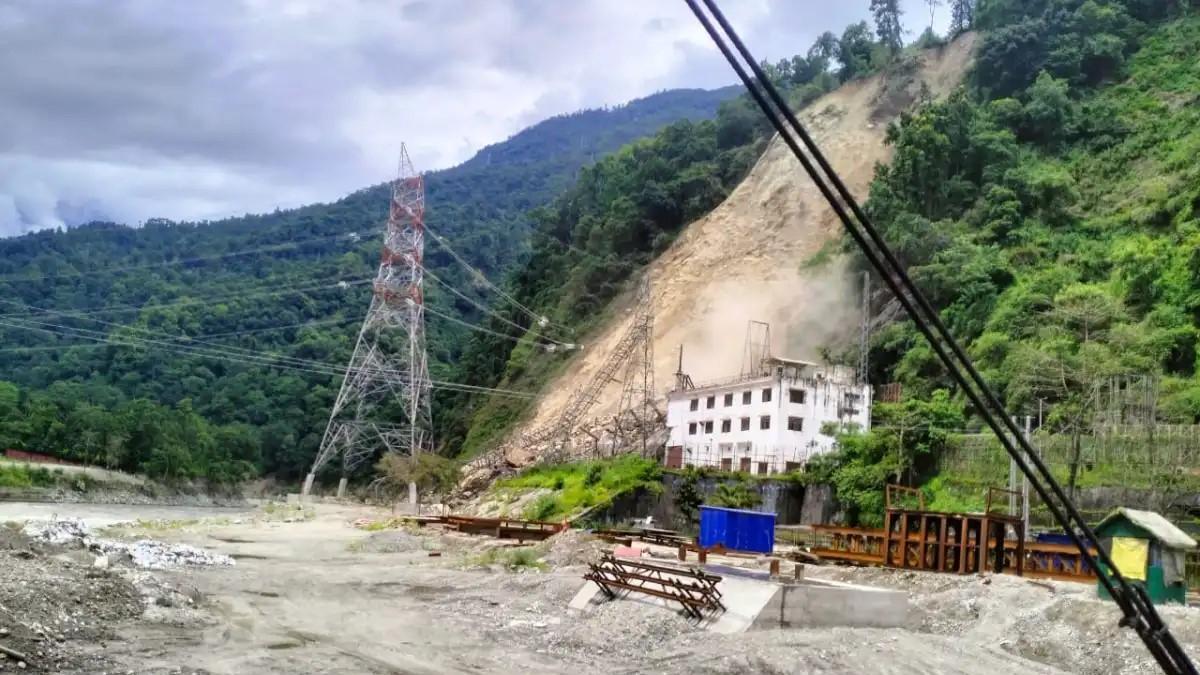
Landslides in Sikkim have become increasingly concerning, particularly in the wake of recent heavy rainfall that has caused rivers to overflow. On a Tuesday morning, a notable landslide occurred on the Rangpo-Rorathang road, visibly alarming those who witnessed the mountain’s collapse. While there were no casualties reported, the incident has disrupted communication and led to the closure of this vital road. Sikkim landslide news has been alarming for residents and travelers alike, especially with ongoing weather updates indicating more rain on the horizon. The cascading impact of such landslides goes beyond immediate danger, affecting tourism and increasing concerns about the areas affected by landslides and the rainfall’s effect on roads throughout the region.
In recent times, the region of Sikkim has faced severe geological disturbances, particularly in the form of mudslides that have obstructed crucial transportation routes. The devastating effects of these geological events have not only endangered lives but have also disrupted the flow of tourism, highlighting an escalating crisis for the local economy. As continuous rainfall contributes to unstable terrain, the repercussions can be felt across different sectors, particularly in the tourism industry, which thrives on the scenic beauty that Sikkim offers. Communities grapple with the aftermath of these disruptions while state authorities work tirelessly to manage the fallout from incidents like landslides in Sikkim. Observers are keenly watching how these weather-related challenges unfold and how they might impact the local populace and infrastructure in the coming days.
Impact of Landslides on Sikkim’s Infrastructure
Landslides in Sikkim pose a significant threat to its infrastructure, particularly the roads that are crucial for connectivity. Recently, a dramatic landslide occurred on the Rangpo-Rorathang road, which was witnessed by many and led to the immediate closure of this vital route. Beyond the visible destruction, such events signal a broader issue of geological instability in the region, often exacerbated by persistent heavy rainfall. This delicate situation underscores the need for ongoing monitoring and investment in preventive measures to protect the road systems that the local communities rely on.
The recent landslide incident highlights a pressing challenge faced by Sikkim’s authorities as they work to ensure safe passage for residents and tourists alike. The impact of these landslides extends beyond immediate safety concerns; they disrupt critical supply chains and hinder emergency response capabilities. With rainfall levels fluctuating due to seasonal variations, the Sikkim government is urged to prioritize infrastructure resilience strategies that can withstand the mounting forces of nature. This may include enhanced drainage systems and regular assessments of landslide-prone areas to mitigate risks and improve road safety.
Sikkim Landslide News: Recent Developments
The latest Sikkim landslide news reveals the precarious condition of roads throughout the state, particularly as weather patterns become increasingly unpredictable. The ongoing torrential rainfall has caused rivers to swell, leading to increased landslide activity in vulnerable regions. Local authorities are closely monitoring the situation, issuing alerts to residents and travelers while mobilizing resources to address the impacted areas promptly. Individuals planning to visit Sikkim should stay informed through official weather updates and news sources to avoid hazards posed by landslides.
Recent reports indicate a significant decline in tourism in Sikkim, a direct consequence of the recent landslides and adverse weather conditions. Industry officials have noted that many potential visitors are postponing their trips due to concerns about road safety and accessibility. As updates on the ongoing situation emerge, stakeholders must work collaboratively to devise strategies that can both ensure traveler safety and contribute to the recovery of Sikkim’s vital tourism sector, which forms a significant part of its economy.
Rainfall Impact on Sikkim Roads
Heavy rainfall has a profound impact on the roads in Sikkim, leading to increased landslide occurrences and subsequent road blockages. The recent landslide on the Rangpo-Rorathang road serves as a stark reminder of how quickly these natural events can disrupt travel and transportation. When the rains persist, roads can become treacherous not only due to landslides but also from flooding, making it vital for the public to stay updated on the current road conditions and weather forecasts. Authorities are actively addressing these issues, yet unpredictable weather continues to pose a challenge.
Furthermore, the relationship between rainfall and road condition emphasizes the need for improved infrastructure resilience. As heavy rains trigger landslides, the state is called upon to invest in better drainage systems and landslide mitigation strategies. The ongoing effects of these environmental factors on daily commutes and emergency services can have lasting impacts on the local population. Therefore, it’s crucial that local governance works closely with meteorological experts to develop actionable plans that can adapt to the changing climate, ensuring the safety of both residents and visitors in Sikkim.
Areas Affected by Landslides in Sikkim
Several areas in Sikkim are notably prone to landslides, particularly during monsoon seasons when heavy rains saturate the soil. Regions such as the Rangpo-Rorathang corridor frequently experience such calamities, disrupting transport and posing risks to local communities. These landslide-affected areas highlight the delicate ecological balance of the Himalayas and underscore the urgent need for a comprehensive disaster management plan. Authorities must prioritize stabilization efforts, utilizing geotechnical methods and reforestation to prevent further incidents.
Additionally, the consequences of landslides extend beyond immediate safety concerns. The economic impact on communities, including disruptions in local businesses and the tourism sector, can be significant. Many travelers avoid these areas due to safety concerns stemming from previous landslide events. Therefore, long-term strategies should be implemented to enhance the resilience of communities in Sikkim, ensuring that both locals and tourists can enjoy the natural beauty without fear of landslide-related hazards.
Tourism Challenges due to Landslide Effects
The recent landslides in Sikkim have created substantial challenges for the local tourism industry, which thrives on the state’s natural beauty and adventure offerings. Tourist arrivals have plummeted as prospective visitors heed warnings about road safety and the potential for further landslides. This downturn in tourism not only affects local economies but also puts additional pressure on businesses reliant on seasonal visitors. Stakeholders within the tourism sector are calling for proactive measures to enhance safety perceptions and encourage travel despite recent events.
To mitigate the negative effects of these landslides on tourism, proactive public relations campaigns can inform potential travelers about the current situation and highlight beautiful, safe areas to explore in Sikkim. Collaboration among various departments and tourism associations is essential to create a comprehensive plan to sustain interest in travel during uncertain times. By prioritizing both safety and visitor experience, Sikkim can manage its tourism offerings and recover its reputation as a prime destination for adventure seekers.
Emergency Preparedness for Landslide Events
In areas susceptible to landslides, emergency preparedness is crucial for ensuring the safety of residents and visitors. The recent incidents in Sikkim emphasize the need for robust disaster response strategies designed to handle severe weather events and their aftermath. Local authorities are tasked with establishing clear evacuation routes, providing real-time updates to the public, and training local responders in effective rescue operations. Communities in high-risk areas should also engage in regular disaster preparedness drills to ensure that residents know how to act when landslides occur.
Beyond immediate preparedness measures, public awareness campaigns can play a key role in educating residents and tourists about the signs of potential landslides. By implementing effective communication strategies, the local government can keep everyone informed about weather conditions and risks. Additionally, developing partnerships with organizations specializing in disaster response can enhance the capacity of local services to manage emergencies effectively, thereby reducing the potential impact of landslides on communities in Sikkim.
Government Response to Landslide Risks
In light of the frequent landslides in Sikkim, the government has initiated several response measures aimed at improving infrastructure and minimizing risks to public safety. Recent assessments of critical roadways have revealed vulnerabilities, prompting the implementation of new engineering standards for roads and bridges built in landslide-prone areas. Such measures are crucial to ensuring long-term safety for residents and visitors, especially as climate changes increasingly trigger unpredictable weather patterns.
Moreover, the government is working on enhancing community resilience through awareness programs. By educating citizens about the potential risks and the importance of prompt reporting of landslide indicators, local populations can better prepare themselves for future events. Strategies such as building natural barriers and retaining walls are being explored, along with establishing an early warning system to monitor soil stability. Through these proactive measures, Sikkim aims to safeguard its inhabitants from the adverse effects of landslides and promote a more secure environment.
Sikkim Weather Updates: What to Expect
Current weather updates in Sikkim indicate a pattern of heavy rainfall, which directly contributes to the likelihood of landslides in the region. The forecast suggests continued precipitation from cumulonimbus clouds, raising concerns for areas already affected by previous landslides. As residents and potential visitors keep a close eye on weather conditions, staying informed will be essential to avoiding travel in particularly hazardous times. Local meteorological departments recommend checking for the latest Sikkim weather updates to plan any necessary travel or outdoor activities appropriately.
Rainfall patterns in Sikkim not only affect travel but can also have wider implications for agriculture and local ecosystems. Farmers dependent on optimal weather for crop cycles may find the weather conditions challenging, thereby impacting local produce availability. It is crucial for the government to provide timely weather updates and agricultural advice to mitigate the broader effects of ongoing rainy conditions and create a comprehensive response strategy that encompasses both public safety and economic stability.
Frequently Asked Questions
What recent Sikkim landslide news should travelers be aware of?
Recent Sikkim landslide news highlights the closure of the Rangpo-Rorathang road following a significant mountain collapse. Fortunately, there have been no casualties, but travelers should check for updates on road conditions due to ongoing landslide risks.
How do Sikkim weather updates correlate with landslide incidents?
Sikkim weather updates are crucial as continuous rainfall can lead to increased landslide incidents. Monitoring weather forecasts helps identify periods of heavy rain that may cause landslides in vulnerable areas.
What is the impact of landslides on tourism in Sikkim?
The impact of landslides on tourism in Sikkim has been noticeable, as reports indicate a decline in the number of visitors during recent landslide events. Tours may be disrupted, leading to decreased tourist activity in affected regions.
Which areas in Sikkim are currently affected by landslides?
Areas affected by landslides in Sikkim include regions along the Rangpo-Rorathang road and various mountainous terrains prone to heavy rainfall. Travelers should avoid these areas, especially until repairs are completed.
What is the rainfall impact on roads in Sikkim regarding landslides?
The rainfall impact on roads in Sikkim directly contributes to landslides. Continuous rain increases soil saturation, making roads like NH 10 more susceptible to collapse, necessitating frequent monitoring and maintenance.
| Key Point | Details |
|---|---|
| Location of Landslide | Rangpo-Rorathang road in Sikkim |
| Cause | Continuous heavy rainfall leading to mountain collapse |
| Impact | Road closed for traffic; no casualties reported; damage to vehicles |
| Rivers Condition | Rivers like Teesta, Torsa, Jaldhaka swelling due to rainfall |
| Government Response | Alerts issued for lower reaches of rivers; ongoing monitoring and restoration efforts |
Summary
Landslides in Sikkim have severely impacted road connectivity, particularly on the Rangpo-Rorathang road, where a terrifying mountainside collapse was witnessed. The event, triggered by persistent heavy rainfall, highlights the ongoing risk of natural disasters in the region. Fortunately, no casualties have been reported, although the damage to infrastructure poses challenges for local residents and tourists alike. Authorities are actively monitoring the situation, issuing alerts for swollen rivers, and working diligently to restore normalcy. Amidst these conditions, the decline in tourism reflects the broader impact that such natural calamities have on the region’s economy and community well-being.