

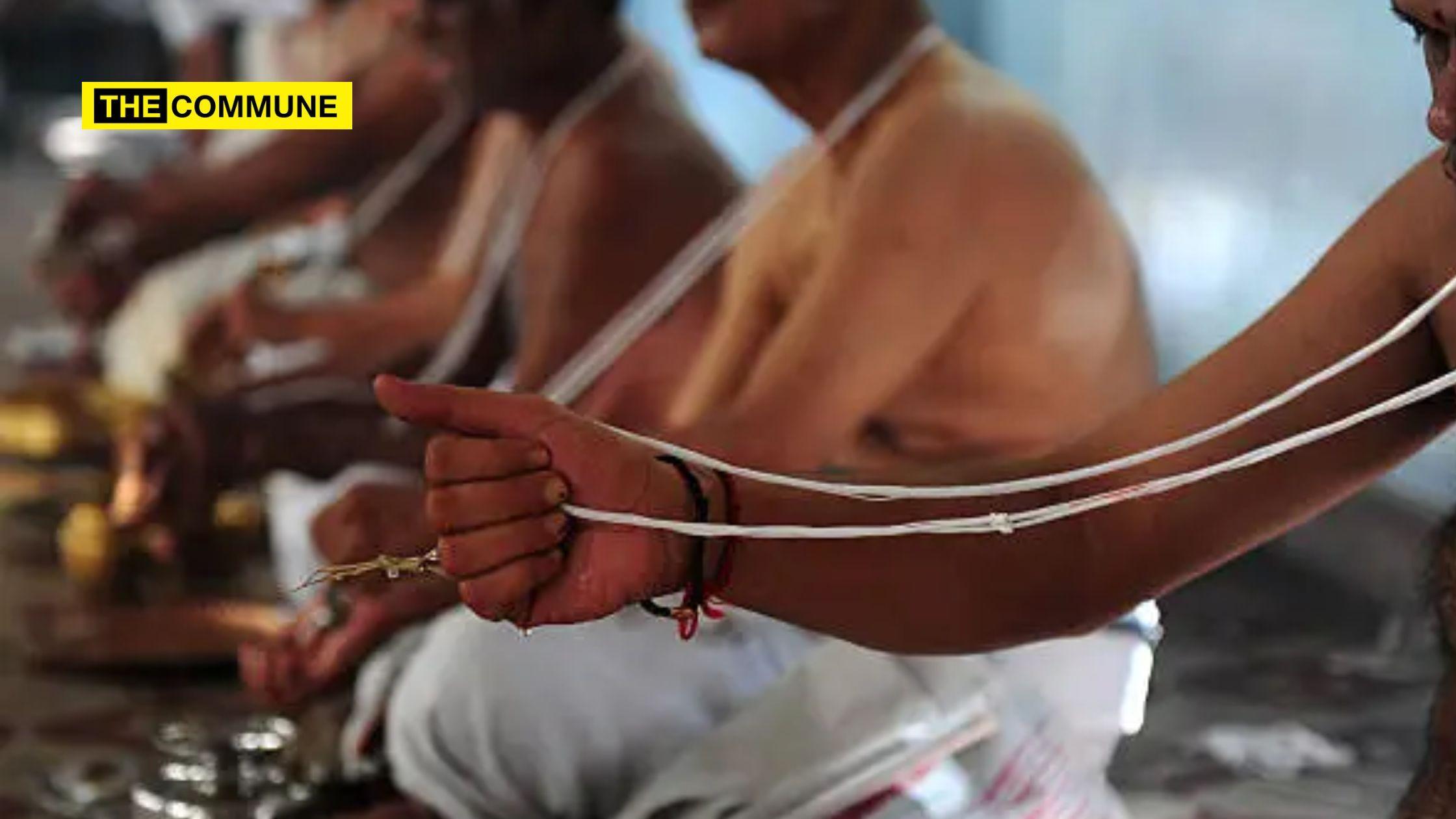
The recent transfer of Nalbari DSP Kusum Kumar Basumatary to the 21st Assam Police Battalion has captured significant attention, especially in light of the ongoing investigations linked to the NEET aspirant controversy. This decision comes as a reaction to public outrage Assam witnessed after a Brahmin student alleged that he was compelled to remove his sacred thread during security checks at a Nalbari examination center. The incident, which sparked widespread criticism and subsequent inquiries, has raised questions about the guidelines followed by police personnel during frisking procedures. As the district administration continues to investigate, the spotlight remains on how such cultural sensitivities are handled within the framework of law enforcement practices. Basumatary’s transfer underscores the urgency of addressing community concerns while maintaining the integrity of public service.
In recent developments in Assam, the transfer of the Deputy Superintendent of Police in Nalbari is drawing attention amidst a significant controversy involving a testing procedure for NEET aspirants. The uproar, which has emerged from an incident where a student was reportedly forced to part with his sacred thread prior to entering an examination venue, has generated a wave of public outrage across the region. This situation not only highlights critical issues surrounding cultural respect in law enforcement practices but also raises deeper questions about the regional police investigations. As officials grapple with the fallout, the implications of this incident resonate throughout the community, compelling them to re-evaluate their protocols at examination centers. The ongoing discourse emphasizes the urgent need for sensitivity and clarity in handling such culturally significant symbols.
Overview of the Nalbari DSP Transfer Amidst NEET Aspirant Controversy
The recent transfer of Nalbari DSP Kusum Kumar Basumatary to the 21st Assam Police Battalion has garnered significant public attention, particularly in light of the ongoing investigations into a highly sensitive issue involving a NEET aspirant. This incident, which took place during a re-test examination, has raised questions regarding the treatment of students in examination settings, especially those adhering to specific religious practices. The forceful removal of a sacred thread, a symbol deeply embedded in the identity of many Brahmin students, ignited widespread outrage and discussions about the safeguarding of religious sentiments in educational institutions.
As the authorities delve deeper into the details surrounding the situation, the public response has been mixed, with many citizens supporting the student while others caution against jumping to conclusions prior to the completion of formal investigations. The administration’s decision to transfer DSP Basumatary, albeit not directly linked to the inquiry findings, reflects an acknowledgment of the gravity of the situation and the fallout of public sentiment, which has been markedly vocal in Assam.
The Role of Assam Police Investigations in the Sacred Thread Incident
The Assam police investigations into the sacred thread incident are crucial in understanding not only the actions of the officers involved but also the procedural norms expected during examinations. The alleged requirement for the NEET aspirant to remove his sacred thread prior to entering the examination center raises significant concerns about protocol, cultural sensitivity, and religious practices within educational frameworks. Investigations aim to clarify if such actions were permissible under current regulations and whether any deviations can be attributed to a misunderstanding or sheer disregard for cultural customs.
The repercussions of this inquiry extend beyond the individual case; they potentially set a precedent for how religious and cultural sensitivities are handled in future examinations. As the Nalbari administration continues its investigation, the findings will likely shape not only disciplinary actions against those involved but also impact the broader operational conduct of police personnel in sensitive situations. This incident serves as a pivotal moment for discussions on cultural awareness and examination policies, spotlighting the need for adequate training for law enforcement and educational authorities.
Public Outrage in Assam Following the NEET Examination Scandal
In the wake of the incident involving the NEET aspirant in Nalbari, public outrage has surged across Assam, propelling discussions around religious freedom and the rights of students during examinations. Social media platforms and community forums erupted with opinions, where netizens expressed their disapproval regarding the manner in which the sacred thread was treated. The episode reflects deeper societal concerns about the intersection of academic processes and religious beliefs, raising urgent questions about respect and recognition in educational situations.
The local community’s response highlights a collective demand for accountability from the authorities. Many parents and advocacy groups are now calling for comprehensive reforms to ensure that such incidents do not recur in the future, emphasizing the importance of cultural sensitivity in examination protocols. The public outcry has also led to increased scrutiny of law enforcement practices during examinations, pushing for a reevaluation of the guidelines that govern the conduct of police personnel in educational environments, particularly in diverse cultural settings like Assam.
Implications of the Nalbari Examination Center Incident
The implications of the sacred thread incident at the Nalbari examination center extend far beyond the immediate fallout of public outrage and disciplinary actions against the police officers involved. This case has sparked a nationwide dialogue about the treatment of religious symbols and rights during official examinations, spotlighting the potential for conflicts between security measures and personal beliefs. As such, educational institutions must be mindful of such intersections and establish clear guidelines ensuring compliance with both legal and cultural expectations.
Furthermore, the actions and subsequent investigations surrounding this incident could lead to changes in policy, striving to protect the sanctity of religious practices while maintaining necessary security in examination centers. Such developments may also encourage educational authorities to implement rigorous staff training programs to elevate awareness about diverse cultural practices, ensuring that all students, regardless of their religious background, can participate in exams freely and without fear of discrimination or forced compliance.
Continuing Investigations: What Lies Ahead for the NEET Aspirant Incident?
As investigations into the NEET aspirant sacred thread incident unfold, it remains crucial to observe the follow-up actions and the measures implemented by the relevant authorities. The ongoing inquiry by the Nalbari district administration serves as a potential turning point not only for the involved police personnel but also for the future handling of similar cases. Ensuring that procedural justice is upheld during these investigations will be vital in restoring public faith in law enforcement.
The outcome of the investigations will likely impact community relations with law enforcement in Assam, as public confidence hinges on how transparently and effectively the authorities address the issue. As the case progresses, it is essential that all stakeholders hold discussions focused on learning from this incident to prevent future occurrences, bridging gaps between security enforcement and respecting individual rights, especially concerning critical cultural elements like the sacred thread.
Cultural Sensitivity and The Future of Examination Protocols in Assam
The Nalbari incident underscores a pressing need for a reassessment of cultural sensitivity within examination protocols in Assam. As examinations serve as significant milestones for students, it is paramount that they are conducted in an environment that respects and acknowledges diverse cultural practices. The expectations for candidates to adhere to examination guidelines should never overshadow their rights to express their religious and cultural identities.
In light of the public outcry prompted by the recent events, educational authorities are now called upon to draft more inclusive examination policies that allow for flexibility surrounding religious symbols. The potential changes to examination protocols may include training sessions for security personnel and monitoring practices to ensure all candidates can take their examinations without compromising their beliefs. Such actions will reaffirm Assam’s commitment to promoting inclusivity and respect for all cultures in educational settings.
Recommendations for Improving Examination Security Measures
The sacred thread incident at the Nalbari examination center highlights a critical need for better-designed examination security measures that take cultural practices into account. Recommendations for improvements should focus on training security personnel to handle culturally significant items appropriately, enabling them to differentiate between standard security protocols and respect for personal and religious identifiers. It’s essential to educate examiners and security staff on the implications of certain actions, ensuring they understand the need for cultural competence in their roles.
Additionally, communication with students and their families about security procedures should become an integral part of the examination process. This could involve actively consulting stakeholders to create guidelines that blend security requirements with cultural understanding. Establishing open channels for feedback allows for continual adjustments, fostering an environment where students feel secure and respected, and minimizing the potential for conflicts during high-stakes assessments.
The Role of Community Advocacy in Educational Reforms
Community advocacy plays a pivotal role in fostering educational reforms, particularly following incidents like the NEET aspirant controversy in Nalbari. As public discontent rises, local leaders and civil society organizations mobilize to ensure that the voices of those affected are heard, pushing for policies that respect cultural norms and individual rights. The mobilization of community advocates can amplify calls for action, forming a united front that compels educational authorities to prioritize inclusivity in their protocols.
Engaging diverse community voices in shaping educational policies ensures that they resonate with the values and beliefs of the students they serve. The involvement of advocacy groups can provide essential insights into cultural sensitivities, offering recommendations for adjusting examination practices accordingly. Such collaborative efforts can significantly enhance the overall educational climate, assuring that every student, regardless of their religious identity, feels valued and supported during their academic journeys.
Examining the Role of the National Testing Agency (NTA)
In the backdrop of the Nalbari incident, it is crucial to examine the role of the National Testing Agency (NTA) in setting and enforcing examination protocols for NEET and other standardized tests across India. The NTA serves as the regulator responsible for upholding the sanctity of the examination process, which should inherently protect candidates’ rights, along with providing an equitable testing environment. The procedures that govern examinations must be underpinned by respect for diverse cultural practices, ensuring no student faces undue hardship based on their religious beliefs.
The NTA’s guidelines, particularly regarding personal items allowed within examination premises, should reflect a nuanced understanding of cultural diversity. Engaging with community leaders and cultural scholars can significantly enhance the NTA’s operational framework, creating protocols that are both secure and respectful. Such partnerships would help preemptively address potential conflicts, reinforcing the idea that standardized tests can and should accommodate the myriad cultural identities represented among exam takers.
Frequently Asked Questions
Why was the Nalbari DSP transferred amid the NEET aspirant controversy?
The Nalbari DSP, Kusum Kumar Basumatary, was transferred to the 21st Assam Police Battalion following an investigation into allegations that a NEET aspirant was forced to remove his sacred thread during a security check at the Nalbari examination center. This incident led to significant public outrage in Assam and prompted a magisterial inquiry and departmental investigations into the actions of the police personnel involved.
| Key Point | Details |
|---|---|
| Transfer of DSP | Kusum Kumar Basumatary transferred to 21st Assam Police Battalion amid an investigation. |
| Incident Background | Allegation arose when a NEET aspirant was forced to remove his sacred thread at the examination center. |
| Public Reaction | The incident caused widespread public outrage and criticism across Assam. |
| Inquiry Details | A magisterial inquiry was conducted; the student identified the involved police. |
| No Valid Instructions | Officials stated there were no guidelines requiring removal of sacred threads during frisking. |
| Next Steps | Awaiting findings from the departmental investigation to decide on further disciplinary actions. |
Summary
The recent transfer of Nalbari DSP Kusum Kumar Basumatary reflects the serious nature of the allegations surrounding the incident involving a NEET aspirant’s sacred thread. Following significant public outrage in Assam, the ongoing inquiries are critical in addressing the concerns of community respect and procedural integrity within law enforcement. The responses from the Nalbari district administration emphasize the necessity of adhering to cultural sensitivities, especially in situations involving religious symbols. As investigations progress, it is essential that the accountability measures reinforce fair practices, assuring the local populace that such incidents will be responsibly handled, while ensuring candidates can undertake their examinations without undue distress.



























