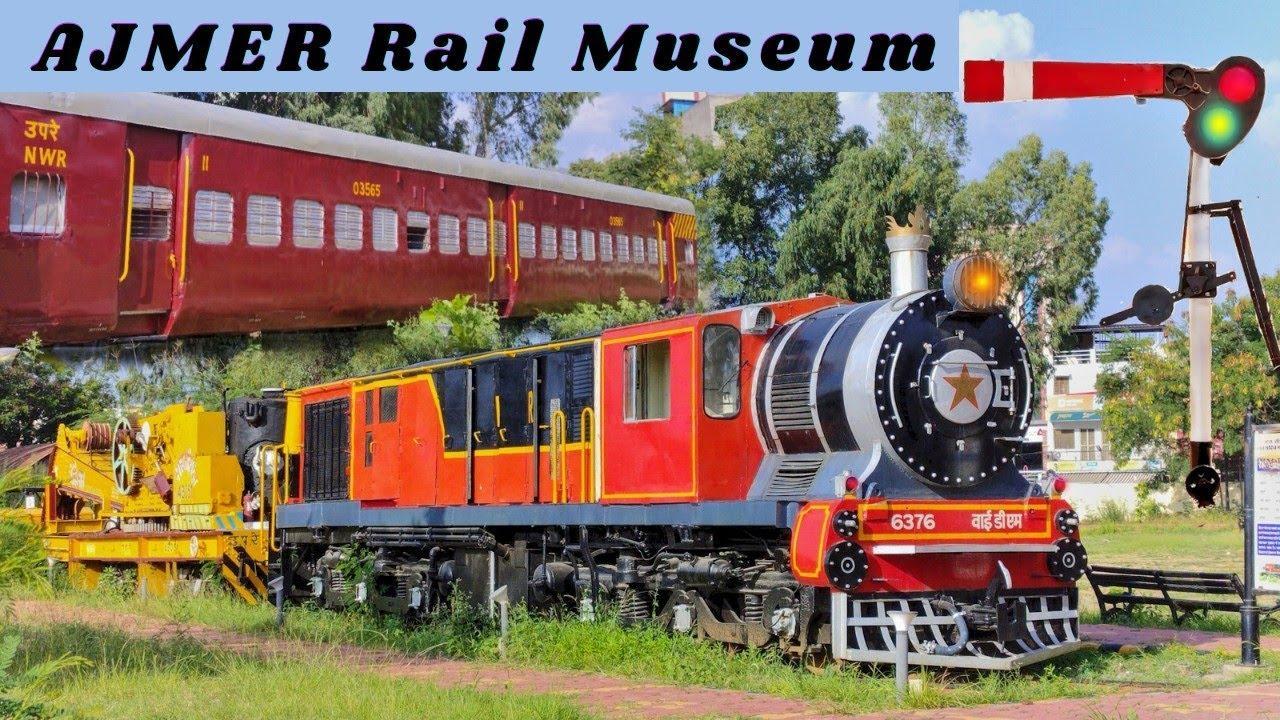
Ajmer Railway Workshop, a hidden gem in the heart of Ajmer, is an iconic institution that has been pivotal to the history of Ajmer Railway for nearly 150 years. As one of the oldest railway workshops in India, it has played a crucial role in shaping both the infrastructure of Indian Railways and the economic landscape of Ajmer city. This workshop is not just a facility for railway maintenance; it is a significant contributor to Ajmer’s commercial economy, fostering opportunities and nurturing local businesses. Its presence is intertwined with the identity of Ajmer, reflecting the growth and evolution of the region over time. As we explore the contributions of Ajmer Railway Workshop, we celebrate its enduring importance in the narrative of Indian Railways and its lasting impact on the community that surrounds it.
The Ajmer Railway Workshop, recognized for its enduring legacy, stands as a testament to the vital role that railway engineering workshops play in modern transport systems throughout India. This facility, rich in heritage, sits at the center of Ajmer’s growth, embodying the intertwined history of rail travel and urban development. The significance of this establishment extends beyond mere operations; it has become a cornerstone of Ajmer’s identity and a catalyst for local economic advancement. As a crucial hub for repairs and maintenance, it supports the vast network of Indian Railways, ensuring smooth operations and promoting trade in this vibrant city. Through a deeper understanding of the workshop’s contributions, we can appreciate how it continues to influence Ajmer’s place within the larger tapestry of India’s railway infrastructure.
The Legacy of Ajmer Railway Workshop
The Ajmer Railway Workshop, entering its 150th year, stands as a testament to the rich history of the Indian Railways. Established during the British colonial period, this workshop is not only the third-oldest railway workshop in India but also plays a pivotal role in the development of Ajmer. The workshop has transformed from a simple maintenance facility into a center that symbolizes the industrial evolution of the region. It has contributed to the growth of Ajmer’s identity, blending railway heritage with the cultural fabric of the city.
Throughout its history, Ajmer Railway Workshop has been crucial in supporting the operational needs of the Indian Railways. It has facilitated the repair and maintenance of locomotives and wagons, thus ensuring the efficient functioning of rail services across the country. As a result, the workshop has fostered a sense of pride among locals, who view it as an essential part of Ajmer’s commercial economy. This blending of railway history with modern industry underscores the significance of the workshop within the broader context of Indian Railways.
Ajmer Railway Workshop’s influence extends beyond its operational role; it has also served as an important employment hub, providing countless job opportunities throughout its history. Local artisans and workers have benefitted from the workshop’s establishment, thus creating a skilled workforce. The presence of this significant facility has contributed not only to the local economy but also to the identity of Ajmer as a city where tradition meets industrial advancement.
The workshop has seen many transformations over the years, adapting to the changes in technology and the rail industry. In its 150 years, it has played a crucial role in innovation, contributing to the overall advancements in the Indian Railways. The dedication of the workforce, paired with the strategic importance of the railway system in connecting regions, illustrates how Ajmer Railway Workshop has remained relevant in a changing world. Its commitment to excellence has established it as a model for railway workshops across India.
Ajmer’s Role in the Indian Railways Network
The strategic location of Ajmer has made it an integral part of the Indian Railways network. As a historical hub, it serves as a vital junction connecting major cities, thereby enhancing trade and commerce opportunities. The fertile plains surrounding Ajmer have encouraged agricultural trade, while the railway system has enabled easy transportation of goods, further bolstering Ajmer’s commercial economy. The significance of Ajmer Railway Workshop cannot be understated as it supports this intricate web of railway connectivity across India.
Furthermore, Ajmer’s identity is intertwined with the rich cultural and historical narratives that railways have brought to the region. The railway lines have enabled the influx of traders and travelers, thereby enriching the city’s diversity. The workshop’s legacy is observable not just in its machinery and workforce but also in the echoes of bustling trade that resonate through Ajmer’s markets. Each train that passes through this town is a reminder of the vibrancy that the railways have injected into the local economy and lifestyle.
Ajmer Railway Workshop, with its long-standing history, is poised to continue playing a significant role in shaping the future of the Indian Railways. In recent years, there has been a renewed focus on modernizing railway workshops across the country, ensuring that they evolve with the times. The Ajmer workshop is embracing this wave of innovation while staying true to its roots in Ajmer’s rich history.
As the railway industry moves towards more sustainable practices, Ajmer Railway Workshop is likely to be at the forefront, contributing to greener rail technology and maintenance practices. This focus on sustainability is becoming increasingly important as India looks to improve its environmental footprint in transportation, thus ensuring Ajmer retains its relevance within the broader ambitions of the Indian Railways.
Frequently Asked Questions
What is the significance of Ajmer Railway Workshop in the history of Ajmer Railway and Indian Railways?
Ajmer Railway Workshop, established in August 1873, is significant in the history of Ajmer Railway as it marks nearly 150 years of vital contributions to Indian Railways. As the third-oldest railway workshop in undivided India, it played a crucial role in shaping Ajmer’s identity and modernizing the region’s transportation infrastructure, thus influencing the city’s commercial economy and fostering trade.
| Key Points |
|---|
| Ajmer Railway Workshop is approaching its 150th anniversary in August. |
| It is the third-oldest railway workshop in undivided India and contributed to modern Ajmer’s development. |
| The workshop holds significant historical and cultural value, contributing to the city’s identity. |
| The surrounding business community includes Gujarati traders and Agarwal businessmen, enhancing Ajmer’s economy. |
| Former railway quarters that housed large Parsi families are now occupied by elderly residents or caretakers. |
Summary
Ajmer Railway Workshop, an integral part of the city’s heritage, quietly approaches its 150th anniversary this August. This historical site stands as the third-oldest railway workshop in undivided India and has played a pivotal role in the development of modern Ajmer. Its significance goes beyond mere functionality; the workshop has become a beacon of the city’s identity, symbolizing the transformative journey of Ajmer as it grew around it. The surrounding economic landscape, marked by the activities of Gujarati traders and Agarwal businessmen, showcases a vibrant commercial ecosystem that has flourished alongside this iconic establishment. Moreover, the evolution of the residential areas previously occupied by large Parsi families, now home to elderly couples and caretakers, reflects the changing demographics and memories surrounding the workshop. As Ajmer Railway Workshop continues its journey into the future, it remains a testament to the rich historical tapestry of Ajmer.