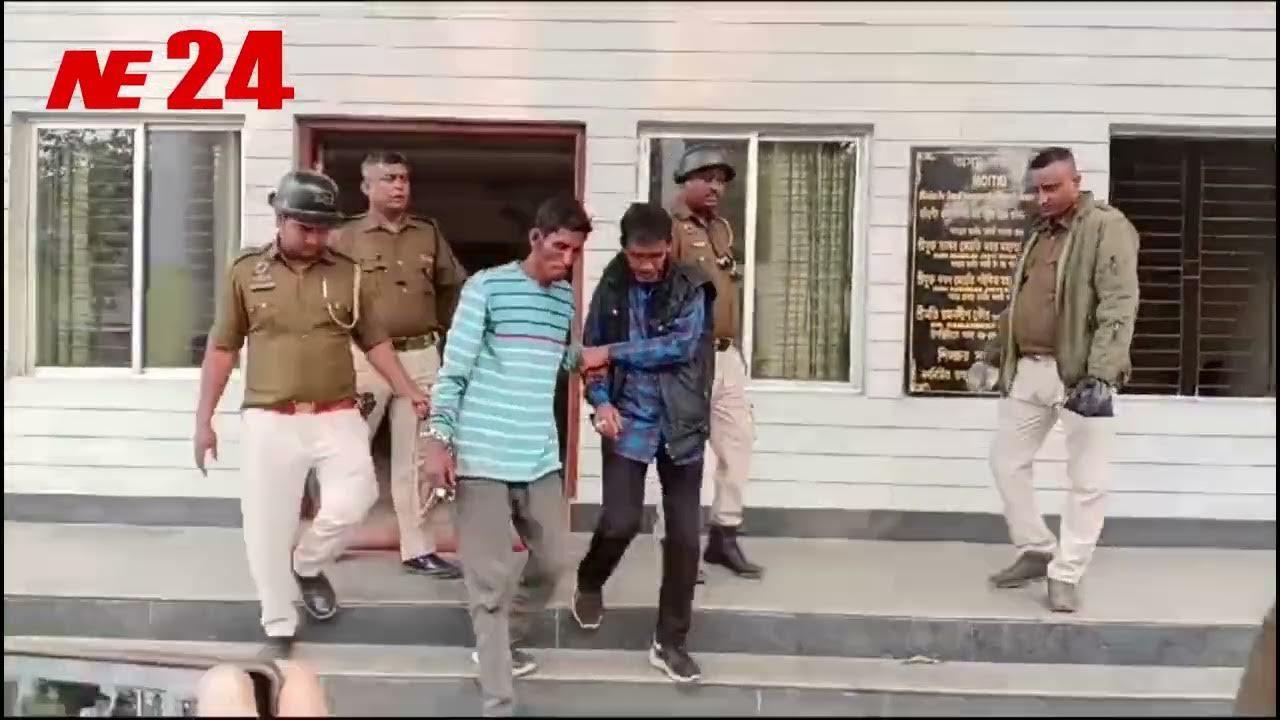
The recent Bajrang Dal allegations have sparked significant controversy in Assam, particularly after Silchar police arrested a man named Rupak Roy, who is accused of orchestrating organized crime. Allegedly using the name of Bajrang Dal, Roy has been implicated in various extortion cases across India, with claims of assault and robbery tainting the organization’s reputation. Local authorities have reported that Roy’s activities not only include physical intimidation but also the unlawful extraction of funds in the community. Following his arrest, police are probing deeper into the connections between Roy’s actions and the group he falsely represented. As the Bajrang Dal seeks to distance itself from these serious allegations, the unfolding case raises questions about the integrity of organizations and the misuse of their names in criminal activities.
In light of the recent events involving Rupak Roy, also known as Badshah, the ramifications of his actions have brought to light numerous concerns regarding the integrity of community organizations in India. The involvement of Bajrang Dal, a group often associated with social and political activism, has led to public debate over its potential connection to organized crime in Assam. The allegations range from extortion to violent assaults, casting a shadow over the organization’s reputation and prompting officials to investigate the claims thoroughly. As the case continues to develop, discussions around the implications of misrepresentation and the responsibility of such groups in preventing misuse of their identities remain pertinent. The situation exemplifies the challenges faced by established organizations in distancing themselves from individuals who exploit their names for personal gain.
Bajrang Dal Allegations and Legal Repercussions
The recent allegations surrounding Bajrang Dal have left many questioning the organization’s integrity and commitment to legal ethics. Rupak Roy, also known as Badshah, was apprehended by the Silchar police for allegedly perpetrating organized crime under the guise of this Hindu nationalist group. His reported involvement in group assaults, physical intimidation, and extortion cases has sparked a widespread debate about the potential misuse of the Bajrang Dal’s name for criminal activities. This incident not only raises concerns about the association of individuals with such organizations but also highlights the pressing need for accountability within community groups.
In light of these allegations, Bajrang Dal has hurried to distance itself from Rupak Roy, asserting that he had been expelled from their ranks approximately one and a half years ago for breaching their code of conduct. They have explicitly stated that they do not endorse any criminal behavior and will actively support legal measures against individuals who exploit their name for nefarious purposes. These assertions are vital for maintaining the group’s reputation as it faces scrutiny in the face of rising organized crime in areas like Assam, where incidents abound.
Investigation into Organized Crime in Assam
The arrest of Rupak Roy has catalyzed an ongoing investigation into organized crime in Assam, particularly in the Silchar area. Local police are thoroughly examining the allegations of extortion and robbery linked to Roy, delving into his potential connections with other criminal entities. As the investigation progresses, the Silchar police’s determination to address organized crime is commendable, as they aim not only to resolve this case but also to send a strong message against persistent criminal activities plaguing the region. The authorities are collaborating with various stakeholders to gather intelligence that could help dismantle any underlying criminal networks.
Furthermore, the situation is being exacerbated by rampant rumors and discussions within the community regarding the influence of organized groups in Assam. The citizens are becoming increasingly aware of the dynamics of crime and law enforcement in their locality. Aspects like physical intimidation and extortion cases in India have drawn attention to the need for enhanced security measures and community vigilance. Such community engagement is vital in supporting police efforts to combat growing crime levels and ensure that justice prevails.
Impact of Criminal Misuse on Community Trust
The case of Rupak Roy has illustrated the detrimental impact that criminal misuse of associations can have on community trust. Citizens often align themselves with organizations like Bajrang Dal, believing in their mission and principles; however, when an individual misuses this alignment for personal gain through illegal activities, it can severely undermine the community’s perception. Local residents in Silchar are currently grappling with feelings of betrayal and anger, as they must now reconcile their respect for an organization with the abhorrent actions of one who falsely represented it. This crisis of confidence is something community leaders must address to restore faith in their organizations.
Moreover, the ramifications of such incidents extend beyond immediate concerns; they influence the wider narrative on how groups like Bajrang Dal are perceived by the public and authorities alike. Misrepresentation has the potential to paint all members with the same brush, leading to distrust and social division. To combat this, community initiatives that foster transparency and accountability within community organizations will play a crucial role. Engaging locals in discussions about the responsibilities of such groups can help bridge the gap that arises due to allegations of misconduct.
Community Reactions and the Call for Action
The ongoing developments surrounding Rupak Roy’s arrest have incited a plethora of reactions from the community, reflecting both concern and a demand for action. Residents are calling for a thorough investigation not just into Roy’s actions but also regarding the prevalence of organized crime occurrences in the Silchar area. There is an emerging sentiment that community safety must be prioritized, as locals feel increasingly vulnerable to the threats posed by individuals who exploit their affiliations. The public’s demand for security and justice is becoming louder, underscoring the need for law enforcement to be proactive in addressing these concerns.
In response, local authorities have pledged to escalate their efforts to combat crime and maintain order within the community. Initiatives aimed at education on recognizing and reporting suspicious activities are being proposed, alongside increased patrols in areas known for criminal activity. The combination of community engagement and police action serves to empower residents, assuring them that their safety is paramount. As this case unfolds, it has become clear that a collaborative approach involving law enforcement and community members is crucial to eradicate the threats posed by organized crime.
The Role of Bajrang Dal in Community Affairs
As a prominent social organization, Bajrang Dal has traditionally played an influential role in community affairs. However, with the allegations surrounding Rupak Roy, this role is under intense scrutiny. The organization has attempted to assert its dedication to community welfare and to dissociate itself from individuals who do not abide by their principles. Their proactive stance, emphasizing that they will not tolerate misuse of their name, is a response aimed at assuaging community concerns while also preserving their reputation amidst troubling allegations.
Moreover, the organization’s insistence on accountability and lawfulness reflects an understanding that their credibility is closely tied to the actions of their past members. By publicly denouncing Rupak Roy and supporting law enforcement’s investigation, Bajrang Dal seeks to reassure stakeholders of their commitment to ethical standards. This engagement with the community is critical in addressing fears and rebuilding trust, reinforcing their role as responsible social leaders who are both vigilant against crime and supportive of justice.
Implications for Organized Crime Legislation in India
The recent incidents involving organized crime in Assam, particularly the activities attributed to Rupak Roy, highlight ongoing challenges within India’s legal framework regarding organized crime. The need for stringent laws that effectively tackle extortion and other criminal acts is gaining traction as incidents spirals out of control in many regions. The case underscores how current legislation may need adaptation or reinforcement to better address emerging criminal behaviors that threaten public safety and community harmony.
Moreover, lawmakers and legal experts are being urged to examine how organized crime intersects with community structures and social organizations. By understanding these dynamics, India can formulate comprehensive strategies that not only punish offenders but also deter potential criminals from operating under the guise of respectable organizations. Strengthening legal responses to organized crime could aid in curtailing activities similar to those alleged against Rupak Roy, fostering a safer environment for all citizens.
Community Awareness Programs and Legal Education
In the wake of individual crimes attributed to alleged organizations like Bajrang Dal, there is a crucial need for establishing community awareness programs that educate citizens about the boundaries of lawful conduct and organizational involvement. Programs focused on legal literacy can empower individuals with the knowledge to identify and report potential misuse of organizational affiliations. By creating informed communities, it fosters a culture of accountability that discourages criminal behavior disguised under social organizations.
Additionally, local police departments could partner with community leaders to disseminate information about the signs of organized crime, including extortion and intimidation tactics often employed by criminals. Collaborative efforts could enable communities in Assam, especially in places like Silchar, to become vigilant and resilient against the threat of organized crime. Such initiatives not only strengthen community bonds but also contribute to reducing crime rates, ultimately enhancing public safety for all.
The Evolving Nature of Crime in Assam
The recent arrest of Rupak Roy has highlighted the evolving nature of crime in Assam, as individuals increasingly exploit socio-political identities to perpetrate illegal activities. This trend poses significant challenges for law enforcement agencies that must adapt to the changing landscape of organized crime. Moreover, the methods employed by criminals, such as intimidation and false representation, necessitate a multi-faceted approach to combat these issues effectively.
As Assam grapples with these transformations, there is growing recognition of the need for enhanced resource allocation and strategies that focus not only on punitive measures but also on preventive strategies. Developing community outreach programs aimed at educating the public about criminal practices effectively can mitigate the impact of such organizations on local society. Engaging with citizens to raise awareness regarding the signs of organized crime and fostering a culture of communication are essential steps in addressing these evolving challenges.
Future of Bajrang Dal: Challenges and Opportunities
The future of Bajrang Dal hangs in the balance as it navigates the ramifications of the recent allegations involving Rupak Roy. As community scrutiny increases, the organization faces the dual challenge of preserving its identity while distancing itself from criminal behavior. The forthcoming months will be critical, as Bajrang Dal will need to implement reforms that reinforce its commitment to social responsibility and ethics in order to rebuild trust among its members and the broader community.
Conversely, these challenges present Bajrang Dal with opportunities for revitalization and growth. By taking an active role in community education and awareness campaigns, the organization can foster deeper ties with the public while demonstrating its dedication to lawful and ethical practices. Reinventing its image in the face of adversity could position Bajrang Dal as a frontrunner in advocating for accountability and community welfare, transforming a negative incident into a catalyst for positive change.
Frequently Asked Questions
What are the recent Bajrang Dal allegations related to organized crime in Assam?
Recent Bajrang Dal allegations involve Rupak Roy, who was arrested in Silchar, Assam, for purportedly engaging in organized assaults, extortion, and robbery while claiming affiliation with the group. Police apprehended him following reports of physical intimidation and robbery, leading to an investigation into these serious claims of organized crime linked to Bajrang Dal.
| Key Points |
|---|
| A man named Rupak Roy, also known as Badshah, was arrested in Silchar, Assam. |
| He is accused of organized assaults, extortion, and robbery while falsely claiming affiliation with Bajrang Dal. |
| The police have launched an investigation following a complaint filed at the Silchar Sadar Police Station. |
| Bajrang Dal has distanced itself from Roy, stating he was expelled for violating their principles. |
| The organization pledged not to take responsibility for criminal acts committed by individuals misusing its name. |
| Rupak Roy remains in custody as the investigation is ongoing, with local residents closely following the case. |
Summary
The Bajrang Dal allegations involve serious claims against Rupak Roy, who was arrested for organized crimes including assaults and extortion while posing as a member of the organization. The case has highlighted issues regarding the misuse of religious or patriotic identities for criminal activities. Bajrang Dal’s swift denial of any association with Roy sheds light on the organization’s efforts to maintain its integrity amidst these allegations. As the investigation continues, the implications of such claims resonate within the community, emphasizing the importance of accountability and lawful conduct.