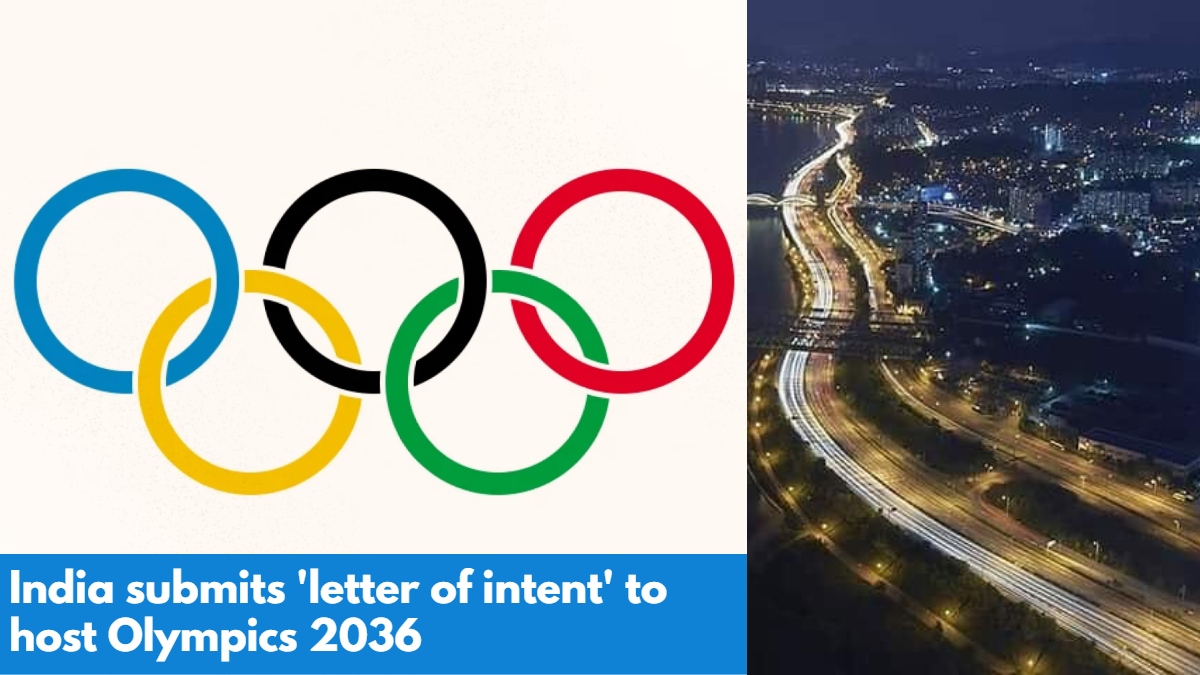
India’s 2036 Olympic bid marks a significant moment in the nation’s ambition to host one of the world’s most prestigious sporting events. With the International Olympic Committee (IOC) recently approving a revamped host selection process, anticipation is building as we approach the finalized announcement of the host city by mid-2029. This pivotal decision will not only shape the country’s Olympic Games timeline but also act as a catalyst for enhancing sports infrastructure across India. The Future Host Commission is set to undertake comprehensive Olympic venue assessments, ensuring that proposed sites meet the rigorous standards expected by the IOC. As India aims for excellence in hosting the Olympics, the potential for economic growth and global recognition makes this endeavor an exciting prospect for both sports enthusiasts and the nation as a whole.
The endeavor to secure the Olympic Games for 2036 has thrust India into the global spotlight, prompting discussions around the potential for hosting such a monumental event. With the IOC moving forward with its streamlined bidding process, the excitement surrounding the possibility of an Indian city hosting the Olympics has increased significantly. This initiative not only represents a milestone in sports management but also highlights India’s aspirations to become a major player in the international sporting community. Assessing various venues and preparing for a comprehensive evaluation, the Future Host Commission will play a critical role in determining the feasibility of India’s potential Olympic landscape. As the nation prepares for the pivotal decision that lies ahead, the implications of this bid extend far beyond sports, encompassing economic and cultural dimensions that could leave a lasting impact.
India’s 2036 Olympic Bid: A New Era of Sports Hosting
India’s 2036 Olympic bid marks a significant turning point in the country’s journey towards becoming a premier destination for international sports. With the International Olympic Committee (IOC) restructuring its host selection process, the country now has a clear timeline that culminates in mid-2029 when the final decision on the host will be announced. This strategic approach not only paves the way for intense preparation but also showcases India’s commitment to efficiently organize a global sporting event of such magnitude. As an emerging sports hub, India is set to leverage this opportunity to enhance its infrastructure, boost tourism, and promote a sports culture that resonates with its diverse population.
The bid for the 2036 Olympics is not just about hosting competitions; it’s a calculated endeavor aimed at fostering a sustainable sports environment. The IOC’s Future Host Commission will conduct thorough assessments of proposed venues, ensuring that the facilities meet international standards. This aspect of site visits and evaluations is pivotal as it influences not only the selection process but also the legacy that hosting the Olympics would leave behind. By focusing on financial guarantees and the overall logistics of the event, India’s bid is designed to assure the IOC of its ability to deliver an unforgettable Olympic experience.
Timeline and Selection Process for Hosting the Olympics
The IOC’s refined timeline for announcing the host of the 2036 Olympics emphasizes a structured approach that involves multiple phases of evaluation and preparation. Announced in mid-2026, the process is set to culminate in 2029, allowing sufficient time for candidates to prepare their proposals. This timeline is crucial as it offers cities like those in India an opportunity to align their development goals with international sporting standards. Moreover, it ensures that the assessment of potential venues is comprehensive and reflective of the vast requirements needed to host the Olympics.
As part of the selection process, the Future Host Commission’s site visits will provide key insights into what each potential host city has to offer. These assessments will look at various factors including infrastructure, accommodation, transportation, and overall readiness to hold an event of this scale. The inclusion of India in this timeline signals the IOC’s recognition of the country’s growing capacity to host global events, setting the stage for significant investments in sports facilities and infrastructure in the years leading up to the announcement.
Significance of Hosting the Olympics for India
Hosting the Olympic Games would be a monumental achievement for India, further enhancing its stature on the global sports stage. The Olympic Games timeline outlined by the IOC highlights the critical milestones that India must navigate to realize this dream. Beyond the immediate benefits—such as increased tourism and international attention—the event offers an opportunity to solidify sports as an integral part of India’s culture. This endeavor has the potential to inspire a new generation of athletes while also providing a platform for India’s sporting capabilities to shine on an international arena.
Moreover, the successful execution of the Olympic Games can serve as a catalyst for extensive improvements in sports infrastructure across the country. Investments in venues, training facilities, and hospitality services can have a long-lasting impact beyond the duration of the Games. The Olympics venue assessment process led by the IOC will be critical in ensuring that selected sites are not only ready for the global spotlight but can also accommodate legacy projects that benefit local communities, thus reinforcing the importance of sustainable development in the sporting sector.
The Role of Financial Guarantees in Olympic Hosting
Financial guarantees are a pivotal component of the Olympic bidding process, serving to reassure the IOC of a host nation’s commitment and capability. For India, securing these financial backing arrangements forms a crucial part of its strategy in the bidding for the 2036 Olympic Games. These guarantees will be vital in addressing any potential risks associated with hosting, such as creating state-of-the-art facilities and ensuring the security and safety of athletes and spectators alike. The clarity in the funding strategy reflects not only India’s readiness but also its determination to present a compelling case to the IOC.
Building a robust financial framework will also enable India to mobilize resources for infrastructural advancements necessary for hosting the Olympics. This involves not just immediate expenditures for the Games, but also long-term investments in sports and recreation facilities that can benefit the country for decades to come. As the IOC initiates its thorough financial evaluations, India’s emphasis on securing solid financial guarantees will bolster its bid’s credibility, presenting the nation as an appealing host for the Olympic Games.
Site Visit Assessments by the Future Host Commission
The Future Host Commission’s upcoming site visits play a crucial role in the IOC’s selection process for the 2036 Olympics. These assessments are designed to evaluate proposed venues comprehensively, taking into consideration factors such as accessibility, infrastructure readiness, and overall suitability for the Olympic events. For India, these visits represent not just an examination of existing facilities but also an opportunity to showcase the extensive groundwork being laid to host such a prestigious international event.
During these site visits, representatives from the Future Host Commission will engage with local authorities and sports organizations, gathering in-depth insights into India’s preparation efforts. The findings from these assessments will significantly influence the final decision-making process, ensuring that the selected host city aligns with the IOC’s rigorous standards. A successful evaluation of India’s proposed venues could enhance its chances of being chosen, illustrating the country’s readiness and resolve to embrace the Olympic spirit.
The Impact of India’s Olympic Bid on Local Sports Culture
India’s bid to host the 2036 Olympic Games is poised to have a transformative effect on the local sports culture, encouraging greater participation at all levels of society. As the spotlight shifts towards the country’s preparations for potentially hosting the Olympics, there is a significant impetus to promote sports among the youth. This surge in interest can catalyze grassroots initiatives, leading to enhanced training programs, more local competitions, and a stronger pipeline for talent development in various sports.
Furthermore, the hosting of the Olympics is likely to stimulate partnerships between government bodies, educational institutions, and private sectors to bolster the sports framework. With India gaining the chance to host a global event, there is a unique opportunity for increased investments in sports facilities, coaching, and athlete support systems. All of these efforts combined could establish a rich sports ecosystem that not only promotes physical fitness but also instills a sense of national pride and achievement.
Challenges Facing India’s Olympic Bid
Despite the excitement surrounding India’s bid for the 2036 Olympics, considerable challenges lie ahead. The successful execution of an event as significant as the Olympics requires meticulous planning, substantial financial resources, and a collaborative effort among various stakeholders. Overcoming bureaucratic hurdles and ensuring timely construction of required infrastructure will be paramount to meeting the IOC’s stringent guidelines and timelines. These challenges require a coordinated approach with long-term vision and commitment from both the government and private sector to ensure that planning translates into reality.
Besides infrastructural challenges, there are also cultural and logistical considerations that India must navigate. Ensuring a welcoming atmosphere for athletes and spectators from across the globe entails an efficient transportation system, adequate accommodations, and comprehensive security measures. As part of the Future Host Commission’s evaluations, these factors will be scrutinized closely to determine whether India can offer a secure and enjoyable Olympic experience for everyone involved.
Expected Economic Impact of the 2036 Olympics in India
The economics surrounding hosting the Olympic Games can be both complex and rewarding, with the potential to stimulate significant economic growth in the host country. For India, successfully securing the 2036 Olympic Games could lead to massive investments in infrastructure and tourism, resulting in job creation and increased business opportunities. As the world looks to India as a viable host, the projected influx of tourists during the Games will provide a substantial boost to the local economy, benefiting various sectors ranging from hospitality to transportation.
Moreover, the Olympics can act as a catalyst for long-term development goals. By focusing on sustainable tourism and infrastructure development, India can attract foreign investment that extends beyond 2036. The influx of international attention and the potential for long-lasting partnerships will enhance India’s profile as a global player in the sports arena, paving the way for hosting other significant sporting events in the future. As financial returns and infrastructural legacy unfold, the economic impact of hosting the Olympics can reverberate throughout society.
Legacy and Sustainability After the Olympic Games
When thinking about India’s bid to host the 2036 Olympics, one must consider the legacy that such an event can leave behind. Beyond the immediate spectacle of the Games, the emphasis on sustainability and future utility of infrastructure should be central to India’s planning. Ensuring that venues and facilities constructed for the Olympics are sustainable and can serve communities long after the Games have concluded is a crucial aspect of preparing an effective bid. This proactive approach reflects a commitment to embedding sports within the social fabric of the nation.
Additionally, the establishment of a legacy framework can guide post-Olympics activities, ensuring that the momentum gained from hosting contributes to the continuous growth of sports in India. Investments in community sports programs and training facilities can be prioritized to inspire future generations of athletes. By developing a clear, sustainable legacy plan, India’s hosting of the Olympics can not only benefit the current sporting landscape but also shape a brighter future for sports, encouraging a deeper appreciation and participation in various athletic endeavors.
Frequently Asked Questions
What is the timeline for the IOC 2036 Olympic host announcement for India’s 2036 Olympic bid?
The timeline for the IOC 2036 Olympic host announcement states that the International Olympic Committee will finalize the host city by mid-2029. This announcement comes as part of the restructured host selection process approved by the IOC, which aims to evaluate bids effectively. India’s bid to host the Olympic Games in 2036 is a significant endeavor, with the Future Host Commission scheduled to conduct assessments of proposed venues and host-city plans leading up to this decision.
| Key Point | Details |
|---|---|
| Timeline for Decision | Host city will be finalized by mid-2029. |
| Host Selection Process | The IOC has approved a restructured process for selecting the host. |
| Site Assessments | The Future Host Commission will conduct site visits to evaluate proposed venues. |
Summary
India’s 2036 Olympic bid marks a significant milestone as the country aims to host this prestigious global sporting event. With the International Olympic Committee recently announcing a clear timeline for the host selection process, the excitement surrounding India’s bid continues to build. The selection will culminate in a decision by mid-2029, allowing ample time for careful consideration of cities and venues that can deliver an unforgettable Olympic experience. Additionally, the Future Host Commission will actively assess potential sites to ensure they meet the required standards, reflecting India’s commitment to hosting the Olympics with excellence. As the nation prepares for this opportunity, the focus remains on promoting sports and enhancing infrastructure to support the athletes of tomorrow.