Madrasas have recently come under intense scrutiny, especially in light of the ongoing Ram Temple controversy and the comments made by UP Deputy CM Brajesh Pathak regarding alleged irregularities. He questioned why no one is examining the funds raised for the Babri Masjid, raising concerns around transparency and accountability in these institutions. Amidst claims of illegal activities and terror funding linked to madrasas, Pathak accused opposition parties of engaging in appeasement politics to win over Muslim voters, thus politicizing the matter further. This has ignited fierce debates about the role of madrasas in contemporary society, especially against the backdrop of accusations surrounding their funding sources. As discussions about donations for Babri Masjid and the Ram Temple continue, the spotlight remains on the implications of these accusations for political dynamics in Uttar Pradesh.
In discussing the educational institutions known as madrasas, it is crucial to recognize their multifaceted roles within the community and the broader implications of recent political discourse. Often viewed as centers of Islamic learning, these establishments are facing allegations regarding their financial practices and connections to controversial topics such as terror financing. Notably, the UP Deputy Chief Minister’s remarks have sparked significant conversations about the ethics of funding and governance in these schools of thought. The intersection of religion, education, and politics in Uttar Pradesh elevates the importance of transparency and accountability not only in madrasas but also in the political arena surrounding issues like the Babri Masjid and the Ram Temple. As this narrative unfolds, understanding the societal impact of these discussions remains essential.
The Role of Madrasas in Modern India
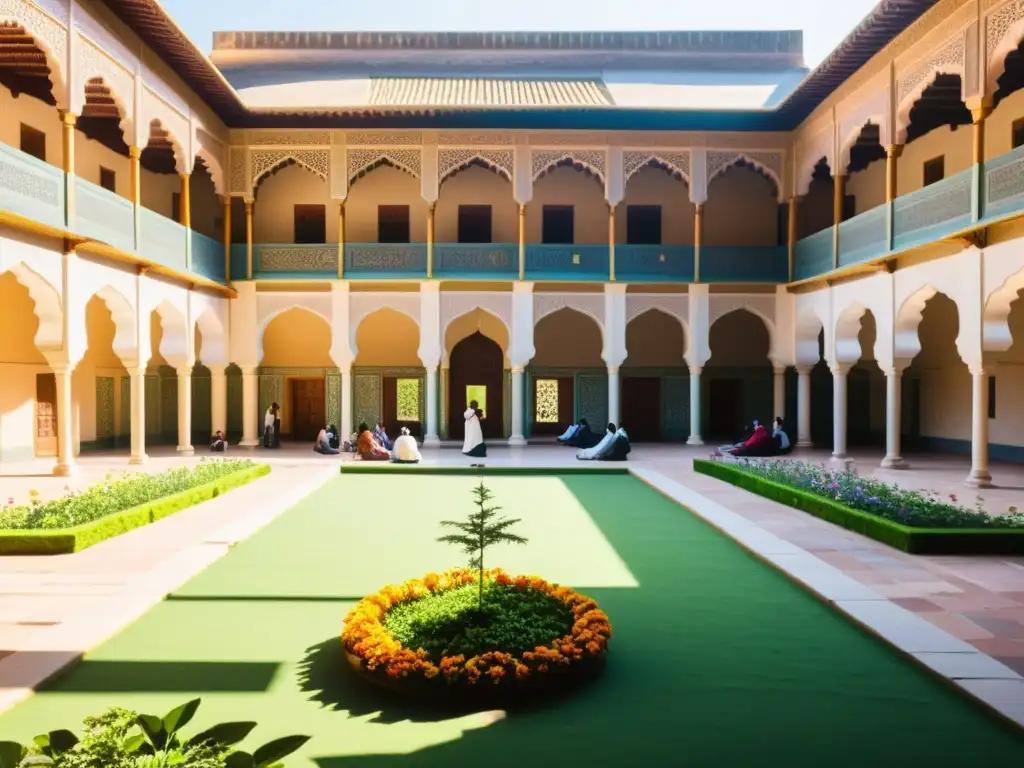
Madrasas have long been a fundamental part of India’s educational landscape, primarily focused on religious instruction. In recent years, however, they have come under scrutiny, particularly in the context of political debates surrounding funding and transparency. The UP Deputy CM, Brajesh Pathak, has voiced concerns over the alleged illegal activities linked to these institutions, suggesting that some madrasas may be involved in ‘terror funding’. This association of madrasas with potential criminal activities has fueled a broader discussion about their role in society, amidst claims of political narratives that aim to question the legitimacy of donor contributions toward the Babri Masjid.
As the political landscape becomes increasingly polarized, the depiction of madrasas also reflects broader societal tensions. The accusations of terror funding, even if not widely substantiated, have raised alarms among various communities, leading to calls for greater transparency in how these institutions are operated and financed. Amidst the Ram Temple controversy, where donations have come under fierce debate, the intersection of donations for places of worship and educational institutions like madrasas has sparked a significant discussion about ethics, accountability, and the preservation of cultural harmony in Uttar Pradesh.
Political Dynamics and Allegations Against Madrasas
In the heart of the Ram Temple controversy lies a contentious narrative that also encompasses the activities of madrasas. With Deputy CM Pathak questioning the integrity of funds collected for the Babri Masjid, political parties such as the Samajwadi Party and Congress have been accused of engaging in appeasement politics. This creates a powerful discourse on how financial contributions are scrutinized based on political affiliations and the prevailing sociopolitical atmosphere. Accusations of misusing funds at the Ram Mandir unveil a complex web of political maneuvering that binds together religion, politics, and finance.
Moreover, the allegations of terror funding linked to madrasas add another layer of complexity to this narrative. Critics argue that such claims are often politically motivated, aiming to undermine the credibility of educational institutions catering to minority communities. As Pathak’s comments resonate through various media, they compel citizens to reconsider the implications of their support for such institutions. In an era where politics in Uttar Pradesh shows no signs of stabilizing, the debate around madrasas continues to evoke strong emotions, spotlighting the need for a more nuanced understanding of their impacts on community and national security.
Understanding the Ram Temple Controversy
The Ram Temple controversy has been a significant issue in Indian politics, serving as a rallying point for various social and religious groups. Recently, the allegations surrounding the embezzlement of donations intended for the temple construction have raised eyebrows and intensified political clashes. Deputy CM Brajesh Pathak’s assertion that the situation remains unchallenged regarding donations raised for the Babri Masjid draws attention to a recurring theme of perceived favoritism in political discourse. This contrast raises fundamental questions about the motivations behind political actions surrounding religious financial matters.
As the government moves forward with investigations into the alleged misappropriation of temple funds, public sentiment remains divided. On one side, there are those who demand accountability for every rupee raised, while on the other, accusations of political motives seek to undermine such investigative efforts. These dynamics bind the Ram Temple’s significance not only to historical and religious narratives but also to current socio-political agendas, making it a focal point in ongoing discussions about faith, governance, and community representation in Uttar Pradesh.
The Influence of Donations in Political Strategy
Donations play a crucial role in shaping political narratives across India, particularly in Uttar Pradesh, where religious sentiment heavily influences electoral strategies. In the wake of the Ram Temple controversy, significant questions have arisen regarding the transparency and integrity of fundraising efforts, as well as how these funds are utilized. The critique of the Samajwadi Party and Congress for their alleged appeasement of Muslim voters only underscores the contentious nature of political dealings that intertwine with religious fundraising.
In line with this, the inquiry into the sources of donation for the Babri Masjid and the broader implications of financial influences on madrasas are pivotal in understanding the political chess game at play. Pathak’s comments hint at deeper underlying issues, including how accusations against religious institutions can serve to divert public attention from political missteps or failures. Balancing the right to religious practice against the need for financial transparency presents an ongoing challenge, resonating with the electorate’s calls for accountability and truth in political governance.
Tensions Between Political Affiliation and Religious Identity
As the Ram Mandir and Babri Masjid issues unfold, they unveil the intricate relationship between political affiliations and religious identities in India. The UP Deputy CM’s remarks reflect an ongoing trend where political narratives intersect with religious sentiments, often leading to conflicts that influence voter behavior. The dialogue surrounding donations for both the Ram Temple and Babri Masjid brings to the forefront the challenges of managing diverse identities within a single political framework, complicating how leaders engage with different community concerns.
Moreover, the allegations linking madrasas to terror funding feed into this narrative, serving to distinguish between perceived loyalty to the nation and religious affiliation. Such rhetoric not only polarizes various factions but also places religious institutions at the center of political scrutiny. Understanding how these dynamics play out is crucial, as political leaders navigate a landscape fraught with challenges in reconciling community concerns while striving for electoral gains amid rising tensions.
Impact of Political Rhetoric on Community Perception
The political rhetoric surrounding the Ram Temple controversy and madrasas has profound implications for community perception in Uttar Pradesh. Statements from political figures, such as those made by Deputy CM Brajesh Pathak, can significantly shape public opinion and communal relations, sometimes inciting mistrust among various demographic groups. The framing of madrasas within the context of terror funding raises critical questions about the broader societal implications of associating educational institutions with criminal activities, regardless of the truth of the claims.
This manipulation of narratives aims not only to gain political advantage but also to allure specific voter bases, ultimately affecting the social fabric of communities. When generalized narratives take root in public discourse, they can stigmatize entire communities associated with these religious institutions. Thus, understanding the ramifications of political speech on community dynamics emphasizes the necessity for responsible communication aimed at fostering communal harmony rather than division.
Transparency and Accountability in Religious Donations
The controversy surrounding the donations and fund management for both the Ram Temple and Babri Masjid raises critical issues of transparency and accountability. As financial contributions for religious structures become increasingly scrutinized, the call for clear and responsible management of these funds grows louder. The establishment of investigative bodies, such as the SIT focused on temple donations, marks a significant step towards ensuring that donations are used effectively and for their intended purposes.
Moreover, the role of transparency in religious donations extends beyond mere accountability; it invites broader societal discussions about trust between communities and political establishments. Striving for clarity in financial dealings serves to alleviate tensions and build bridges across divides, ultimately encouraging constructive dialogue among various stakeholders. In light of recent accusations regarding illegal activities in madrasas, ensuring accountability within all religious funding structures, including educational institutions, becomes paramount in enhancing public confidence.
Navigating Community Concerns Amidst Political Controversy
As the political landscape in Uttar Pradesh becomes increasingly fraught with controversy, there is a pressing need to navigate community concerns carefully. The linkage of madrasas to potential terror funding, alongside the ongoing Ram Temple unrest, represents a challenging battleground for community cohesion. Political leaders are tasked with addressing the insecurities these allegations create while striving to maintain order among diverse religious groups who may feel unfairly targeted by blanket accusations.
Listening to community voices and addressing their concerns directly can help politicians mitigate backlash and build trust. Engaging in open dialogues with community leaders about the intricacies of funding and support for both madrasas and temples will pave the way for more robust, transparent relationships. Only through such efforts can local leaders begin to restore some measure of faith among their constituents amidst the chaotic political rhetoric currently dominating Uttar Pradesh.
Educational Reform and the Future of Madrasas
As issues surrounding madrasas gain prominence in the political arena, there is an opportunity for educational reform that can help dispel some of the lingering controversies. By emphasizing transparency, accountability, and inclusivity, madrasas could evolve to serve not only as centers for religious learning but as integral parts of the educational framework in India. Implementing standardized financial protocols and curriculum reforms could support the narrative that madrasas are committed to fostering responsible and engaged citizens.
Such reforms have the potential to shift public perception, demonstrating that madrasas can contribute positively to society by dispelling myths relating to terror funding and illicit activities. As discussions about the future of these institutions unfold, a proactive approach towards educational reform could help bridge cultural divides, allowing for a narrative that reflects their commitment to education and societal progress rather than the divisive political rhetoric of the moment.
Frequently Asked Questions
How are madrasas linked to the controversy over donations for Babri Masjid?
Madrasas have recently been scrutinized in light of comments from UP Deputy CM Brajesh Pathak regarding donations for the Babri Masjid. Pathak highlighted the contrast between the questioning of Ram Mandir donations and the lack of inquiry into the funds raised for the Babri Masjid, suggesting that certain political parties engage in appeasement politics to attract Muslim voters. This creates a dialogue around the funding and activities of madrasas, with accusations of potential illegal activities and terror funding complicating the narrative.
| Key Point | Details |
|---|---|
| Controversy Over Donations | UP Deputy CM questions the lack of scrutiny over Babri Masjid donations while addressing alleged mismanagement of funds in Ram Mandir. |
| Political Accusations | Pathak claimed the Samajwadi Party and Congress are engaging in appeasement politics to attract Muslim voters by undermining Sanatan culture. |
| Allegations against Madrasas | Pathak pointed out concerns of illegal activities and ‘terror funding’ being associated with some madrasas in border districts. |
| Investigation into Ram Mandir Donations | An SIT was established to investigate the donation misappropriation, following an FIR against eight individuals for the alleged theft. |
| Call for Transparency | The preliminary SIT report suggested reforms to improve transparency and accountability in donation handling. |
Summary
Madrasas have become a focal point of controversy in recent political discussions, particularly regarding unverified allegations of illicit activities. Recent statements by the Uttar Pradesh Deputy CM indicate mounting scrutiny not just on historical controversies, but also on modern financial practices within these educational institutions. The dialogue surrounding madrasas is complex, reflecting broader concerns about governance, accountability, and community relations within the socio-political landscape. By addressing these issues head-on, there is potential for significant reform and improvement within the madrasa educational sector, promoting transparency and building trust within the communities they serve.