In Mizoram, the tuberculosis cases have become a pressing health concern, as recent statistics reveal alarming figures that underscore the urgent need for effective public health interventions. Between January and June of this year, the state reported a staggering 1,050 new tuberculosis cases, leading to 71 tragic TB deaths in Mizoram. These statistics highlight the troubling spread of tuberculosis in India, particularly affecting vulnerable populations, including children. While treatment for tuberculosis has seen an 86.49% success rate for patients in the region, the continual rise in new cases poses a significant challenge for Mizoram health authorities. To combat this disease, it is crucial to enhance awareness, provide adequate support, and improve healthcare resources to fight against tuberculosis in this northeastern state.
Tuberculosis in Mizoram has emerged as a significant public health issue, with numerous individuals battling the disease and its repercussions on the community’s overall well-being. With a notable increase in detected cases in recent months, health officials are highlighting the urgent need for comprehensive treatment plans and community support programs. The ongoing fight against TB in this region is not only reflected in grim mortality rates but also in the quest for improved health statistics that inform better strategies. Understanding the dynamics of tuberculosis spread within this geographic area is vital for effective intervention and prevention measures. As the state rallies to support those afflicted, the emphasis on declining cases through enhanced public health initiatives remains a priority.
Current Status of Tuberculosis in Mizoram
Mizoram is currently facing a significant challenge with tuberculosis (TB), as indicated by the recent statistics that report 1,050 new cases of the disease in just the first half of 2023. These figures underscore a growing public health concern, reflecting the need for renewed efforts in both prevention and treatment. Among the reported cases, there is a notable demographic distribution, with 600 males and 68 children under 14 years old affected, highlighting that TB does not discriminate by age or gender.
This alarming situation is compounded by the unfortunate reality of 71 recorded TB deaths during the same period. Health officials are urging community awareness and understanding of the disease to facilitate timely interventions. The data collected by the State TB Office demonstrates how crucial ongoing awareness campaigns and health education are in tackling the infections and mortality rates associated with tuberculosis.
Treatment for Tuberculosis in Mizoram
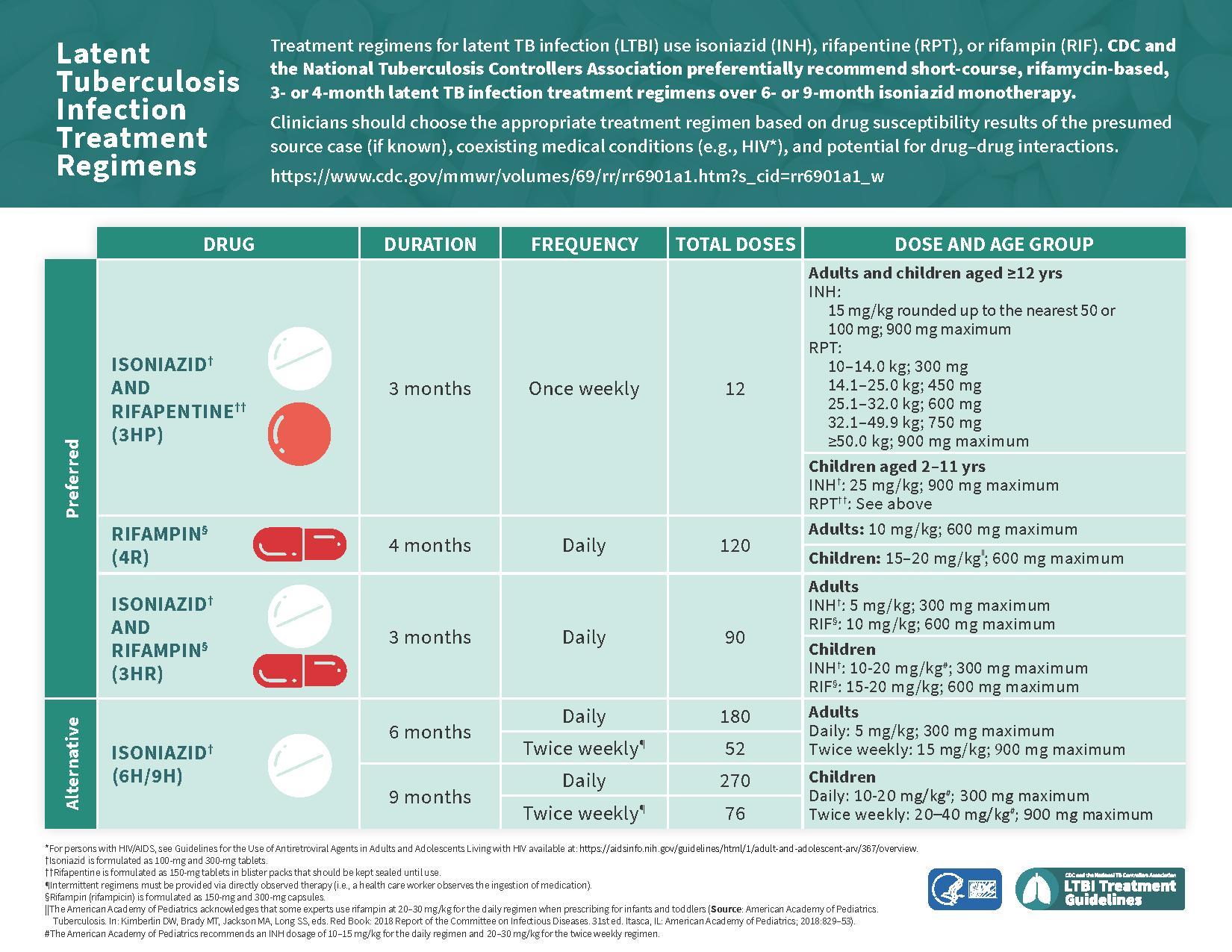
The treatment protocol for tuberculosis in Mizoram has shown promising results, with a reported treatment success rate of 86.49%. This high success rate suggests that the healthcare system is effectively managing tuberculosis treatment, utilizing a combination of antibiotics and supportive nutritional measures. Residents diagnosed with TB benefit from not only medical treatment but also from nutritional support provided by government officials through food baskets, aimed at improving patients’ overall health and ability to withstand the effects of the disease.
Despite these positive aspects, the report indicates a significant gap in donor support, with only 28% of patients receiving assistance. This highlights the urgent need for more community involvement and donor contributions, which are essential for sustaining these treatment efforts. Enhancing financial and material support for TB patients will be vital to ensure that treatment can be administered fully and effectively, thus decreasing both the incidence and mortality rates in the region.
The Impact of Tuberculosis on Public Health in Mizoram
Mizoram’s health statistics reveal a troubling intersection between tuberculosis and the overall public health landscape of the region. TB not only affects the physical well-being of individuals but also has broader implications for community health dynamics. The concentration of TB cases in specific demographics, particularly among children and men, presents a public health challenge that necessitates targeted interventions to protect vulnerable populations.
Moreover, the impact of TB extends beyond immediate health concerns, influencing socio-economic factors such as productivity and access to healthcare. A healthier community is pivotal for the sustained development of Mizoram. Therefore, comprehensive public health strategies must be adopted, integrating TB prevention and treatment with broader health initiatives aimed at improving living conditions, education, and nutritional support.
Understanding the Spread of Tuberculosis in India
The spread of tuberculosis in India, including Mizoram, is linked to various socio-economic factors such as poverty, malnutrition, and access to healthcare. High population density coupled with inadequate healthcare facilities promotes the rapid transmission of TB. Understanding these dynamics is essential for forming effective public health strategies. Informed interventions focused on education and improving health access are necessary to combat the epidemic.
Government initiatives aimed at controlling the spread of TB have been ramping up in recent years, with an emphasis on awareness campaigns and mobilizing community resources. By focusing on reducing stigma around TB, promoting healthy lifestyles, and ensuring timely diagnosis and treatment, there is potential for a marked decrease in the disease’s prevalence in both Mizoram and other infected states in India.
Mizoram’s Response to TB Challenges
In light of the alarming rise of tuberculosis cases, Mizoram is undertaking a multifaceted response to address the challenges presented by this infectious disease. The state government and health officials are actively engaged in increasing the number of testing facilities as well as improving treatment protocols. Ongoing training for health workers is also being conducted to enhance care standards and ensure timely diagnosis.
Furthermore, community health initiatives are being promoted to empower individuals with knowledge about tuberculosis, its symptoms, and preventive measures. The proactive stance by local leaders, who are actively supporting TB patients with nutritional assistance, reflects an encouraging commitment to improving the outcomes for those affected by the disease.
Nutritional Support for TB Patients in Mizoram
Nutrition plays a critical role in the treatment of tuberculosis, as adequate nourishment can significantly enhance a patient’s ability to recover. In Mizoram, initiatives have been established to provide nutritional support to TB patients, which forms part of the government’s holistic approach to tackling the health crisis. The provision of food baskets to those diagnosed not only aids in their recovery but also uplifts the community by fostering a sense of solidarity and support.
However, despite the current initiatives, the coverage remains limited, with many patients still in need of additional resources. This highlights the necessity for further collaboration among governmental and non-governmental organizations to ensure that all TB patients receive the required nutritional and medical support throughout their treatment. Comprehensive support programs are essential to enhance treatment adherence and overall recovery rates.
Building Community Awareness of Tuberculosis
Community awareness is pivotal in the fight against tuberculosis in Mizoram. Increased public knowledge surrounding TB can lead to earlier diagnoses, reducing the spread of the disease. Despite the stigma that often surrounds TB, educational campaigns that address misconceptions can empower communities to seek help without fear of discrimination. Effective communication strategies are needed to ensure accurate information reaches all demographics, including vulnerable populations.
Organizing workshops and outreach programs can further enhance community involvement in TB prevention efforts. Engaging with community leaders and influencers can amplify the message and encourage collective action. By fostering an environment where people feel safe discussing health issues, Mizoram can take significant strides toward lowering the incidence of tuberculosis and improving general health outcomes.
Challenges in Containing Tuberculosis in Mizoram
Controlling the spread of tuberculosis in Mizoram presents numerous challenges, including geographical barriers, social stigma, and limited access to healthcare for remote communities. The rugged terrain can hinder the delivery of health services, making it more difficult for patients to access diagnostic and treatment facilities. As the state progresses in addressing these hurdles, innovative solutions such as mobile health clinics and telemedicine could bridge the gap in healthcare access.
Moreover, combating the stigma associated with tuberculosis is essential. Communities often view TB patients with fear or misunderstanding, which can deter individuals from seeking treatment. Continuous efforts to educate the public on TB as a treatable illness are crucial to forming a supportive, informed community willing to assist in eradicating the disease.
Future Strategies for Tuberculosis Control in Mizoram
Looking ahead, the future strategies for tuberculosis control in Mizoram must center on strengthening the existing healthcare infrastructure while increasing community engagement. Innovative public health campaigns that focus on early detection and treatment adherence will be vital. Additionally, harnessing technology to facilitate communication and education about tuberculosis can play a transformative role in shaping public attitudes and behaviors.
Collaboration between different governmental and non-governmental entities is necessary to pool resources and expertise for more effective monitoring and treatment strategies. Establishing partnerships with local businesses and international organizations can help amplify funding and support for TB initiatives, thus enhancing the overall effectiveness of tuberculosis control in the state.
Frequently Asked Questions
What are the recent statistics on tuberculosis cases in Mizoram?
As of June 2026, Mizoram has reported over 1,050 new tuberculosis cases and 71 TB-related deaths in the first half of the year. With a testing figure of 61,246 suspected TB cases, 1,087 were confirmed, highlighting a significant public health challenge in Mizoram.
How is the treatment for tuberculosis being managed in Mizoram?
In Mizoram, 86.49% of tuberculosis patients have successfully completed their treatment in the first six months of 2026. The State TB Officer noted ongoing nutritional support from officials to aid TB patients, though only 28% currently receive donor assistance.
What role does public health play in managing tuberculosis spread in Mizoram?
Mizoram’s public health initiatives focus on extensive testing and treatment efforts to manage tuberculosis spread. The identification of over 1,050 new TB cases during early 2026 emphasizes the need for enhanced strategies in public health to combat TB effectively.
What are the implications of TB deaths in Mizoram for local health policies?
The 71 reported tuberculosis deaths in Mizoram underline the urgent need for effective health policies that prioritize TB treatment and prevention. Increased donor support and community awareness are essential for improving health outcomes.
What are the challenges in tuberculosis prevention in Mizoram?
Challenges in tuberculosis prevention in Mizoram include limited donor support for treatment, with only 28% of patients receiving assistance, along with the high incidence rate, which calls for improved public health measures and community engagement.
| Key Point | Details |
|---|---|
| Deaths due to Tuberculosis | 71 deaths reported from January to June 2026. |
| New TB Cases | Over 1,050 new cases identified in the same period. |
| Total Tests Conducted | 61,246 individuals tested for suspected TB. |
| Confirmed TB Cases | 1,087 confirmed cases identified through testing. |
| Demographics of Patients | 600 men and 68 children under 14 years were among the cases. |
| Treatment Success Rate | 86.49% of patients successfully treated during this period. |
| Nutritional Support Provided | 374 TB patients received food baskets as support. |
| Donor Support Availability | Only about 28% of TB patients receiving treatment have donor support. |
Summary
Mizoram tuberculosis cases have seen a critical rise in 2026, with 71 reported deaths and over 1,050 new infections in the first half of the year. The state has prioritized efforts to test and treat individuals, but a notable gap in donor support poses challenges for ongoing patient care. Continued efforts from government officials and health organizations are essential to enhance treatment outcomes and provide necessary support for those affected.