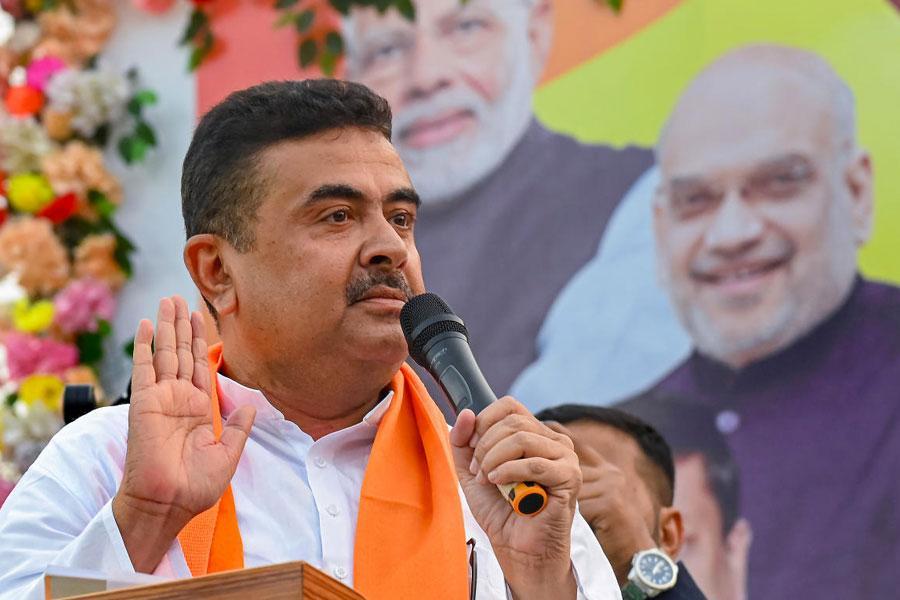
The ongoing BJP worker murder investigation has unveiled a tragic chapter in West Bengal’s political landscape, focusing on the shocking demise of Prashanta Dey, a dedicated BJP volunteer. On June 17, Dey was allegedly murdered by local TMC supporters amidst escalating tensions between party factions, prompting urgent calls for justice. Chief Minister Suvendu Adhikari has taken a decisive stance, directing the West Bengal CID to expedite a custodial trial and ensure that the remaining suspects are apprehended. As the investigation unfolds, with 10 arrests made out of 51 individuals named in the FIR, Adhikari is determined to uphold the rule of law and deliver severe penalties to deter future violence. With the Trinamool Congress under scrutiny, the focus remains on accountability as the state grapples with the fallout from this heinous act, shedding light on the potentially dangerous BJP-Trinamool Congress clash that lies at the heart of this case.
The investigation into the murder of a BJP activist has sparked intense scrutiny and has raised concerns about political violence in West Bengal. This tragic incident, involving the alleged murder of Prashanta Dey, highlights the ongoing tensions between the BJP and its political adversaries, particularly the Trinamool Congress. As authorities delve deeper into the details surrounding Dey’s brutal death, Chief Minister Suvendu Adhikari’s order for a swift custodial trial reflects a commitment to restoring order and justice in a tumultuous political climate. This case not only signifies the alleged collusion of local TMC elements in organized violence but also underscores the evolving landscape of law enforcement’s response to political crimes in the region. As updates on custodial trials continue to emerge, the implications for both party dynamics and the safety of political workers in West Bengal are becoming increasingly apparent.
BJP Worker Murder Investigation: Urgent Actions by the CID
The investigation into the murder of BJP worker Prashanta Dey has taken center stage in West Bengal as Chief Minister Suvendu Adhikari has urged the Criminal Investigation Department (CID) to accelerate judicial proceedings. At a recent meeting at the Bagnan police station, Adhikari emphasized the importance of a swift custodial trial for the arrested suspects, which includes 10 individuals who have already been apprehended out of the 51 named in the FIR. The Chief Minister is adamant that justice must not only be served but expedited, instructing the CID to seek out the remaining accused vigorously. This intense scrutiny reflects the current administration’s pledge to restore law and order following years of alleged complacency under the previous Trinamool Congress (TMC) regime.
The BJP’s focus on this investigation underscores a broader campaign to dismantle the culture of impunity that has reportedly allowed political violence to thrive in West Bengal. Adhikari’s active involvement and directives to the CID mark a significant escalation in the state’s approach to political crime. Allegations against the TMC regarding their involvement in not just disturbing electoral peace but also facilitating violent acts, like that against Dey, are pivotal drivers in the BJP’s narrative of delivering justice and accountability to voters.
To further demonstrate the BJP’s commitment to justice, Adhikari also announced a comprehensive plan of financial assistance and job provision for Dey’s family, including Rs 5 lakh in aid on top of Rs 4 lakh already granted by local authorities. This multifaceted approach to supporting the bereaved family reflects a deliberate attempt to connect with the electorate and showcase the BJP’s resolve to prioritize public safety and welfare. Additionally, it emphasizes the poignant intersection of politics and familial loss, where the state apparatus is now mobilized in a manner that contrasts starkly with past governance.
Furthermore, the establishment of a Special Investigation Team (SIT) to oversee the investigation further corroborates the Chief Minister’s statements about the need for systemic change regarding political violence. As this case develops, the actions taken by the CID under Adhikari’s directives will likely influence public perception of the BJP’s governance and their ability to implement rule of law effectively.
The Political Landscape of West Bengal: BJP vs. TMC Conflict
The ongoing tensions between the Bharatiya Janata Party (BJP) and the Trinamool Congress (TMC) in West Bengal are a continuation of a bitter rivalry that has escalated into violence and murder, as seen in the tragic case of Prashanta Dey. The BJP’s rise to power in the state marks a significant shift in West Bengal’s political dynamics, particularly after a decade and a half of TMC dominance. The murder allegations against TMC leaders have painted the party as one that has disregarded the sanctity of political competition, leading to violent confrontations. This narrative is pivotal as the BJP consolidates its stance as a party of law and order, contrasting sharply with the accusations of disorder that marred the TMC’s previous governance.
Adhikari’s recent statements portraying the TMC as emboldened criminals reflects a strategic move to rally support among constituents who feel neglected or endangered under prior administrations. As the political rivalry heats up, the implications of this clash influence not only electoral sentiments but also the overarching public discourse concerning governance, violence, and accountability. As the investigations unfold, the public eye will likely remain fixated on the outcomes and the broader implications for West Bengal’s political landscape.
In light of these tensions, the BJP is sure to leverage incidents like Dey’s murder to bolster its narrative of needing to restore law and order in West Bengal. Such framing serves a dual purpose; first, it galvanizes party supporters who crave a robust response to political violence, and second, it attempts to sway undecided voters who may feel uncertain about the security and stability of the region under TMC rule. The contrasting enforcement tactics and public support strategies employed by the BJP versus the TMC will undoubtedly shape upcoming elections and possibly affect the legislative agenda focused on crime and justice reform.
Suvendu Adhikari’s Leadership: A New Era for West Bengal
Suvendu Adhikari’s leadership signals a transformative direction for West Bengal, particularly where issues of political violence and justice are concerned. Having recently taken office, Adhikari has prioritized quick action on the murder of BJP worker Prashanta Dey, demanding that the CID expedite their investigations. His involvement in pivotal decisions and open communication regarding the investigation highlights a commitment to not only holding perpetrators accountable but also restoring public faith in the governmental processes. The success of these initiatives could solidify his position and the BJP’s credibility across the state, particularly amid ongoing tensions involving the TMC.
This leadership model embraces a proactive approach where the state is seen as an action-taking body rather than a reactionary one. By publicly addressing the violence and articulating swift measures against it, Adhikari aims to create an impression of vigor and responsiveness, which has been notably absent in historical contexts of political unrest in West Bengal. His directive for a custodial trial—ensuring that suspects remain in detention while facing charges—reflects a commitment to the rule of law, which could redefine political engagement in the state.
Moreover, Adhikari’s intention to introduce a Special Public Prosecutor in the Prashanta Dey case could enhance the rigor of prosecutions, making a statement that the current administration will not tolerate political crime. By making these moves, Adhikari not only seeks justice for Dey but also cultivates an environment where citizens feel secure and politically empowered. This potential shift in governance could lead to a thorough reevaluation of how political dissent is addressed in West Bengal, paving the way for a new era that prioritizes accountability and security.
Impact of Political Violence in West Bengal’s Communities
The impact of political violence on communities in West Bengal cannot be understated, especially in light of the recent tragic murder of BJP worker Prashanta Dey. This incident serves as a stark reminder of the volatile environment that often permeates political contests in the region. Communities, already fractured by their political identities, become further divided when violent acts occur, leading to a pervasive atmosphere of fear and mistrust among residents. The ramifications of such violence extend beyond just the immediate families involved; they resonate throughout neighborhoods, creating an ecosystem where political affiliations dictate social relationships and safety.
As communities seek justice in the wake of such tragedies, the role of law enforcement and the government becomes crucial in restoring order and ensuring safety. The actions taken by the CID under Suvendu Adhikari’s directive, to ensure rapid investigation and trial processes, will not only directly affect those connected to Dey but will also be closely observed by members of the broader community seeking resolve and protection against political violence.
Furthermore, the emotional toll that political violence inflicts on families and communities is significant, leading to long-lasting trauma and distrust towards political systems. For many families, the loss of a loved one to violence not only devastates them but places their safety in question regarding future political engagement. As Adhikari emphasizes the importance of justice and the stringent measures to be enacted against the culprits, it is imperative that these efforts translate into tangible improvements in community safety. Only through sustained efforts can a climate of mutual respect and peaceful political engagement be fostered, where the harrowing experiences of violence do not dictate societal interactions and uphold democratic values.
Judicial Reforms in Response to Political Violence
In light of recent events such as the assassination of BJP worker Prashanta Dey, there has arisen a compelling necessity for judicial reforms in West Bengal. The call for expedient custody trials as emphasized by Suvendu Adhikari lays bare the urgent need for a responsive judiciary that can handle politically motivated crimes with the seriousness they demand. With the CID being tasked to expedite investigations and drive prosecutions, we see an emerging recognition that the last few years of governance arguably failed to address such crimes adequately. Justice must not only be served but also be seen to be served in a timely manner to deter future acts of political violence effectively.
As a result, the government’s pledge to implement rapid judicial processes through the establishment of special teams signifies a proactive approach to reform. By concentrating on custodial trials, the hope is to not only streamline the judicial process but also to inspire public confidence in the judiciary’s ability to protect the interests of all citizens, irrespective of their political affiliations.
These proposed reforms may also catalyze broader criminal justice efforts that involve a systematic review of existing laws governing political offenses, ultimately aiming for a legal framework that is both just and effective in deterring violence. As the BJP under Adhikari’s leadership seeks accountability through law enforcement, there emerges a larger dialogue on the balance between maintaining political order and safeguarding democratic freedoms. Such reforms could redefine West Bengal’s political landscape, moving it toward a more peaceful and just society where the rule of law prevails.
Frequently Asked Questions
What are the latest updates on the BJP worker murder investigation involving Prashanta Dey in West Bengal?
The BJP worker murder investigation concerning Prashanta Dey is currently being overseen by a Special Investigation Team (SIT) from the West Bengal Criminal Investigation Department (CID). Recently, Chief Minister Suvendu Adhikari has directed the CID to expedite the custodial trial and has confirmed that 10 out of the 51 individuals named in the FIR have been arrested. The government is focusing on locating the remaining suspects to ensure justice is served swiftly and efficiently.
| Key Points | Details |
|---|---|
| Suvendu Adhikari’s Directive | West Bengal CM Suvendu Adhikari directed the CID to expedite the trial process for the murder of BJP worker Prashanta Dey. |
| Current Status of Investigation | As of now, 10 of the 51 accused in the FIR have been arrested. |
| Formation of Special Investigation Team | A 10-member SIT from the CID is overseeing the investigation. |
| Financial Assistance to Family | The family of Prashanta Dey has received Rs 5 lakh from the state along with another Rs 4 lakh from the district administration. |
| Background of the Incident | Prashanta Dey, a BJP worker, was allegedly murdered by TMC miscreants after post-poll violence. |
| Prime Accused Status | The main accused, local TMC leader Mafizul Rahman, is still at large. |
Summary
The BJP worker murder investigation has become a focal point in West Bengal politics, highlighting the ongoing tensions between the BJP and the former ruling Trinamool Congress (TMC). The murder of BJP worker Prashanta Dey has ignited demands for swift justice and heightened scrutiny of political violence in the state. Chief Minister Suvendu Adhikari’s commitment to a thorough investigation, along with the establishment of a Special Investigation Team, underscores the seriousness of the allegations and the need for accountability. Emphasizing the urgency of the situation, Adhikari has called for the remaining accused to be brought to justice, voicing concerns over the culture of impunity that has emerged in the state’s political landscape. The provision of financial aid and job opportunities for Dey’s family reflects a governmental response aimed at addressing the socio-economic implications of political violence. As the investigation unfolds, it remains crucial for law enforcement to act decisively to restore faith in the legal system and ensure that similar incidents do not recur.