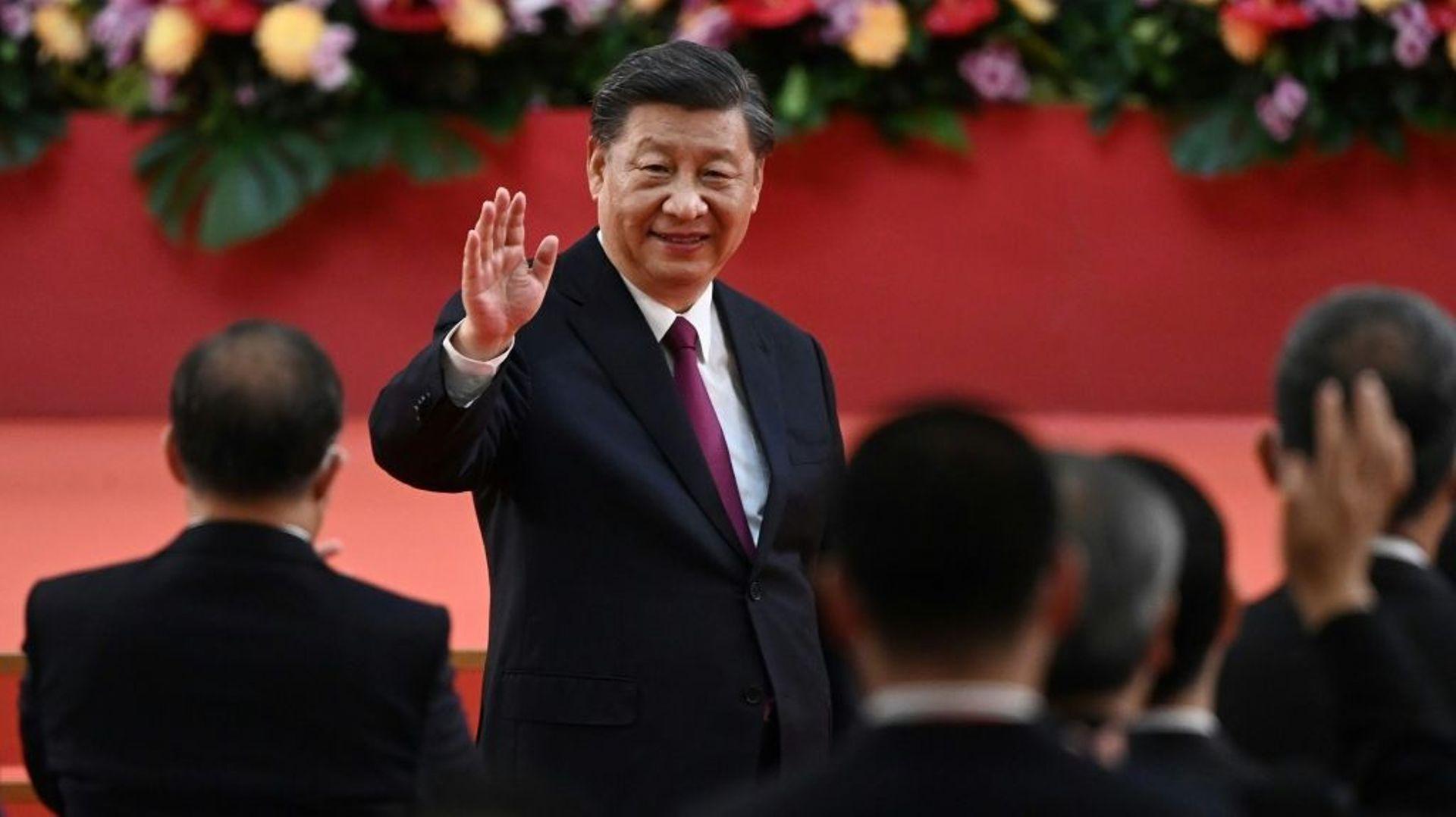
The recent China military purge represents a significant escalation in President Xi Jinping’s ongoing anti-corruption campaign, specifically impacting key figures within the military hierarchy. Notably, six senior military officials, including high-ranking Chinese military generals, have been stripped of their lawmaker positions within the National People’s Congress (NPC), highlighting the regime’s determination to root out corruption from its ranks. This sweeping action is part of a broader trend of political purges in China that aim to reinforce party loyalty and eliminate any perceived threats to Xi’s leadership. The dismissed PLA commanders are not only facing professional consequences but also symbolize the shifting power dynamics within the Chinese military establishment under Xi’s watch. As the anti-corruption drive intensifies, it raises questions about the long-term implications for China’s political landscape and military integrity, especially as allegations of Xi Jinping corruption linger in the background.
In recent developments, the ongoing military reform initiative in China has come to the forefront as the nation’s leadership intensifies efforts to cleanse the armed forces of perceived corruption and disloyalty. This initiative, often characterized by substantial political shake-ups, has led to the systematic removal of several high-ranking military officials and former members of the Politburo. As part of these measures, a number of People’s Liberation Army (PLA) commanders have been dismissed from their posts, an indication of the Chinese government’s commitment to maintaining stringent political and military discipline. Additionally, the National People’s Congress has taken significant action against influential figures to ensure unwavering loyalty to the central leadership. These strategies mirror the historical context of political purges in China, where loyalty to the Communist Party is paramount.
The Implications of Xi Jinping’s Military Purge
Xi Jinping’s recent decision to strip six senior military commanders of their positions within the National People’s Congress highlights the intensifying nature of his anti-corruption campaign, particularly within the military ranks. The dismissal of high-ranking officials like General Xu Xueqiang and General Li Fengbiao is indicative of Xi’s determination to root out corruption and reinforce loyalty among the Chinese military leadership. By targeting influential figures in the People’s Liberation Army (PLA), Xi aims to eliminate any potential dissent that could undermine his authority. This move not only reflects Xi’s focus on high-profile cleansings but also mirrors historical patterns of political purges in China, where the military serves as both a tool of governance and a focal point for political control.
The repercussions of this purge are far-reaching, as it not only disrupts the functioning of the military leadership but also serves as a warning to other potential dissenters within the Communist Party. With the Central Military Commission being pivotal for China’s national defense policy, the removal of these commanders raises questions about the future of military strategy and cohesion. Observation of previous political purges suggests that the impact of such moves extends beyond the immediate loss of personnel; they also create an atmosphere of uncertainty and fear that can stifle innovation and challenge among military ranks.
Understanding Xi Jinping’s Anti-Corruption Campaign
Xi Jinping’s anti-corruption campaign has become one of the cornerstones of his leadership since he ascended to power in 2012. The campaign, which initially targeted party officials but has increasingly focused on military leaders, aims to eradicate entrenched corruption within China’s political and military establishments. The recent dismissal of several PLA commanders underscores Xi’s resolve to regain control and ensure that loyalty to the Party supersedes personal ambition. As Xi elucidates, ‘There must never be room in the military for those half-hearted towards the party, nor any sanctuary for the corrupt,’ signaling that any failure to adhere to this directive could lead to severe repercussions.
The scope of Xi’s campaign extends to various sectors, affecting both civilian and military spheres. Key figures such as Li Yunze, the former head of the National Financial Regulatory Administration, have also faced scrutiny, reflecting a broader strategy to consolidate power and eliminate opposition. This campaign raises questions about the balance of power within the Communist Party, as continuous purges risk alienating factions within the military and government. Ultimately, Xi’s focus on anti-corruption represents not only a fight against graft but an effort to fortify his grip on power amid a complex political landscape.
Recent Changes in the National People’s Congress
The recent changes announced by the National People’s Congress (NPC) reveal significant shifts in China’s political landscape, particularly regarding the removal of influential figures such as Ma Xingrui and Li Yunze. These dismissals, part of a larger pattern of political purges in China, reflect Xi Jinping’s strategy of ensuring that the legislative body remains aligned with his vision of governance. The lack of transparency surrounding the reasons for these removals fuels speculation about the underlying motives and the potential for further upheaval within the ranks of the Communist Party. Such changes often serve as a precursor to more extensive reforms, demonstrating how Xi intends to maintain control over the political narrative.
The implications of these changes extend beyond the immediate loss of political power for the dismissed officials. The removal of high-profile characters from positions within the NPC raises concerns about governance quality and the continuity of policy direction in critical sectors like finance and military oversight. As Xi continues to tighten his grip, these shifts highlight a broader strategy to eliminate potential rivals and reinforce loyalty to the Party apparatus. The ongoing scrutiny and investigations into these officials underline the reality that political survival in China involves not only loyalty but also adherence to Xi’s stringent standards regarding corruption and party fidelity.
Reshaping the Military Landscape in China
Xi Jinping’s stringent anti-corruption measures are reshaping the military landscape in China, fundamentally altering the dynamics of loyalty and accountability within the People’s Liberation Army (PLA). The recent stripping of senior military officials, including several generals from their lawmaker roles, signifies a drastic shift towards consolidating power at the pinnacle of military leadership. With the continued scrutiny of PLA commanders, Xi emphasizes maintaining a military that aligns closely with Communist Party ideologies. This realignment aims to ensure that military leaders are not only competent but also wholly committed to the Party’s objectives.
The process of reshaping the military structure holds significant implications for national security and military policy in China. The frequent changes in high command could lead to instability as new leaders grapple with existing challenges while trying to implement their directives. Observers note that the ongoing anti-corruption campaign could lead to a homogenization of thought within the military, reducing diverse viewpoints that are crucial for sound decision-making in defense matters. Moreover, Xi’s focus on purging military leaders suspected of corruption or disloyalty is a strategic move to bolster national unity and ensure that the armed forces remain fully under the Party’s control.
The Role of the Central Military Commission
The Central Military Commission (CMC) plays a critical role in Xi Jinping’s approach to military governance and the ongoing anti-corruption campaign. As the top military body in China, the CMC oversees the People’s Liberation Army (PLA) and directly influences national defense policy. Recent dismissals of senior military officers affiliated with the CMC illustrate Xi’s desire not only to enforce discipline but also to ensure that key military leaders prioritize loyalty to the Party. The restructuring within the CMC reflects a broader strategy to eliminate any potential threats to Xi’s authority, thereby consolidating his power at the apex of military and political decision-making.
As Xi continues to prioritize military reform and oversight, the function of the CMC evolves to adapt to changing national and international dynamics. The recent removal of high-ranking officers such as General Xu Xueqiang emphasizes the need for leaders within the military to demonstrate unwavering fidelity to Xi’s directives. This environment fosters a culture of compliance, which can stifle dissent but may also lead to strategic miscalculations due to a lack of critical debate. By focusing his anti-corruption efforts on the highest tiers of military leadership, Xi is employing a tactical approach to reshape China’s defense posture, using the CMC as the cornerstone of his governance strategy.
Xi’s Leadership Style and Its Implications
Xi Jinping’s leadership style has become define distinctly by a fusion of assertiveness and a relentless anti-corruption campaign. His approach emphasizes top-down control, evident in his systematic purges of high-ranking officials across both the military and political spectrums. Xi’s determination to root out corruption has reshaped the norms of governance in China, signaling to both allies and rivals that dissent will not be tolerated. This authoritarian style not only consolidates his power but also serves as a warning to others in the Communist Party about the potential consequences of disloyalty.
The implications of Xi’s leadership approach extend into various aspects of Chinese society, from governance to economic strategies. As he tightens his grip on power, the uncertain future of leadership dynamics within the Communist Party raises questions about collective decision-making and the potential for future reforms. Critics argue that Xi’s focus on personal loyalty over meritocracy could lead to inefficiencies and a lack of innovative thinking. Nevertheless, Xi’s continued emphasis on combating corruption illustrates his commitment to asserting control, particularly in an era marked by complex domestic and global challenges.
Maintaining Military Readiness Amidst Political Strife
Turkey’s concerns about military readiness amid ongoing political strife have never been more pronounced. The current reshuffle of top military commands within the People’s Liberation Army (PLA) can potentially distract from critical responsibilities related to defense preparedness. The abrupt removal of several senior military officers signals that political loyalty may be prioritized over operational capability, which can raise alarms about the strength and readiness of China’s military forces. Historically, political purges can disrupt command structures, leading to a vacuum of experience and strategic insight necessary for a country’s defense.
Furthermore, in the context of rising tensions in the South China Sea and Taiwan Strait, maintaining a stable and effective military leadership is non-negotiable. Xi Jinping’s approach to military governance should ideally ensure that the PLA remains capable of responding to regional challenges while simultaneously navigating the complexities introduced by ongoing anti-corruption initiatives. As the military landscape transforms, the risk associated with leadership changes could translate into operational delays and indecisiveness on crucial defense matters. Therefore, balancing political loyalty and military effectiveness is vital for Xi as he seeks to strengthen China’s position on the global stage.
The Future of the Chinese Military Under Xi Jinping
The future of the Chinese military under Xi Jinping appears to be one of stringent oversight and increased loyalty to the Communist Party. As Xi’s anti-corruption campaign continues to reshape the ranks of the People’s Liberation Army (PLA), it remains to be seen how these changes will affect the military’s ability to confront rising geopolitical challenges. A focus on loyalty over experience may alter decision-making processes within the military, potentially leading to outcomes that prioritize allegiance to the Party rather than strategic effectiveness. The ongoing reshuffles serve to reinforce Xi’s leadership style, but they may also jeopardize the military’s operational readiness in the face of external pressures.
Moreover, as the military undergoes continuous restructuring, the effects on personnel morale and recruitment could also be significant. The elimination of potential dissenters and the imposition of loyalty tests could deter individuals from taking risks or innovating within their roles. This could ultimately impact the PLA’s adaptability and responsiveness in a rapidly changing security environment. Ultimately, Xi Jinping’s focus on cultivating unwavering loyalty within the military could create an institution that mirrors his governance style—centralized, controlled, yet potentially lacking in diversity of thought essential for robust military strategy.
Frequently Asked Questions
What does Xi Jinping’s military purge entail regarding the Chinese military generals?
Xi Jinping’s military purge involves the removal of several high-ranking officials within the People’s Liberation Army (PLA) as part of a broader anti-corruption initiative. Recently, six senior military officers, including prominent generals, were stripped of their positions as lawmakers in the National People’s Congress (NPC). This action highlights the ongoing emphasis on rooting out corruption within the Chinese military establishment, reflecting Xi’s commitment to maintaining loyalty and discipline among military leaders. The purged generals were not only significant within the PLA but also indicated the extensive reach of Xi’s political purges in China.
| Position | Name | Reason for Removal |
|---|---|---|
| General | Xu Xueqiang | Head of Equipment Development Department; involved in military investigations. |
| General | Li Fengbiao | Political commissar of PLA Western Theatre Command; potential investigation. |
| General | Guo Puxiao | Political commissar of the PLA Air Force; further investigations expected. |
| Lieutenant General | Wang Kangping | Of the Eastern Theatre Command; absence from a key meeting raised suspicions. |
| Lieutenant General | Zhang Minghua | Cyberspace Force commander; involvement in anti-corruption investigations. |
| Lieutenant General | Yin Hongxing | Army commander; under speculation due to absence from inspections. |
| Former Politburo member | Ma Xingrui | Former Xinjiang Party chief; under investigation since April. |
| Former Financial Regulator | Li Yunze | Profile removed before successor appointed; involved in anti-corruption drive. |
Summary
The recent developments regarding the China military purge have highlighted significant shifts within the ranks of the People’s Liberation Army (PLA) and the Communist Party. As President Xi Jinping intensifies his anti-corruption campaign, the removal of six prominent generals along with high-ranking officials underscores his commitment to rooting out corruption within China’s military and political establishment. This purge is emblematic of Xi’s broader strategy to consolidate control over the military, ensuring loyalty, and eliminating any potential dissenting voices. The implications of such drastic measures resonate beyond the military, as they also affect China’s political landscape, reflecting a growing trend of accountability at the highest levels of governance. The ongoing anti-corruption drive initiated by Xi underscores the complexities of leadership dynamics within China as it continues to evolve, navigating both internal challenges and international scrutiny.