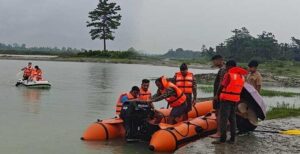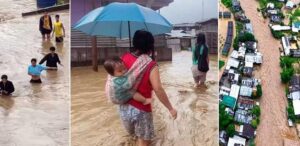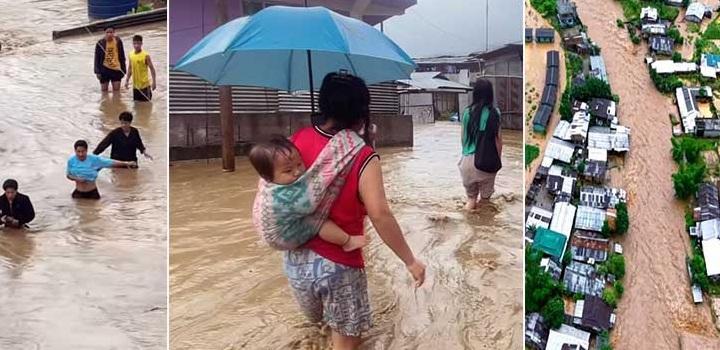
The recent Arunachal flash floods have wreaked havoc in the region, claiming one life and leaving four others missing. Triggered by an overwhelming 95.2 mm of rainfall in Geyzing over a 24-hour period, the uncontrolled waters led to widespread devastation and triggered multiple landslides that have severely obstructed key roadways. The Arunachal Pradesh administration, alongside police and both State and National Disaster Response Forces, has mobilized search and rescue operations to locate the missing individuals and clear the debris. Unfortunately, these tragic flash floods are becoming increasingly common in the state, highlighting the urgent need for addressing the underlying vulnerabilities associated with monsoon flooding in Arunachal. As authorities assess the aftermath, the focus remains on providing aid to those affected and preventing further loss of life.
In the wake of catastrophic flooding events in Geyzing, the term “Arunachal flash floods” encapsulates a growing crisis characterized by sudden and severe inundation. These monsoon-induced floods, often compounded by landslides in Arunachal Pradesh, underline the precarious balance communities maintain with nature. As search and rescue efforts intensify to recover lost individuals and restore vital infrastructure, the challenges of recurrent flooding reveal the need for improved emergency response strategies. With multiple agencies engaged in flash flood rescue operations, the resilience of the affected residents is tested once more. The ongoing environmental shifts demand a holistic approach to disaster management and infrastructure development to safeguard against future flooding disasters.
The Impact of Arunachal Flash Floods on Local Communities
The recent flash floods in Arunachal Pradesh have had devastating repercussions on local communities, particularly within the Keyi Panyor district. In a tragic turn of events, one individual has lost their life, and four others remain missing, prompting urgent search and rescue operations. Despite the coordinated efforts of local authorities, police, and dedicated rescue teams like the SDRF and NDRF, the aftermath of these floods continues to challenge both personnel and affected residents. Communities are grappling not only with the immediate effects of the floods but also with the psychological toll of such disasters.
Geyzing, which recorded significant rainfall, is now at the center of the crisis. As search parties comb through the debris in hopes of locating the missing individuals, the community stands united in grief and support for one another. The flooding has also posed threats to infrastructure, particularly in regions where landslides have blocked crucial routes. These flash floods spotlight the urgent need for comprehensive disaster management strategies in Arunachal Pradesh to mitigate similar occurrences during monsoon seasons in the future.
Monsoon Flooding in Arunachal: Causes and Consequences
Monsoon flooding in Arunachal Pradesh is a recurring issue exacerbated by heavy rainfall patterns typical of the region. The recent incident in Geyzing was triggered by an extraordinary 95.2 mm of rain within 24 hours, leading to widespread landslides and disruption of vital roads. The excessive water has softened the earth, contributing to sizable landslides on the Geyzing–Legship road, increasing the risk of further disasters. The impact on transportation has severe implications for the movement of goods and emergency services, highlighting the vulnerability of the area’s infrastructure during heavy rains.
Experts have indicated that the confluence of steep terrain and monsoon rains creates a volatile environment for flooding and landslides. Locals have long expressed frustration over the lack of permanent restoration measures from authorities, leaving them susceptible to annual flooding disasters. Many believe that addressing these infrastructural deficiencies and improving emergency preparedness is crucial to reducing future risks, making it essential for government agencies to prioritize long-term solutions over temporary fixes.
Search and Rescue Operations: A Community Effort
In the wake of the recent Arunachal flash floods, search and rescue operations have mobilized an impressive response from the community and government sectors. Initiated shortly after the disaster, these operations signify the commitment of local administration and emergency services to ensure the safety of their residents. With agencies working together, efforts have intensified to locate the missing persons, including Elesh Marak, Baleri Marak, Tao Angina, and Sourav Kumar. Such community-driven missions during crises reinforce a sense of solidarity and resilience among locals.
Search and rescue teams, including SDRF and NDRF, have utilized available resources to navigate the challenging conditions brought on by landslides and road blockages. The clearing of debris from affected roadways has been prioritized to facilitate quick access to areas in distress. Furthermore, community members have rallied, providing support to rescue workers and aiding in the search for individuals trapped by the flooding, showcasing the strength of collective action in the face of adversity.
Geyzing Rainfall and Its Consequences
The torrential rainfall in Geyzing has been a double-edged sword, triggering both necessary agricultural hydration and catastrophic flooding. The recorded 95.2 mm of rainfall not only overwhelmed the region but also instigated landslides that critically interrupted transportation networks. These factors compounded the issues faced by residents, as many were left stranded and in need of urgent assistance. The local administration’s acknowledgment of Geyzing’s rainfall underscores the need for better management practices to balance agricultural needs with disaster preparedness.
Additionally, the heavy rains serve as a stark reminder of the vulnerability of Arunachal Pradesh’s topography. The region’s geographical features can exacerbate flooding, leading to an urgent call for infrastructural investments that address these specific vulnerabilities. As communities look to recover, understanding the dual nature of monsoon rainfall is vital for future planning and development, ensuring that measures are put in place to cope with both the benefits and hazards of such weather patterns.
The Role of Infrastructure in Disaster Management
Infrastructure plays a critical role in disaster management, particularly in areas like Arunachal Pradesh that are prone to flash floods and landslides. The recurring disruptions along the Geyzing–Legship road due to seasonal rains highlight significant gaps in current infrastructure planning and maintenance. Without a reliable network of roads and emergency access routes, communities face increasingly difficult challenges during disasters. The existing road closures have proven that when infrastructure fails, so does the ability to respond quickly to emergencies.
Authorities must prioritize the upgrading and maintenance of key routes to withstand the forces of nature. Long-term infrastructure projects alongside effective disaster response training for local communities will mitigate the effects of future flooding events. Policymakers should consider incorporating resilient designs and technologies into road construction and maintenance, ultimately transforming infrastructure from a liability into a vital asset for disaster preparedness.
Community Resilience and Recovery Post-Flooding
The resilience exhibited by communities in Arunachal Pradesh during and after the flash floods speaks volumes about their strength and solidarity. As residents come together to support each other, the focus shifts towards recovery and rebuilding. Participating in clean-up efforts and sharing resources highlights a communal spirit that is essential for recovery. Families affected by the floods grapple not only with the loss of property but also with emotional trauma, making it crucial for community leaders to facilitate mental health support and peer assistance.
Recovery is not just about physical rebuilding; it involves re-establishing social networks and restoring a sense of normalcy within communities. As Geyzing navigates the aftermath of the floods, local organizations and government agencies must work hand in hand to ensure that those impacted have access to essential services and rebuilding resources. Collaborative recovery efforts will lay the groundwork for a stronger, more prepared community to face future challenges.
Government Response to Monsoon Emergencies
The government response to monsoon emergencies in Arunachal Pradesh, specifically following the devastating flash floods, is critical to community safety and long-term recovery. The coordination among local authorities, the police, and emergency services underscores the importance of prompt action during disasters. This incident showcases the need for well-established emergency frameworks that integrate local and national resources for rapid response. The involvement of agencies like the SDRF and NDRF enhances the effectiveness of search and rescue operations, ensuring that affected individuals are reached swiftly and safely.
Additionally, increasing transparency and communication from government bodies can significantly improve public confidence during emergency situations. By continually updating residents on the status of rescue operations and resource availability, authorities can foster trust and cooperation within communities. Future governmental strategies should focus on enhancing preparedness measures, ensuring that resources are allocated efficiently to manage monsoon flooding more effectively, thereby mitigating the impact of future disasters.
Need for Sustainable Development Practices in Arunachal
The recurring nature of flash floods and landslides in Arunachal Pradesh calls for an urgent shift towards sustainable development practices. The mismanagement of land and resources contributes significantly to environmental degradation, which subsequently amplifies the effects of natural disasters. By adopting sustainable practices, such as afforestation, effective waste management, and responsible urban planning, the region can enhance its resilience against monsoon floods. These practices not only safeguard communities but also promote the preservation of Arunachal Pradesh’s rich biodiversity.
Furthermore, engaging local communities in sustainable development initiatives can create innovative solutions to mitigate disaster risks. Education and awareness programs aimed at understanding environmental impacts can empower residents to participate actively in protecting their surroundings. As the state witnesses increasing weather fluctuations, it is imperative that development strategies prioritize both growth and ecological balance, forming a protective shield against devastating flooding events.
Lessons Learned from Recent Flooding Events
The recent flooding events in Arunachal Pradesh offer a valuable opportunity for learning and improvement. Understanding the causes behind the flooding, including the role of heavy rainfall in Geyzing and subsequent landslides, is crucial for future preparedness. These lessons emphasize the need for comprehensive risk assessments and the establishment of protocols that can be easily activated in times of disaster. By analyzing what has transpired, stakeholders can develop targeted disaster response strategies that minimize risks and improve outcomes.
Moreover, the recent events should encourage collaborations among different sectors — including government, non-profits, and local businesses — to create a cohesive disaster management framework. Engaging these diverse stakeholders can lead to a more robust recovery plan that addresses immediate needs while investing in long-term resilience. These collective lessons, derived from tragedy, should inspire future action towards a safer and prepared Arunachal Pradesh.
Frequently Asked Questions
What caused the recent Arunachal flash floods and landslides in Geyzing?
The recent Arunachal flash floods and landslides in Geyzing were triggered by heavy rainfall, which recorded 95.2 mm in just 24 hours. This substantial downpour caused multiple landslides, disrupting road connectivity and leading to significant emergencies in the region.
What are the ongoing search and rescue operations for victims of the Arunachal flash floods?
Authorities in Arunachal Pradesh have launched extensive search and rescue operations to locate missing individuals following the recent flash floods. Search parties are actively looking for four individuals: Elesh Marak, Baleri Marak, Tao Angina, and Sourav Kumar, while one body has been recovered.
How can I stay updated on the effects of monsoon flooding in Arunachal Pradesh?
To stay updated on monsoon flooding in Arunachal Pradesh, including the recent flash floods in Geyzing, it is recommended to follow official government updates via the India Meteorological Department (IMD) and local news channels, as well as checking social media platforms for real-time information.
What emergency measures are in place for flash flood rescue operations in Arunachal Pradesh?
In Arunachal Pradesh, flash flood rescue operations involve coordination between local administration, police, and specialized rescue forces like the State Disaster Response Force (SDRF) and National Disaster Response Force (NDRF). They mobilize equipment and personnel to conduct search operations and clear debris in affected areas.
What are the long-term solutions for preventing landslides during the monsoon in Arunachal?
Despite ongoing discussions, long-term solutions for preventing landslides in Arunachal Pradesh, particularly on critical routes like Geyzing–Legship, have yet to be implemented. Authorities are urged to review infrastructure maintenance and invest in effective erosion control and drainage management to reduce future risks.
Can residents prepare for future flash floods and landslides in Arunachal Pradesh?
Residents in Arunachal Pradesh can prepare for future flash floods and landslides by staying informed about weather forecasts, having emergency kits ready, and developing evacuation plans. Community awareness programs about disaster preparedness offered by local authorities can also play a crucial role.
What impact do flash floods have on road connectivity in Arunachal Pradesh?
Flash floods significantly impact road connectivity in Arunachal Pradesh, leading to landslides that can cut off vital routes like the Geyzing–Legship road. This interruption affects the movement of people, goods, and emergency services, prompting urgent responses from government authorities to restore access.
What role does the Public Works Department play in managing landslides and flood impact in Arunachal?
The Public Works Department is crucial in managing landslides and flood impacts in Arunachal Pradesh, responsible for maintaining road infrastructure and implementing preventative measures. However, concerns have been raised regarding the adequacy of their actions to address recurring issues, especially during the monsoon season.
| Key Point | Details |
|---|---|
| Situation Overview | Flash floods in Arunachal Pradesh on June 25, 2026, led to 1 death and several missing. |
| Rescue Operations | Search and rescue operations started in Geyzing’s Keyi Panyor district involving police and SDRF. |
| Victims | Deceased: Nirmala Gupta; Missing: Elesh Marak, Baleri Marak, Tao Angina, Sourav Kumar. |
| Rainfall and Landslides | Geyzing recorded 95.2 mm of rain causing landslides and disrupting road connectivity. |
| Road Condition | Key points like Geyzing–Legship road are severely disrupted with debris blocking traffic. |
| Concerns | Recurrent landslides due to lack of permanent solutions despite discussions with authorities. |
| Alternative Routes | No alternative routes available, making the Geyzing–Legship road critical for the district. |
Summary
Arunachal flash floods have wreaked havoc in Geyzing, leading to tragic loss of life and significant infrastructural damage. The recent floods, intensified by substantial rainfall, underscored the urgent need for effective disaster management and infrastructure resilience in the region. With ongoing search and rescue operations highlighting the precarious situation, immediate attention is required to address the underlying issues causing frequent landslides and road blockages. Authorities must prioritize implementing long-term solutions to safeguard the lives of residents and ensure the reliability of critical transportation routes.