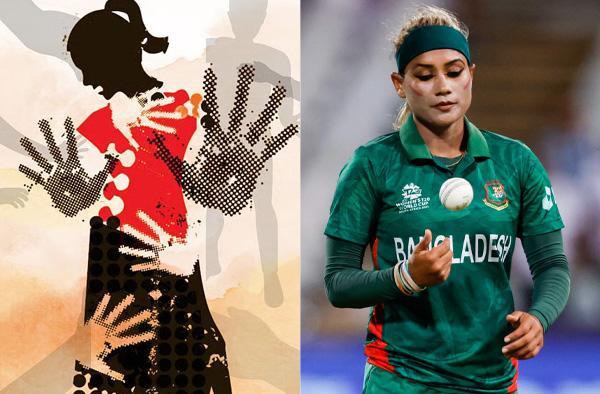
Meghalaya women’s cricket sexual harassment has emerged as a pressing issue in the sports community, prompting significant action from the Meghalaya Cricket Association (MCA). In a decisive move, the MCA has enacted a lifetime ban on both the coach and manager of the U-23 women’s cricket team following a substantiated sexual harassment case against them. This ban comes after the Meghalaya State Commission for Women (MSCW) ordered immediate disciplinary measures, condemning the MCA for previously ignoring serious complaints lodged in December 2025. Moreover, the controversy extended to the suspension of the MCA’s honorary secretary, raising critical questions about women’s safety in sports and the accountability of sports organizations. As the fallout continues, this scandal highlights the urgent need for effective mechanisms to address sexual harassment in sports and protect athletes from such intolerable behavior.
The recent scandal surrounding the Meghalaya U-23 women’s cricket team underscores a broader issue of misconduct in athletics, particularly regarding female participants. Allegations of sexual harassment in sports not only jeopardize the safety of athletes but also reflect systemic failures within organizations like the Meghalaya Cricket Association. The case has brought to light the lack of proper oversight mechanisms, including the absence of an Internal Complaints Committee mandated by law. The response to these allegations is critical, as it sets a precedent for how sports authorities handle sensitive cases in the future. In an era where women’s rights in sports are gaining momentum, the urgent call for action against harassment offers a pivotal opportunity for reform.
Sexual Harassment in Meghalaya Women’s Cricket: A Case for Accountability
The recent developments concerning sexual harassment within the Meghalaya women’s cricket community have underscored the urgent need for accountability and transparency within the sports sector. Following the lifetime bans imposed on the U-23 women’s cricket team coach and manager, the Meghalaya Cricket Association (MCA) finds itself in the spotlight, forced to answer for its previous lapses. Reports indicate that complaints about the alleged harassment were raised back in December 2025, but officials within the MCA neglected to address these serious concerns promptly. This delay has resulted in severe consequences, primarily affecting the young athletes who deserve a safe and supportive environment to excel in their sport.
In light of these events, the Meghalaya State Commission for Women (MSCW) has called for disciplinary action not only against the implicated individuals but also against MCA officials for their inaction. The failure to establish an Internal Complaints Committee, as mandated by law, has raised eyebrows and prompted calls for reform within the organization. Current MCA president James P.K. Sangma acknowledged this oversight and has vowed to form such a committee swiftly. This step is crucial in restoring trust among players and parents alike, as it signifies the MCA’s commitment to prioritizing safety and integrity in women’s cricket.
The Impact of Meghalaya U-23 Women’s Cricket Team Bans on Future Coaching
The lifetime bans placed on the coach and manager of the Meghalaya U-23 women’s cricket team represent a significant turning point in the governance of sports programs in the region. By establishing strict consequences for misconduct, the MCA seeks to foster a culture of respect and safety that not only protects players but also sets a precedent for coaches and management. This step is particularly crucial given the historical neglect surrounding the issue of sexual harassment in sports, a concern that has appeared repeatedly across various athletic disciplines. Moving forward, these bans may act as a deterrent against future misconduct and encourage accountability among coaching staff.
However, the impact of these bans extends beyond immediate accountability; it highlights the need for comprehensive training and monitoring systems within sports organizations. Coaches must not only possess technical expertise but also embody ethical standards and promote an environment where players feel safe to voice their concerns. The MCA’s commitment to correcting its past mistakes indicates a willingness to learn and evolve, which could help bolster the morale within women’s cricket and create a pathway for progressive change that champions the safety and development of female athletes.
Addressing the Absence of Internal Complaints Committees in Sports Organizations
The glaring absence of Internal Complaints Committees (ICCs) within organizations like the Meghalaya Cricket Association (MCA) highlights a critical gap in the safeguards for athletes, especially women. The Prevention of Sexual Harassment Act mandates the establishment of such committees to address grievances and provide a structured process for reporting harassment. The failure of the MCA to implement this vital framework has contributed significantly to the environment of fear and silence surrounding allegations of misconduct. Moving forward, establishing ICCs should be treated as a priority by all sports governing bodies to ensure a supportive landscape for all athletes.
Moreover, the formation of an ICC is beneficial not only for ensuring compliance with legal mandates but also for fostering a culture of openness and respect. Athletes should feel empowered to report incidents without fear of retaliation or dismissal. The MCA’s recent commitment to establishing such a committee is a response to the urgent needs of players and a necessary step in addressing the systemic issues of sexual harassment in sports. As other sporting bodies observe the MCA’s progress, it is crucial for them to take similar initiatives to protect their athletes and uphold ethical standards in sports.
Long-term Strategies for Ensuring Women’s Safety in Sports
Ensuring women’s safety in sports necessitates the implementation of long-term strategies that go beyond punitive measures for misconduct. It involves creating educational programs and workshops designed to raise awareness about harassment and the importance of maintaining ethical standards among coaches and players alike. By engaging all stakeholders, from governing bodies to grassroots organizations, initiatives can be tailored to address the specific challenges faced by women in sports. Collaboration between sports authorities and advocacy groups can further enhance these efforts, providing resources and support mechanisms that empower female athletes.
Additionally, continuous monitoring and evaluation of coaching practices and the organizational culture within sports associations are essential for sustaining a safe environment. Encouraging anonymous reporting tools and regular training on handling disputes can contribute greatly to dismantling the stigma surrounding such issues. The recent actions taken by the Meghalaya Cricket Association set a precedent for other organizations to follow; however, the real progress will come through sustained commitment and a holistic approach to athlete safety that fosters an inclusive and respectful environment for all.
Role of the Meghalaya State Commission for Women in Sports Governance
The Meghalaya State Commission for Women (MSCW) has played a pivotal role in highlighting the issues of misconduct and advocating for the rights and safety of female athletes in the region. Their intervention in the case of the Meghalaya U-23 women’s cricket team underscores their commitment to addressing not only individual complaints but also systemic problems within sports governance. By demanding accountability from the Meghalaya Cricket Association and other officials, the MSCW is pushing for a cultural shift towards transparency and responsibility in sports, ultimately benefiting players and promoting a more equitable environment.
The MSCW’s recommendation for disciplinary actions against cricket officials emphasizes the necessity of oversight in sports institutions. Their involvement sets a standard for future interactions between sporting bodies and regulatory authorities, potentially serving as a model for other regions facing similar challenges. By actively engaging in the dialogue about women’s safety and rights within sports, the MSCW is not only safeguarding athletes but also driving a broader societal change that encourages respect and integrity across all walks of life.
Consequences of Ignoring Sexual Harassment Complaints in Sports
The repercussions of neglecting sexual harassment complaints can have far-reaching effects on individual athletes and the sports community as a whole. For the young women in Meghalaya’s U-23 cricket team, the delayed response to their allegations resulted in emotional and psychological distress, raising concerns about their mental health and overall well-being. Ignoring such serious complaints not only diminishes the integrity of the sport but also perpetuates a culture of silence that allows misconduct to thrive unchecked. Players must be assured that their voices will be heard and valued, which is essential for nurturing talent and developing the sport.
Furthermore, the failure to address harassment allegations can damage the reputation of the organizations involved. The MCA’s previous inaction has drawn significant scrutiny, highlighting the importance of building trust with athletes and their families. If sports governing bodies wish to retain their credibility and attract talent, they must prioritize athlete welfare and respond promptly to any form of misconduct. Implementing robust mechanisms for reporting and addressing grievances is integral to transforming the culture of sports into one that champions safety, respect, and empowerment for women athletes.
Creating Awareness About Sexual Harassment in Sports
Awareness is a crucial first step in combating sexual harassment in sports, particularly in regions like Meghalaya where such discussions may have been historically sidelined. Educational initiatives focused on both male and female athletes can help demystify the issues surrounding harassment, encouraging dialogue and understanding of personal boundaries and respect. Workshops, seminars, and informational campaigns can play a vital role in informing players, coaches, and officials about the implications of their actions and the legal frameworks that protect athletes from harassment. Raising awareness will foster a more conscious and sensitive community within sports.
In addition, involving parents and guardians in these discussions can amplify the message and create a more supportive environment for young athletes. By informing families about their rights and the resources available to them, stronger connections can be forged between home and sporting institutions. This openness encourages players to feel secure when discussing their experiences, thereby improving overall reporting rates and ensuring that issues are addressed swiftly. The fight against sexual harassment in sports requires collective effort and vigilance, making awareness a critical element of long-lasting change.
Encouraging Safe Spaces for Female Athletes in Meghalaya
Establishing safe spaces for female athletes is instrumental in fostering a positive environment for participation in sports like cricket. This includes creating platforms where athletes can freely discuss their experiences, seek assistance, and report grievances without fear of retaliation. Community engagement through the involvement of local organizations, schools, and sports clubs can promote a culture that values the contributions of women in sports and advocates for their protection. Safe spaces are vital to ensuring that young athletes feel secure and supported, enabling them to focus on their performance and personal growth.
Moreover, these safe spaces should not only be physical locations but also encompass a supportive network that includes mentors, coaches, and former athletes who can guide and advise young players. By establishing these connections, female athletes in Meghalaya can find role models and champions who understand their challenges and advocate for their well-being. Such initiatives can lead to a more diverse and vibrant sporting culture where women feel encouraged to nurture their talents, paving the way for future generations of athletes to thrive in a safe and respectful environment.
Frequently Asked Questions
What actions did the Meghalaya Cricket Association take regarding the U-23 women’s cricket team sexual harassment case?
The Meghalaya Cricket Association (MCA) imposed a lifetime ban on the U-23 women’s cricket team coach and manager due to confirmed sexual harassment allegations against them. This decision was made following an order from the Meghalaya State Commission for Women (MSCW) that also highlighted the MCA’s lack of action despite existing complaints.
How did the Meghalaya State Commission for Women respond to the sexual harassment complaints in women’s cricket?
The Meghalaya State Commission for Women (MSCW) took decisive action by confirming the sexual harassment allegations against the coach and manager of the U-23 women’s cricket team. They criticized the Meghalaya Cricket Association for failing to conduct a timely inquiry and urged disciplinary measures against MCA officials for ignoring the complaints.
What is the significance of establishing an Internal Complaints Committee in the Meghalaya Cricket Association post-sexual harassment allegations?
Establishing an Internal Complaints Committee is crucial for the Meghalaya Cricket Association to comply with the Prevention of Sexual Harassment Act, ensuring that future complaints regarding women’s safety in sports are properly addressed. The absence of such a committee was identified as a major lapse in the MCA’s response to previous harassment complaints.
What consequences are expected for the former officials of the Meghalaya Cricket Association involved in the harassment case?
Former officials of the Meghalaya Cricket Association, including the secretary who allegedly suppressed harassment complaints, are likely to face legal actions as the current MCA leadership has committed to cooperating with any investigations against them post the MSCW’s findings.
What measures are being taken to prevent future sexual harassment incidents in Meghalaya women’s cricket?
To prevent future incidents of sexual harassment in Meghalaya women’s cricket, the MCA has promised to expedite the formation of an Internal Complaints Committee and to strictly inform other state cricket bodies about the lifetime bans imposed on the dismissed coach and manager.
What role did the Meghalaya Cricket Association’s leadership play in the sexual harassment case?
The leadership of the Meghalaya Cricket Association faced criticism for failing to act on sexual harassment complaints. The current president, James P.K. Sangma, acknowledged previous lapses and highlighted that the newly established executive body was not informed about existing complaints, indicating a need for improved governance and accountability.
| Key Points |
|---|
| On June 26, 2026, the Meghalaya Cricket Association (MCA) banned the Under-23 women’s cricket team coach and manager for life following sexual harassment allegations. |
| The decision was made in response to findings from the Meghalaya State Commission for Women (MSCW). |
| MCA president James P.K. Sangma acknowledged failings in addressing earlier complaints dating back to December 2025. |
| An honorary secretary was also suspended for allegedly covering up the complaints. |
| The MSCW condemned MCA for its lack of inquiry and failure to protect the athletes. |
| Absence of an Internal Complaints Committee was noted as a significant omission by the MCA, which is required by the Prevention of Sexual Harassment Act. |
| Future cooperation with legal proceedings involving dismissed officials has been promised. |
| The MCA will notify other cricket associations about the bans to prevent future employment of the involved individuals. |
Summary
Meghalaya women’s cricket sexual harassment has been a pressing issue highlighted by the recent lifetime bans imposed by the Meghalaya Cricket Association on its Under-23 women’s team coach and manager. The swift action following complaints showcases the importance of addressing sexual harassment within sports organizations. This case serves as a critical reminder of the need for protective measures and accountability in sports, ensuring safe environments for athletes.