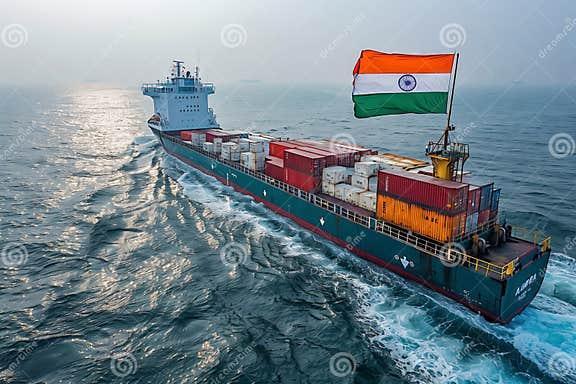
The Strait of Hormuz shipping route plays a pivotal role in global trade, as it serves as a key passage for vessels navigating between the Indian Ocean and the Persian Gulf. Over the past 72 hours, nine ships, including four Indian-flagged vessels, have successfully transited this crucial maritime corridor, underscoring its importance amidst rising geopolitical tensions. With the ongoing Iran-US conflict impacting maritime security, the flow of cargo traffic through this strait remains a focal point of interest. Since February 28, a total of 44 vessels carrying goods destined for India have traversed these waters, reflecting the resilience of shipping routes despite the volatile environment. As tensions escalate, the strategic significance of the Strait of Hormuz for Indian flagged vessels and international shipping only intensifies.
Navigating through the narrow Strait of Hormuz is an essential aspect of maritime logistics for various shipping lines, especially those operating specialized fleets like Indian flagged vessels. This vital waterway is not only a choke point for oil shipments but also for other vital cargo transits to and from the rich economic zones of the Persian Gulf. The current geopolitical climate, characterized by the ongoing tensions between Iran and the US, has placed additional scrutiny on these routes. Observers note that the surge in maritime activities through the strait is indicative of the crucial nature of these shipping lanes, where many bulk carriers and tankers find their direct passage despite economic uncertainties. Overall, the strategic importance of the Strait of Hormuz cannot be overstated, as it remains a critical junction for global cargo flows and energy supplies.
Importance of the Strait of Hormuz for Global Shipping
The Strait of Hormuz serves as a critical chokepoint for international shipping, particularly in relation to the import and export of oil and gas. Approximately 20% of the world’s petroleum passes through this narrow waterway, making it essential for global energy security. The strategic significance is amplified by ongoing geopolitical conflicts in the region, which can impact shipping routes and cargo traffic. As tensions rise, navigation through the Strait of Hormuz can become more complex, necessitating improved awareness and preparation by shipping companies and national governments.
Recent events have illustrated the precarious nature of shipping through the Strait of Hormuz. With incidents of military engagement between Iran and its adversaries, including the US, shipping lanes have been affected profoundly. Shippers must remain vigilant and adaptable, ensuring that their vessels, including Indian flagged vessels and others, are equipped for safe passage. The sharp rise in the number of vessels, including bulk carriers and oil tankers, indicates that despite risks, the flow of cargo continues, reaffirming the Strait’s role as a vital link in global maritime trade.
Current Trends in Persian Gulf Transits
As of late, there has been a notable increase in the volume of ships transiting the Persian Gulf, particularly those flagged from India. A recent report indicates that 44 ships carrying cargo intended for India have successfully navigated through the Strait of Hormuz in just the past few weeks. This spike in activity showcases the resilience of Indian shipping operations amid challenging geopolitical climates, where the safety of cargo traffic becomes paramount. Not only are vessels like the APJ Priti 2 moving essential goods such as fertilizers, but a mix of energy cargo vessels and crude oil tankers is also making its way through these treacherous waters.
Furthermore, the aftermath of the Iran-US conflict highlights the evolving dynamics of maritime logistics in the region. Post the signing of the Memorandum of Understanding (MoU), vessels have displayed a surge in crossings, reaffirming the importance of diplomatic engagements in fostering safe shipping routes. With 15 ships, predominantly with cargo destined for India, currently awaiting passage, the trends suggest a robust recovery and adaptability within shipping lanes, reflecting a resilient cargo traffic system. The patterns of movement witnessed not only affect specific shipping companies but also hint at broader implications for regional trade stability.
Navigating the Challenges in the Strait of Hormuz
Navigating through the Strait of Hormuz has become increasingly challenging due to heightened military tensions. The precedent set by the US strikes on Iranian positions has undoubtedly altered the operational landscape for shipping companies. With four Indian-flagged vessels and additional foreign ships navigating the strait, the imperative for security and risk management has never been more pronounced. Companies are prompted to assess new routes, potential naval escorts, and enhanced communication with naval authorities to ensure a safe passage through this vital maritime corridor.
Moreover, as vessels such as the Desh Suraksha and Prabhu Parvati transit the strait, the impact of geopolitical events on transit times and shipping costs is an important consideration. Delays and rerouting due to security threats can affect supply chains significantly. Combined with the fact that local shipping agencies are often forced to adapt quickly, this situation can create uncertainty within the shipping sector. Understanding these dynamics is crucial for stakeholders involved in maritime logistics, guaranteeing that they are adequately prepared for both the risks and the opportunities presented by this strategic passage.
The Role of Indian Flagged Vessels in Regional Trade
Indian flagged vessels play a crucial role in facilitating trade across the Arabian Sea and into the Persian Gulf. In recent days, four such vessels have successfully crossed the Strait of Hormuz, carrying essential commodities like fertilizers and energy cargo. This demonstrates India’s commitment to maintaining robust maritime trade links with the region despite existing tensions. The movement of these vessels is significant not just for India but also for the broader economic stability within the Gulf, as consistent trade helps to mitigate disruptions caused by geopolitical conflicts.
Furthermore, as India increases its naval presence in these strategic waters, the importance of Indian flagged vessels extends beyond mere trade. They are essential for ensuring maritime security and upholding international shipping norms. By supporting their fleets through provisions for better security and operational flexibility, India enhances its stature as a key player in maintaining free and open shipping lanes in the area. This proactive stance is vital for navigating both the economic opportunities that arise from trade and the challenges posed by regional instability.
Geopolitical Tensions and Their Impact on Shipping Routes
The escalating tensions in the West Asia region, particularly regarding the Iran-US conflict, have profound implications for shipping routes in the Strait of Hormuz. As the political landscape shifts with military actions and retaliatory strikes, shipping companies face heightened risks in navigating these waters. The constant need for vigilance has become a theme for many vessels operating in the area, as they strategize their operations around unpredictable geopolitical events. Market fluctuations, insurance rates, and cargo routing decisions are all influenced by the current state of affairs, underscoring the intertwining nature of politics and commerce.
Recent skirmishes highlight the intricate balance that shipping companies must maintain while relying on the Strait of Hormuz as a vital transit point for cargo. With 15 ships from India closely monitoring the situation, responses to safety advisories are critical for ensuring uninterrupted logistics. Adjustments in maritime strategies may include shifting to allied naval protection or altering routes to mitigate risks, emphasizing the need for adaptability in today’s shipping climate. The interplay between geopolitical factors and shipping routes continues to shape the operations of cargo traffic in this essential maritime corridor.
The Future of Shipping Through the Strait of Hormuz
Looking towards the future, the Strait of Hormuz remains a pivotal area for global shipping, though its trajectory is heavily dependent on regional stability. Expected developments, such as diplomatic interventions or international trade agreements, could reshape how shipping lanes are utilized in the coming years. Shipping stakeholders must anticipate potential shifts, from LSI terms like ‘cargo traffic’ to the growing need for efficient shipping routes that can adapt to changing political climates. This adaptability will be key to ensuring that trade flows remain uninterrupted in this ever-variable environment.
Moreover, the ongoing attention on the legislative and economic policies concerning maritime activities will significantly influence the operations in the Strait of Hormuz. Innovations in shipping technology and improved communication systems can also enhance the safety and efficiency of vessel movements through these critical routes. As industries worldwide continue to rely on the energy and goods transported via the strait, the commitment to establishing safe and open maritime corridors will be essential in navigating both current conflicts and future challenges.
Enhancing Maritime Security in a Conflict-Prone Region
In a region frequently marred by conflict, enhancing maritime security has emerged as a priority concern for shipping industries operating within the Strait of Hormuz. The presence of naval forces from various nations serves not merely as a deterrent to potential threats but also as a reassuring presence for cargo traffic passing through this vital passage. This multi-national approach to maritime security not only protects Indian flagged vessels but also builds a foundation for collective action in safeguarding the region’s shipping interests.
Additionally, investing in maritime security technologies and partnerships among nations can bolster safety protocols for vessels transiting high-risk areas. These measures are critical in establishing trust among shipping operators and ensuring that they remain committed to utilizing routes that are economically beneficial. As tensions ebb and flow, the commitment to maritime security will determine not just the safety of the vessels transiting the Strait of Hormuz, but also the economic vitality of trade partnerships within and beyond the Persian Gulf.
Economic Implications of Shipping Disruptions in the Gulf
Shipping disruptions in the Gulf have substantial economic implications, particularly for countries reliant on oil and gas imports. The Strait of Hormuz, being the main artery for oil transported from the Persian Gulf, directly impacts global oil prices and trade agreements. As disruptions occur, industries across the globe experience ripple effects, from increased costs of energy to adjustments in logistics and supply chains. For Indian flagged vessels carrying fertilizers and energy cargo, such disruptions can mean delays, cost overruns, and ultimately, strained trade relations.
Furthermore, the lesson from previous Gulf tensions reveals that economic recovery is not merely about navigating shipping routes but also about fostering diplomatic solutions. Cooperation among nations to ensure steady tankers and bulk carriers traverse the strait will be vital. In this regard, stakeholder participation at both governmental and industry levels will play a decisive role in navigating economic conditions and ensuring stability within shipping activities. The focus will need to be on building resilient supply chains that can withstand the challenges posed by ongoing geopolitical strife in the region.
Shipping Logistics in Response to Geopolitical Events
The capability to adjust shipping logistics in response to geopolitical events has become essential for maritime operators in light of recent tensions in the Strait of Hormuz. Shipping companies are now more inclined to develop contingency plans that allow for rapid response to emerging situations, ensuring that they can avoid potential disruptions. For example, as Iranian retaliation has continued, companies are investing in advanced monitoring systems to track vessel movements and potential threats, enabling a proactive rather than reactive approach to maritime security.
Building on this, companies are also diversifying their cargo routes to mitigate risks associated with transiting through conflict-prone areas. This strategic redirection not only safeguards Indian flagged vessels but also enhances overall cargo traffic efficiency. By implementing comprehensive risk assessments, shipping firms can bolster their operational frameworks, providing both security and cost-effectiveness in logistics management. In navigating the challenges posed by geopolitical uncertainties, the maritime industry is evolving to ensure it remains resilient amid fluctuating conditions.
Frequently Asked Questions
How does the ongoing Iran-US conflict affect Strait of Hormuz shipping routes?
The ongoing Iran-US conflict significantly impacts Strait of Hormuz shipping routes, as heightened tensions can lead to increased risks for vessels transiting this crucial maritime area. As of late February, 44 ships have carried cargo for India through the strait amidst these tensions, demonstrating the strategic importance of this route for cargo traffic. Shipping routes are closely monitored, and ships, especially Indian-flagged vessels, face potential delays or threats during escalated conflicts.
| Ship Flag | Cargo Type | Tonnes | Transit Date | Status |
|---|---|---|---|---|
| Indian | Fertilizers | 65,000 | Saturday | Passed through Strait of Hormuz |
| Indian | Crude Oil | 100,000 | Friday | Passed through Strait of Hormuz |
| Indian | General Cargo | 18,732 | Friday | Passed through Strait of Hormuz |
| Foreign | Various | N/A | N/A | Transited in last 72 hours |
| Indian | Fertilizers | N/A | N/A | Waiting in Persian Gulf |
Summary
Strait of Hormuz shipping has become increasingly significant as tensions rise in the region. In recent days, numerous ships—flagged from both India and various foreign countries—have successfully navigated this critical maritime route, underscoring its importance for international trade and energy transport. Notably, as the geopolitical landscape shifts, the volume of cargo destined for India has notably surged, highlighting the ongoing reliance and strategic import of the Strait of Hormuz for Indian shipping interests. With the number of vessels transiting this route, including numerous bulk carriers and tankers, the significance of the Strait of Hormuz for global shipping continues to be paramount.