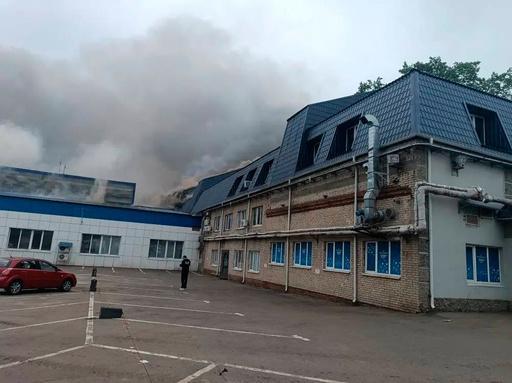
Ukraine drone attacks have surged as part of an intensified campaign against Russian energy infrastructure. In a recent escalation, Kyiv executed a series of significant drone strikes on Russia, leading to a devastating fire at a major oil refinery in the Krasnodar region, resulting in multiple casualties. As the conflict extends into its fifth year, these strategic Ukrainian military actions aim to cripple the resources fueling Moscow’s ongoing military endeavors. President Volodymyr Zelenskyy emphasized the importance of these drone attacks on Russian assets, asserting that each strike represents a critical step towards diminishing Russia’s war capabilities. With a focus on disrupting the flow of energy supplies, Ukraine’s energy strategy seeks to weaken the Kremlin’s hold and bring about a decisive shift in the ongoing conflict.
The recent aerial assaults launched by Ukraine have marked a pivotal shift in the dynamics of the ongoing conflict. Known for their precision, these tactical drone strikes on Russian territory reflect a robust Ukrainian military strategy aimed at undermining enemy infrastructure. President Zelenskyy has made it clear that the focus on critical energy installations is part of a broader approach to destabilize Russian operations. Furthermore, the resulting fires at facilities like major oil refineries not only showcase the effectiveness of these operations but also highlight the escalating confrontation between the two nations. As both sides ramp up their military actions, the implications of such attacks resonate beyond the battlefield, affecting energy security and international relations.
Ukraine Drone Attacks Escalate Against Russian Energy Infrastructure
In recent months, Ukraine has ramped up its drone strikes against Russian energy infrastructure, targeting vital facilities such as oil refineries and power plants. The latest round of attacks aims to undermine Russia’s military capabilities by directly impacting the resources that fuel its war strategy. The most significant incident occurred overnight when a large-scale drone strike set ablaze a major oil refinery in the Krasnodar region. Ukrainian military actions are strategically planned to maximize disruption during a critical point in the conflict, highlighting Kyiv’s intent to not only defend its sovereignty but also to weaken the Kremlin’s operational capabilities.
President Zelenskyy described the attacks as a necessary measure in the ongoing war, advocating for what he refers to as ‘long-range sanctions.’ These actions signify Ukraine’s proactive approach to warfare, moving beyond its borders to inflict substantial damage and disruption within Russian territory. By targeting energy assets, Ukraine seeks to limit the Kremlin’s military resources, thereby accelerating the end of hostilities. As the conflict drags into its fifth year, these tactics reflect not just a defensive stance but an aggressive strategy aimed at hastening peace discussions.
Impact of Drone Strikes on Russian Oil Refineries
The drone strikes have had a substantial impact on Russian oil refineries, disrupting their operations and causing significant economic setbacks. For instance, the Slavyansk oil refinery, one of the largest in southern Russia, was reported to have been severely affected, with fires breaking out and prompting evacuation protocols. This incident highlights the vulnerabilities of Russian energy infrastructures amid the ongoing conflict, as these facilities serve as critical components of Russia’s economy and military funding. The resultant fire at the Slavyansk facility resulted in both fatalities and injuries, serving as a grim reminder of the ramifications of this escalating conflict.
The repercussions of these drone attacks extend beyond immediate operational disruptions, as they also threaten future energy supply chains for Russia. By targeting key infrastructures, Ukrainian forces aim to hinder the production of essential petroleum products that are pivotal for both military and civilian use. As described by President Zelenskyy, each strike erodes the resources that prop up Russia’s war efforts, compelling the Kremlin to reassess its strategies. With sustained pressure from Ukrainian drone capabilities, Russia’s energy sector could face long-term challenges, thereby influencing the broader geopolitical landscape as the war continues.
Zelenskyy’s Strategic Vision: Aiming for Peace via Military Actions
President Zelenskyy has articulated a clear vision amidst the chaos of war: to utilize military actions, specifically drone strikes, as a mechanism to push towards peace. By targeting energy resources critical to the Russian military, these strikes are not merely acts of aggression but are framed as strategic measures aimed at curtailing Russia’s ability to sustain the conflict. This approach showcases a nuanced understanding of warfare wherein economic and infrastructural assets are seen as pivotal battlegrounds, thereby aligning Ukraine’s military objectives with its aspirations for peace.
Furthermore, Zelenskyy’s messaging emphasizes the importance of international support and solidarity in Ukraine’s ongoing struggle. By publicly declaring the motives behind these drone strikes, he seeks to galvanize both domestic and international backing for Ukraine’s military campaign. This narrative positions Ukraine not just as a nation under siege, but as an active agent seeking to bring about a resolution through decisive action, thereby reshaping the dialogue surrounding the conflict and highlighting its legitimacy on the global stage.
Russian Response to Increased Drone Threats
In light of the recent escalation in drone strikes, the Russian government has reassured its citizens of its defensive capabilities. Reports state that Russian air defense systems successfully intercepted a significant number of Ukrainian drones, although the efficacy of these defenses is increasingly being questioned in the wake of successful Ukrainian attacks. The downing of drones is portrayed as a sign of strength, yet the repeated breaches indicate a potential weakness in Russia’s ability to defend critical infrastructures from aerial assaults.
Moreover, the Russian authorities reacted swiftly by suspending operations at several airports in the region and closing critical roadways to minimize the risk of additional attacks. These measures serve as a testament to the anxiety felt by the Kremlin regarding the effectiveness of Ukraine’s military strategy. As these confrontations continue, Russia’s response may also evolve, possibly leading to further militarization or a shift in its strategic focus to counteract Ukraine’s growing drone capabilities.
Broader Implications of Drone Warfare in the Conflict
The increasing reliance on drone warfare in the Ukraine-Russia conflict signifies a shift in modern military tactics. Drones are becoming a cornerstone of Ukraine’s military strategy, serving not only as tools for intelligence gathering but also as instruments for direct strikes against key targets. This trend reflects a broader global shift towards unmanned systems in armed conflicts, where smaller, agile units can have substantial impacts without risking the lives of soldiers. The ability for Ukraine to conduct long-range strikes places it in a unique position to challenge a traditionally larger adversary, potentially reshaping the expected outcomes of conventional warfare.
Moreover, these developments suggest that future conflicts may increasingly hinge on superior technological capabilities rather than sheer numbers. As nations witness the effectiveness of drone strikes, a new arms race may emerge centered around drone technology and anti-drone systems. This not only alerts militaries worldwide to rethink their strategies but also raises critical questions about international regulations governing such warfare techniques, challenging established norms around armed engagement and the protection of civilian infrastructure.
Ukraine’s Shift in Military Strategy: Long-Range Strikes
Ukraine’s recent military strategy marks a significant shift towards long-range capabilities, focusing on drone strikes as a primary method for achieving strategic objectives. This evolution stems from the necessity to disrupt Russian operations significantly and minimize the threat posed by militarized assets near the front lines. By launching drone attacks deep into enemy territory, Ukraine aims to cripple critical supply routes and logistics that support Russian military efforts. Such a strategy is designed not only to inflict immediate damage but also to project power and confidence on the battlefield.
As the war progresses, these long-range strikes have become a key component of Ukraine’s energy strategy, which seeks to undermine Russia’s reliance on its energy production. By targeting refineries and energy infrastructure, Ukraine aims to create a ripple effect that could hamper Russia’s ability to sustain its military initiatives. The effectiveness of this strategy will depend on continued innovation and support for drone technology, which appears to be a focal point for the Ukrainian military in the ongoing conflict.
International Reactions to Ukraine’s Drone Campaign
The international community has been closely monitoring Ukraine’s escalating drone campaign against Russian targets, offering a mix of support and concern. Western allies have reiterated their commitment to assist Ukraine in defending its sovereignty, while also acknowledging the potential for these strikes to provoke further escalations in the conflict. The use of drones raises ethical questions surrounding warfare, and many nations are assessing how they can support Ukraine’s defense while managing the implications of drone warfare on global stability.
Additionally, diplomatic channels are being tested as countries navigate their responses to the ongoing conflict. While some nations advocate for a stronger stance against Russian aggression, others call for restraint to prevent unpredictable escalation. These reactions highlight the complex geopolitical situation, where Ukraine’s military actions can have far-reaching implications that extend beyond its borders, influencing international relations and potentially reshaping alliances in the region.
Future of Drone Warfare on the Ukrainian Front
Looking ahead, the future of drone warfare on the Ukrainian front suggests a continued evolution of military tactics as both sides adapt to the changing dynamics of the conflict. Ukraine’s adoption of drone technology has not only proven effective in directly targeting Russian assets but has also provided a template for future engagements in modern warfare. With advancements in drone capabilities expected, the next phase of this conflict may see an increase in the sophistication and precision of aerial attacks, making drone warfare a hallmark of 21st-century conflicts.
On the other hand, Russia is likely to respond by enhancing its own drone defense systems and seeking new technologies to counter these threats. The ongoing battle will likely result in an arms race centered around unmanned aerial systems, altering the traditional battlefield landscape. As both nations vie for air superiority, the integration of drones in combat operations will redefine military strategies, creating new challenges and considerations for policymakers and military leaders worldwide.
Frequently Asked Questions
What are the implications of Ukraine drone attacks on Russia’s energy infrastructure?
The recent Ukraine drone attacks on Russia’s energy infrastructure, particularly targeting oil refineries, have significant implications for both countries. By striking critical assets such as the Slavyansk oil refinery, Ukraine aims to disrupt Russian military capabilities and reduce resources fueling Moscow’s war efforts. Ukrainian President Volodymyr Zelenskyy highlighted that these strikes represent a strategic element of Ukraine’s energy strategy, contributing to long-term sanctions against Russia. As the conflict escalates, these military actions could lead to further geopolitical tensions and an intensified response from Russian authorities.
| Key Point | Details |
|---|---|
| Large Drone Attack | Ukraine executed one of its largest drone strikes against Russia, focusing on energy facilities. |
| Casualties | The attacks resulted in at least two fatalities, including one at the Slavyansk refinery. |
| Targeted Infrastructure | Strikes targeted key Russian oil refineries to undermine military operations and fuel supply. |
| Russian Response | Russia claimed to have shot down 213 drones across its territory during the attacks. |
| Ukrainian Statements | President Zelenskyy emphasized that these attacks are part of a strategy to weaken Russia’s military capacity. |
Summary
The recent Ukraine drone attacks mark a significant escalation in the ongoing conflict, with the Ukrainian military targeting critical energy infrastructure in Russia. As reported, the attacks hit major oil refineries, resulting in casualties and substantial fires, which highlight the intense nature of this conflict. With President Zelenskyy underlining the strategic purpose behind these strikes, it is clear that Ukraine aims to disrupt Russia’s military operations as the war stretches into its fifth year. This intensification of drone warfare not only reflects Ukraine’s determination but also raises questions regarding the evolving tactics employed by both sides in the larger geopolitical turmoil.