Sustainable rice farming is essential for securing food for billions while minimizing environmental impact. As rice production continues to be a cornerstone for nourishment worldwide, it faces significant challenges from the ecological pressures associated with climate change agriculture. The methods used in rice cultivation not only affect yields but also critically influence greenhouse gas emissions, freshwater use, and nutrient cycles. By adopting sustainable practices, farmers can enhance the efficiency of rice cultivation methods, thereby improving food security without exacerbating the environmental impact of rice farming. This balance is crucial as we move forward, ensuring that this vital crop continues to sustain future generations.
In recent years, eco-friendly rice cultivation has emerged as a focal point in the discourse surrounding global agricultural practices. This innovative approach seeks to optimize rice production while addressing the pressing issues caused by traditional farming methods, which are increasingly scrutinized for their ecological consequences. The agricultural community is now looking at greener techniques that can mitigate climate change effects and protect vital freshwater resources, thereby contributing to overall food security. Harnessing alternative methods is not just about saving the environment; it’s about ensuring that rice remains a staple food source for future populations amidst growing challenges. The integration of sustainable practices in rice farming highlights a pivotal shift towards more resilient agricultural systems.
The Impact of Sustainable Rice Farming on Climate Change
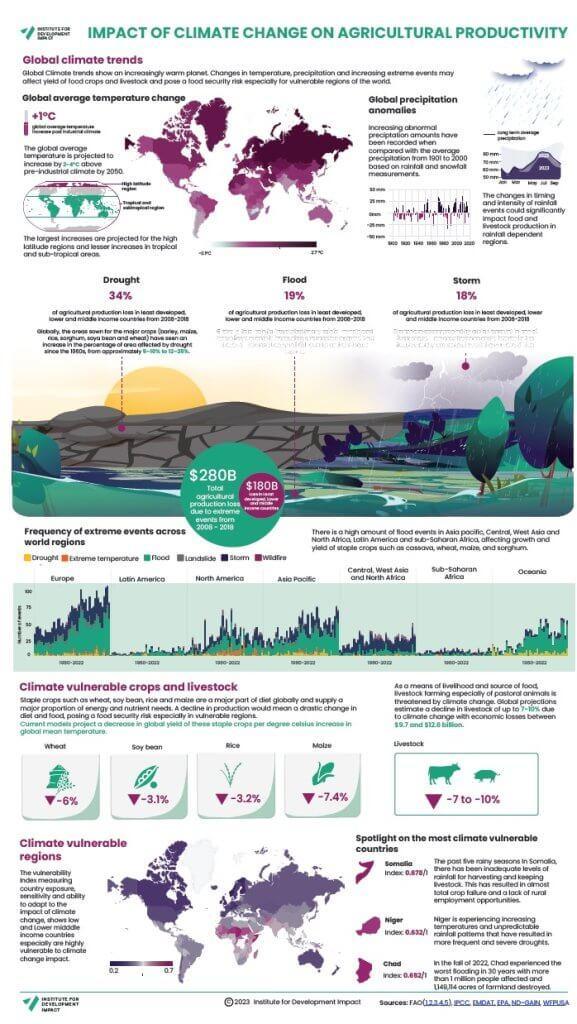
Sustainable rice farming represents a critical approach to addressing the growing challenges posed by climate change and resource depletion. This farming method emphasizes practices that minimize environmental impact while maintaining productivity. Research indicates that conventional rice cultivation significantly contributes to greenhouse gas emissions, specifically methane, which is released during the flooding of paddy fields. By shifting towards sustainable methods such as alternate wetting and drying, farmers can reduce methane production while also decreasing water consumption. This innovation not only protects the climate but also sustains rice yields, ensuring food security for millions.
Furthermore, integrating sustainable practices into rice farming can mitigate the excessive use of fertilizers that often lead to nutrient pollution in waterways. By utilizing precision agriculture techniques, farmers can apply fertilizers more efficiently, reducing runoff and protecting surrounding ecosystems. This approach supports an essential balance in environmental stewardship, crucial for maintaining the health of freshwater resources—a lifeline for agriculture and human survival. Therefore, embracing sustainable rice farming is not merely beneficial; it is vital for reducing the agricultural sector’s impact on climate change and ensuring that rice remains a staple food for future generations.
Innovative Rice Cultivation Methods for Food Security
As the global population continues to rise, innovative rice cultivation methods are imperative for ensuring food security in the face of climate change and environmental degradation. The study on planetary boundaries emphasizes the need for less intensive farming practices that can adapt to the challenges posed by shifting weather patterns and resource scarcity. Techniques such as integrated pest management and the use of drought-resistant rice varieties can help farmers maintain yields even as climate variability increases. By investing in these technologies, we can enhance the resilience of rice production systems and better protect food resources.
Furthermore, enhancing agricultural practices through education and access to modern technology can empower farmers worldwide, particularly in developing regions where rice is a staple crop. Collaborations between governments, NGOs, and research institutions can facilitate the dissemination of knowledge on best practices and sustainable agricultural innovations. Improved rice cultivation methods not only support the immediate dietary needs of populations but also contribute to long-term stability and security within agricultural economies, highlighting the interconnected nature of food security and environmental responsibility.
The Role of Rice Production in Global Environmental Challenges
Rice production plays a significant role in the broader context of global environmental challenges, particularly in relation to climate change and biodiversity loss. As highlighted in studies, this staple crop is intricately linked to greenhouse gas emissions, primarily through methane generation from flooded fields. Additionally, the over-reliance on chemical fertilizers has raised serious concerns about nutrient runoff, which affects aquatic ecosystems and water quality. Addressing these environmental impacts necessitates a comprehensive understanding of rice production’s contribution to climate-related issues and a commitment to evolving farming methods that mitigate these challenges.
In response to these pressing issues, agricultural scientists propose a shift towards holistic farming approaches that take into account not only the economic viability but also the ecological impact of rice cultivation. Implementing conservation practices, enhancing water management techniques, and promoting biodiversity in farming systems can collectively help lower rice farming’s environmental footprint. Bridging the gap between productivity and sustainability is essential for ensuring that rice continues to be a viable food source amid the urgent environmental challenges faced globally.
Transforming Rice Cultivation Practices for a Sustainable Future
Transforming rice cultivation practices is pivotal for achieving a sustainable agricultural future. Current methods have remained largely unchanged despite the increasing pressures from climate change, necessitating a re-evaluation of how rice is grown. By adopting sustainable practices such as crop rotation, reduced tillage, and organic farming techniques, rice farmers can enhance soil health and reduce dependency on chemical inputs. These changes not only preserve the environment but also create a more sustainable food production system that can withstand the impacts of climate variability.
Moreover, the introduction of advanced technologies, such as remote sensing and agricultural robotics, can further revolutionize rice farming. These innovations provide real-time data on crop conditions, enabling targeted interventions that optimize resources. By prioritizing practices that support sustainable rice production without compromising yield, farmers can help safeguard food security while protecting the planet. The transition towards sustainable rice farming practices is a critical step in addressing the interconnected issues of agriculture, environmental health, and global food needs.
The Future of Rice Agriculture and Its Ecological Footprint
The future of rice agriculture hinges on understanding and minimizing its ecological footprint. The current challenges highlighted by climate change and environmental degradation underline the urgency of adopting more responsible agricultural practices. By navigating the delicate balance between maintaining high levels of rice production and reducing its environmental impact, stakeholders can help shape a more sustainable agricultural landscape. Initiatives centered around sustainable farming practices, such as improving water efficiency and implementing agroecological methods, are key to achieving this goal and fostering resilience in rice-growing regions.
Additionally, policy interventions and investment in research and development can support farmers in transitioning towards more sustainable cultivation techniques. This not only benefits the environment but also enhances agricultural productivity and profit margins for farmers. The collaborative approach to reshaping rice agriculture ensures that as the demand for food continues to grow, the environmental integrity of rice cultivation is preserved. Ultimately, envisioning a sustainable future for rice production requires innovation, commitment, and a concerted effort across all sectors of society.
Conservation Efforts in Rice Farming to Preserve Ecosystems
Conservation efforts in rice farming are essential to preserving ecosystems while ensuring the continued availability of this vital crop. With rice fields being critical habitats for various species, there is a significant opportunity to implement conservation-oriented practices that enhance biodiversity. Utilizing techniques such as establishing buffer zones around fields and practicing integrated pest management can lead to healthier ecosystems, which in turn allow for sustainable rice production. These practices not only protect local wildlife but also enhance the overall resilience of rice farming systems.
Moreover, initiatives aimed at preserving traditional farming methods can further support ecosystem health. By encouraging the cultivation of indigenous rice varieties, farmers can preserve genetic diversity, which is crucial for adapting to changing climate conditions. This approach fosters a resilient agricultural landscape, where biodiversity contributes to pest control, soil health, and crop adaptability. Through concerted conservation efforts, rice farmers can manage their land sustainably, protecting ecosystems while meeting the food security demands of a growing global population.
Technological Innovations in Rice Farming for Sustainable Growth
Technological innovations are revolutionizing rice farming, paving the way for sustainable growth in an ever-demanding agricultural landscape. With advancements such as drone technology, artificial intelligence, and IoT-based agricultural monitoring systems, farmers can now optimize input use and increase crop yields significantly. These technologies provide valuable insights into water usage, soil health, and pest management, allowing for more precise cultivation practices that minimize environmental impacts. Thus, integrating technology into rice farming not only enhances productivity but also contributes to ecological sustainability.
The emphasis on developing climate-resilient crops through biotechnological advances is another vital aspect of enhancing the sustainability of rice farming. By creating varieties that withstand extreme weather, farmers can maintain yield stability, securing food supplies in uncertain climates. Encouraging the adoption of these technological innovations, alongside traditional practices, creates a hybrid model of agriculture that is equipped to handle contemporary challenges while ensuring that rice remains a reliable food source globally.
The Global Importance of Rice Farming in Combating Hunger
Rice farming is of global importance as it plays a critical role in combating hunger and ensuring food security across many regions. As the staple food for over half of the world’s population, rice is integral to nutritional health and livelihoods in both urban and rural areas. Given the increasing demands placed on rice production due to population growth, it becomes paramount to implement sustainable practices that can bolster food supplies without detracting from environmental integrity. By highlighting the importance of rice cultivation in the fight against hunger, stakeholders can mobilize resources and support initiatives aimed at enhancing productivity in a socially and environmentally responsible manner.
Additionally, collaboration among various entities—governments, non-profits, and agricultural organizations—can lead to innovative approaches that are crucial for advancing sustainable rice farming practices. Strategies that focus on capacity building, access to technology, and community engagement can empower farmers and facilitate greater food security. The global significance of rice farming underscores the need for collective action in addressing the interrelated challenges of hunger, environmental sustainability, and agricultural productivity.
Creating Resilient Rice Farming Systems for Future Generations
Creating resilient rice farming systems is essential for ensuring food security for future generations amidst the ongoing challenges of climate change and resource scarcity. Emphasizing practices that enhance adaptability can help farmers navigate the uncertainties associated with variable weather patterns and declining natural resources. Techniques such as crop diversification and implementing agroforestry are vital for building resilience, as these methods protect soil health and improve biodiversity, crucial for sustaining rice production. Without resilient systems in place, the capacity to provide rice—a staple for billions—will be severely compromised.
Moreover, resilience in rice farming can be strengthened through education and extension services that empower farmers with knowledge on sustainable practices. Investing in training programs that equip farmers with skills in climate-smart agriculture ensures that they are prepared to tackle emerging challenges. Encouraging a community-based approach to resilience can further enhance collaboration and knowledge-sharing. By prioritizing the creation of resilient rice farming systems, we ensure that agriculture evolves to meet both current and future food needs while maintaining ecological balance and sustainability.
Frequently Asked Questions
What is sustainable rice farming and why is it important for food security?
Sustainable rice farming refers to agricultural practices that aim to produce rice while minimizing environmental impact and preserving natural resources. This approach is crucial for food security because rice is a staple food for more than half of the world’s population. By adopting methods that reduce greenhouse gas emissions, conserve water, and maintain soil health, sustainable rice farming can help ensure a stable food supply while protecting ecosystems. Improving rice cultivation methods, such as using alternate wetting and drying techniques, can enhance the resilience of rice farming against climate change and help secure food resources for future generations.
| Key Point | Details |
|---|---|
| Importance of Rice | Rice is a staple for billions, vital for food security and livelihoods. |
| Environmental Concerns | Rice farming contributes significantly to greenhouse gas emissions and freshwater depletion. |
| Current Farming Practices | Existing methods are unsustainable, leading to negative impacts on ecosystems. |
| Planetary Boundaries Framework | Evaluates the ecological limits within which rice farming should operate. |
| Opportunities for Improvement | Alternating wetting and drying, precision agriculture, and better irrigation can help. |
Summary
Sustainable rice farming is now more crucial than ever, as the rice industry faces significant challenges from environmental degradation. As one of the most important staple crops globally, rice not only nourishes billions of people but affects our planet’s health as well. The study highlights the urgent need to rethink current agricultural practices to mitigate their impact on climate change, water resources, and nutrient cycling. By adopting innovative farming techniques, such as alternating wetting and drying and optimized fertilizer usage, rice farming can become more sustainable and resilient. This evolution is essential to ensure food security for future generations, emphasizing the importance of sustainable practices in preserving both the crop and the ecosystems that support it.