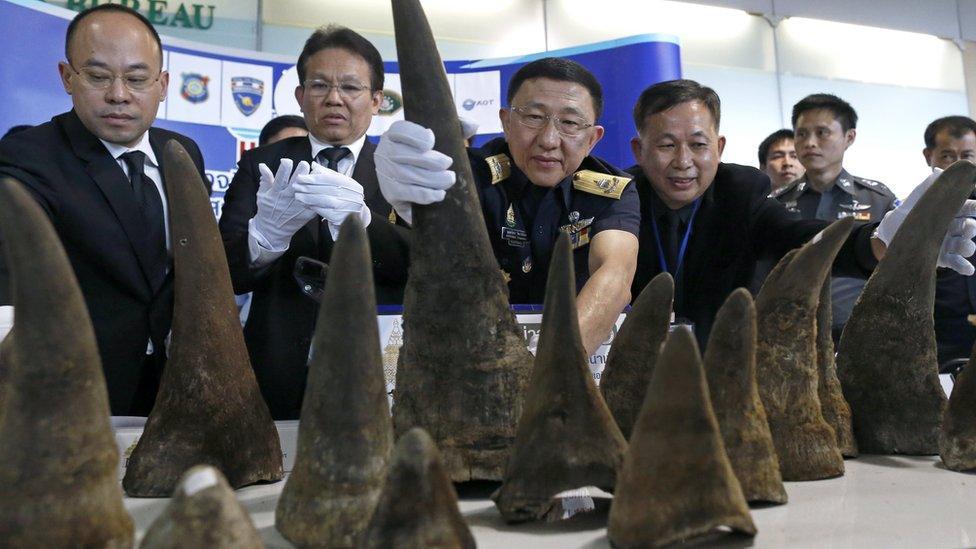
Wildlife trafficking represents a grave threat to biodiversity, especially in regions like Assam, where the illegal wildlife trade is flourishing. In a recent operation led by the Wildlife Crime Control Bureau (WCCB), authorities tackled this pressing issue head-on by apprehending three individuals suspected of engaging in wildlife crime. The operation, staged at a resort in Sonapur, resulted in the seizure of a rhino horn weighing 920 grams, underscoring the urgent need to combat the illegal wildlife trade that endangers species and ecosystems alike. With the increasing instances of rhino horn seizures, this operation highlights the dedicated efforts of agencies like the WCCB in addressing wildlife trafficking and enforcing the Wild Life (Protection) Act, 1972. As Assam continues its battle against wildlife trafficking, the commitment to preserving its natural heritage grows stronger, fostering hope for a future in which endangered species can thrive.
The illegal trade in endangered animals and their parts poses a significant challenge to conservation efforts globally. Known predominantly in places like Assam, this underground network thrives on the exploitation of wildlife, fueling a detrimental market for items such as rhino horns. Recent enforcement actions, including a well-coordinated WCCB operation, have unveiled the dark realities behind wildlife smuggling, revealing the intricate connections between traffickers. These efforts are vital in dismantling the organized crime networks that prioritize profit over ecological balance. By raising awareness about these illicit activities, we can better support initiatives aimed at protecting wildlife and promoting sustainable practices.
Wildlife Trafficking: A Persistent Threat
Wildlife trafficking has emerged as one of the most urgent global challenges, affecting biodiversity and endangering various species, notably the majestic one-horned rhinoceros. The illegal wildlife trade capitalizes on the high demand for animal parts and products, turning protected species into mere commodities. Efforts to combat this illicit market are essential as it not only fuels organized crime but also poses significant risks to the ecosystems these animals inhabit.
In India, regions like Assam are on the frontline of the battle against wildlife trafficking. The recent operation by the Wildlife Crime Control Bureau (WCCB), in collaboration with local forest divisions, demonstrates the proactive measures being taken to dismantle trafficking networks. By seizing endangered parts, such as rhino horns, authorities send a strong message that wildlife crimes will not be tolerated.
Frequently Asked Questions
What recent events highlight the fight against wildlife trafficking in Assam?
Recently, a joint operation by the Wildlife Crime Control Bureau (WCCB) and the Sonapur Forest Division led to the arrest of three suspected wildlife traffickers in Sonapur, Assam. This operation resulted in the seizure of a rhino horn weighing 920 grams, believed to be intended for the illegal wildlife trade. The successful raid at the ‘Segun Bagan’ Resort demonstrates the commitment of authorities to combat wildlife crime and protect endangered species, particularly the one-horned rhinoceros that is native to Assam.
| Key Point | Details |
|---|---|
| Operation Conducted | Joint operation by WCCB and Sonapur Forest Division at Segun Bagan Resort in Sonapur, Assam. |
| Suspects Arrested | Three individuals: Chandan Nath, Chandan Kumar Nath, Dipjyoti Barman. |
| Seized Items | 920-gram rhino horn, Tata Nexon vehicle, laptop, multiple ATM cards, four mobile phones. |
| Intelligence and Coordination | Operation was aided by timely intelligence and effective coordination among authorities. |
| Further Investigations | Authorities are investigating the rhino horn’s origin and potential trafficking network members. |
| Legal Actions | Accused expected to face legal proceedings under the Wild Life (Protection) Act, 1972. |
Summary
Wildlife trafficking remains a critical concern globally, highlighting the urgency to protect endangered species from illegal activities. The recent operation in Sonapur, Assam, underscores the relentless efforts of local authorities in combating such crimes. With the arrest of three alleged traffickers and the seizure of a significant quantity of wildlife contraband, this initiative not only removes a major threat to the one-horned rhinoceros population but also signifies the commitment of conservation agencies to uphold wildlife protection laws. Ongoing investigations aim to dismantle the larger trafficking network, ensuring that all involved parties are brought to justice, thus reinforcing the broader fight against wildlife trafficking.