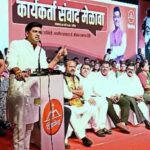
In a surprising turn of events, Hari Prasad Saikia, the former Vice President of Raijor Dal, has officially announced his resignation from the party, a significant development in the landscape of political resignations in Assam. His departure comes as part of a personal reevaluation of his future in public life, as articulated in his resignation letter submitted on June 30. Saikia expressed his gratitude for the support received during his tenure and assured his commitment to serving the people of Assam, despite stepping back from party roles. This move is creating ripples in the political arena, leading to widespread speculation and discussion regarding the implications of such resignations on local governance and community engagement. With the spotlight now on Hari Prasad Saikia news, observers are keen to see how this decision will shape the political narrative in Assam moving forward.
The recent resignation of Hari Prasad Saikia marks a pivotal moment in the political scene of Assam, inviting scrutiny of his journey and future endeavors in civic service. As a prominent figure within Raijor Dal, his exit prompts a discussion on the dynamics of political careers and the challenges faced by leaders in public life. The motivations behind political resignations, such as Saikia’s, often reflect broader issues within party structures and personal aspirations in leadership roles. This development not only highlights the individual story of Saikia but also raises questions about the stability and direction of the political party landscape in Assam. As followers of Raijor Dal and political analysts alike observe these changes, the impact on community engagement and governance will be essential to monitor in the coming months.
Hari Prasad Saikia Resignation: A Turning Point in Raijor Dal’s Dynamics
The recent resignation of Hari Prasad Saikia from Raijor Dal marks a significant turn in the political landscape of Assam. As the former Vice President, his departure raises questions about the party’s stability and future direction. Saikia’s decision to step down was not taken lightly, as he mentioned in his resignation letter, citing the need for reflection on his role in public affairs. His move may set off a ripple effect within the party, urging other members to reevaluate their own positions amid changing political climates.
Moreover, Saikia’s resignation not only affects Raijor Dal but also reflects broader trends in political resignations in Assam. Such decisions often stem from a combination of personal contemplation and external pressures, indicative of an evolving political scene. With political figures like Saikia stepping back, there is potential for new leadership dynamics to take shape, possibly altering voter perceptions and party alignments. This can serve as a catalyst for both Raijor Dal and other political entities in Assam to rethink their strategies as they adapt to new realities in public life.
Implications of Political Resignations in Assam: The Case of Raijor Dal
Political resignations, such as that of Hari Prasad Saikia, can lead to significant shifts within a party’s framework, sparking discussions around accountability and leadership. Saikia’s departure prompts a closer look at Raijor Dal’s internal structures and the need for robust succession planning to mitigate disruptions. Political observers note that departures can provide valuable opportunities for rejuvenating party leadership and shaking up established practices, which could be beneficial for democratic processes.
Additionally, Saikia’s resignation serves as a reminder of the challenges faced by political parties in maintaining unity and direction. In Assam’s complex political landscape, where public sentiment continuously evolves, the ability of parties like Raijor Dal to respond to such resignations will be crucial for their survival. It underscores the importance of adaptability and responsiveness in public life, as the party navigates through potential turmoil following the loss of a key figure.
Future Political Aspirations after Hari Prasad Saikia’s Departure
Although Hari Prasad Saikia did not share specific political ambitions following his resignation, the impact of his departure from Raijor Dal will likely shape future aspirations within Assam’s political circles. His commitment to serving the people of Assam, despite stepping back from party politics, leaves room for speculation on how he may align with other platforms or movements. Political commentators may closely follow his trajectory to see how he plans to influence public life outside of formal party structures.
Furthermore, this moment presents a pivotal chance for Saikia to redefine his political career in Assam. Without the constraints of party politics, he could potentially engage in grassroots movements or collaborate with other civic organizations focused on community welfare. Such actions could resonate well with the electorate, especially if they reflect a genuine commitment to public service. The landscape of Assam’s political scene may witness a shift, bridged by former leaders like Saikia who look to maintain their impact outside traditional party affiliations.
Raijor Dal’s Response to Hari Prasad Saikia’s Resignation
In light of Hari Prasad Saikia’s resignation, Raijor Dal’s leadership is faced with the challenge of addressing its implications effectively. The party must respond swiftly to reassure its members and supporters, demonstrating resilience amidst the unexpected exit of one of its key figures. Leadership communication will be vital in maintaining morale and cohesion among party workers, who may feel uncertain about the future without Saikia’s influence.
Moreover, the party must strategically position itself in public discourse following this resignation. As Saikia expresses gratitude toward his colleagues during his tenure, the leadership might capitalize on this goodwill to foster a narrative of unity and a renewed focus on their political agenda. Engaging with constituents to highlight ongoing initiatives and commitment to social issues will be essential in retaining public confidence as Raijor Dal navigates this transitional phase.
Reflections on Hari Prasad Saikia’s Political Career: An Overview
The political career of Hari Prasad Saikia has been characterized by his active involvement in Raijor Dal, leading to significant contributions towards the party’s vision and objectives for Assam. As former Vice President, his leadership was instrumental in rallying support for a range of social issues. His departure also prompts a review of his political contributions and the leadership style that has marked his tenure.
Evaluating the impact of Saikia’s career within the context of Assam’s political developments reveals his role as a mediator between party interests and public sentiment. His experience highlights the challenges faced by political leaders in balancing party loyalty and personal convictions, especially during times of political restructuring. Through a retrospective lens, Saikia’s journey serves as a case study for emerging leaders within the region, illustrating the intricate dynamics of political engagement.
The Future of Raijor Dal After Saikia’s Departure: Challenges and Opportunities
With the resignation of Hari Prasad Saikia, Raijor Dal stands at a crossroads, facing both challenges and opportunities for growth. The party must strategize effectively to fill the void left by Saikia’s departure, seeking candidates who can inspire confidence and unite the members. This presents an opportunity for fresh leadership to emerge, potentially bringing new ideas and approaches to address the pressing concerns of the electorate in Assam.
Moreover, the party’s ability to adapt and innovate in response to Saikia’s resignation can be transformative. By prioritizing grassroots initiatives and engaging with the community to revitalize its base, Raijor Dal has the potential to harness this transitional period for renewal. Fostering a transparent and inclusive environment will be key in navigating the complexities introduced by recent political changes, further solidifying its relevance in Assam’s political arena.
The Role of Media in Reporting Political Resignations: Saikia’s Case Explored
Media coverage of political resignations plays a crucial role in shaping public perception and understanding of such events. In the case of Hari Prasad Saikia’s resignation from Raijor Dal, various news outlets have reported on the implications of his departure, emphasizing the significance of his role within the party. Such reporting not only highlights the immediate impacts on party dynamics but also reflects broader themes within Assam’s political ecosystem, capturing the interest of the electorate.
Furthermore, media interpretations of Saikia’s resignation can influence political narratives and public discourse. Through detailed analysis and commentary, journalists help contextualize the reasons behind the resignation, encouraging a deeper understanding among citizens about the motivations of leaders in public life. This can lead to informed discussions that ultimately shape the political landscape in Assam, guiding voters towards more active involvement in civic matters.
Public Reaction to Hari Prasad Saikia’s Resignation from Raijor Dal
The resignation of Hari Prasad Saikia has elicited varied reactions from the public and political analysts alike. Many admired his candid approach and dedication to placing personal reflections over partisan obligations, while others expressed concern about the stability of Raijor Dal after the loss of such a prominent figure. Social media has been a hotbed of discussion, with supporters praising his commitment to the people of Assam and critics questioning the party’s next steps.
Moreover, the public response serves as a reminder of the interconnectedness between political leaders and their constituents. As Saikia has vowed to remain committed to serving the people, there is a palpable expectation for him to continue contributing towards societal welfare despite distancing himself from organized party politics. This fluctuating dynamic highlights the need for political parties to respond to public sentiment while navigating through resignations and restructuring efforts.
Political Career Review: The Legacy of Hari Prasad Saikia
Hari Prasad Saikia’s legacy within Raijor Dal is one of commitment to public service and political engagement in Assam. His tenure as Vice President allowed him to advocate for critical issues affecting the region and to build relationships with party members and constituents alike. As Saikia embarks on a new chapter following his resignation, reflections on his career serve to illuminate the potential and responsibility of leaders in shaping the political conversation in Assam.
Despite stepping down from his formal roles, Saikia’s contributions to public life are likely to resonate long beyond his official departure from Raijor Dal. His combination of experience and a genuine interest in the welfare of the community sets a benchmark for future leaders. A thorough review of his political career could inspire both current lawmakers and aspirants, emphasizing the importance of ethical governance and active civic engagement in Assam’s evolving political landscape.
Frequently Asked Questions
What led to Hari Prasad Saikia’s resignation from Raijor Dal?
Hari Prasad Saikia resigned from all organizational roles and his primary membership in Raijor Dal after careful thought regarding his future in public life and political affairs. In his resignation letter, he expressed gratitude for the opportunities provided by the party but felt it was time to reevaluate his political career.
| Key Points |
|---|
| Hari Prasad Saikia resigns from all roles in Raijor Dal, effective immediately. |
| His resignation was announced in a letter addressed to the party president. |
| Saikia made this decision after careful thought regarding his future in politics. |
| He expressed gratitude towards the party, its leadership, and colleagues for their support. |
| Despite resigning, Saikia remains committed to serving the people of Assam. |
| No immediate political plans were shared, only a desire to focus on public service. |
Summary
Hari Prasad Saikia’s resignation marks a significant moment in his political career as he steps away from Raijor Dal to reassess his future in public and political affairs. His decision, effective immediately, reflects a thoughtful reevaluation of his roles and responsibilities within the party. In his farewell letter, Saikia expressed his appreciation for the support he received during his tenure, indicating a respectful departure from the organization. While he has not disclosed any specific political intentions moving forward, his commitment to the people of Assam remains unwavering. This resignation may open new avenues for Saikia and bring forth changes in the regional political landscape.