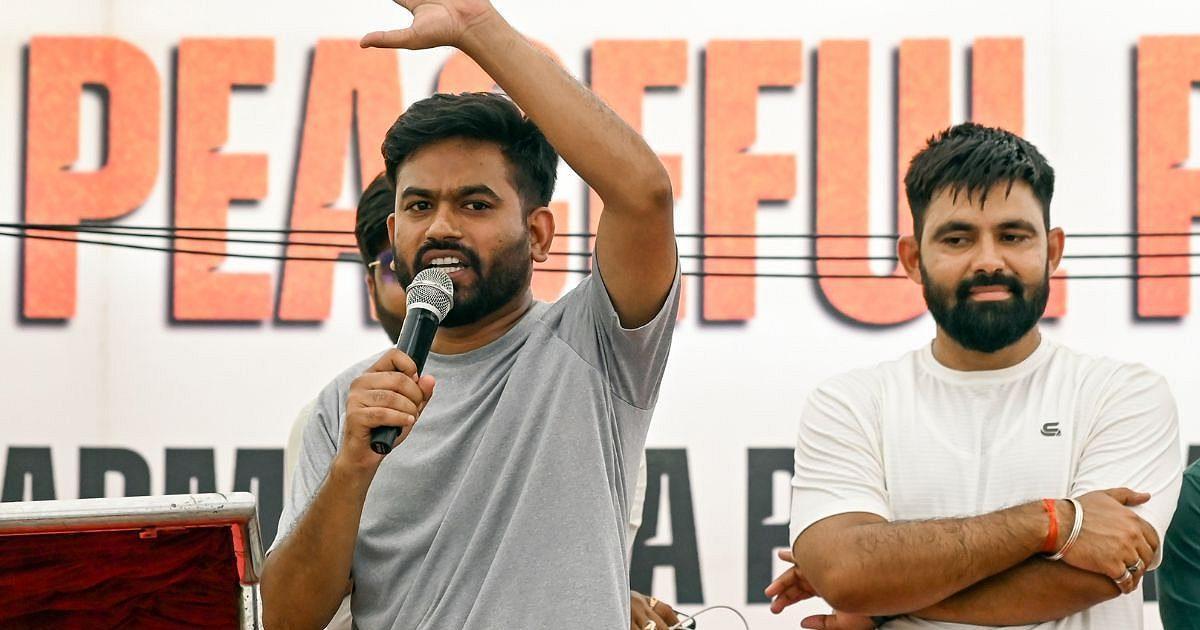
The CJP protest at Jantar Mantar has become a focal point for a growing movement demanding accountability from the government, particularly in light of recent examination paper leaks. Activists, led by young demonstrators, have endured harsh conditions, with temperatures soaring to 45°C, to voice their discontent over the repeated failures in the education sector. Among them is Sagarika Ghose, a prominent MP from the Trinamool Congress, who has publicly rallied behind their cause, emphasizing the urgent need for the resignation of Union Education Minister Dharmendra Pradhan. Her involvement highlights the critical intersection of youth protests and educational integrity, as the plight of students takes center stage against a backdrop of profound despair. As tensions rise and support for these protests increases, the demand for change resonates louder than ever across the nation.
The rally at Jantar Mantar represents a significant outcry from the youth, challenging the authorities over persistent issues plaguing the education system, such as exam irregularities and accountability failures. Participants have gathered to express their frustrations, with many claiming their futures are jeopardized by the government’s inaction amid numerous exam scandals. Sagarika Ghose’s commitment to join this demonstration underscores the urgency of the situation, as she aligns herself with those seeking reform and transparency in academic assessments. Additionally, this event has attracted various personalities, amplifying the call for responsible governance and the protection of students’ rights, resonating with urgency amidst a backdrop of escalating unrest and demands for a more responsive leadership.
Understanding the CJP Protest at Jantar Mantar
The Cockroach Janata Party (CJP) protest at Jantar Mantar has become a focal point for youth activism in India, particularly regarding the recent examination paper leaks that have rocked the education system. Under the scorching summer sun of 45°C, protesters have camped out for 12 consecutive days, expressing their outrage at the repeated failures that undermine their future aspirations. Activists, led by prominent figures such as Trinamool Congress MP Sagarika Ghose, demand the resignation of Union Education Minister Dharmendra Pradhan, whose governance has been marred by allegations of negligence over these crucial issues.
The protest has attracted attention not only for its focus on educational integrity but also for the emotional toll it has taken on students. Multiple reports indicate that the series of leaks and irregularities have driven some to despair, highlighting the societal implications of such systemic failures. Ghose’s commitment to join the protest underscores a growing solidarity among political figures and the youth, emphasizing the urgency of the situation. Through platforms like Jantar Mantar, voices that once seemed insignificant are now rallying together, demanding accountability and change.
The Role of Youth in Activism Amid Education Scandals
Youth protests, such as the ongoing CJP protest, play a vital role in challenging the status quo and holding those in power accountable. This movement exemplifies how young individuals are uniting to raise critical questions regarding the efficacy and fairness of their education system. With significant figures like Sagarika Ghose joining the ranks, the voices of youth are amplified, bringing much-needed attention to the issues surrounding exam paper leaks and the profound impact they have on student lives. The involvement of diverse groups within the protest highlights the fact that this struggle transcends personal experiences, symbolizing a collective fight for a just educational environment.
Moreover, the engagement of notable activists, including climate advocate Sonam Wangchuk, signifies a broader awareness of the intersecting challenges faced by young people today. As they advocate for necessary reforms, their actions reflect a deep understanding of the societal structures in which they operate. The persistent protests indicate a refusal to remain silent in the face of government inaction, pushing for urgent conversations around accountability, transparency, and the overall integrity of the educational system in India. Such movements are not merely protests; they are a declaration of youth empowerment and resilience.
The Impact of Educational Governance on Student Lives
In recent years, the landscape of educational governance in India has come under scrutiny due to recurring scandals, notably the exam paper leaks that have led to widespread public outcry. The current wave of protests has spotlighted how these leaks not only disrupt the examination process but also instill a deep sense of insecurity among students. Leaders like Sagarika Ghose emphasize the devastating consequences of these leaks, noting that students are not just facing academic hurdles but are experiencing emotional and mental strain. The urgency for change has never been more pronounced, as demonstrated by the stark realities shared at protests.
These ongoing issues have heightened the need for accountability at the highest levels of education governance, particularly concerning the role of individuals like the Union Education Minister. The response from the government—or lack thereof—has deep implications for trust in educational institutions and the future of millions of students. The call for reform is not just about changing policies; it’s about restoring the faith of the youth in their right to a fair and functional education system. As protests continue, the underlying message is clear: students demand a commitment to transparency, justice, and genuine support from their leaders.
Sagarika Ghose: A Voice for Educational Justice
Sagarika Ghose has emerged as a prominent voice in the fight for educational justice in India, particularly through her recent involvement in the CJP protest at Jantar Mantar. As a Rajya Sabha MP representing the Trinamool Congress, her decision to support the youth movement against exam paper leaks underscores the intersection of political responsibilities and social activism. Ghose’s participation reflects her understanding of the dire circumstances faced by students, many of whom are battling not only academic pressures but also anguish stemming from governmental neglect. Her statements make it clear that political leaders need to step up and advocate for the rights of students.
By highlighting the struggles of those affected by the exam leaks, Ghose is further amplifying the urgency of the protests. As a figure who bridges politics and social justice, she illustrates the potential for elected representatives to align with the concerns of the youth. This rallying of support can serve as a catalyst for change, encouraging more political leaders to engage with grassroots movements. The commitment of Ghose and others to this cause emphasizes the importance of collective action in addressing systemic failures in education and championing reforms that matter.
Protests and the Demand for Ministerial Accountability
The ongoing protests led by the Cockroach Janata Party at Jantar Mantar illustrate a crucial turning point in demanding accountability from elected officials, specifically the Union Education Minister Dharmendra Pradhan. Protesters are not only calling for his resignation due to the failure to manage examination integrity but are also highlighting a larger narrative of governmental responsibility towards students. In her heartfelt remarks, Sagarika Ghose pointed out the profound despair experienced by youth, drawing attention to the need for leaders who truly care about their constituents, especially in matters as significant as education, which shapes the future of a nation.
Ministerial accountability is essential in restoring faith in the educational system, and the voices from the protests reflect a collective frustration towards the lack of decisive action in response to ongoing issues. This demand for accountability has reverberated through social and traditional media, becoming a rallying point for student rights. As protesters endure the sweltering heat in their quest for justice, they stand as a testament to the power of civic engagement in the pursuit of change. The determination shown amid challenges not only emphasizes the need for responsible governance but also showcases the resilience of youth in fighting for their rights.
Solidarity Among Activists: A Catalyst for Change
The gathering of diverse activists at the CJP protest signifies a profound moment of solidarity that transcends individual causes and unites voices for a common purpose. Figures like Sagarika Ghose and Sonam Wangchuk are converging around the shared goal of addressing the ongoing crises in the education system, demonstrating how collective action can amplify impact. This solidarity acts as a catalyst for change, encouraging more individuals to lend their support to movements that confront systematic injustices. The collaboration of various activists highlights a growing trend of cross-sectional alliances, underscoring the importance of unity in the face of adversity.
Such alliances can galvanize public support, drawing attention not only to the grievances of the protestors but also to the broader context of educational governance in India. The empathetic engagement between established figures and grassroots activists creates a channel for dialogue, fostering a collaborative spirit that is often essential in bringing about substantial change. The CJP protest at Jantar Mantar serves as a vital example of how solidarity among activists—whether they are directly involved in the educational sector or related fields like environmental activism—can drive a collective push for reform and accountability.
The Broader Implications of Exam Paper Leaks
The implications of exam paper leaks extend far beyond the immediate academic crisis, affecting the overall landscape of education in India. These leaks shake the foundation of trust placed in educational institutions, raising questions about meritocracy and fairness. As Sagarika Ghose articulates, the mental and emotional toll on students is substantial, with some losing their lives in the wake of continuous strife. This situation calls for urgent attention, as it reflects a systemic problem that affects not just individual students but the entire education system’s integrity.
Moreover, the protests serve as a powerful reminder that inaction from government officials can lead to dire consequences. By shining a light on these issues, young activists are pushing for reforms that prioritize students’ well-being and educational integrity. The broader societal impact of such leaks includes eroding public confidence in competitive examinations and ultimately affects the caliber of future professionals. Addressing this crisis, therefore, requires more than political promises; it necessitates a comprehensive overhaul of how educational governance operates in order to rebuild trust.
Youth Empowerment Through Activism
At the heart of the CJP protest lies a powerful narrative of youth empowerment, as young activists harness their voices to demand change. This uprising showcases a generation that is increasingly unwilling to accept systemic failures silently. By actively participating in protests, students demonstrate their agency and determination to shape their futures, proving that activism is not just for the seasoned but also for the young and newly energized. Figures like Sagarika Ghose joining their cause offers symbolic support that can encourage even more youth to step forward and take a stand.
These protests are less about the immediate outcomes and more about creating a culture of resistance and empowerment among youth. They reflect a critical turning point in which young people are leveraging social media and traditional platforms to raise awareness, mobilize support, and secure their demands. The act of protesting itself becomes a form of education—one that teaches young activists about civic responsibility, community engagement, and the power of collective action. Ultimately, this movement signals a shift, marking a generation that is redefining what it means to be an engaged citizen in India.
Frequently Asked Questions
What are the main demands of the CJP protest at Jantar Mantar?
The main demand of the Cockroach Janata Party (CJP) protest at Jantar Mantar is the resignation of Union Education Minister Dharmendra Pradhan. Protesters have been rallying against repeated examination paper leaks and the alleged mismanagement of educational assessments, which have severely impacted students across the country.
| Key Point | Details |
|---|---|
| TMC MP Sagarika Ghose joins CJP protest | Announced participation in the protest at Jantar Mantar, evening of the same day. |
| Duration of the protest | The protest has been ongoing for 12 days amid extreme temperatures of 45°C. |
| Demands of the protesters | Protesters are demanding the resignation of Union Education Minister Dharmendra Pradhan over examination leaks and irregularities. |
| Alleged impact on students | Repeated examination leaks have caused despair among students, with reports of fourteen lives lost due to the stress and agony. |
| Solidarity expressed | Sagarika Ghose expressed her duty to support the CJP and showed solidarity with leader Abhijeet Dipke. |
| Other notable participants | Climate activist Sonam Wangchuk has joined the protest, currently on day 4 of a hunger strike in support of the movement. |
Summary
The CJP protest has emerged as a vital movement highlighting the struggles faced by students in India, especially in light of the recent examination paper leaks. Activists have endured grueling conditions, protesting for twelve consecutive days under the scorching 45°C heat, firmly calling for the resignation of Union Education Minister Dharmendra Pradhan. Trinamool Congress MP Sagarika Ghose has vocalized her support, emphasizing the dire situation affecting youth who have tragically lost their lives due to the stress of these recurring issues. The protest continues to draw attention, with prominent figures like Abhijeet Dipke and climate activist Sonam Wangchuk rallying support, symbolizing a growing unity in challenging the government’s perceived indifference.