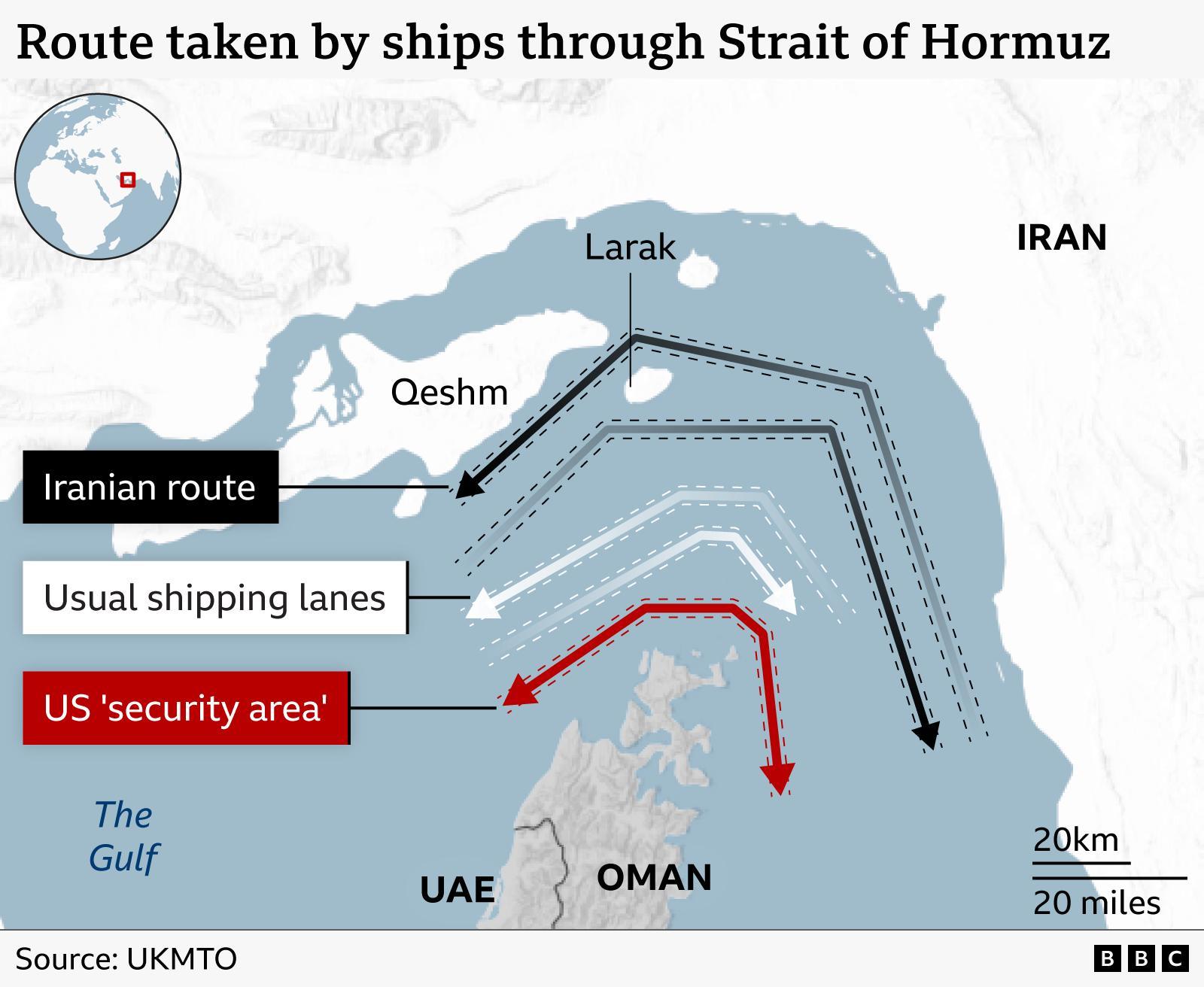
Freedom of navigation in Hormuz has emerged as a crucial topic in international relations, underscoring its significance not just for regional stability but for global commerce. In a recent conversation with Iranian President Masoud Pezeshkian, Indian Prime Minister Modi highlighted the importance of ensuring safe passage through the Strait of Hormuz, which is pivotal for oil and trade routes. The Strait of Hormuz news has been dominated by discussions on how diplomatic efforts in West Asia could foster peace, with India at the forefront of advocating for dialogue. PM Modi’s commitment to maintaining harmonious India-Iran relations emphasizes the necessity of navigation safety in Hormuz for both nations. As negotiations progress and tensions remain, understanding the interplay between maritime freedom and regional diplomacy will be essential for maintaining peace in the area.
The concept of navigational freedom in the Strait of Hormuz encompasses broader themes related to maritime rights and international trade security. This vital waterway, often referred to as the gateway to energy supplies, plays an indispensable role in the stability of West Asian geopolitics. Recent dialogues, particularly between India and Iran, underscore the need for robust discussions aimed at reinforcing peace and safety in navigation. Moreover, the evolving dynamics of India-Iran relations in light of ongoing peace talks provide a unique lens through which to view the significance of these maritime corridors. As regional powers engage in constructive diplomatic efforts, the implications for navigation safety in Hormuz are considerable, impacting both economic and geopolitical landscapes.
Importance of Freedom of Navigation in the Strait of Hormuz
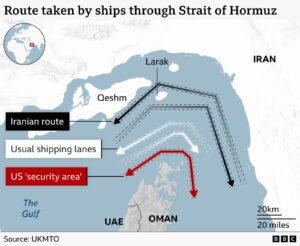
The Strait of Hormuz serves as a vital maritime route, where approximately 20% of the world’s oil supplies transit daily. Given India’s increasing energy needs, PM Modi underscored the significance of freedom of navigation in Hormuz for both geopolitical stability and economic security. This strait’s strategic importance extends beyond just oil; it also embodies a critical passage for global trade and maritime navigation rights, necessitating international cooperation to safeguard it from potential threats.
PM Modi’s recent dialogue with Iranian President Masoud Pezeshkian reflects India’s commitment to upholding navigation safety in the Strait of Hormuz. The discussions emphasized a proactive diplomatic approach where mutual respect for maritime laws and bilateral relations can foster a stable environment for navigation. Additionally, Modi’s emphasis on dialogue signifies India’s awareness of the broader implications of regional tensions on global trade routes and the importance of collaborating with nations in West Asia to ensure a secure passage for all.
Recent Developments in West Asia and India-Iran Relations
The ongoing evolution of PM Modi’s relationship with Iran is reflective of India’s strategic interests in West Asia. With the complexities of the region, highlighted by conflict and diplomatic negotiations such as the recent interim peace agreement, India has managed to balance its partnerships with both GCC nations and Iran. Modi’s expression of support for the understanding reached between the US and Iran indicates India’s role as a mediator and a proponent of peace talks, crucial for regional stability.
Discussions surrounding India and Iran’s future cooperation are accompanied by significant geopolitical events, including the recent war that erupted in West Asia. As noted by PM Modi, these diplomatic efforts are crucial not only to ensure the safety of navigation in Hormuz but also to promote a comprehensive dialogue that addresses enduring regional challenges. Engagements such as Modi’s outreach to Pezeshkian signal a commitment to fostering positive relations, which can lead to more collaborative efforts in peace talks and stability in the broader West Asian region.
The Role of Diplomacy in West Asia’s Security Landscape
As tensions escalate in West Asia, diplomacy emerges as a crucial mechanism for conflict resolution. PM Modi’s reiteration of the importance of dialogue showcases India’s commitment to peace and security. Engaging in discussions with leaders such as Masoud Pezeshkian not only provides insights into regional dynamics but also solidifies India’s position as a key player capable of influencing the peace process. The Indian government’s emphasis on diplomatic routes is a testament to the evolving complexities of international relations where military might is complemented by robust negotiation efforts.
Moreover, India’s approach in West Asia underscores the need for collaborative strategies among nations aimed at maintaining navigation safety in the Strait of Hormuz. The balancing act demonstrated by PM Modi—backing GCC countries while engaging meaningfully with Iran—highlights the potential for collaborative peace efforts. In this light, diplomatic channels could indeed serve as an avenue for mitigating conflict and enhancing trust, thereby fostering a climate where freedom of navigation is seen as a shared responsibility.
PM Modi’s Vision for Lasting Peace in the Region
PM Modi’s philosophy toward achieving lasting peace in West Asia revolves around the tenet of sustained communication and collaborative engagement. The Indian Prime Minister has acknowledged that enduring stability can only be accomplished through cooperation and dialogue, especially in the context of conflicts affecting navigation safety in significant regions like the Hormuz Strait. By holding discussions with Iranian officials, Modi aims to sow the seeds of mutual understanding and trust, essential components for any long-term resolution.
Moreover, PM Modi’s proactive stance in engaging with various stakeholders in West Asia demonstrates India’s dedication towards fostering a peaceful atmosphere conducive for trade and navigation. The upcoming funeral of Supreme Leader Ali Khamenei, where Modi was invited but decided to send a special delegation instead, reflects a strategic decision to maintain dialogue without delving too deep into the internal politics of Iran. This balance is critical for nurturing India-Iran relations and ensuring that diplomatic efforts are prioritized as foundations for peace talks.
Navigating Through Challenges: India’s Diplomatic Strategy
India’s diplomatic strategy in West Asia, particularly concerning Iran, is shaped by its national interests as well as a commitment to global peace. With rising tensions and security challenges, PM Modi’s government has adopted an approach that emphasizes engagement over confrontation, showcasing a diplomatic acumen that aims to navigate through the complex regional landscape. The initiative to emphasize freedom of navigation in the Hormuz Strait encapsulates this strategy, highlighting India’s role not just as a participant in regional affairs, but as a contributing partner to maritime security.
The multifaceted challenges that arise from the intersection of geopolitics and energy security require careful negotiation and foresight. In recent communications with Iranian leaders, PM Modi has stressed that fostering harmonious relationships can lead to collaborative efforts, minimizing the potential for conflict. As India continues to advocate for stability and safety of navigation in Hormuz, it strengthens its position as a key player striving for peace amid the uncertainties inherent in West Asia.
Energy Security: The Critical Nexus Between India and Iran
Energy security is a pivotal theme in India’s diplomatic interactions with Iran, especially in the wake of the economic strains from geopolitical tensions. The Strait of Hormuz stands as the artery of global oil supply, and with India’s growing energy requirements, securing an uninterrupted flow of resources is critical. PM Modi’s dialogue with Masoud Pezeshkian reflects a strategic understanding that energy partnerships are integral to both nations’ future, particularly as they explore avenues for sustained growth and cooperation.
Beyond mere economic transactions, the partnership embodies a deeper reinforcement of diplomatic ties and regional cooperation. With the Iranian government acknowledging India’s strategic interests, discussions led by Modi aim to not only solidify energy agreements but also enhance safety measures for navigation through Hormuz. Such actions showcase a collective commitment to ensuring security in maritime channels, affirming the interconnectedness of energy and diplomatic stability in currying favor with regional allies.
India’s Role in Regional Peace Talks
India’s proactive involvement in fostering peace talks in West Asia places it at a strategic advantage, as a nation that balances relations with various stakeholders. PM Modi’s commitment to facilitating dialogue, especially in light of the interim peace agreement, underscores India’s growing diplomatic footprint in the region. Engaging constructively with Iran and other nations, India is positioning itself as a vested player in creating a balanced framework for ongoing peace processes.
In addition, PM Modi has emphasized the importance of consensual approaches to resolving outstanding issues, which resonates with the longstanding international norms of negotiation and conflict resolution. As discussions on maritime safety in Hormuz link directly to the broader peace dialogues, India’s involvement represents a multifaceted approach to diplomacy that integrates economic concerns with geopolitical stability, enriching its foreign policy objectives and contributing positively to West Asia.
Impacts of Diplomatic Engagement on Trade Relations
Exploring trade relations through the lens of diplomatic engagement reveals the underlying benefits for India in its dealings with Iran. PM Modi’s efforts to engage with Iranian leadership are not merely political gestures; they are calculated steps aimed at re-establishing and strengthening trade links that have historically been crucial. As the nation navigates through diplomatic waters, the emphasis on mutually beneficial trade agreements indicates India’s intent to reinforce its economic interests while fostering peace.
The positive effects of such diplomatic engagements extend beyond bilateral trade; they create a framework for enhancing robust regional connectivity. By prioritizing open dialogue with Pezeshkian and other leaders, India signals its readiness to participate in collaborative initiatives that enable smoother operations for navigation and commerce in important maritime routes like the Hormuz Strait. This dynamic intertwines economic aspirations with diplomatic efforts, promoting a comprehensive strategy for sustainable development.
Building Alliances for Maritime Security
In the ever-evolving landscape of global security, building alliances for maritime security has become essential, especially in critical regions like the Strait of Hormuz. PM Modi’s emphasis on cooperation during his discussions with Iranian counterparts underlines a substantial commitment to safeguarding vital shipping lanes. The partnerships formed through such engagements not only bolster India’s national interests but also solidify a collective focus on ensuring safe navigation against potential threats.
Moreover, India’s initiative to foster alliances within West Asia reflects a proactive approach to maintaining stability in maritime domains. By engaging in dialogues that prioritize freedom of navigation, PM Modi sets a precedent for collaborative security efforts that could mitigate risks faced by international shipping. As the Indian government navigates complex diplomatic ties, the focus remains on reinforcing alliances that genuinely enhance the safety of navigation in strategic waterways crucial to global trade.
Frequently Asked Questions
What are the implications of freedom of navigation in Hormuz for India and global trade?
Freedom of navigation in the Strait of Hormuz is crucial for India and global trade as approximately 20% of the world’s oil passes through this vital waterway. PM Modi highlighted its significance in his recent discussions with Iranian President Masoud Pezeshkian. Ensuring navigation safety in Hormuz is imperative for maintaining steady energy supplies and fostering economic stability in West Asia, a region of keen interest for India, particularly with ongoing diplomatic efforts to strengthen India-Iran relations.
| Key Points | Details |
|---|---|
| Importance of Freedom of Navigation | PM Modi emphasized that freedom of navigation in the Strait of Hormuz is crucial for both India and global trade. |
| Recent Dialogues | Modi and Pezeshkian discussed the way forward amidst regional developments during a phone call. |
| India’s Position on Peace | Modi reiterated India’s stance that all foreign issues should be resolved through dialogue and diplomacy. |
| Delegation to Funeral | India is sending a special delegation to the funeral of Iran’s late Supreme Leader Ali Khamenei. |
Summary
Freedom of navigation in Hormuz is a vital theme that underscores the necessity of secure maritime passages for India and the broader international community. During a recent conversation, PM Modi highlighted its significance while addressing ongoing tensions in West Asia. The dialogue with Iran’s President Masoud Pezeshkian not only acknowledged recent developments but also welcomed the progress towards a diplomatic resolution of conflicts in the region. By fostering open communication channels and emphasizing peaceful negotiations, Modi aims to enhance stability and ensure uninterrupted commerce in an area that is crucial for global trade, particularly for oil transportation. The commitment to safeguarding freedom of navigation, as articulated by Modi, is essential for maintaining the economic interests of nations dependent on this strategic maritime route.