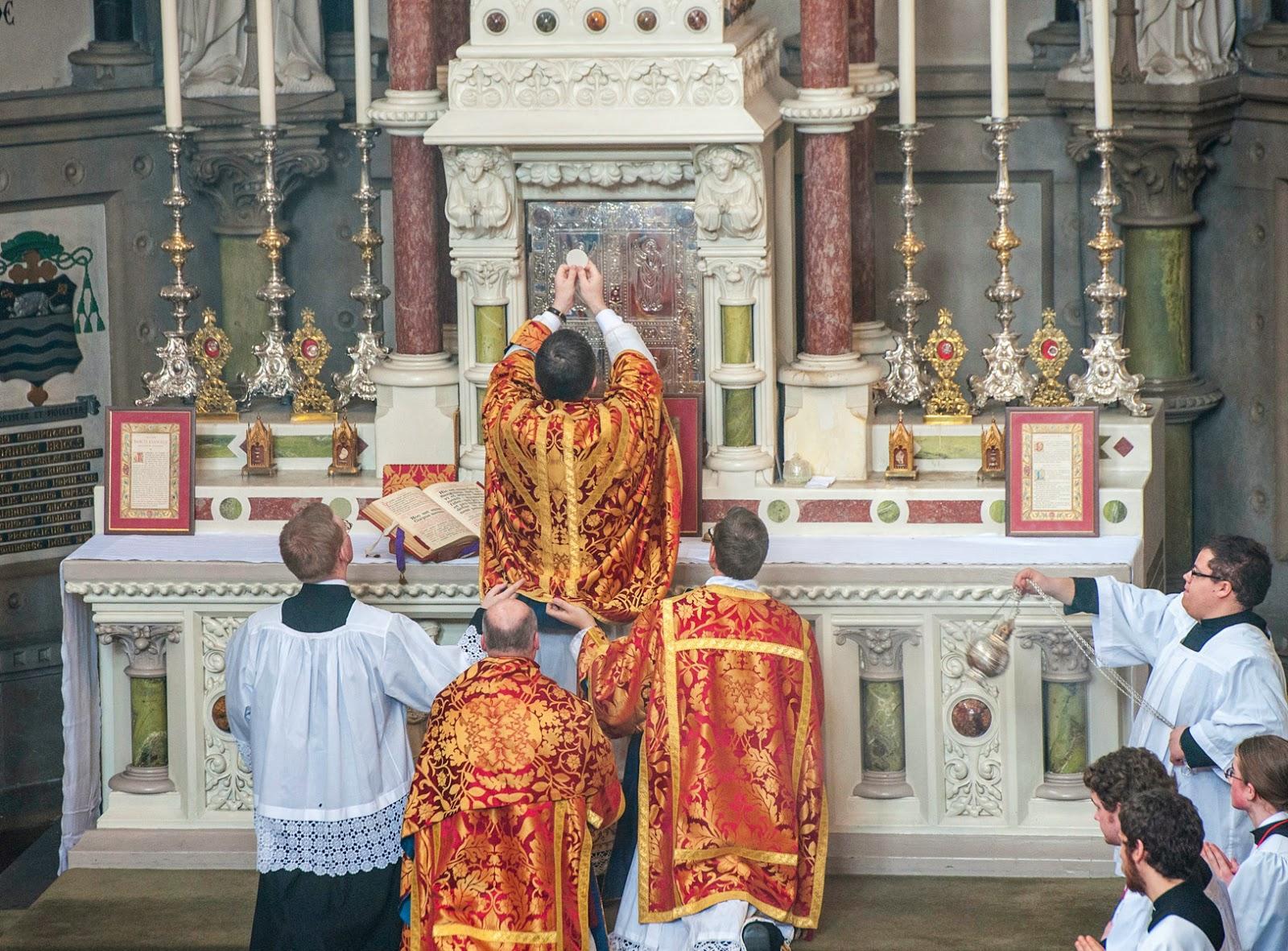
Latin Mass consecrations have become a focal point of tension within the Catholic Church, especially after traditionalist groups such as the Society of Saint Pius X defied Pope Leo XIV by consecrating four bishops without approval. This bold move, framed as a “sacred duty” to uphold the Catholic faith, illustrates a significant rift between the Vatican and those who hold fast to the ancient traditions of the Church. Despite warnings from Pope Leo XIV that such actions risk excommunication and deepen the Catholic schism, these traditionalists carried out the consecrations in Econe, Switzerland, underscoring their commitment to the traditional Latin Mass. For many Catholics, these bishop consecrations not only represent a violation of Church law but also challenge the authority of the Pope. As the debate over the future of the Church intensifies, this incident serves as a stark reminder of the ongoing struggle between modernity and tradition within Catholicism.
The recent events surrounding the consecration of bishops within the backdrop of the traditional Latin Mass highlight a crucial aspect of the contemporary Catholic experience. In a dramatic assertion of autonomy, the Society of Saint Pius X has performed these rites, invoking theological arguments that prioritize doctrinal fidelity over papal instruction. This clash of authority not only sparks discussions about the nature of schism but also sheds light on the diverse perspectives within the Catholic community regarding liturgical practice. With figures like Pope Leo XIV at the helm, the official stance of the Vatican clashes with the convictions held by traditionalists who see a return to older forms of worship as essential for the faith’s integrity. As these dynamics unfold, they invite reflection on how authority, tradition, and community interact in shaping the future of Catholicism.
Latin Mass Consecrations: A Defiance of Papal Authority
In an unprecedented move, traditionalists have chosen to carry out Latin Mass consecrations despite direct opposition from Pope Leo XIV. This bold act, orchestrated by the Society of Saint Pius X (SSPX), sees the consecration of four bishops without the approval of the Holy See. The SSPX’s justification for this rite stems from a perceived duty to uphold the sacred traditions of the Catholic Church against what they view as detrimental modern changes. By positioning the act of consecration as vital to their faith, they claim immunity from the repercussions outlined by the Vatican. The traditional Latin Mass, which continues to draw significant support, is seen by SSPX and its followers as a pure form of Catholic worship, untainted by contemporary shifts within the Church hierarchy.
The consequences of these Latin Mass consecrations are severe. According to church law, both the consecrated bishops and the officiating bishop automatically incur excommunication. Pope Leo XIV has denounced this act as a “sin of extreme gravity,” indicating that such moves risk deepening the fractures within the Catholic community. The celebratory nature of the consecration ceremony, with its festive bells and a large gathering of priests and laity, reflects a resolve among traditionalists to forge ahead in their mission – even in the face of papal warnings and potential schism. Their conviction highlights the ongoing tension between notions of authority, tradition, and adherence to the Pope.
For many within the Catholic Church, the actions taken by the SSPX represent a troubling disregard for papal authority, echoing the sentiments of those who believe that the Catholic schism is exacerbated by such defiance. Critics point out that the very essence of being a member of the Catholic faith lies in obedience to the Holy Father. Rev. Robert Gahl from the Catholic University of America articulates this perspective by stating, “You cannot serve tradition while disobeying the Church and its authority.” This statement underscores a core belief that maintaining unity with the Pope is essential, even as some factions within the Church pursue alternative paths. The SSPX’s use of Latin Mass highlights the tension between maintaining religious tradition and the need for compliance with papal directives.
The Society of Saint Pius X: Defenders of Tradition
Founded by Bishop Marcel Lefebvre in 1970, the Society of Saint Pius X seeks to preserve the ancient rituals and doctrines of the Catholic Church, particularly in the face of significant changes brought on by the Second Vatican Council. The society’s establishment was a direct response to what Lefebvre and his followers viewed as a liberalization of Catholic worship that compromised the Church’s core values. By continuing to celebrate the traditional Latin Mass, the SSPX embodies a commitment to what they regard as the true essence of Catholic faith. Their recent actions of consecrating bishops represent a call to arms for traditionalists who feel marginalized by the contemporary Church’s leadership.
Supporters of the SSPX, including attendees of the Latin Mass consecrations, see this group as guardians against the erosion of sacred traditions. With statements declaring their actions a “sacred duty,” the SSPX positions itself as a bulwark against modernism within the faith. The society contends that their approach is steeped in necessity, driven by the urgency of preserving Catholic orthodoxy for future generations. The accompanying festive environment, complete with commemorative materials and media promotion, further emphasizes their resolve to continue their mission of safeguarding tradition against perceived threats.
However, the SSPX is not without its controversies and challenges. The schismatic label tied to its actions has led to a complicated relationship with the Vatican. In the eyes of many Catholics, particularly those allied with the Pope, the SSPX’s actions not only threaten the unity of the Church but also set a dangerous precedent for disobedience among the faithful. Through the years, attempts for reconciliation between the SSPX and the Vatican have occurred, but trust remains elusive. The ongoing tensions demonstrate that while the SSPX champions the cause of traditionalism, they simultaneously navigate the precarious waters of Church law and unity, all while advocating for a return to the authentic Catholic experience.
Consequences of Latin Mass Traditions on Church Unity
The consequences of Latin Mass traditions, particularly those enacted by the SSPX, extend far beyond the immediate act of consecrating bishops. There is a profound impact on the overall unity of the Catholic Church, especially in the face of a globalizing society that often calls for adaptation and modernization. With traditionalist groups openly challenging the Vatican’s authority, there is a fear that the fabric of the Church could be further shredded, leading to wider theological divides. Pope Leo XIV’s admonitions emphasize the potential harm such acts could pose to the faithful, as they could sow discord among parish communities and weaken the collective identity of Catholics worldwide.
Moreover, this divide brings to light the theological battle that mirrors the political schisms seen in society at large. Where some view the SSPX’s actions as bravely standing up for time-honored beliefs, others perceive it as a dangerous trend of increasingly bold defiance against papal authority, threatening the ecclesial structure as established by centuries of doctrine and governance. As dialogues around modernization continue, the ability for factions within the Church to maintain their identity while respecting the Holy See becomes crucial in nurturing a contemporary yet unified faith community.
Ultimately, the push for the traditional Latin Mass by groups like the SSPX symbolizes more than just a preference for a style of worship; it reflects deeper convictions about identity, authority, and the future of Catholicism. Each Latin Mass consecration performed in defiance of papal directives serves to galvanize those who feel their beliefs require protection from modernist influences while simultaneously risking the potential for schism. The ongoing discussion about the balance of tradition and progress in the Church is essential, underscoring the reality that maintaining unity while honoring differing perspectives can be a challenging endeavor. The future of the Catholic Church may hinge on navigating these tensions with sensitivity and a commitment to both heritage and communion.
Frequently Asked Questions
What are the implications of the Society of Saint Pius X’s Latin Mass consecrations without papal approval?
The Society of Saint Pius X (SSPX) performed Latin Mass consecrations by ordaining bishops without the consent of Pope Leo XIV, which has notable implications. According to Catholic canon law, such consecrations are considered schismatic acts, leading to automatic excommunication for both the newly consecrated bishops and the officiating bishop. This situation reflects a significant tension between traditionalists who favor the centuries-old Latin Mass and the contemporary Catholic Church’s authority, emphasizing a potential schism within the Church.
| Key Points |
|---|
| Traditionalists have consecrated four bishops without Pope Leo XIV’s approval, risking excommunication and schism. |
| The Society of Saint Pius X (SSPX) argues that these actions are a ‘sacred duty’ in defense of Catholic faith. |
| Pope Leo XIV warned that this act is a ‘sin of extreme gravity’ and detrimental to the faithful. |
| The consecration took place in Econe, Switzerland, despite previous appeals from the Pope. |
| The event included a large attendance of priests and faithful supporters of the traditional Latin Mass. |
| SSPX was founded in 1970 by Marcel Lefebvre, opposing the changes from the Second Vatican Council. |
| The ceremony was described as festive with participants receiving caps and commemorative items. |
Summary
Latin Mass consecrations have become a point of controversy within the Catholic Church, particularly as traditionalists like the Society of Saint Pius X (SSPX) proceed with consecrating bishops without papal permission. Their actions, which they justify as a necessary defense of the faith and tradition, have reignited debates about authority and obedience to the Church. While their celebrations reflect a deep commitment to the Latin Mass, the potential for schism highlights the tensions between modernization and tradition in contemporary Catholicism. As this conflict unfolds, it raises pivotal questions about the future of the Church and the role of tradition in an evolving religious landscape.