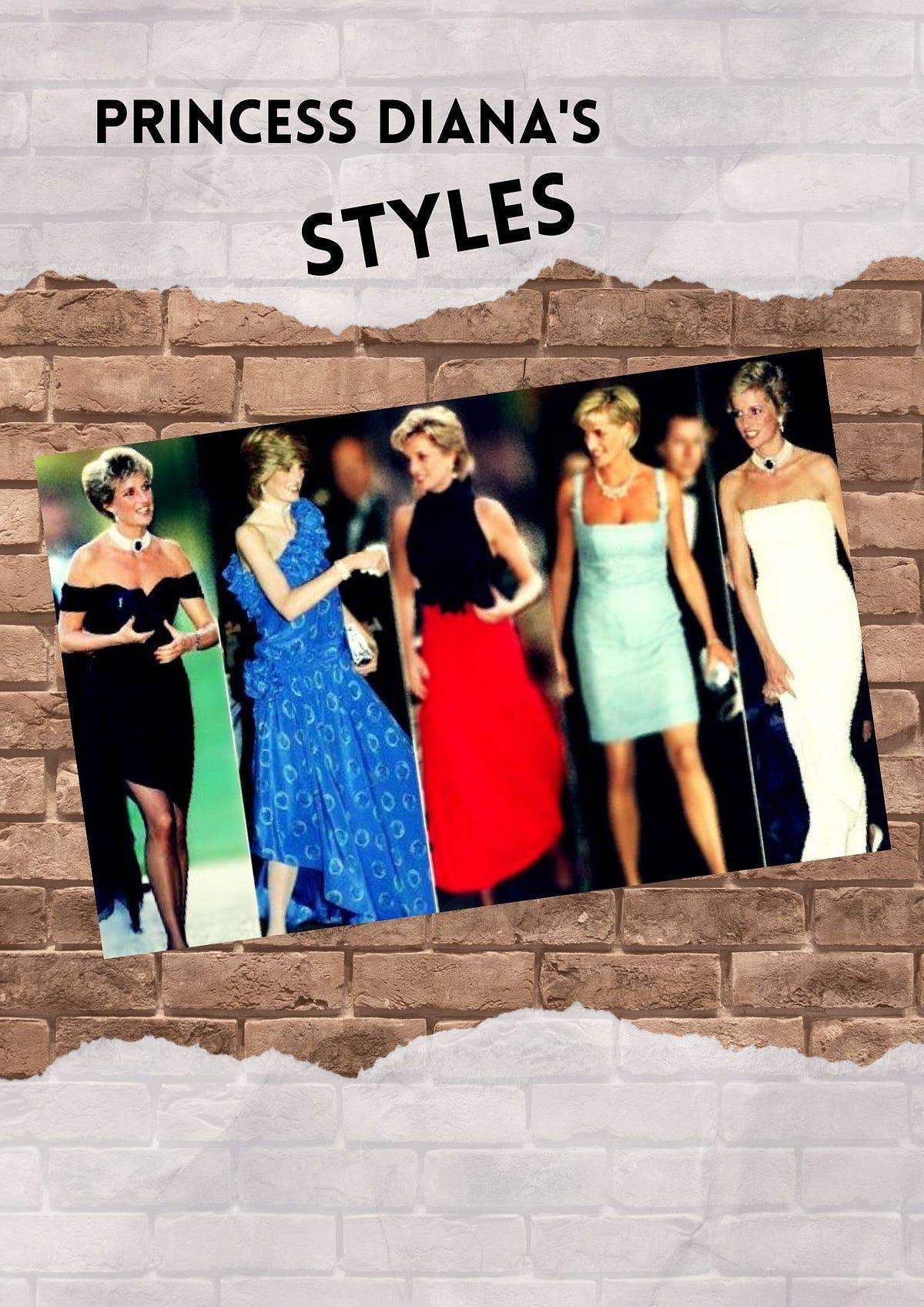
Princess Diana, a name that resonates across generations, has captured the hearts of many, especially among Gen Z. Even though she tragically passed away before most of them were born, her compelling legacy continues to thrive in the cultural consciousness of today’s youth. This fascination stems not only from her fairy tale-like narrative of marrying into the British royal family but also from her roles as a feminist icon and a compassionate humanitarian. Gen Z’s love for Princess Diana showcases their appreciation for authenticity in an era often dominated by curated perfection. As memes proliferate and documentaries explore her life, the cultural impact of Princess Diana remains undeniable, making her relevance timeless.
Diana’s enduring allure persists today due to a blend of nostalgia and modern interpretation. This cultural phenomenon surrounding her life and work extends to her influence as an iconic figure transcending traditional royal duties. Her status as a feminist role model resonates with younger generations, particularly as they navigate contemporary issues of empowerment and individuality. The landscape of popular culture is enriched by the evergreen discussions about Diana’s legacy, illuminating why she remains a captivating subject for analysis and admiration. By embracing her multifaceted identity, many find inspiration in Diana’s journey, reflecting the complexities of modern femininity and activism.
Gen Z’s Fascination with Princess Diana
Despite never having lived through her life or times, Gen Z’s fascination with Princess Diana is a testament to her enduring appeal and the power of her narrative. This demographic connects with her through an array of digital platforms that preserve her legacy—social media accounts dedicated to her iconic looks and moments have transformed her into a phenomenon recognized by younger audiences. Diana’s story unfolds in small, digestible fragments: a touching moment with her sons, her charity work, and her unapologetic quest for happiness all resonate with a generation seeking authenticity and vulnerability in their heroes. The clips saturating social media capture the essence of who she was, allowing Gen Z to relate to her struggles and triumphs on a personal level, transcending time and culture.
The juxtaposition of the polished royal image against Diana’s candid moments effectively highlights her multifaceted character. Gen Z often grapples with the pressures of curated perfection in social media, making Diana’s raw honesty a stark contrast that draws them in. Her journey from a shy, reserved woman to the ‘People’s Princess’ symbolizes a universal struggle for identity and self-acceptance, making her more than just a historical figure; she evolves into a cultural icon that represents personal empowerment. This connection is particularly relevant in a time marked by social justice movements, where Diana’s activism and empathetic nature are viewed as revolutionary, endearing her to a generation eager for role models who embody similar values.
Moreover, Diana’s tale serves as a reflection of contemporary societal shifts, particularly regarding gender roles and expectations. While she lived in a world that often sought to control her narrative, her defiance against such scrutiny resonates deeply with Gen Z’s beliefs in feminism and personal agency. As a feminist icon who navigated the patriarchal structures of royal life, Diana’s story inspires young people who reject rigid definitions of femininity. Her candid moments, whether during her marriage struggles or in her charitable endeavors, challenge traditional roles expected of women, leading many to view her as a precursor to modern feminist movements. This rich narrative allows Gen Z to find a part of themselves in her journey, elevating a historical figure into a contemporary lens through which to view their own lives.
Princess Diana as a Feminist Icon
Princess Diana’s legacy as a feminist icon is anchored in her ability to challenge the conventions of her time while remaining relatable to those who idolize her. Even years after her death, her compassion and outreach give her a mythical status that defines her as one of the first modern feminists within royal confines. She broke barriers by choosing to engage with marginalized communities during a time when such actions were deemed controversial, exemplifying her belief that true leadership involves empathy and connection rather than detachment and hierarchy. This commitment to humanitarian issues transformed her into an early champion for causes that resonate with Gen Z, including mental health advocacy and awareness around HIV/AIDS, acknowledging dimensions of feminism that extend beyond traditional societal expectations.
Furthermore, Diana’s emphasis on authenticity, self-expression, and body image resonates strongly within the Gen Z ethos, which prioritizes inclusivity and individuality. She spoke openly about her struggles with mental health and body image, revealing a level of vulnerability that challenges normative representations of women in public life. By sharing her personal experiences, Diana dismantled the expectations placed on women, inviting younger generations to embrace their stories, flaws, and struggles without fear of judgment. Gen Z appreciates this vital connection; they see her not merely as a public figure but as a relatable person—a dichotomy that underscores the feminist belief in the power of vulnerability as strength.
Additionally, Diana’s unique stance on issues often silenced in mainstream dialogues, such as mental health, reflects current feminist discourse encouraging open conversation and breaking stigmas. Her willingness to address these matters highlights a shift in societal norms, presenting her as a trailblazer for mental health awareness, paralleling today’s growing acceptance of mental wellness as essential to overall well-being. This honest engagement with mental health issues resonates particularly with a generation that prioritizes self-care and well-being, contributing to the public’s ongoing fascination with Diana as the archetypal ‘people’s princess.’ In this way, her legacy not only persists but flourishes as Gen Z champions these conversations, transmuting her historical significance into an evolving narrative that fuels a revolution of self-advocacy and empowerment.
Princess Diana’s Cultural Impact and Legacy
The cultural impact of Princess Diana is vast and multifaceted, touching on issues of celebrity, activism, and personal identity. Her role within the royal family was marked by unprecedented public engagement, allowing her to become a bridge between the monarchy and the people. This connection not only humanized her but also created a legacy of aligning royalty with social responsibility—an impact still felt today. Digital platforms that curate her appearances and philanthropic efforts continuously serve to amplify her influence among younger generations who view her through a contemporary lens. The significance of her engagements—like addressing HIV/AIDS patients—demonstrated a pivotal moment in history when royal figures often avoided societal issues, further solidifying her as a cultural icon dedicated to social change.
Gen Z engages with Diana’s cultural impact not just as spectators but as advocates for change themselves. The increasing prominence of social justice in today’s discussions echoes Diana’s proactive approach to societal issues. As modern activism takes shape, her legacy continues to inspire conversations around vulnerability and empathy as necessary components of leadership. Young advocates today draw parallels between Diana’s authentic engagements and their efforts to reshape public narrative, fostering an environment where compassion and authenticity thrive. Her life offers a framework for Gen Z to discuss broader topics such as mental health, human rights, and personal identity, illustrating that true influence transcends time, becoming a part of a collective dialogue.
Moreover, Diana’s story has evolved beyond mere historical significance to embody a cultural touchstone for ideas around feminism and self-advocacy. The contrast between her lived experiences and the curated perfection often associated with public figures invites reflection on authenticity in celebrity culture. Just as Gen Z navigates the complexities of their own digital lives, Diana’s narrative provides a context for exploring the tension between public perception and personal identity—an ever-relevant theme today. As younger audiences engage in discussions about self-image and social justice, they find an ally in Diana, whose journey reflects their aspirations for empathy-driven leadership and a more inclusive society. Every resurfacing of her story reminds us that her influence is both a reverberation of the past and a blueprint for a more compassionate future.
Why Gen Z Loves Princess Diana
The adoration for Princess Diana among Gen Z can be attributed to her embodiment of authenticity in a world increasingly dominated by curated personas. This generation has grown up in an era of social media that often highlights the superficial aspects of life, leading them to crave genuine connections and relatable role models. Diana’s candid moments—such as her humorous interactions with photographers and her heartfelt gestures towards marginalized communities—reflect a sincerity that resonates deeply with a generation that values realness over facade. Her ability to navigate both the highs and lows of life, while remaining grounded, positions her as a figure who speaks to their desire for authenticity in a time of overwhelming societal pressure.
Additionally, the emotional depth captured in Diana’s interviews and public appearances offers a modern reflection of the complexities of life that Gen Z grapples with daily. Her struggles with mental health, highlighted in her candid discussions about bulimia and depression, speak directly to a generation that prioritizes mental wellness and seeks to challenge the stigmas surrounding mental health. This shared understanding fosters a bond between Diana and Gen Z, allowing them to feel seen and acknowledged. As they seek out narratives that champion vulnerability and self-care, Diana’s legacy emerges as a beacon of hope and reminds them of the importance of caring for oneself amidst external expectations.
Moreover, Diana’s fashion sense and style hold a special allure for Gen Z, who often seek to express their individuality through clothing choices. Her iconic “revenge dress” serves as a symbol of empowerment and defiance, encapsulating the notion of reclaiming power in the face of adversity—an ideology that resonates profoundly in today’s cultural climate. Through platforms like TikTok and Instagram, young people frequently recreate and reinterpret her iconic looks, adapting her fashion statements into modern expressions of their own identities. Each revival of her style represents not only admiration but a deeper connection to her ethos of self-expression and confidence, allowing Gen Z to utilize her legacy as a canvas for their own creativity.
Diana’s Role in Mental Health Awareness
Princess Diana’s candid discussions about mental health played a pivotal role in shaping the conversation around this often-taboo topic during her time. By openly sharing her experiences with bulimia, depression, and anxiety, she courageously illuminated the struggles many face in silence, providing an influential precedent that resonates within current dialogues about mental wellness. Her willingness to address her vulnerabilities transformed public perspective, encouraging individuals to speak out and seek help without shame. For Gen Z, who consistently advocates for mental health, Diana’s groundbreaking approach comes off as revolutionary—she was one of the first public figures to challenge the silence surrounding psychological struggles, thus laying groundwork for more open conversations about mental health in society at large.
Furthermore, her advocacy extended beyond personal experience, evident in her charitable engagements related to mental health. Collaborating with organizations aimed at promoting mental health awareness, Diana’s outreach helped confront stigma and urged society to prioritize mental well-being. As mental health becomes a central theme in Gen Z’s dialogue, her legacy continues to inspire this generation to seek honesty in discussing personal struggles. They have embraced her story as part of their cultural canon—one that showcases the necessity of vulnerability while pushing for a collective push towards acceptance, understanding, and healing. In championing mental health, Princess Diana’s legacy has been enshrined not just as a royal figure but as an enduring advocate for personal and societal wellness.
Diana as the Mother Gen Z Envisions
Princess Diana’s approach to motherhood captivates Gen Z, as many relate to her desire to blend affection with a strong sense of independence. Her parenting style, which prioritized genuine experiences over royal protocols, turns her into the archetype of the mother that many young people wish they had. Footage of Diana playing with her sons, engaging in playful activities, and advocating for their emotional well-being portrays her as a nurturing figure who navigated the complexities of parenthood with grace. These glimpses resonate with Gen Z’s desire for familial connections grounded in love and understanding, far removed from traditional expectations. When they envision the ideal mother, many see Diana’s warmth and penchant for life—the embodying spirit of relatability and connection that promotes emotional health.
Moreover, Diana’s efforts to diversify her children’s experiences—taking them to amusement parks, fast-food restaurants, and even humanitarian missions—reflect a modern vision of parenting that Gen Z values: exposure to the world beyond privilege. Her intention to raise her sons with an awareness of societal issues speaks to a generation that prioritizes empathy and awareness. In a world that often feels increasingly disconnected, Diana’s legacy as a mother continues to inspire Gen Z to embrace their roles in creating nurturing environments filled with open communication, emotional intelligence, and love. Thus, she remains not only a cultural icon but also a maternal figure whose influence fosters a deeper understanding of the complexities of modern parenting.
The Layers of Diana’s Authenticity
Princess Diana’s story unfolds through rich layers of authenticity that continue to captivate Gen Z. This generation often seeks to navigate a landscape where authenticity is frequently obscured by performance; therefore, Diana’s unfiltered journey through the challenges of fame, personal strife, and societal pressures serves as a refreshing narrative. Her ability to embody vulnerability—whether through her candid interviews discussing her mental health struggles or her compassionate embrace of AIDS victims—allows her to resonate with a demographic yearning for real, unshielded stories. Each aspect of her life story highlights the profound complexities of human experience, making her authenticity a beacon for those seeking genuine connection within today’s often superficial narratives of success and beauty.
In a time characterized by social media filters and curated personas, Diana’s legacy teaches valuable lessons about the importance of embracing flaws and displaying emotional honesty. Her candid approach drew attention to the reality of human experience, fostering discussions that emphasize growth and self-acceptance—a notion that aligns perfectly with Gen Z values. As they face similar pressures and expectations, Diana’s story inspires them to celebrate their individuality while recognizing the beauty found in life’s imperfections. This enduring authenticity fortifies Diana’s position as a significant icon for an entire generation, representing resilience, empathy, and a fierce commitment to live life on one’s own terms.
Ultimately, the layers of Diana’s story expose the fragility of identity within rigid societal structures, enabling Gen Z to see in her a reflection of their own struggles. Whether through feminist perspectives on her activism, her insights into mental health, or her heartwarming moments as a mother, her narrative speaks volumes to a generation shaping their identities around empathy and authenticity. The complexities that defined her—balancing public expectations with personal truth—allow Gen Z to engage with her legacy as they carve their own paths. Through the lens of Diana’s multifaceted life, they glean lessons on the importance of being true to oneself amidst external pressures, making her an intricate part of their collective cultural narrative.
Frequently Asked Questions
Why is Gen Z fascinated with Princess Diana despite her not being from their generation?
Gen Z’s fascination with Princess Diana stems from her embodiment of authenticity and vulnerability, qualities that resonate deeply with a generation seeking genuine connections in a curated social media landscape. Clips of her candid interviews, her humanitarian work, and iconoclastic fashion choices, like the ‘revenge dress’, showcase a woman who defied royal norms and connected with people on a personal level. This relatability, combined with her legacy as a feminist icon, allows Gen Z to view her not just as historical figure but as a symbol of empowerment and resilience.
| Key Points | Description |
|---|---|
| Gen Z’s Fascination with Diana | Despite being born after her death, Gen Z is captivated by Princess Diana’s persona through social media, memes, and viral clips. |
| Diana’s Vulnerability | Diana’s visible vulnerabilities and empathetic approach resonate deeply with a generation that values authenticity. |
| Iconic Marriage | Her tumultuous marriage to Prince Charles, particularly the contrast in their engagement interview, has become a reference point for Gen Z to analyze relationships. |
| Timeless Fashion | Diana’s style remains relevant, especially her ‘revenge dress’, symbolizing resilience and independence. |
| Humanitarian Legacy | Her touching activism, including shaking hands with AIDS patients and landmine campaigning, reflects her dedication to important causes, shaping her image as a compassionate figure. |
| Mental Health Advocate | Diana spoke openly about her mental health struggles, resonating with Gen Z’s focus on mental wellness and self-care. |
| Relatable Mother | Her affectionate parenting style and desire to give her sons normal experiences create a maternal image that resonates with many young people. |
| Cultural Relevance | Diana transcends time through her multifaceted identity, challenging the notions of authenticity in modern celebrity culture. |
Summary
Princess Diana remains an iconic figure whose legacy continues to captivate the hearts of younger generations, particularly Gen Z. Her ability to connect through vulnerability and authenticity in a time constrained by royal expectations inspires many. Diana’s distinct fashion sense, unapologetic activism, and approach to motherhood contribute to her universal appeal, making her a relatable icon even decades after her passing. In a world increasingly obsessed with curated perfection, Princess Diana’s genuine spirit and complex persona offer a refreshing contrast, inviting new discussions about authenticity, resilience, and empathy in today’s society.