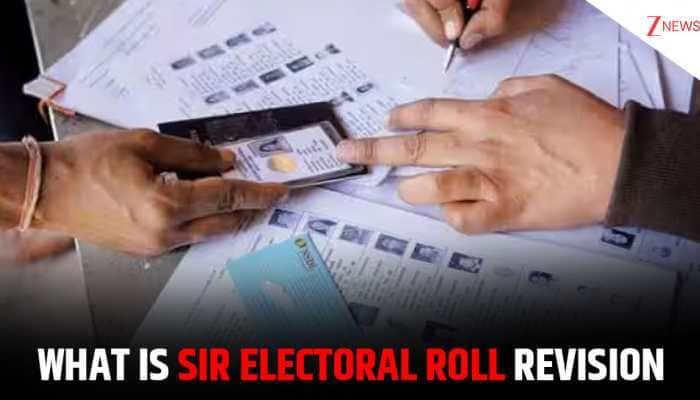
The SIR electoral rolls controversy has ignited fierce debate across India, as 23 opposition parties recently voiced their concerns over the electoral revision process. In a letter directed to the Chief Justice of India, these parties argue that the Election Commission demonstrates bias favoring the ruling BJP, undermining the integrity of India’s electoral rolls. With upcoming political maneuvers ahead of the Parliament monsoon session 2026, the opposition is mobilizing against perceived injustices associated with the SIR exercise, highlighting issues such as the inclusion of deceased individuals on voter lists. Prominent figures from various parties have joined forces, emphasizing the need to question the role of the Election Commission amid growing criticism. As these concerns escalate, the focus on fair and accurate electoral practices in India intensifies, raising pivotal questions about democracy and governance in the nation.
The ongoing debates surrounding the revision of voter registrations, commonly referred to as the SIR electoral initiative, have captured national attention and raised critical issues. A coalition of opposition parties has resorted to appealing directly to the judiciary, arguing that recent actions by the Election Commission exhibit bias that could undermine electoral integrity. This collective appeal emerges amid strategic discussions ahead of the upcoming parliamentary monsoon session in 2026, where election-related strategies are set to dominate. With rising scrutiny over the electoral rolls and allegations of manipulation, the opposition is determined to ensure that the principles of fairness and transparency remain at the forefront of the electoral process. As the political landscape evolves, the integrity of the voter enrollment process remains a hotbed of contention and public interest.
Understanding the SIR Electoral Rolls Controversy
The SIR electoral rolls controversy has emerged as a significant political issue in India, particularly amid accusations against the Election Commission for its alleged bias favoring the ruling Bharatiya Janata Party (BJP). As outlined in a letter sent to the Chief Justice of India by 23 opposition parties, there are pressing concerns about the integrity of the electoral rolls revision process. The opposition questions the methods employed during the Special Intensive Revision (SIR) exercise, claiming that the processes utilized may not only be flawed but also discriminatory, potentially impacting millions of voters. Opposition leaders assert that these revisions could lead to misrepresentations in voter demographics, which, if left unaddressed, could skew election results in favor of one party, undermining democracy itself.
Adding to the tension, the letter to the CJI highlights past instances of inaccuracies in the electoral rolls, such as the unfortunate inclusion of deceased individuals. This is particularly alarming in a state like Bengal, where the opposition has signaled imperfections that could present serious implications for the upcoming elections. The urgency of this matter was emphasized by political figures, including Congress president Mallikarjun Kharge and TMC’s Mamata Banerjee, who stressed that revising electoral rolls in such a scrutinized manner is crucial in maintaining public trust in the electoral process. The SIR exercise has thus become a talking point for a broader discourse on election integrity in India.
Opposition’s Call for Judicial Intervention
The opposition’s recent appeal to the judiciary emerges from a convoluted background of political rivalry and concerns regarding fair representation in the electoral process. In their letter, the coalition of opposition parties articulated that they view the judiciary as their last resort for justice amid troubling developments surrounding the SIR exercise. Highlighted within their claims was the perception of bias within the Election Commission, which they argued could be suppressing voter rights and skewing electoral outcomes during critical periods like the Parliament’s monsoon session set for later this year. For many opposition leaders, such as Rahul Gandhi and Akhilesh Yadav, the integrity of the electoral system is paramount and must be secured to ensure a fair democratic process.
Furthermore, the heart of this conflict goes beyond the immediate concerns of the SIR process; it touches upon larger themes of governance and accountability in the electoral framework of India. The opposition is advocating for transparency and a comprehensive timeline for the SIR while simultaneously urging action from the judiciary. This strategic push serves not just as a request for intervention, but also as a calculated move to galvanize public support against perceived injustices before the crucial 2026 elections. By framing their concerns in a manner that resonates with the general populace, they aim to rally public sentiment against the incumbent government and its electoral strategy.
Immediate Ramifications of SIR Exercise Concerns
The ramifications of the ongoing concerns regarding the SIR electoral rolls are poised to impact the political landscape in India significantly, especially with the impending 2026 elections. With the opposition raising alarms about potential manipulations, the call for accountability from the Election Commission has become a rallying point for various political factions. By pushing these issues to the forefront, they hope to sow doubt regarding the legitimacy of the electoral process, potentially affecting voter turnout and engagement. The opposition’s insistence on transparency and error correction mechanisms seeks not only to address current faults but also to establish precedents for future elections.
Moreover, the situation has engulfed the political arena, compelling parties to reassess their strategies and narratives as they prepare for the upcoming elections. Many are now focusing on the integrity of the voting process as a core theme of their campaigns, framing themselves as protectors of democracy against an alleged authoritarian regime. With figures such as Mamata Banerjee and Kapil Sibal publicly voicing their concerns, the push against SIR irregularities serves as a multifaceted strategy for the opposition, aiming to not only influence judicial outcomes but also to mobilize their voter base while casting doubts on the validity of the ruling party’s election claims.
The Role of the Election Commission in Electoral Fairness
The Election Commission of India (ECI) is pivotal in ensuring credible electoral processes, yet concerns regarding its impartiality have surfaced, particularly during the SIR exercise. The opposition’s allegations of bias have reignited discussions about the ECI’s role in safeguarding democratic principles. While the ECI traditionally upholds the integrity of elections, the current political climate has pushed the discourse into a realm where many are questioning whether it operates free from external influences. This sentiment is magnified in states like Tamil Nadu and Bihar, where discrepancies in SIR timelines suggest inconsistencies and potential biases in how electoral procedures are applied.
In response to these criticisms, the ECI has a challenging task: to reaffirm its commitment to impartiality while navigating a politically charged environment. This controversy necessitates that the Commission not only addresses the immediate concerns raised but also proactively develops measures to enhance the transparency and rigor of electoral processes such as the SIR exercise. Establishing clearer protocols and timelines may help to mitigate public concerns and restore faith in the electoral apparatus, especially as India approaches a critical juncture in its democratic journey.
Tensions Ahead of Parliament’s Monsoon Session 2026
The upcoming Parliament monsoon session in 2026 is set to be a pivotal moment for Indian politics, particularly in light of the ongoing conflicts surrounding the SIR electoral rolls. As the opposition gears up to tackle concerns about the electoral commission’s actions, it has galvanized a renewed sense of urgency among its ranks. The strategy against the perceived biases in the SIR process unfolds against the backdrop of heightened political stakes where electoral integrity is becoming central to the opposition’s agenda. This session could witness fierce debates and confrontations as opposing factions challenge government narratives and push for reforms.
Additionally, the unfolding scenario may lead to increased public interest and engagement surrounding parliamentary proceedings that could have long-term implications for the stability of the existing government. The opposition plans to leverage this session to highlight their grievances while drawing public support by framing themselves as defenders of fair electoral processes. The outcome of these discussions will not only define the political landscape in the immediate future but also set significant precedents for how electoral rolls are managed moving forward, potentially transforming the relationship between the electorate and those in power.
Frequently Asked Questions
What are the concerns raised by opposition parties regarding the SIR electoral rolls controversy in India?
The SIR electoral rolls controversy has sparked significant concerns among 23 opposition parties in India, who argue that the electoral rolls revision is carried out by a biased Election Commission. They claim that the process favors the ruling BJP, pointing to issues like the inclusion of deceased individuals in the rolls and discrepancies in data quality across states such as Bengal. They also highlight arbitrary timelines in the SIR exercises, particularly in states like Bihar and Tamil Nadu, advocating for a more standardized approach. The opposition’s letter to the Chief Justice of India underscores their belief that judicial intervention is crucial for ensuring a fair electoral process.
| Key Points | Details |
|---|---|
| Opposition Parties Involvement | 23 opposition parties including Congress, DMK, and AAP expressed concerns. |
| Concerns Over SIR | Allegations of bias in the electoral rolls revision by the Election Commission favoring BJP. |
| Leadership Signatures | Signatures from prominent leaders like Mallikarjun Kharge, Rahul Gandhi, and Mamata Banerjee included in the letter. |
| Quality of SIR Data | Past inaccuracies, such as deceased individuals appearing in the rolls, raised by the opposition to claim unfairness. |
| Differing Timelines | The opposition pointed out arbitrary timelines for SIR across different states like Bihar and Tamil Nadu. |
| Call to Action | Opposition parties are asking for a specific timeline to finish the SIR process. |
Summary
The SIR electoral rolls controversy has emerged as a significant issue, raising alarms among opposition parties regarding the fairness of the electoral process in India. With 23 political entities voicing concerns to the Chief Justice of India, allegations of bias against the Election Commission have come to the forefront, claiming that revisions are being conducted to benefit the ruling BJP party. The letter signed by prominent opposition figures highlights serious issues regarding the quality of data utilized in the SIR, alongside a call for uniformity in timelines across states. This controversy not only emphasizes the political tensions ahead of the upcoming Parliament session but also questions the integrity of the electoral framework, calling for urgent action from the judiciary to ensure fairness.