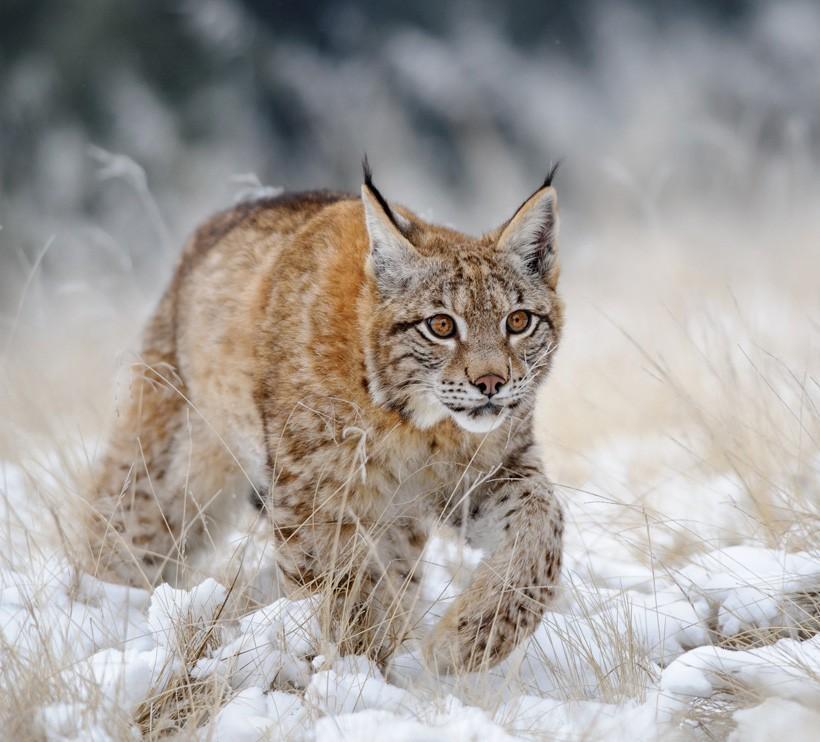
The Eurasian lynx, a magnificent and elusive wild cat, has captured the attention of wildlife enthusiasts and conservationists alike, particularly following its recent sighting in Sikkim. This remarkable animal, known for its characteristic ear tufts and striking appearance, has only been photographed a handful of times in the eastern Himalayan region. The latest photograph, taken at an impressive altitude of 5,250 meters on the Tso Lhamo plateau, marks a significant moment in the study of Himalayan wildlife. This event not only highlights the existence of the Eurasian lynx in Sikkim but also sheds light on the region’s high-altitude ecosystem, emphasizing the importance of ongoing conservation efforts. As researchers utilize camera trap photography, the data collected can enhance our understanding of the behavior and habitat requirements of this fascinating feline.
The identification of the Eurasian lynx in Sikkim contributes to the broader narrative of wild cat dynamics in the Himalayas, reflecting the region’s rich biodiversity. This sighting also serves as a testament to the success of collaborative conservation initiatives aimed at protecting high-altitude habitats and their inhabitants. With an emphasis on safeguarding unique wildlife, including the enigmatic lynx, efforts to document and monitor these species through advanced photographic techniques play a crucial role in environmental stewardship. The implications of such discoveries extend beyond mere observation; they underpin crucial discussions about the ecological integrity of the Himalayan environment and the critical steps needed to ensure its preservation.
The Significance of the Eurasian Lynx in Sikkim’s Ecosystem
The recent photographic capture of the Eurasian lynx in Sikkim is not just a remarkable achievement for wildlife photography but also a vital indicator of the health of the region’s high-altitude ecosystems. With an elevation of 5,250 meters, the Tso Lhamo plateau provides an ideal habitat for this elusive wild cat, which thrives in rugged terrains. This sighting adds to our understanding of the species’ distribution, illustrating that the Eurasian lynx may inhabit areas previously considered too challenging for this feline.
Moreover, this discovery amplifies the significance of conservation efforts focused on Himalayan wildlife. The presence of the Eurasian lynx signifies a functioning food web and ecological balance in these fragile terrains. By documenting the existence of such a species, conservationists can better advocate for protective measures to preserve not only the lynx but also the delicate high-altitude ecosystem it represents.
Camera Trap Photography: A Game Changer for Wildlife Research
Innovative techniques like camera trap photography have revolutionized the study of elusive species such as the Eurasian lynx. In Sikkim, the deployment of these cameras is part of a comprehensive monitoring program aimed at documenting wildlife interactions within high-altitude ecosystems. This method allows researchers to gather data on animal behavior, population density, and habitat use without disturbing the natural environment.
The effectiveness of camera traps in capturing images—like those of the Eurasian lynx—has led to unprecedented insights into Himalayan wildlife. As teams continue to analyze the photographs, they build a clearer picture of how various species coexist and interact within their habitats, ensuring better-informed conservation strategies for protecting these unique ecosystems.
Conservation Efforts in the Himalayan Region
Conservation initiatives in the Himalayan region are crucial for the survival of species like the Eurasian lynx. The collaborative efforts between local governments and organizations such as WWF-India have been instrumental in monitoring and protecting wildlife. The recent confirmation of the lynx’s presence in Sikkim exemplifies the success of these conservation strategies, providing a glimpse into the ecological richness of these heights.
Such efforts are vital in maintaining biodiversity and safeguarding the natural heritage of the Himalayas. Sikkim’s high-altitude ecosystem is home to a myriad of species that, like the Eurasian lynx, play critical roles in their habitats. Ongoing conservation work ensures the preservation of these intricate ecosystems, promoting not just the survival of the lynx but also the flourishing of various flora and fauna endemic to this awe-inspiring region.
Understanding the High-Altitude Ecosystem of Sikkim
The unique high-altitude ecosystem of Sikkim is shaped by its extreme weather conditions and diverse topography. These characteristics foster a particular assemblage of flora and fauna, adapted to life in the harsh setting. The recent sighting of the Eurasian lynx at 5,250 meters above sea level underscores the remarkable adaptability of species in this delicate environment, revealing a complex tapestry of ecological interactions.
Moreover, understanding this ecosystem is key to conservation efforts, as it illustrates how various species, from snow leopards to the elusive lynx, depend on one another for survival. Importantly, ongoing research and monitoring will help paint a clearer picture of the health of these ecosystems, guiding conservationists in their endeavors to protect the rich biodiversity endemic to the Himalayas.
Challenges Facing Himalayan Wildlife Conservation
While the recent photographic documentation of the Eurasian lynx is a significant breakthrough, it also highlights the myriad challenges faced in Himalayan wildlife conservation. Issues such as climate change, habitat degradation, and human-wildlife conflict threaten the fragile balance of high-altitude ecosystems. As temperatures rise and habitats shift, species like the Eurasian lynx may struggle to find suitable environments to thrive.
Moreover, with increasing human activities in previously remote regions, the pressure on wildlife habitats intensifies. Conservationists must navigate these challenges strategically, ensuring effective management practices that not only protect the Eurasian lynx but also promote coexistence between wildlife and local communities.
The Role of Community Engagement in Wildlife Protection
Community engagement plays a crucial role in the success of wildlife protection efforts in the Himalayan region. By involving local populations in conservation initiatives, organizations can foster a culture of stewardship toward wildlife like the Eurasian lynx. Education and awareness programs help communities understand the importance of preserving their natural heritage and motivate them to participate in efforts to protect endangered species.
Additionally, empowering local communities through sustainable practices can mitigate conflicts with wildlife. When residents see the tangible benefits of conservation—such as eco-tourism opportunities or improved resources—there’s a greater likelihood of their support in protecting species like the Eurasian lynx. Thus, creating a collaborative approach between conservators and the local populace is essential for ensuring the longevity of wildlife in Sikkim.
Monitoring and Research: Essential Tools for Conservation
Effective monitoring and research strategies are vital to understanding the dynamics of Himalayan wildlife, including the Eurasian lynx. Programs that utilize technology such as GPS tracking and camera traps allow researchers to collect invaluable data on animal movements and behaviors. This information is integral for formulating conservation strategies that are informed by scientific evidence.
Research efforts not only identify the current status of species populations but also track changes over time. By establishing a long-term monitoring framework, conservationists can detect early warning signs of population decline or habitat degradation, thus facilitating timely intervention measures to protect both the Eurasian lynx and the broader high-altitude ecosystem.
The Impact of Climate Change on Himalayan Biodiversity
Climate change poses an unprecedented threat to Himalayan biodiversity, impacting habitats and species distributions. For the Eurasian lynx and other wildlife, shifting climate patterns can alter food availability, breeding cycles, and migratory routes. As temperatures rise, the delicate balance of the high-altitude ecosystems may be jeopardized, prompting urgent action to mitigate these effects.
Recognizing the potential health threats posed by climate change is crucial for conservation efforts. With research indicating that certain species might be forced to migrate to higher elevations, the ability of the Eurasian lynx to adapt will be tested. Therefore, it is vital for conservation strategies to incorporate climate resilience into their frameworks, ensuring the protection of these unique ecosystems against a rapidly changing environment.
Exploring the Biodiversity of the Eastern Himalayas
The eastern Himalayas are renowned for their extraordinary biodiversity, home to numerous endemic species and unique ecosystems. Within this region, the recently documented sighting of the Eurasian lynx enhances the narrative of ecological richness, showcasing the intricate interplay between various wildlife species. Each organism, from the smallest insect to the largest predator like the lynx, contributes to the overall health of the ecosystem.
Beyond the individual species, the interactions among them build a complex web of life that underpins the ecological integrity of the region. Preserving this biodiversity is not only crucial for the species themselves but also for the resilience of the ecosystems in the face of external pressures, including climate change and human encroachment. Ensuring the protection and study of these organisms is vital to maintaining the ecological balance in the eastern Himalayas.
Frequently Asked Questions
What is the significance of the Eurasian lynx being photographed in Sikkim?
The recent photograph of the Eurasian lynx in Sikkim is significant as it marks only the second photographic record of this species in the entire eastern Himalayan region. This discovery, documented at a high elevation of 5,250 meters on the Tso Lhamo plateau, not only validates previous anecdotal reports but also emphasizes the ecological importance of the Himalayan wildlife and the need for conservation efforts in these fragile high-altitude ecosystems.
How does the discovery of the Eurasian lynx in Sikkim impact conservation efforts?
The discovery of the Eurasian lynx in Sikkim enhances conservation efforts by highlighting the broader range of this species in the eastern Himalayas. It underscores the necessity for focused conservation initiatives aimed at protecting high-altitude ecosystems, which are crucial for maintaining biodiversity, including elusive species like the Eurasian lynx.
What role does camera trap photography play in studying the Eurasian lynx?
Camera trap photography is vital in studying the Eurasian lynx as it allows researchers to monitor this elusive species in its natural habitat without human interference. The successful capturing of the lynx in Sikkim via camera traps contributes to our understanding of its behavior, habitat preferences, and occurrences in Himalayan wildlife, informing better conservation strategies.
What unique attributes does the Eurasian lynx possess that make it an important species in the high-altitude ecosystem?
The Eurasian lynx is known for its distinctive ear tufts and short tail, making it unique among wild cats. As a top predator in the high-altitude ecosystem, it plays a crucial role in maintaining the balance of wildlife populations, which is essential for the health of Himalayan ecosystems. Protecting the Eurasian lynx can help ensure the stability of its habitat.
Why is the Tso Lhamo plateau important for the Eurasian lynx and Himalayan wildlife?
The Tso Lhamo plateau is important for the Eurasian lynx and Himalayan wildlife as it represents a high-altitude ecosystem with exceptional ecological value. The unique flora and fauna in this region provide essential habitat for various species, including the Eurasian lynx, thereby highlighting the need for ongoing conservation efforts to protect these fragile environments from environmental changes.
| Key Point | Details |
|---|---|
| First Photographed in Sikkim | The Eurasian lynx was photographed in Sikkim, marking only the second photographic record in the eastern Himalayan region. |
| Location | The sighting occurred on the Tso Lhamo plateau in Mangan district at an elevation of 5,250 meters. |
| Significance | This finding indicates a broader range for the Eurasian lynx in the eastern Himalayas than previously understood. |
| Previous Record | The first photographic record was made in Arunachal Pradesh in 2025 during a collaborative survey. |
| Conservation Importance | The discovery adds to knowledge about high-altitude ecosystems and their conservation value. |
Summary
The Eurasian lynx has recently been photographed in Sikkim, highlighting its expanding presence in the eastern Himalayan region. This significant discovery underscores the importance of high-altitude ecosystems and the need for continued conservation efforts to protect these unique habitats. Wildlife experts emphasize that understanding the distribution of the Eurasian lynx will help in the preservation of biodiversity in such fragile environments.