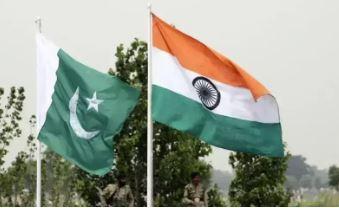
India-Pakistan peace is a vital aspiration that many citizens across the two nations believe can foster a brighter future. Prominent figures from both sides have recently united in an open letter urging their respective Prime Ministers to initiate meaningful actions that restore normalcy and enhance diplomacy. They emphasize the importance of confidence-building measures, including the re-establishment of diplomatic relations and the resumption of regular visa services. By prioritizing peace dialogue and fostering cross-border cooperation, both countries can unlock immense potential and create opportunities that benefit their vast populations. As the voices for peace grow louder, the hope for a collaborative future continues to gain momentum.
The pursuit of tranquility between two neighboring nations has always been a pressing concern; hence, fostering harmonious India-Pakistan relations emerges as a significant endeavor. Diplomatic ties are crucial in reducing tensions and establishing sustained communication channels, which allow for productive negotiations. The call for rebuilding trust through beneficial confidence-building measures and reopening dialogues reflects a collective desire for stability and progress. Such initiatives are essential not just for political leaders but for the millions who yearn for peace and prosperity. In this context, enhancing cross-border cooperation is paramount in nurturing a lasting relationship that transcends historical grievances.
The Call for India-Pakistan Peace: A Collective Vision
In a significant step towards fostering peace between India and Pakistan, over 100 notable citizens have reached out to their respective Prime Ministers, urging them to adopt measures that can restore dialogue and cooperation. This open letter highlights the urgent need for diplomatic relations, including reinstating high commissioners and normalizing visa services. It underscores that the path towards peace and mutual respect is not only a governmental responsibility but a collective aspiration of the citizens of both nations.
The essence of this initiative lies in the acknowledgment that India and Pakistan share more than just a contentious history; they are home to nearly one-fifth of the world’s population, a large segment of which is youthful. The ongoing tensions between the two countries only serve to stifle the potential of millions who are yearning for opportunities for growth and prosperity. The voices of these prominent citizens signify a shared desire among the populace for peace and stability, drawing attention to the human costs of extended estrangement.
Building Confidence: Steps Towards Diplomatic Relations
One of the central themes detailed in the open letter is the emphasis on confidence-building measures. These measures are vital in bridging the gap created over decades of mistrust, and could include resuming comprehensive bilateral discussions on disputes that have long separated these two neighboring nations. By advocating for the reinstatement of high commissioners, the public figures involved aim to facilitate deeper communication channels, which is essential for effective diplomacy and paving the way for peace dialogue.
Additionally, these confidence-building measures extend beyond political gestures; they encompass promoting cross-border cooperation in various sectors such as trade, culture, and education. Enabling a structured dialogue can create avenues for collaboration that benefit both countries while addressing historical grievances. Through such initiatives, it is possible to build a framework that not only resolves immediate conflicts but lays the foundation for enduring peace and mutual progress.
The Role of Young Citizens in Fostering Peace
The letter’s authors have poignantly pointed out that a substantial part of the Indian and Pakistani population is young, and it is this very demographic that bears the brunt of ongoing conflicts. These young citizens represent the future, and their voices should be amplified in peace efforts. By fostering peace dialogue, both governments can help cultivate an environment where youth can thrive, gain access to opportunities, and envision a positive future free from the shadows of conflict.
Promoting peace among younger generations can also be achieved through educational programs and exchanges that emphasize shared cultural heritage and mutual understanding. Collaborative initiatives can not only enhance friendship and familiarity but also dismantle stereotypes that have perpetuated hostility. By investing in youth engagement, both nations can significantly alter the course of future India-Pakistan relations towards one that favors cooperation and constructive dialogue.
The Economic Implications of Reconciliation
Economic collaboration between India and Pakistan has the potential to transform the socio-economic landscape for both countries. As highlighted in the letter by citizens from both nations, sustainable peace can lead to enhanced trade relations, which can benefit industries and create jobs. By restoring diplomatic relations, there would be opportunities to explore bilateral trade agreements that could revitalize economies on both sides of the border, creating a win-win situation that outweighs the costs of conflict.
Moreover, fostering cross-border investments and joint ventures in sectors such as technology, infrastructure, and tourism could initiate a new era of economic partnership. With the potential for shared prosperity, both nations can work towards reducing poverty and improving the standard of living for their citizens. It is essential for leaders to recognize that economic stability is intimately tied to peace efforts and that through collaboration, lasting benefits can be achieved.
Reviving Historical Ties: The Cultural Dimension of Peace
Restoring India-Pakistan relations transcends politics; it also involves reviving the rich cultural ties that historically bound the two nations. The awareness that both countries share a common heritage and numerous linguistic, artistic, and social parallels can serve as a bridge for dialogue. A concerted effort to promote cultural exchanges, art collaborations, and festivals celebrating shared traditions can foster goodwill and help mend the wounds of the past.
By focusing on cultural diplomacy, initiatives can create spaces for genuine interactions among citizens. This can diminish the perceived distance and mistrust that have plagued relations for decades. Active participation in cultural engagement will not only kindle mutual respect but can also instill a sense of belonging and interdependence that highlights the shared aspirations for peace and progress.
International Support for India-Pakistan Peace Initiatives
The calls for peace and enhanced diplomatic relations between India and Pakistan also resonate on the international stage. The involvement of major global powers and organizations could assist in mediating discussions and promoting confidence-building measures that are vital for sustainable peace. An international focus could help guide both nations towards negotiations that prioritize collective benefits and respect for sovereignty.
Moreover, sustained international pressure can encourage both governments to remain committed to peace efforts, ensuring that such initiatives are not fleeting but rather a cornerstone in their bilateral relations. International support in the form of peacekeeping missions, economic aid for development projects, and collaborations in critical areas can complement domestic efforts to foster a culture of peace and cooperation.
Challenges to Overcome in the Peace Process
Despite the optimistic outlook that citizens across India and Pakistan hold for peace, various challenges remain that can hinder progress. Deep-rooted political agendas, historical grievances, and ongoing hostilities significantly complicate the path towards reconciliation. The mistrust that has developed over decades serves as a barrier to the successful implementation of confidence-building measures and can impede diplomatic relations.
Additionally, fluctuating political leadership and nationalistic sentiments can derail peace initiatives, making it difficult for citizens’ voices advocating for cooperation to be heard. It is crucial for civil society, grassroots movements, and influential leaders to rally for a unified front that prioritizes dialogue over discord in order to overcome these challenges.
The Importance of Media in Promoting Peace
Media plays a pivotal role in shaping perceptions and narratives around India-Pakistan relations. Responsible journalism can advocate for peace dialogue while challenging negative stereotypes that contribute to animosity. The media can act as a platform for public opinion, showcasing the human stories that underline the need for reconciliation and mutual understanding.
Through positive storytelling and highlighting successful cross-border collaborations, media coverage can foster empathy and challenge the status quo of hostility. By promoting narratives that emphasize human connection over conflict, the media can be an essential ally in supporting the peace efforts called for by the citizens of both nations.
Envisioning a Future of Cooperation and Harmony
Ultimately, envisioning a future of cooperation and harmony between India and Pakistan requires sustained commitment from both governments and their citizens. The call for peace as articulated in the open letter captures the essence of what both nations stand to gain—a future defined not by division, but by collaboration, dialogue, and respect for one another’s aspirations.
By adopting confidence-building measures and enhancing diplomatic relations, there exists the potential for India and Pakistan to emerge as partners rather than rivals. Through perseverance in peace dialogue, both nations can redefine their relationship, benefiting not only themselves but also setting a precedent for conflict resolution in broader regional dynamics.
Frequently Asked Questions
What are the key confidence-building measures proposed for India Pakistan peace?
The key confidence-building measures proposed for India Pakistan peace include restoring full diplomatic relations, reinstating high commissioners in New Delhi and Islamabad, and resuming normal visa services. These initiatives aim to enhance India Pakistan relations by fostering dialogue, trust, and cooperation between both nations, moving towards a stable and peaceful coexistence.
| Key Point | Description |
|---|---|
| Role of Prominent Citizens | Over 100 prominent citizens from India and Pakistan have called on both governments to take tangible steps towards peace. |
| Open Letter to Prime Ministers | The letter is directed at Prime Ministers Narendra Modi of India and Shehbaz Sharif of Pakistan, encouraging direct communication and action. |
| Confidence-Building Measures | The citizens recommend restoring diplomatic relations, reinstating high commissioners, and resuming normal visa services. |
| Youth and Future Opportunity | The letter emphasizes that ongoing hostility impacts the future of the young population, hindering opportunities for growth and security. |
| Consequences of Estrangement | Decades of tension have caused significant social, economic, and human costs to both nations. |
| Call for Dialogue | Reopening comprehensive bilateral discussions is essential for ensuring lasting peace between India and Pakistan. |
Summary
India Pakistan peace is a crucial topic that has significant implications for nearly one-fifth of humanity residing in both nations. The recent appeal from over 100 prominent citizens highlights the urgent need for meaningful dialogue and cooperation between India and Pakistan. By advocating for confidence-building measures such as restoring diplomatic relations and ensuring the mobility of citizens through normal visa processes, the letter calls attention to the dire consequences of estrangement that have plagued both countries for decades. It draws upon the potential that peace and collaboration hold for the youth, who are instrumental in shaping the future of both nations. The emphasis on addressing historical grievances through structured dialogue serves as a reminder of the pivotal role communication plays in building trust and fostering long-term peace. Ultimately, the shared aspiration for development and prosperity underscores the importance of cooperation and connection rather than confrontation between India and Pakistan.