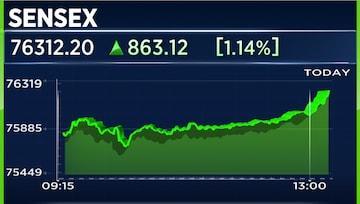
The performance of the Indian stock market has shown a remarkable upward trend recently, fueled by favorable economic conditions and strategic geopolitical developments. On July 2, 2026, benchmark indices like the Sensex and Nifty surged nearly one percent, reflecting a robust sentiment among investors. This uplift was notably driven by a rally in IT stocks, alongside easing crude oil prices, indicating a well-rounded recovery in the market. As the Sensex jumped 579.48 points to reach 77,502.12, analysts observed positive activity in high-profile companies like Infosys and Tech Mahindra. With ongoing geopolitical relations strengthening India’s economic position, staying updated on Sensex updates and Nifty trends is crucial for investors looking to capitalize on emerging opportunities.
The recent trends in India’s equity market have showcased a notable resilience and potential for growth, reinforcing investors’ confidence across various sectors. On July 2, 2026, leading market indices, including the Sensex and Nifty, demonstrated a substantial rally, drawing attention to the performance of tech stocks amidst favorable international dynamics. Enhanced diplomatic relations and new strategic initiatives have contributed to this bullish phase, encouraging buying in blue-chip companies while mitigating the impacts of fluctuating crude oil prices. Observers noted significant gains in IT stocks, aligning with broader market recovery patterns that promise numerous opportunities for engagement. As market cycles continue to shift, closely monitoring developments like Nifty trends and sector-specific rallies will be essential for savvy investors.
Indian Stock Market Performance: An Overview
On July 2, 2026, the Indian stock market saw a noticeable upswing with benchmark indices, Sensex and Nifty, ending nearly one percent higher. Investors witnessed a rally, prompted by a combination of softening crude oil prices and reassurances from positive geopolitical developments. The Sensex soared by 579.48 points, closing at 77,502.12, while the Nifty rose by 169.85 points to settle at 24,175.70. These gains underline a resilient trend in the Indian stock market, reflecting investor confidence despite global pressures.
Notably, the resurgence in the IT sector played a crucial role in supporting the overall market performance. Major stocks like Infosys, Tech Mahindra, and Tata Consultancy Services experienced significant boosts, contributing to a positive trading atmosphere. This upward movement can be attributed to a blend of strategic partnerships in technology and defense between India and Japan, showcasing the market’s reaction to international developments that enhance economic prospects.
The Impact of Crude Oil Prices on Stock Indices
Crude oil prices have a profound influence on stock market indices, particularly in economies like India that are major consumers of energy. On July 2, 2026, Brent crude dropped 1.45% to $70.53 per barrel, which is generally perceived as a positive signal for stock performance since lower oil prices can lead to reduced costs for businesses and increased consumer spending power. In this context, the Indian markets exhibited a bullish trend, buoyed by falling crude prices that alleviated some inflation fears.
This connection between crude oil prices and stock performance highlights the vulnerability of emerging markets to global energy fluctuations. Analysts and investors alike monitor these trends closely, as sustained lower oil prices could enhance profit margins across various sectors, particularly in manufacturing and transportation. Therefore, the dip in crude prices not only rejuvenated the Indian stock market’s momentum on this date but served as a catalyst for investor optimism across broader economic parameters.
Geopolitical Influences on Market Sentiments: A Closer Look
Geopolitical developments have played an essential role in shaping market sentiments, often serving as catalysts for investor behavior. The recent summit between Indian Prime Minister Narendra Modi and Japanese PM Sanae Takaichi yielded significant agreements in defense and economic partnership. Such collaborations are not only pivotal for national security but also bolster investor confidence in the stability and growth potential of the Indian economy. Following these announcements, stocks reflecting defense and technology sectors have shown a marked increase, reinforcing the positive sentiment in the markets.
Moreover, geopolitical events can often lead to immediate fluctuations in stock prices based on anticipated impacts on trade routes and energy supplies. As investors digest news regarding international relations, particularly in a world still navigating tensions and environmental tariffs, the outcomes can dynamically influence stock market performances. Therefore, the Indian stock market’s recent rally can be partially attributed to easing geopolitical tensions, allowing investors to focus on potential growth opportunities arising from strengthened international partnerships.
Nifty Trends: Analyzing Performance Metrics
The Nifty index, a key indicator of market performance, showed a robust increase, climbing by 169.85 points to reach 24,175.70 on July 2, 2026. This upward movement can be attributed to rallying IT stocks which witnessed a rebound following previous selling pressures. Investors’ renewed faith in the technology sector, driven by strong earnings reports and strategic collaborations, has been a major contributor to the Nifty’s impressive performance lately. The index’s resilience speaks volumes about underlying economic fundamentals.
Furthermore, sector-specific trends within the Nifty index demonstrate the evolving landscape of the Indian economy. With IT stocks composing a significant portion of the index, their performance is pivotal. The recent surge in technology shares, driven by favorable market conditions and strategic government initiatives, highlights a paradigm shift towards digital transformation. In this context, tracking Nifty trends becomes vital for investors aiming to capitalize on these upward movements, particularly amid fluctuating global markets.
The Rally of IT Stocks: Key Drivers
IT stocks have emerged as the frontrunners in the recent stock market rally, especially on July 2, 2026, with major players like Infosys, HCL Tech, and Tata Consultancy Services experiencing significant gains. The sector’s performance can be directly linked to investor optimism driven by technological advancements and strategic initiatives, such as partnerships focused on artificial intelligence and cybersecurity. As businesses ramp up their digital transformations, IT companies stand to benefit substantially, reinforcing their critical role in the stock market.
Moreover, the rebound in the IT segment after a period of profit booking reflects a deeper market sentiment characterized by recovery and growth. Analysts suggest that as corporations increasingly prioritize technology solutions in a post-pandemic world, the long-term outlook for IT stocks remains robust. Consequently, this rally is not merely a short-term uplift; it signifies a broader trend toward enhanced innovation and technological reliance, making it a focal point for investors monitoring the Indian stock market.
Understanding Market Volatility: A Regional Perspective
Volatility in the stock market is often influenced by a myriad of factors ranging from global economic shifts to regional trends. In the context of the Indian stock market, fluctuations can largely be attributed to external pressures such as geopolitical tensions, inflation rates, and commodity prices—most notably crude oil. The decline in oil prices amid easing geopolitical tensions on July 2, 2026, offered a respite from volatility, allowing investors to engage more confidently in the markets and contributing to a bullish sentiment.
Additionally, local influences such as government policy changes and sector performance significantly sway investor confidence. For instance, the positive outcomes from the India-Japan summit not only reinforced cooperation but provided a window of opportunities for investors. By understanding these dynamics, market participants can better navigate volatility, making informed decisions amidst the swirling currents of economic factors that influence stock performance.
Sector Performances: Who Shone Brightly?
On July 2, 2026, various sectors exhibited distinct performance patterns, showcasing the uneven landscape of the Indian stock market. The IT sector took the lead, surging by 4.37%, powered by substantial gains in stocks like Infosys and Tata Consultancy Services. Meanwhile, consumer durables and auto sectors followed suit, demonstrating resilience against broader market fluctuations. This performance highlights the diversity within sectoral trends, where specific industries thrive amidst varying economic conditions.
However, not all sectors fared equally well. Lagging sectors like Industrials and Capital Goods experienced underwhelming performance during this trading session. It is essential for investors to keep a keen eye on these sector performances as they provide insights into broader economic health and potential investment opportunities. Identifying which sectors are gaining traction can guide investment strategies, particularly in a landscape marked by both opportunities and risks.
Foreign Institutional Investors: Their Influence on Market Dynamics
Foreign institutional investors (FIIs) play a fundamental role in the Indian stock market, acting as pivotal players in determining market trends. On July 1, 2026, data indicated that FIIs offloaded equities worth ₹1,140.50 crore, a move that often stirs market sentiment and influences domestic investor behavior. Such withdrawals can raise concerns among local investors, leading to short-term selling pressures or volatility in trading sessions.
Conversely, significant FII inflows can bolster market confidence, often serving as a validation of domestic economic fundamentals. The fluctuations in FII investments highlight the interconnectedness of global capital flows with local market dynamics. Understanding these trends allows investors to navigate potential market shifts and formulate strategies that align with both domestic performance and global investor sentiment.
Prospects of the Indian Economy in 2026: A Forward-Looking Perspective
Looking ahead, the prospects of the Indian economy in 2026 continue to garner attention, especially in a changing global landscape marked by uncertainties in trade and technology. The ramifications of recent foundational agreements, particularly in defense, economic partnership, and AI collaboration with Japan, add a layer of optimism concerning India’s economic trajectory. This forward-looking perspective instills confidence among investors that the Indian markets could sustain their upward momentum, supported by favorable governmental policies and strategic international partnerships.
Moreover, expectations of moderating inflation and a supportive global rate environment reinforce the bullish sentiment within the Indian stock market. As economic indicators signal growth and recovery, investors are encouraged to explore opportunities across thriving sectors such as IT, consumer durables, and automotive segments. The ability to adapt to changing circumstances will be key for investors as they position themselves for potential opportunities in a rapidly evolving economic environment.
Frequently Asked Questions
What recent trends can we observe in Indian stock market performance related to Sensex updates?
The Indian stock market has shown positive performance, with the Sensex recently gaining 579.48 points to close at 77,502.12. This increase of 0.75% follows signs of recovery in various sectors and a decrease in crude oil prices, indicating a favorable environment for investors.
How did Nifty trends affect overall Indian stock market performance this week?
Nifty trends reflected a strong performance this week, rallying by 169.85 points or 0.71% to settle at 24,175.70. This positive movement was largely driven by a rebound in blue-chip IT stocks, contributing significantly to the overall optimistic tone of the Indian stock market.
Why are IT stocks rallying and what does it mean for Indian stock market performance?
IT stocks have witnessed a remarkable rally, with major players like Infosys and TCS recording substantial gains. This rebound has lifted the overall Indian stock market performance amid concerns about previous sharp sell-offs, indicating renewed investor confidence in the technology sector.
What geopolitical influences are currently impacting Indian stock market performance?
Geopolitical influences, including a recent economic partnership between India and Japan, have positively impacted Indian stock market performance. Such strategic alliances contribute to market optimism, particularly in sectors like IT and defense, strengthening investor sentiment.
How are crude oil prices affecting Indian stock market performance?
Softening crude oil prices, which recently dropped by 1.45% to $70.53 per barrel, are having a beneficial effect on Indian stock market performance. Lower oil prices ease inflation concerns and bolster purchasing power, thereby supporting broader market gains.
| Key Point | Details |
|---|---|
| Market Performance | Sensex rose by 579.48 points (0.75%) to 77,502.12 and Nifty increased by 169.85 points (0.71%) to 24,175.70. |
| Sector Performance | IT stocks led the gains; Infosys jumped by 5.64% and Tech Mahindra by 4.32%. |
| Global Influences | Brent crude dropped, affecting market sentiment positively; geopolitical developments with Japan also contributed. |
| Sales Growth | Passenger vehicle sales surged nearly 25% in June, led by major auto manufacturers. |
| FII Activity | Foreign Institutional Investors sold equities worth ₹1,140.50 crore. |
| Overall Market Sentiment | Domestic market optimism was sustained despite global pressures, with significant gains in key sectors. |
Summary
The Indian stock market performance showed a strong upward trend on July 2, 2026, with Sensex and Nifty both closing significantly higher, driven by a rebound in IT stocks and favorable developments in geopolitical relations, particularly with Japan. The drop in crude oil prices also contributed to positive market sentiment, despite challenges faced by global markets. Overall, the day reflected resilience in Indian equities amidst a complex international backdrop.