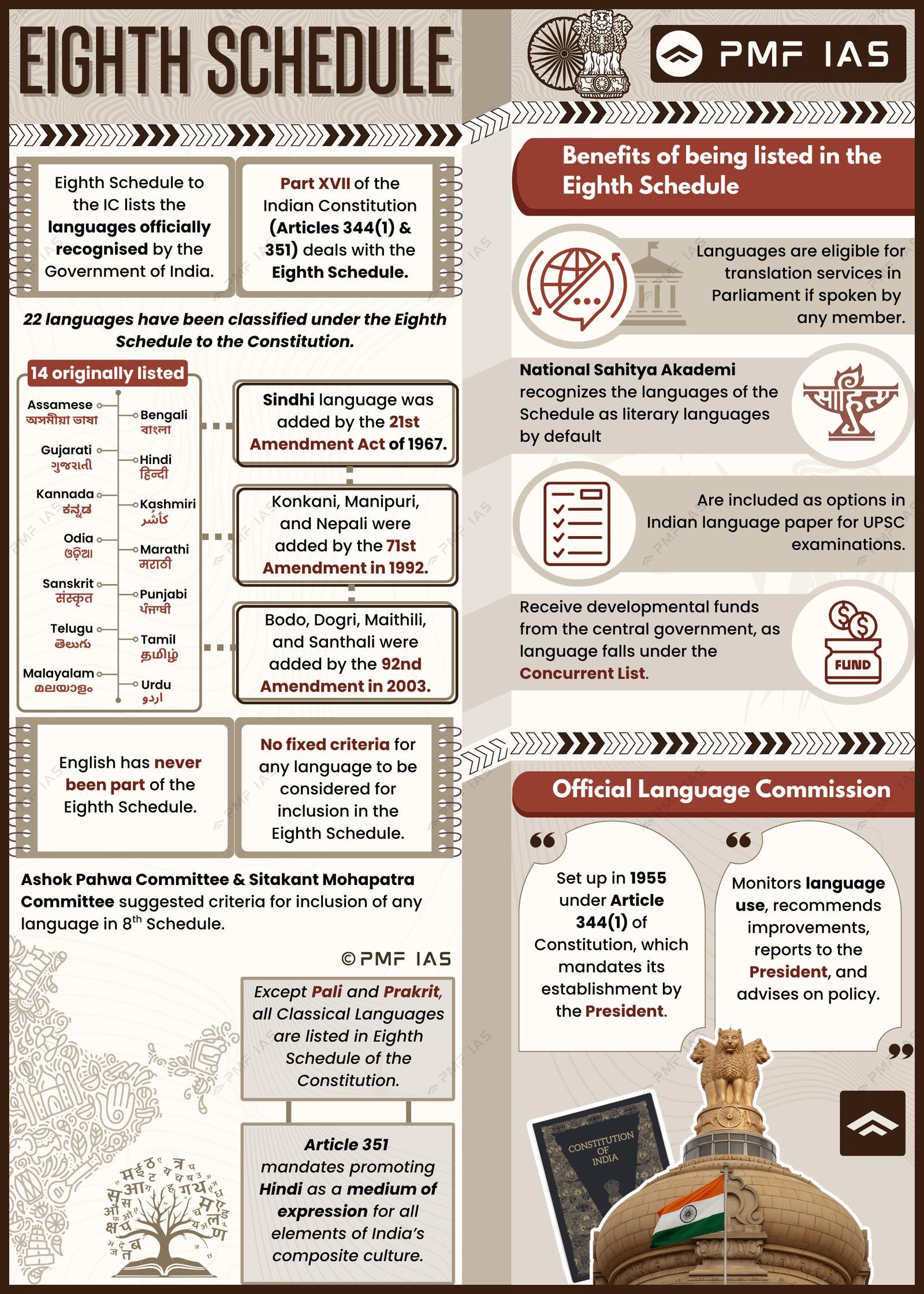
Mizo language recognition has become a pivotal focus in Mizoram as the state legislature moves forward with proposals to enshrine the Mizo language within the Eighth Schedule of the Constitution of India. This initiative, advocated by State Education Minister Vanlalthlana, highlights the importance of the Mizoram language not only for cultural identity but also for educational and administrative purposes. The efforts are further supported by the Mizo Language Development Board (MLDB), which has engaged with local communities and stakeholders to ensure broad consensus on this crucial matter. Recognizing the Mizo language reinforces the status of the Scheduled Tribe Mizos and strengthens their cultural heritage. As the discussions unfold in Mizoram news, the implications of this initiative are likely to resonate throughout the region, impacting future generations who identify with this rich linguistic heritage.
The campaign for Mizo language affirmation is gathering momentum, as legislative bodies in Mizoram actively seek to secure its place as a recognized dialect within the higher echelons of Indian governance. This move is being championed by various stakeholders who understand the significance of linguistic representation for indigenous communities. Advocates argue that incorporating Mizo into the Eighth Schedule would not only legitimize its use in official spheres but also foster greater appreciation for the unique culture of the Mizos. As discussions progress, the broader implications for the state’s governance structure and relationship with scheduled areas come to the forefront, highlighting the intricate connection between language, identity, and rights for Scheduled Tribe members.
Official Recognition of Mizo Language in India
Mizoram is making significant strides towards the official recognition of the Mizo language by advocating for its inclusion in the Eighth Schedule of the Indian Constitution. This initiative, introduced by the State Education Minister Vanlalthlana, demonstrates the commitment of the Mizoram state legislative assembly to preserve and promote linguistic diversity within the region. As languages across India receive their rightful recognition under this constitutional framework, Mizo language advocates are hopeful that this move will boost its status and encourage further development of its linguistic resources.
The inclusion of Mizo language within the Eighth Schedule would not only enhance its prestige but also provide the necessary backing for educational institutions and cultural preservations initiatives. The Mizo Language Development Board (MLDB) has played a critical role in advocating for such reforms, reflecting the wishes of the community and ensuring that voices are heard in the policymaking process. Such recognition is essential for fostering a sense of identity and cultural pride among the Scheduled Tribe Mizos of the region.
Importance of the Mizo Language Development Board
The role of the Mizo Language Development Board (MLDB) in this advocacy cannot be overstated. Established to promote the Mizo language and its cultural heritage, the MLDB conducts extensive consultations with various stakeholders, including educators, lawmakers, and community leaders. These efforts are crucial in garnering support for the resolution pushed forward in the state assembly. The MLDB’s work ensures that the linguistic and cultural nuances of the Mizo language are adequately represented in discussions with the central government.
Given Mizoram’s diverse linguistic landscape, the MLDB aims to create an inclusive environment where the Mizo language can flourish alongside other languages. This initiative aligns with broader governmental objectives to recognize and celebrate the linguistic diversity that exists within India, particularly in the Northeastern region. By fostering a supportive legal framework, the MLDB not only helps to legitimate the language but also encourages the use of Mizo across educational and governmental platforms.
Concerns about Scheduled Tribe Status
During the legislative discussions, concerns were raised regarding the potential implications of the Mizo language’s recognition on the Scheduled Tribe status of the Mizos. However, Chief Minister Lalduhoma clarified that the designation of the Mizo people as a Scheduled Tribe, as per the Scheduled Tribe Order of 1950, remains intact. This reassurance is vital for community members who fear that changes in linguistic status could lead to alterations in their tribal recognition and benefits.
The preservation of Scheduled Tribe status is crucial for the Mizos, as it guarantees access to specific rights and benefits that are designed to uplift marginalized communities. The ongoing dialogue on language recognition paired with safeguarding tribal rights exemplifies the delicate balance that needs to be maintained. The state must navigate these concerns carefully to ensure that promoting the Mizo language does not inadvertently jeopardize the identity and rights of the Scheduled Tribe Mizos.
Steps Towards Inclusion in the Eighth Schedule
Mizoram’s state assembly has taken notable steps towards supporting the inclusion of the Mizo language in the Eighth Schedule, reflecting a collective approach to this important issue. Political leaders, including Chief Minister Lalduhoma, have called for all parties within the state to unify and support this resolution. Achieving a consensus among political factions is crucial, as it would present a unified front to the central government, increasing the likelihood of acceptance and support for the initiative.
By formally endorsing the recognition of Mizo, Mizoram not only aims to enhance its cultural identity but also seeks to set a precedent for other regional languages that are also deserving of constitutional recognition. Furthermore, this effort underlines the commitment of the Mizoram state government to preserving its linguistic heritage, which is vital for social cohesion and educational advancement within the region.
Community Support for Language Recognition
The movement toward recognizing Mizo as an official language has received overwhelming support from the community. Local activists, educators, and cultural leaders have voiced their desire for Mizo to attain a status that would allow it to be used in official communication and education. The public’s engagement in this process underscores the importance of the Mizo language as a cornerstone of cultural identity among the Mizos.
Engagement from civil society organizations emphasizes the need for collective action to champion language rights. With concerted efforts from various segments of society, the recognition of Mizo is seen as a pivotal achievement that could lead to further advancements in educational rights and cultural preservation. The role of community support is vital in driving legislative action and ensuring that the Mizo language receives the recognition it deserves.
The Role of Political Consensus
The political dynamics within Mizoram play a significant role in the realization of Mizo language recognition. Achieving a broad political consensus among various parties is essential for advancing the agenda of including Mizo as part of the Eighth Schedule. Political unity not only strengthens advocacy efforts but also enhances the credibility of the proposal when presented at the national level.
It is imperative that stakeholders, ranging from local political leaders to community representatives, work collaboratively towards their common goal. Through dialogue and negotiation, consensus can be reached that honors the linguistic rights of the Mizo people while also aligning with broader national policies on language preservation and cultural recognition.
Linking Mizo Language to Educational Advancement
Incorporating Mizo into the Eighth Schedule could significantly affect educational outcomes in the region. With official recognition, there would be greater impetus for the development of educational materials and resources in Mizo, ensuring that future generations have access to their linguistic heritage. Educational institutions would be encouraged to adopt Mizo as a medium of instruction, thereby enhancing learning outcomes and cultural engagement among students.
Moreover, educational policies supporting Mizo language education could lead to increased enrollment and retention rates, as students come to appreciate the relevance of their culture in their academic pursuits. This dual focus on language and education helps reinforce the role of Mizo in both societal and academic frameworks, promoting a holistic approach to community building.
Cultural Heritage and Mizo Language
The promotion of the Mizo language is intrinsically linked to the preservation of Mizo cultural heritage. Language serves as a vessel for passing down traditions, rituals, and histories that define the Mizos as a distinct community within India. Therefore, advocating for the recognition of Mizo not only emphasizes its linguistic value but also the rich cultural narratives that accompany it.
Efforts to elevate the status of the Mizo language are integral in safeguarding folklore, music, dance, and other forms of cultural expression that are unique to the Mizo people. By ensuring that Mizo retains its place in everyday life, the community can continue to foster a shared identity that ties together past, present, and future generations.
Mizoram News: Updates on Language Initiatives
As discussions evolve around the inclusion of the Mizo language in the Eighth Schedule, Mizoram news outlets are closely following the developments and community reactions. Media coverage of the topic informs the public about legislative progress, political debates, and community initiatives aimed at promoting Mizo language rights. This transparency is crucial as it keeps citizens engaged and invested in the ongoing endeavors.
Furthermore, local news serves to highlight the narratives of individuals and organizations advocating for the rights of Mizo speakers. By sharing success stories and challenges faced in this journey, the media can galvanize further support and encourage collective action among Mizos. Keeping the topic in public discourse ensures that the push for inclusion remains a priority on both local and national agendas.
Conclusion: A Historic Step for Mizoram
In conclusion, the push for the official recognition of the Mizo language marks a historic step for Mizoram and its people. The collective efforts of political leaders, community members, and the Mizo Language Development Board reflect a deep commitment to preserving cultural identity and promoting the linguistic rights of the Mizo people. As discussions continue and support grows, the hope is that Mizo will soon find its rightful place alongside other languages in the Eighth Schedule of the Indian Constitution.
The journey towards recognition is not just about linguistic validation; it is about affirming the identity of the Mizo people in a diverse nation. As Mizoram strides forward, the inclusion of Mizo in the Eighth Schedule will serve as a beacon for other regional languages striving for similar recognition. It is a powerful reminder of the importance of cultural heritage, community solidarity, and the enduring spirit of the Mizos.
Frequently Asked Questions
What is the significance of Mizo language recognition in Mizoram?
The recognition of the Mizo language is vital for preserving the cultural identity of the Mizos, as it strengthens community ties and promotes the use of Mizo in education and governance. The movement for Mizo language recognition aims to have it included in the Eighth Schedule of the Constitution of India, enhancing its official status and ensuring state support for its development through the Mizo Language Development Board.
How does the Mizo Language Development Board contribute to the recognition of the Mizo language?
The Mizo Language Development Board (MLDB) plays a crucial role in promoting the Mizo language, advocating for its inclusion in the Eighth Schedule, and fostering linguistic development among the Mizo people. By consulting stakeholders and leading initiatives, the MLDB ensures the language’s preservation and growth, making it more accessible to future generations.
What are the implications of including the Mizo language in the Eighth Schedule of India?
Inclusion of the Mizo language in the Eighth Schedule would provide greater governmental support for educational and cultural initiatives, enhance the visibility of the language on a national level, and provide a framework for its preservation and development. This would affirm the status of the Mizo language as an integral part of Indian diversity.
Will recognizing the Mizo language in the Eighth Schedule affect the Scheduled Tribe status of the Mizos?
No, recognizing the Mizo language in the Eighth Schedule will not negatively impact the Scheduled Tribe status of the Mizos. The Scheduled Tribe designation is protected under the Scheduled Tribe Order of 1950, which continues to be valid, ensuring that the cultural identity and rights of the Mizos are maintained.
What steps are being taken to promote Mizo language awareness among youth in Mizoram?
To promote Mizo language awareness among the youth, various educational programs are being developed in collaboration with the Mizo Language Development Board. These initiatives include integrating Mizo language studies into school curricula, organizing cultural events, and encouraging the use of Mizo in local media to foster a sense of pride and belonging among the younger generation.
What role does the state government of Mizoram play in Mizo language recognition?
The state government of Mizoram actively supports Mizo language recognition by backing initiatives proposed by the Mizo Language Development Board and facilitating discussions among political parties and stakeholders. The unanimous resolution adopted by the Mizoram legislative assembly reflects the government’s commitment to ensuring the Mizo language is recognized and preserved for future generations.
How does the push for Mizo language recognition relate to the overall cultural preservation of the Mizos?
The push for Mizo language recognition is closely tied to cultural preservation, as the language embodies the history, traditions, and identity of the Mizo people. By ensuring that the Mizo language receives official status through inclusion in the Eighth Schedule, efforts are made to keep the culture alive, encourage its use, and maintain heritage within the community.
| Key Points | Details |
|---|---|
| Official Resolution | Mizoram’s assembly adopted a resolution for Mizo language inclusion in the Constitution. |
| Proposed By | State Education Minister Vanlalthlana. |
| Chief Minister’s Support | Lalduhoma endorsed MLDB’s role in the resolution’s initiation. |
| Concerns Raised | Some feared inclusion might affect Scheduled Tribe status. |
| Clarification on Status | Lalduhoma stated Mizo status as Scheduled Tribe remains unchanged. |
| Recommendation for Consensus | He urged parties to consider designating Mizoram as a scheduled area under the Sixth Schedule. |
Summary
Mizo language recognition is now a significant step pursued by the Mizoram state assembly, highlighting the need for inclusion in India’s Constitution. This initiative is aimed at preserving the Mizo identity while ensuring that the rights and status of the Mizo people, recognized as a Scheduled Tribe, are maintained. The recommendation for recognizing the state as a scheduled area further reinforces the commitment to cultural integrity and governance aligned with local needs.