As we delve into the latest Monsoon updates, the weather across India is bringing both challenges and relief. Intense monsoon rain has been particularly catastrophic in Arunachal Pradesh, where heavy flooding has devastated numerous areas and claimed lives. Meanwhile, Mumbai rain updates indicate that the city is currently experiencing severe downpours, leading to traffic disruptions and waterlogging. With the India Meteorological Department (IMD) actively issuing weather alerts for heavy rains, residents are urged to prepare for the unpredictable conditions ahead. The IMD monsoon forecast suggests that more significant rainfall is on the horizon, prompting safety precautions across various states.
In recent days, the monsoon weather patterns have significantly impacted several regions in India. The torrential downpours have brought devastating floods to localities, particularly in Arunachal Pradesh, as relentless rains cause landslides and obstruct crucial access routes. Likewise, the situation in Mumbai reflects widespread interruptions due to unexpected rainfall, with local authorities responding to multiple emergencies. As communities brace for further rainfall, timely updates regarding impending showers and safety warnings are essential. Observers are closely monitoring the advancements of the southwest monsoon, which carries implications for agricultural practices and regional weather stability.
Monsoon Updates: Weather Alerts and Flood Risks
As the southwest monsoon progresses, the India Meteorological Department (IMD) has issued crucial weather alerts for various regions, highlighting the severe impact of monsoon rains. Recently, heavy rainfall in Arunachal Pradesh has resulted in flash floods and landslides, leading to the unfortunate death toll rising to three. The IMD has warned that conditions remain favorable for further heavy rainfall, especially in northern states like Himachal Pradesh, which is bracing for an orange alert for July 2 and 3. This situation demands urgent measures for preparedness against flooding and infrastructure damage.
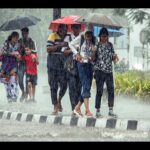
In addition to these updates, Mumbai has experienced intense rains, with certain areas recording over 100 mm of precipitation in just four hours. Such downpours can cause significant waterlogging and traffic disruptions, as reported by local civic authorities. The IMD’s ongoing weather alerts underscore the necessity for citizens and local government to remain vigilant and respond swiftly to potential risks posed by the monsoon rains, ensuring public safety and effective communication during this period of climatic upheaval.
Impact of Monsoon Rain in Arunachal Pradesh
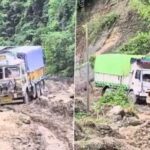
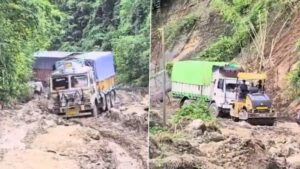
The recent monsoon rains have wreaked havoc across Arunachal Pradesh, where continuous downpours have led to extensive flooding and landslides. In the Lower Dibang Valley district, for instance, rescue operations are in full swing as local authorities work to save individuals stranded due to the swollen rivers. The Indian Air Force has also been involved in these operations, showcasing the urgency of the situation as they rescue people from inaccessible areas. Reports indicate that vital infrastructure, including roads and bridges, has been severely damaged, complicating recovery efforts.
The IMD’s proactive measures, including issuing timely weather alerts, have been crucial in mitigating the impact of this natural disaster. With the forecast suggesting more rain in the coming days, authorities are emphasizing the need for preparedness in drainage and emergency services to handle potential flooding. The plight of the affected regions serves as a stark reminder of the influence of the monsoon season, emphasizing the importance of environmental safety and the need for robust climate adaptation strategies.
Mumbai Rain Updates: Heavy Downpours and Alerts
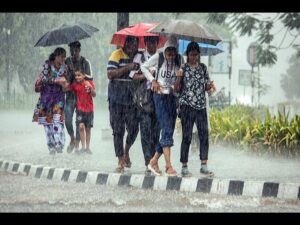
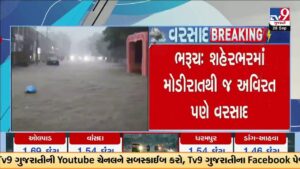
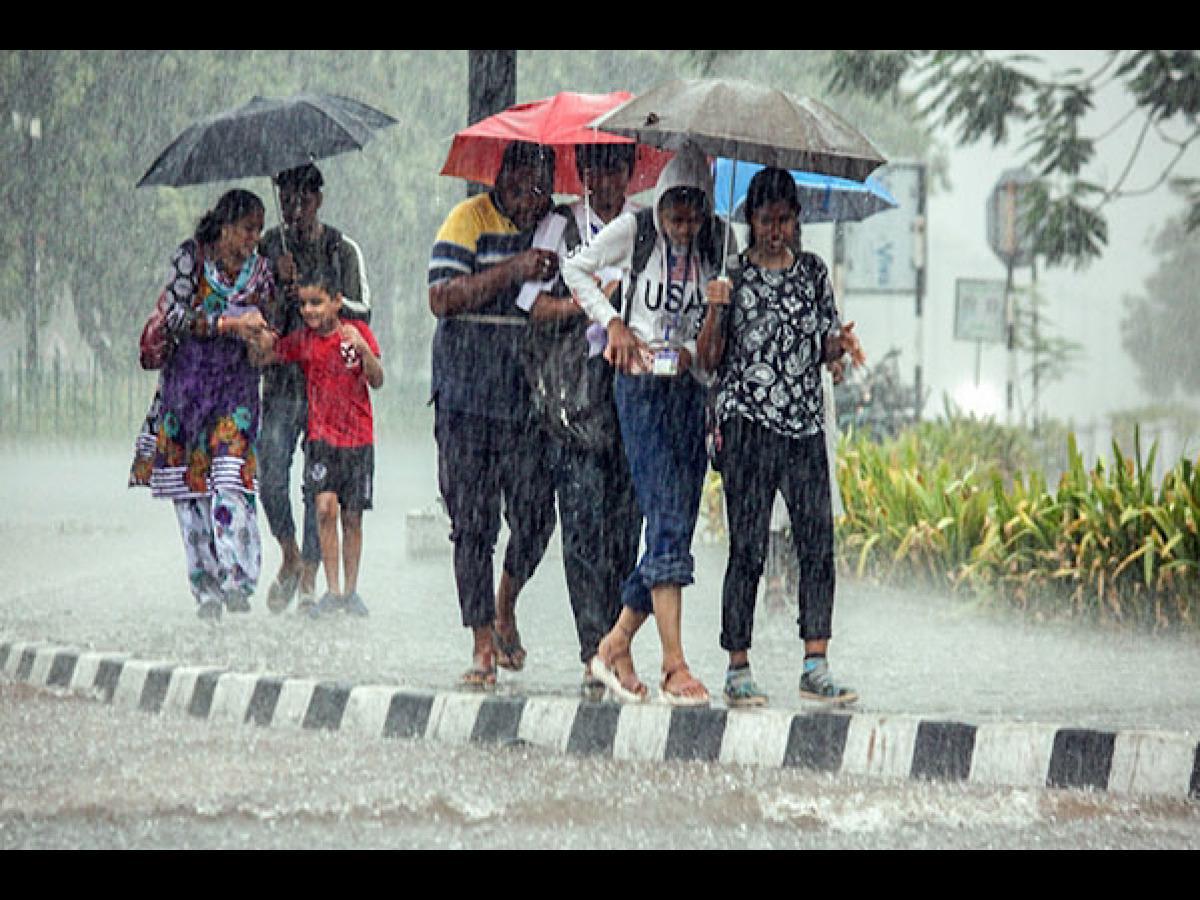
In the latest Mumbai rain updates, residents have experienced a tumultuous start to the monsoon season, with reports of over 100 mm of rain recorded in several suburbs within a short window. The heavy rains have led to waterlogging, disrupting daily life and causing traffic issues throughout the city. The Brihanmumbai Municipal Corporation (BMC) has stressed the importance of staying informed through official channels as the IMD has issued an orange alert for sustained heavy rainfall in the coming days.
The forecasts predict that Mumbai will continue to face heavy to very heavy rainfall, with potential thunderstorms and gusty winds accompanying the downpours. Such weather patterns can have cascading effects on urban infrastructure, necessitating immediate attention to drainage systems and emergency protocols. The blend of city preparedness and timely weather alerts can play a pivotal role in safeguarding residents and minimizing disruption during the monsoon season.
IMD Monsoon Forecast: What to Expect This Season
The IMD monsoon forecast indicates that the southwest monsoon is likely to cover more northern states within the next few days, bringing significant rainfall to areas currently experiencing a heatwave. This predicted advancement of the monsoon is highly anticipated, especially as northern territories, including Delhi and Uttar Pradesh, face prolonged periods of elevated temperatures. Such a transition is crucial for both agricultural practices and the replenishment of water resources.
With the IMD’s accurate forecasting capabilities, communities and farmers can brace for the changes in weather patterns, optimizing their responses to the rains. As monsoon conditions advance, it is essential for local governments and residents to stay informed about weather alerts and prepare for potential adverse conditions, including possible flooding and infrastructure strain. Understanding the IMD’s forecasts can empower individuals with knowledge to safeguard their assets and lives.
Heavy Rains Trigger Emergency Measures in Himachal Pradesh
Recently issued weather alerts in Himachal Pradesh warn of impending heavy rains on July 2 and 3, urging local authorities to activate emergency measures. The Shimla Met Centre has forecasted significant rainfall that could lead to hazardous conditions, especially in districts such as Kangra and Mandi. In such situations, proactive measures, including restoration efforts and public safety announcements, are vital for minimizing risk to life and property.
Communities are encouraged to stay informed about local meteorological updates and adhere to guidelines established by disaster management authorities. As flash floods and potential landslides remain a concern during the monsoon season, preparedness can significantly improve resilience against nature’s fury. The urgency of these alerts highlights the necessity for all residents to tune into the latest forecasts and take preventative actions ahead of the anticipated heavy monsoon rain.
Flash Floods and Landslides: The Dangers of Monsoon Season
The monsoon season brings not only much-needed rainfall but also the risk of catastrophic flash floods and landslides. This year, regions like Arunachal Pradesh have faced devastating environmental impacts due to heavy rain, leading to fatalities and significant infrastructure damage. The combination of steep terrains and intense rainfall can prompt landslides, blocking critical access routes and endangering lives, particularly in vulnerable communities.
It’s crucial for local governments and residents in high-risk areas to develop risk management strategies that include evacuation plans and continuous monitoring of weather conditions. Engaging with the IMD and community awareness initiatives can better equip populations to respond to sudden changes in weather and minimize the threats posed by monsoon-related disasters.
The Role of the IAF in Monsoon Disaster Response
The Indian Air Force (IAF) has demonstrated remarkable resilience and courage in responding to the monsoon disaster in Arunachal Pradesh. Their involvement in rescue missions highlights the critical role of the military in times of natural calamities. For example, the successful rescue of individuals stranded by rising river waters is a testament to the effective collaboration between government agencies and military units during emergencies.
Moving forward, the IAF’s continuous support in humanitarian efforts is indispensable, especially in the face of frequent and severe weather events. Their readiness to deploy helicopters and personnel in critical situations underscores the necessity for comprehensive disaster response plans that include aerial support. Ensuring that resources are readily available can greatly enhance the efficacy of rescue operations throughout the monsoon season.
Understanding the Climate Challenges of Monsoon Rains
As monsoon rains become increasingly unpredictable, understanding the climate challenges associated with this season is vital. Climate change has a profound impact on weather patterns, leading to intensified rainfall, longer droughts, and unpredictable flood events. Communities that previously faced manageable monsoon seasons now find themselves struggling with the consequences of extreme weather, prompting the need for adaptive measures.
Enhancing local infrastructure to withstand heavy rains and floods is essential, as is fostering awareness among residents about climate resilience. Engaging with environmental scientists and climate experts can provide valuable insights into developing proactive strategies that address the effects of climate change on monsoon seasons. This collaborative approach can help communities navigate the challenges posed by changing weather fronts and ensure sustainable living.
The Importance of Timely Weather Alerts
Timely weather alerts play a crucial role in disaster preparedness and response during the monsoon season. Effective communication regarding imminent weather changes allows communities to take necessary precautions, such as securing property and preparing emergency kits. The IMD’s issuance of warnings is an essential service, equipping citizens with knowledge to anticipate potential flooding and take action to safeguard their wellbeing.
In addition to government alerts, local organizations and community leaders can amplify these messages, facilitating broader awareness and engagement. Harnessing technology, such as weather apps and emergency alert systems, can further enhance the dissemination of information, ensuring that even the most vulnerable populations receive critical updates on weather conditions. Establishing strong networks for communication can save lives and reduce harm during the tumultuous monsoon season.
Frequently Asked Questions
What are the latest Monsoon updates for Arunachal Pradesh floods?
Recent Monsoon updates indicate that heavy rainfall has caused significant flooding in Arunachal Pradesh, resulting in three fatalities. The Indian Armed Forces are conducting rescue operations as multiple districts face road and bridge damage due to the intense monsoon rains.
How is the IMD predicting the Monsoon rain for Mumbai this week?
The India Meteorological Department (IMD) has issued an orange alert for Mumbai, forecasting heavy to very heavy rainfall throughout the week. The city is expected to experience over 100 mm of rain, particularly on days with thunderstorms and gusty winds.
What weather alerts are currently in place for the upcoming Monsoon period?
As of now, weather alerts include an orange alert for Himachal Pradesh and an orange warning for Mumbai regarding heavy rains. The IMD has advised residents to prepare for potential flooding and disruptions due to the upcoming heavy rainfall.
How does the IMD monsoon forecast affect northern states in India?
The IMD monsoon forecast suggests that conditions are favorable for the southwest monsoon to advance into northern states, including parts of Uttar Pradesh and Uttarakhand, within the next few days. This indicates a much-needed relief from the extreme heat currently experienced in these regions.
What are the safety measures recommended during intense Monsoon rain in Mumbai?
During intense Monsoon rain, residents of Mumbai should stay indoors during heavy showers, avoid unnecessary travel, and remain updated with the latest weather alerts from the IMD to ensure safety from potential flooding and traffic disruptions.
| Date | Location | Weather Condition | Impact |
|---|---|---|---|
| June 25, 2026 | Arunachal Pradesh | Flash floods due to incessant rains | 3 deaths, roads and bridges damaged. |
| June 28-29, 2026 | Mumbai | Intense overnight rain | Waterlogging, traffic disruptions, over 100 mm of rain in several areas. |
| July 2-3, 2026 | Himachal Pradesh | Orange alert for heavy rain | Potential heavy rainfall in multiple districts. |
| June 29, 2026 | Sikkim, North Bengal | Monsoon conditions advancing | Anticipated further rainfall and flooding. |
Summary
Monsoon updates reveal that the southwest monsoon is heavily impacting the northeastern states, particularly Arunachal Pradesh, where severe floods have resulted in multiple fatalities and widespread infrastructure damage. The intensity of rainfall recorded over the past few days highlights the urgent need for preparedness as conditions remain favorable for further monsoon advancement across northern India. The IMD has issued alerts warning of heavy rains in various regions, including Mumbai and Himachal Pradesh. As authorities coordinate rescue and relief efforts, it is crucial for citizens in affected areas to remain informed and take necessary precautions.