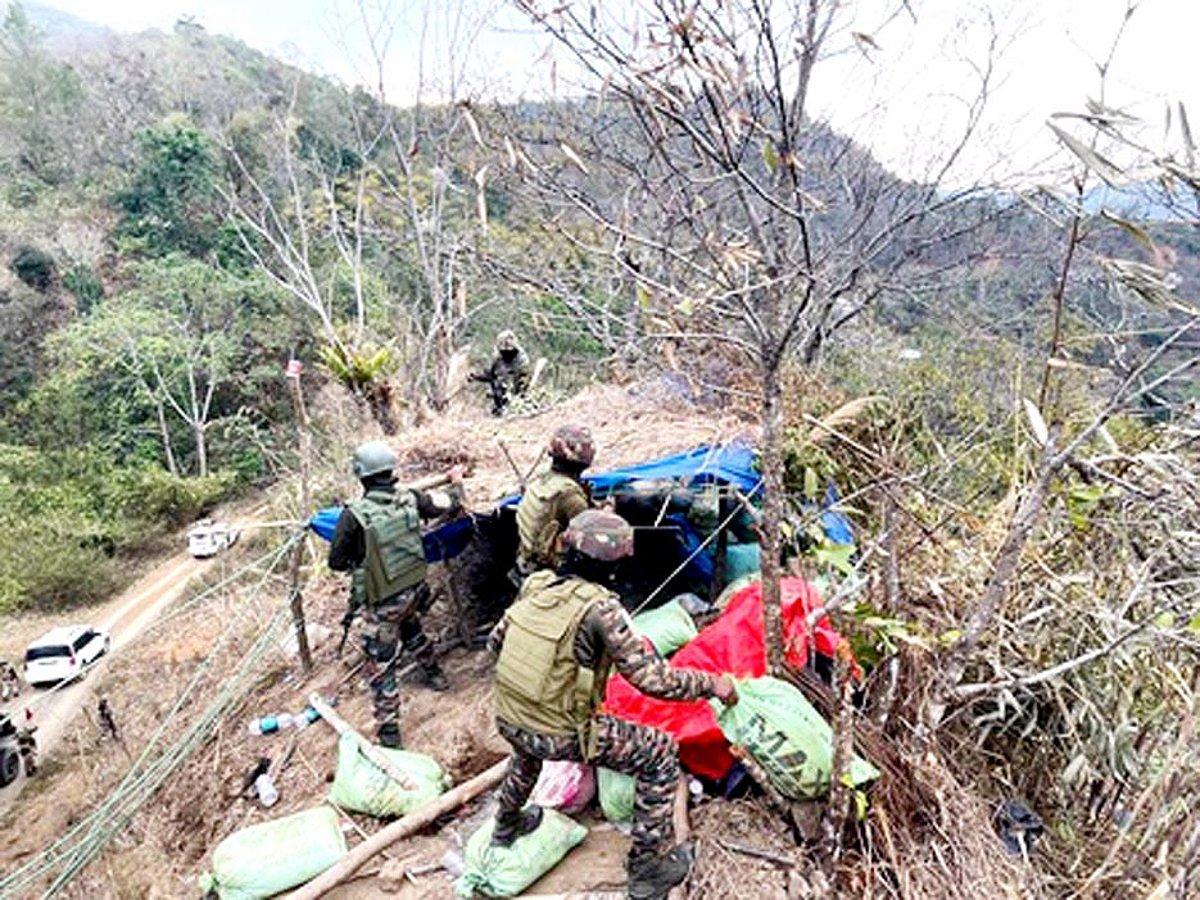
Manipur violence has erupted once again, fueled by a long-standing tribal conflict that continues to threaten the peace and stability of this northeastern state. As recent incidents reveal, homes have been reduced to ashes in two tribal villages within Kamjong district, prompting Congress leader Rahul Gandhi to voice his deep concerns. He criticized the Modi government for its perceived divisive ideology, which he argues has only exacerbated the Kuki-Naga tensions and the ongoing unrest. Despite the imposition of President’s Rule in Manipur, the violence persists, with lives lost and families shattered under the weight of this conflict. Gandhi’s remarks underscore a growing sense of hopelessness among the local populace, as the need for a unified approach to resolve the strife becomes increasingly urgent.
The turmoil in Manipur is characterized by a complex interplay of historical grievances and ethnic strife, particularly between the Kuki and Naga communities. Persistent clashes have left villages reeling and have drawn the attention of national leaders, including Rahul Gandhi, who have criticized the government’s handling of the crisis. The state’s governance, recently impacted by President’s Rule, has struggled to bring a halt to the violence that plagues its people. Increasingly, local communities find themselves caught in a cycle of retaliation that leads to devastating consequences. The situation in Manipur calls for comprehensive dialogue and healing, rather than exacerbating divisions fostered by tribal conflicts.
The Rising Tensions of Tribal Conflict in Manipur
The northeastern state of Manipur has been a long-standing battleground for various tribal communities, each vying for recognition, rights, and resources. The ongoing tribal conflict is rooted in historical grievances and has been exacerbated by recent events, including the Modi government’s policies, which many see as divisive. These conflicts often see communities like the Kuki and Naga at odds, with escalating violence leading to catastrophic outcomes for local populations. Reports of villages burning and casualties highlight the urgent need to address underlying issues amid the chaos.
Recent incidents, such as the arson in Kamjong district that left homes in Kuki-Zo and Tangkhul Naga villages devastated, paint a grim picture of the state. The Kuki Inpi Manipur, representing the Kuki community, has raised alarms about incursions from militant groups operating across the India-Myanmar border, underscoring the cross-border dynamics influencing the violence. Likewise, the political landscape, including President’s Rule, has been criticized for failing to curb this rising tide of tribal conflicts. The unrest reflects not only local tensions but also a broader struggle for identity and power within the state.
Rahul Gandhi’s Criticism of the Modi Government’s Handling of Manipur
In a pointed critique, Congress leader Rahul Gandhi has called out the Modi government for its mishandling of the violence in Manipur, particularly in light of the recent attacks in Kamjong district. He argues that the government’s divisive ideology has contributed to a deepening sense of unrest among the region’s communities. By accusing the administration of failing to provide empathy or solutions, Gandhi believes the current leadership is not only neglecting the people of Manipur but also setting a dangerous precedent for conflict across the region.
Gandhi’s statements reflect a growing concern among political leaders and citizens alike about the government’s approach towards managing tribal relationships within Manipur. His comments highlight a narrative that suggests the Modi government’s policies have inadvertently polarized the Kuki and Naga communities. With escalating violence leading to the annihilation of homes and families, he posits that without a concerted effort to bridge these divides, the state risks descending further into chaos. As calls for humanitarian responses grow louder, Gandhi insists that national unity should be prioritized for a true resolution to the conflicts troubling Manipur.
Understanding Kuki-Naga Tensions in Manipur
Kuki-Naga tensions in Manipur have their roots in a complex interplay of ethnic identity, historical claims to land, and political representation. The clashes often arise from competing demands for autonomy and territorial rights, exacerbated by the socio-political landscape influenced by national policies. The Modi government’s tendency to foster regional division based on identity politics has intensified these disputes, as communities feel marginalized and threatened by each other’s aspirations. The ongoing violence is a bitter reminder of how ethnic identities can clash when political dialogue fails.
As incidents of violence continue to erupt, the structural issues behind Kuki-Naga tensions remain unaddressed, leading to a cycle of retaliation and deepening mistrust. Recent violence resulting in the burning of homes has been condemned by various organizations, calling attention to the urgent need for peace-building initiatives. Misunderstandings between the Kuki and Naga communities often reflect larger systemic issues regarding governance and representation that require intervention at higher political levels. Only through inclusive dialogue can Manipur begin to heal its fragmented society and prevent future outbursts of violence.
The Impact of President’s Rule on Manipur’s Stability
The imposition of President’s Rule in Manipur was intended to stabilize the situation in a state plagued by unrest, but evidence suggests that it may have had the opposite effect. Critics point to the increased tensions and violence following the declaration, as various tribal groups feel disenfranchised and lack a voice in decision-making processes. The central government is viewed as disconnected from the realities on the ground, and this detachment fosters frustration among local populations, who see little improvement in their safety and security.
Furthermore, the absence of a locally elected government exacerbates the feeling of alienation among the tribal communities in Manipur. The failure to engage in meaningful dialogue with the Kuki and Naga peoples during a crucial time of unrest undermines the legitimacy of President’s Rule. As Rahul Gandhi highlighted in his criticism, the need for empathetic leadership is paramount. Without efforts to integrate the local voices into governance, Manipur’s citizens may continue to suffer from cycles of violence and unrest that have plagued the state for years.
Calls for Unity Amid Manipur’s Strife
In the wake of growing violence and division in Manipur, there is an urgent call for unity among the state’s various communities. Leaders like Rahul Gandhi emphasize the significance of solidarity in overcoming tribal conflicts, advocating for collective measures that prioritize understanding and cooperation over longstanding grievances. The notion that diverse communities can coexist peacefully hinges on fostering mutual respect and dialogue, which are currently lacking in the current atmosphere of suspicion and hostility.
Moreover, the push for unity is not solely about addressing immediate conflicts but also about crafting a long-term vision for Manipur’s future. This entails recognizing the rich diversity within the state, encompassing identities and histories that have often been used as a basis for division. Local leaders and organizations are encouraged to take initiative in peace-building efforts that bridge community gaps. Only through concerted action toward unity can Manipur heal from past wounds and build a sustainable framework for coexistence.
The Consequences of Manipur Violence on Local Communities
The consequences of ongoing violence in Manipur are deeply felt throughout local communities, often manifested in loss, trauma, and displacement. Families shattered by the destructive flames left in the wake of violence face not only the immediate loss of their homes but the long-term repercussions of trauma and insecurity. Organizations like Kuki Inpi Manipur highlight the urgent need for humanitarian aid and support services to assist those affected, emphasizing the scars that will remain long after the flames are extinguished.
In addition to physical destruction, the violence breeds economic instability, as livelihoods are disrupted and businesses are destroyed. The fear and mistrust engendered by tribal conflicts hinder community development and can push families further into cycles of poverty. The need for comprehensive support systems that address both the immediate aftermath of violence and the long-term recovery process is paramount. Without targeted interventions that encompass peace-building and rehabilitation, these communities may find themselves trapped in a cycle of unrest that threatens their very existence.
Political Ramifications of Manipur’s Ongoing Violence
The political ramifications of ongoing violence in Manipur extend beyond the immediate unrest, influencing regional stability and national politics. Political leaders, particularly from the opposition, have seized upon the chaos to critique the central government’s approach to governance in the state. Rahul Gandhi’s assertions highlight the perception that the Modi government’s policies have fueled discord rather than foster peace and unity among tribal communities. This has implications not only for the electorate in Manipur but also for broader political narratives across India.
The violence strains the relationship between central authorities and local populations, leading to a crisis of trust that challenges governance efforts. As regions like Manipur are increasingly viewed through the lens of conflict, political parties must navigate these turbulent waters carefully, balancing local grievances with national agendas. The call for accountability and transparency in handling unrest in places like Manipur is not just a local issue but a critical litmus test for the efficacy of the Modi government’s leadership in dealing with diversity and dissent.
Community Responses to Violence in Manipur
In response to the escalating violence in Manipur, various community organizations and leaders are taking action to address the urgent needs of those affected. These responses reflect a grassroots acknowledgment of the integral role that local communities play in mitigating conflict and fostering resilience. Initiatives aimed at dialogue and peace-building have emerged, aiming to bridge the divides between the Kuki and Naga communities through collaborative efforts that prioritize shared values over differences.
Furthermore, an emphasis on education and awareness is seen as pivotal in changing the narratives surrounding tribal identity in Manipur. Community-led projects that engage youth and promote cultural exchange serve as powerful tools in fostering mutual respect and understanding. By empowering individuals to become agents of change within their communities, the possibility of long-term stability and peace is enhanced. These grassroots movements exhibit the potential for transformative impact amidst a backdrop of violence and division.
The Role of Government in Addressing Manipur’s Crisis
The role of government in addressing the crisis in Manipur is crucial yet complex, requiring a delicate balance between security measures and the need for community engagement. The Modi government has faced backlash for failing to effectively respond to rising violence while simultaneously invoking President’s Rule. The disconnect between central policies and local realities has led to increasing criticism over their handling of the situation. Political leaders argue for a more inclusive approach that involves local representatives in decision-making processes.
Effective governance in Manipur necessitates not just reactive measures but proactive strategies that promote dialogue, understanding, and resources for affected communities. It is imperative for the administration to acknowledge the unique cultural dynamics at play and work towards building trust with both Kuki and Naga populations. Unless the government takes decisive steps to restore faith among the people through consistent engagement and conflict resolution strategies, the cycle of violence and discord is likely to continue unabated.
Future Prospects for Peace in Manipur
Looking ahead, the prospects for peace in Manipur remain contingent on the willingness of both the government and community leaders to engage in meaningful dialogue. As historical grievances persist and political tensions rise, proactive measures must be prioritized to address the core issues fueling discord. Grassroots movements advocating for peace and unity offer hope, yet they require support from national leaders to create an enabling environment for dialogue.
Moreover, reconciliation efforts must also focus on inclusive development that acknowledges the rights and perspectives of both Kuki and Naga communities. Future policies should aim to address past injustices while promoting collaboration over competition. Only through continuous engagement, investments in peace-building initiatives, and a commitment to uphold human rights can Manipur hope to emerge from its cycle of violence and build a more stable and just society.
Frequently Asked Questions
What are the recent developments in Manipur violence involving Rahul Gandhi’s criticism of the Modi government’s actions?
Recent developments in Manipur violence were highlighted by Congress leader Rahul Gandhi, who criticized the Modi government’s handling of the ongoing tribal conflict. On July 2, he condemned the burning of homes in Kamjong district, describing it as a reflection of the government’s divisive ideology. Gandhi emphasized that despite the imposition of President’s Rule, the violence in Manipur has not abated and continues to escalate. He noted the long-standing unrest in the northeastern state, including multiple attacks that have devastated communities and lost lives.
| Key Points | Details | |
|---|---|---|
| Criticism of Central Government | Rahul Gandhi criticized the Modi government for its handling of violence in Manipur. | |
| Recent Violence | 20 houses burned in Kamjong district, reflecting ongoing unrest in Manipur. | |
| Impact of Violence | Thousands of lives lost, numerous families affected by the violence. | |
| Accusation of Divisive Policies | Gandhi accused the Modi government of promoting division among citizens. | |
| Community Response | Kuki Inpi Manipur condemned the violence and alleged the attackers are from armed groups across the Myanmar border. | |
| Retaliation | Incidents of retaliatory violence reported, including the burning of houses in Tangkhul Naga villages. | |
Summary
Manipur violence has escalated recently, as highlighted by Congress leader Rahul Gandhi’s criticisms of the Central government. He pointed out that the ongoing violence and the destruction of homes in tribal villages signify a deepening crisis in Manipur. For years, the state has suffered from unrest, which Gandhi attributes to the divisive ideologies propagated by the Modi government. This wave of violence not only destroys communities but also instills fear and hopelessness among residents. The pattern of retaliatory attacks further underscores the complex social fabric of Manipur, indicating that without systemic changes and unity, this tragic cycle of violence could persist.