

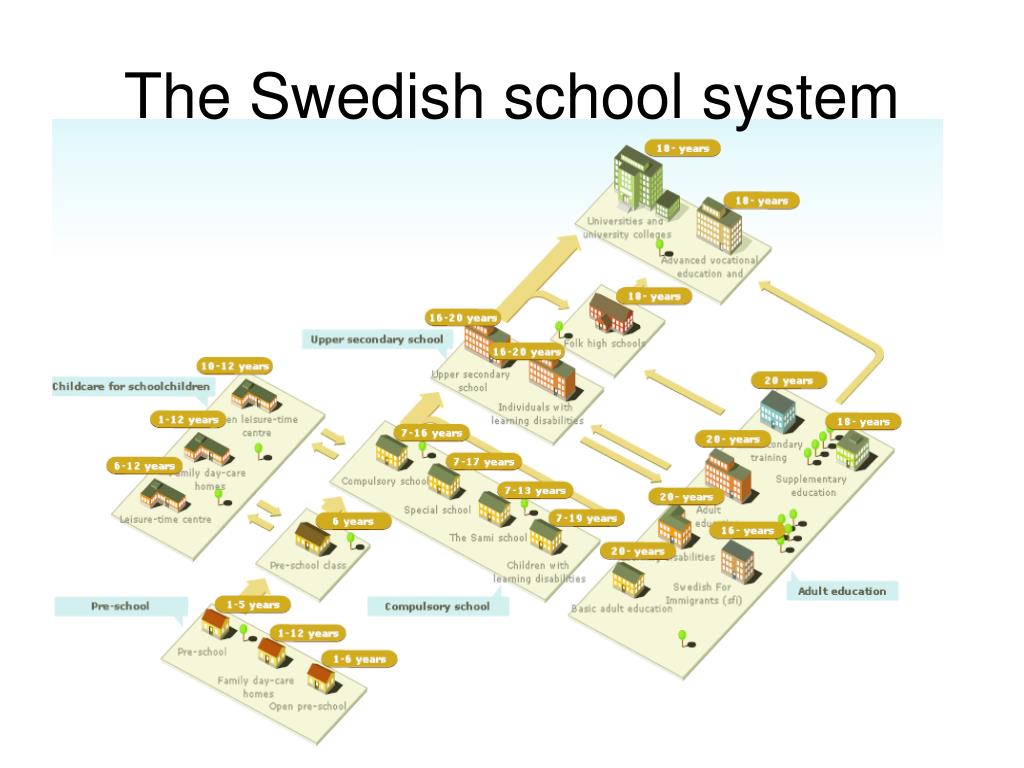
Sweden’s education system has long been heralded as one of the most effective in the world, emphasizing innovative approaches and student-centered learning. However, a recent shift in Sweden education policy has sparked significant debate regarding the impact of digital learning on student performance. After a decade of prioritizing screens over traditional textbooks, the Swedish government is investing over €100 million to reintegrate print materials into classrooms. This educational reform reflects a growing concern about reading comprehension, attention spans, and overall learning outcomes as they relate to screen use. As other nations, including India, grapple with their own education challenges, the lessons from Sweden’s reversal offer vital insights into the balance between technology and foundational learning.
The educational landscape in Sweden, often recognized for its cutting-edge initiatives, is undergoing a transformative phase as it reassesses the role of technology in learning. This pivot back to printed textbooks signals a broader reflection on how educational tools affect student engagement and achievement. The nuances of Sweden’s educational reforms resonate with other countries facing similar dilemmas, particularly in the context of digital learning’s effectiveness versus traditional methods. In contrast to Sweden, India confronts its unique educational hurdles, seeking to enhance foundational skills like reading and comprehension amidst a landscape increasingly dominated by screens. Ultimately, this dialogue around diverse educational methodologies underscores a global need to foster environments conducive to genuine learning.
The Role of Sweden’s Education System in Shaping Modern Learning
Sweden’s education system is often hailed as a model for educational achievement globally, known for its progressive approaches and high student performance. The recent decision to revert from a screen-centric approach back to printed textbooks underscores a crucial critique of current educational trends. While Sweden’s initial shift towards digital learning was framed as a forward-thinking solution, the realities revealed by this transition suggest that technology can have unintended consequences on student engagement and comprehension, which are vital for effective learning. Given the significant investment of €104 million to reintegrate print, it’s clear that the emphasis on foundational skills remains paramount in today’s learning environment.
This reversal highlights the growing recognition among educators and policymakers that technology is not a panacea for all educational challenges. Instead, it prompts a deeper examination of how learning is facilitated. The concerns raised about student focus and learning outcomes resonate across various regions, including those facing substantial educational challenges like India. As countries assess their education reforms influenced by Sweden’s model, it becomes crucial to balance technological advancements with traditional methods that emphasize comprehension and analytical skills.
Impact of Digital Learning on Comprehension and Attention Span
The impact of digital learning extends far beyond the devices themselves and into the very fabric of how students engage with educational materials. Reports suggest that rather than enriching learning experiences, digital devices have fragmented attention spans and diluted reading comprehension among students. In classrooms heavily reliant on screens, distractions lurk behind every tab and notification, prompting educators to grapple not just with content delivery but also with maintaining focus in a digitized learning environment. As such, educators find themselves constantly battling distractions which further complicates the chances of conducting effective lessons.
Moreover, the growing reliance on technology has presented educational challenges reminiscent of those faced in developing countries like India. The focus on digital tools often overshadows the necessity for fundamental skills in reading and writing, which are essential to educational success. In light of these challenges, the shift back to printed textbooks may serve as a critical reminder that fostering a supportive learning environment requires not just technology but also the foundational practices that promote deep reading and sustained engagement among students.
Educational Reform: Lessons from Sweden for Global Practices
Educational reform is necessary for adapting to the evolving challenges in learning environments, and Sweden’s recent policy shifts offer valuable lessons for countries worldwide. By embracing a more traditional framework that includes essential reading materials, Sweden aims to ground its educational approach in what was once considered foundational. This reflects a broader trend in education reform that seeks to blend modern technology with classic teaching methods, enabling students to benefit from the strengths of both paradigms. Such a hybrid model can empower educational systems to produce more well-rounded students proficient in both technological skills and traditional literacy.
For nations like India, facing their own unique education challenges, the implications of Sweden’s reversal are significant. The focus on educational policy should not merely be about integrating technology but also ensuring that the core curriculum emphasizes critical thinking and communication skills. By learning from Sweden’s experiences, countries can prioritize educational reforms that effectively balance technological advancements with a commitment to foundational pedagogical practices that enhance student learning and engagement.
The Distraction Dilemma: Electronic Devices in the Classroom
The proliferation of electronic devices in the classroom has led to a distraction dilemma that educators are now confronting regularly. As noted in recent findings, these devices simultaneously serve educational purposes while providing access to entertainment and social media—creating a challenging environment for maintaining student concentration. This dual functionality erodes the efficacy of lessons as students navigate between learning tasks and a plethora of distractions available at their fingertips. Close monitoring and tailored strategies are now essential as teachers work not only to deliver content but also to manage and mitigate these distractions.
Parents and educators alike are increasingly vocal about the negative impacts of this distraction on students’ ability to focus and complete tasks effectively. As the findings from Sweden indicate, returning to printed textbooks can potentially alleviate this issue by reducing opportunities for distraction during learning. By re-evaluating the role technology plays within the educational landscape, schools can strive to create environments more conducive to concentrated learning and minimized disruption, thereby supporting students in developing the foundational skills necessary for academic success.
Addressing India’s Unique Educational Challenges through Reassessment
For countries like India, where educational challenges are pronounced, reassessing the role of technology in classrooms is more than merely a response to trends seen in developed nations. While advancements and digitalization have a place, the intrinsic issues of poor reading comprehension and distraction need to be tackled head-on. Returning to basics by emphasizing print textbooks, as Sweden is attempting to do, could pave the way for a more nuanced approach to educational methods that cater specifically to the needs of Indian students. This reassessment should not ignore the technology trends but should contextualize them within the local educational framework.
Addressing India’s specific educational challenges also requires recognizing the importance of diverse, innovative teaching methods that go beyond digital solutions. Just as Sweden has pivoted back to printed materials, Indian educators must explore what works best in their context to foster effective learning. This includes encouraging a culture that values literacy and comprehension over the passive consumption of information, which often occurs in digital formats. Ultimately, to navigate these challenges, an inclusive approach that combines technology with traditional instruction may cultivate an environment ripe for academic flourishing.
Technology Versus Traditional Learning: Finding a Balance
The dichotomy between technology and traditional learning is a prevailing theme in modern educational discussions. While technology offers new avenues for interactive and engaging learning experiences, traditional methods have stood the test of time for their effectiveness in fostering comprehension and critical thinking. Sweden’s decision to re-embrace printed textbooks highlights the essential balance that must be struck between the allure of innovation and the proven methods that have backed educational success. Striking such a balance is particularly vital in today’s fast-paced world where distractions abound.
In navigating this balance, educators must thoughtfully integrate technology in ways that enhance rather than detract from the learning process. For instance, using digital tools to complement traditional instruction can help facilitate engagement while still grounding students in essential literacy skills. This synergistic approach ensures that students are not only consuming content but are also developing the critical thinking and analytical skills necessary for lifelong learning. As other nations analyze their educational frameworks, they can take cues from this balanced integration to optimize their own pedagogical strategies.
The Shift Towards Holistic Education in Response to Screen-Based Learning
The recent trend towards holistic education is a pivotal response to the shortcomings of screen-based learning that many educational systems have faced. Holistic education emphasizes the harmonious development of a child, engaging them on emotional, social, and cognitive levels. This paradigm shift aims to cultivate well-rounded individuals rather than merely focusing on their academic outputs. Sweden’s return to printed materials epitomizes this shift—a recognition that such resources can aid in nurturing a deeper understanding and engagement with learning materials that technology sometimes undermines.
In reinforcing a holistic educational philosophy, additional consideration must be given to incorporating life skills, critical thinking, and emotional intelligence into curricula. This approach mirrors the patterns seen in progressive educational reforms internationally, where there is an increasing emphasis on developing soft skills alongside traditional academics. Schools worldwide can glean from Sweden’s insights, nurturing environments that go beyond instructional delivery to embrace comprehensive learning experiences that prepare students to navigate the complexities of modern life in a thoughtful and informed manner.
Political Influences on Education Systems: Perspectives from India and Sweden
Political influences on education systems can significantly sway curricular choices, funding allocations, and the priorities placed on specific pedagogical approaches. In both Sweden and India, educational reforms often reflect broader political narratives, with policies designed to achieve societal goals or address ideological aspirations. The pressures to conform to political doctrines can warp educational objectives, sometimes prioritizing ideology over effective learning methodologies. Understanding these dynamics is essential to consider how educational practices may evolve in response to the changing landscape of political winds.
As the education systems of countries like Sweden and India showcase, navigating the intersection of politics and education requires vigilance and responsiveness to student needs. There needs to be a balance between political aspirations and the overarching goal of fostering literacy and comprehension. By firmly grounding educational policies in learning outcomes rather than partisan agendas, schools can work towards providing equitable and comprehensive educational opportunities for all students, allowing them to thrive regardless of the political climate.
Navigating the Future of Education: Beyond Technology
The future of education lies not merely in technology but in a comprehensive understanding of how students learn best. As Sweden’s recent pivot back to print textbooks illustrates, an emphasis on foundational skills remains crucial for preparing students for future challenges. Educators and policymakers need to embrace a multifaceted approach that incorporates technology judiciously while also reinforcing traditional educational methodologies that promote literacy, comprehension, and critical thinking. This ensures a future where students are well-equipped to handle both technological proficiency and academic challenges.
Moving forward, educational strategies must evolve to be adaptable and reflective, ensuring they meet the diverse needs of learners in various contexts. Educators around the globe, including those in India, should look toward creating curricula that are not just tech-driven but also fundamentally sound in promoting core academic skills. By recognizing that technology serves as a tool rather than a solution in itself, educational systems can cultivate environments that prioritize sustained learning and comprehension, paving the way toward a brighter and more informed future.
Frequently Asked Questions
What lessons can India learn from Sweden’s education policy change regarding digital learning?
India can draw crucial lessons from Sweden’s recent educational reforms, particularly the shift from screen-based learning back to traditional printed textbooks. Sweden’s education policy highlights the importance of balancing digital learning with foundational skills such as reading comprehension and writing. The nation is investing €104 million to reintroduce printed textbooks to address concerns about student distractions and attention spans caused by digital devices. This underscores the need for India to evaluate its own education system and the impact of digital learning on student performance, ensuring that technology complements rather than hinders educational outcomes.
| Key Points |
|---|
| Sweden’s education system is renowned globally for its effectiveness. |
| Transition from printed textbooks to screens occurred in 2009, with a significant reversal happening 15 years later. |
| A budget of €104 million has been allocated to reinstate paper books in schools by 2025. |
| Concerns about screen-based learning include reduced attention spans and poor reading comprehension. |
| Distractions from digital devices hinder students’ focus during lessons. |
| The push for printed materials is seen as a solution to improve attention and engagement in learning. |
| Many countries, including India, face similar challenges in balancing technology and foundational education. |
| The ideal education system must combine digital tools and fundamental skills like reading and writing. |
| Intellectual diversity and critical thinking are essential components of a comprehensive education. |
Summary
The Sweden education system, known for its global reputation, has recently undergone significant changes by transitioning back from screen-based learning to printed textbooks. This U-turn highlights the importance of foundational skills such as reading, comprehension, and writing, which are essential for student success. As Sweden allocates considerable resources to address the challenges posed by digital distractions in classrooms, it serves as a reminder for other countries, including India, to critically assess their own education systems. The focus must remain on providing quality education that not only embraces technology but also prioritizes the foundational elements that facilitate effective learning. This balance is crucial for nurturing well-rounded students capable of navigating their social and academic environments.



























