 11
11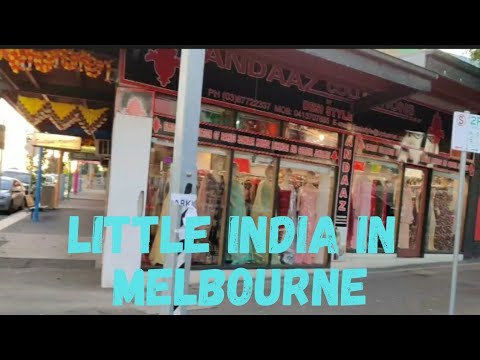
Little India Melbourne stands as a vibrant cultural enclave, offering a sensory feast of sights, sounds, and flavors that celebrate the Indian heritage within Australia’s cosmopolitan tapestry. Nestled in the heart of this Melbourne cultural precinct, it has become a focal point for multicultural events in Melbourne, showcasing everything from authentic cuisine to traditional dance performances. However, the community reaction to Little India has sparked debates among residents, questioning the allocation of city budget funds amid significant expenditures on diverse public art projects and major festivals. Critics of the initiative have voiced their concerns, particularly in light of the recent $1.2 million investment, suggesting alternative uses for the city budget that could benefit a broader range of local communities. As the public consultation Melbourne unfolds, discussions on how to best enhance city life while maintaining its multicultural fabric are more relevant than ever.
The establishment of Melbourne’s Indian precinct, often referred to as Little India, serves as a testament to the city’s commitment to embracing diversity and enriching its cultural landscape. This newly developed area offers an immersive experience filled with culinary delights, colorful festivals, and art that reflects India’s rich traditions. However, mixed feelings have surfaced regarding the city’s spending priorities, particularly in light of the extensive budget allocated for revitalizing other cultural hubs. As the upcoming public meetings aim to gather community input, it remains essential to explore how this precinct can benefit all Melburnians and further foster a sense of belonging. The ongoing conversations around Little India highlight the importance of inclusivity and thoughtful development in a city that prides itself on multiculturalism.
The announcement of establishing Little India in Melbourne has stirred a mixture of excitement and controversy among locals. Many Australians have taken to social media to express their discontent, with some feeling that dedicating a space to one cultural group seems exclusionary in a city celebrated for its multicultural ethos. Critics argue that the $1.2 million allocated for this project could be better spent on initiatives that benefit all community members, particularly given the diverse demographics of Melbourne. Within this spectrum, discussions about community engagement and public consultation became pivotal as residents voiced their opinions during forums leading up to the budget announcement.
Proponents of Little India argue that this area could serve as a vibrant cultural hub, showcasing Indian heritage through food, art, and festivals, enriching Melbourne’s cultural precinct. Events such as Diwali celebrations or Holi festivals could draw both tourists and locals, enhancing Melbourne’s status as a multicultural city. Nonetheless, the challenge remains for city officials to balance the allocation of funds for this project with the needs of the broader community. The response from the public during consultations from March 31st to April 28th could shape the future of such initiatives and reflect the community’s desires.
Melbourne has long been celebrated for its vibrant multicultural events, from the grand Moomba Festival to the diverse culinary celebrations throughout the year. The city’s commitment to cultural festivities, evidenced by the $26 million dedicated to major happenings, reflects its dedication to inclusivity. These events not only highlight individual cultures but also promote community cohesion and understanding among various ethnic groups. With such a rich cultural tapestry, there is a wariness about how initiatives like Little India fit into this landscape without alienating other cultural narratives.
Furthermore, funding allocated for a new multicultural events stream, amounting to $250,000, has raised questions about equitable resource distribution among Melbourne’s various communities. As the budget dictates spending in a city already rich in cultural expressions, the city must ensure that these events do not overshadow others but rather complement them. Involving local voices in public consultations about upcoming budgets will be crucial for fostering a genuine spirit of inclusivity, ensuring that every community feels represented and valued in the grand narrative of Melbourne.
Public consultation has become a cornerstone of urban development in Melbourne, particularly when introducing projects that may significantly alter community dynamics. The ongoing discussions regarding Little India underline the necessity for transparency and engagement among residents. As city officials prepare for consultations in late March, community feedback will play a critical role in shaping not just the project, but the overall approach to how Melbourne navigates the complexities of multiculturalism in urban design.
Engaging residents in the dialogue allows for a diverse array of perspectives to shape development outcomes. As seen with past projects, public input can lead to innovative solutions that improve community satisfaction. The city budget for 2023-24 emphasizes not only funding for major events but also the importance of revitalizing public spaces and engaging in meaningful discussions about cultural precincts. This approach is vital for ensuring the public’s voice is heard while also creating a Melbourne that feels inclusive and vibrant for all its residents.
The Melbourne City Budget serves as a strategic tool for promoting urban renewal and cultural development. Allocating multimillion-dollar funds to projects aimed at enhancing public art and cultural events indicates a strong commitment to maintaining the city’s vibrant atmosphere. However, skepticism arises when specific projects like Little India come into focus. Questions ensue about whether the city’s funds are being allocated equitably across the numerous cultural groups that constitute Melbourne’s population. The budget’s emphasis on multicultural events reflects both optimism and the pragmatic need for inclusivity in utilizing taxpayer money.
Moreover, the $200,000 earmarked for revitalizing business precincts highlights how economic and cultural initiatives can intersect beneficially. By supporting local businesses in diverse areas, the city not only fosters economic growth but also enriches the cultural tapestry of Melbourne. Thus, transparent discussions around the city budget and its implications for multicultural projects will help alleviate concerns among residents regarding spending priorities and the potential for cultural segregation within urban development.
As Melbourne stands at the forefront of multiculturalism, the future hinges on how well the city can integrate its diverse communities. With a growing population from various ethnic backgrounds, balancing the cultural landscape while recognizing each group’s contributions is paramount. Initiatives like Little India, while aiming to celebrate one culture, need to be harmonized with the broader goals of multiculturalism in Melbourne. It’s essential to foster spaces that promote interaction and understanding between cultures rather than fostering division.
As the city prepares for a series of consultations to discuss budget allocations and urban projects, the opportunity arises to forge a more cohesive vision for Melbourne’s multicultural identity. Engaging with various community voices will be vital for crafting an inclusive approach that reflects the diverse fabric of the city. The path forward must ensure that every community feels valued and acknowledged, reinforcing the idea that Melbourne’s strength lies in its diversity.
Little India Melbourne is a vibrant cultural hub located within Melbourne, celebrating Indian culture, cuisine, and community. It plays a significant role in the Melbourne cultural precinct by fostering multiculturalism and offering residents and visitors a unique glimpse into Indian traditions, foods, and festivities. This area not only enhances the cultural diversity of Melbourne but also attracts tourists and locals alike, contributing to the city’s multicultural events.
| Key Points | Details |
|---|---|
| Creation of Little India | Creation of a dedicated Little India has faced backlash from Australians, particularly in online discussions. |
| Budget Allocation Highlights | – $26 million for major events (Moomba, Melbourne Fashion Week, New Year’s Eve) – $2 million for ‘Light Up Melbourne’ project – $4.5 million for public art projects – $4.2 million for arts grants – $2.6 million to upgrade banner poles – $420,000 for new City Square Christmas decorations – $250,000 for new multicultural events stream – $200,000 for business precinct revitalization |
| Public Consultation | Consultation on the budget will occur from March 31st to April 28th. |
| Mayor’s Statement | City Mayor Nick Reese states the initiative aims to uplift streets and strengthen cultural precincts. |
Little India Melbourne represents a significant cultural initiative that has sparked a complex dialogue among Australians. Despite a $1.2 million investment aimed at fostering multiculturalism and diversity within the city, many residents have expressed their reservations on social media, challenging the creation of a designated Little India. This initiative is part of a broader budget allocation that includes substantial funding for various events and public art projects, reflecting the city’s commitment to enhancing its cultural landscape. With community consultations planned, it’s clear that the conversation around Little India Melbourne is just beginning, serving as a pivotal moment for cultural dialogue and urban development in Melbourne.