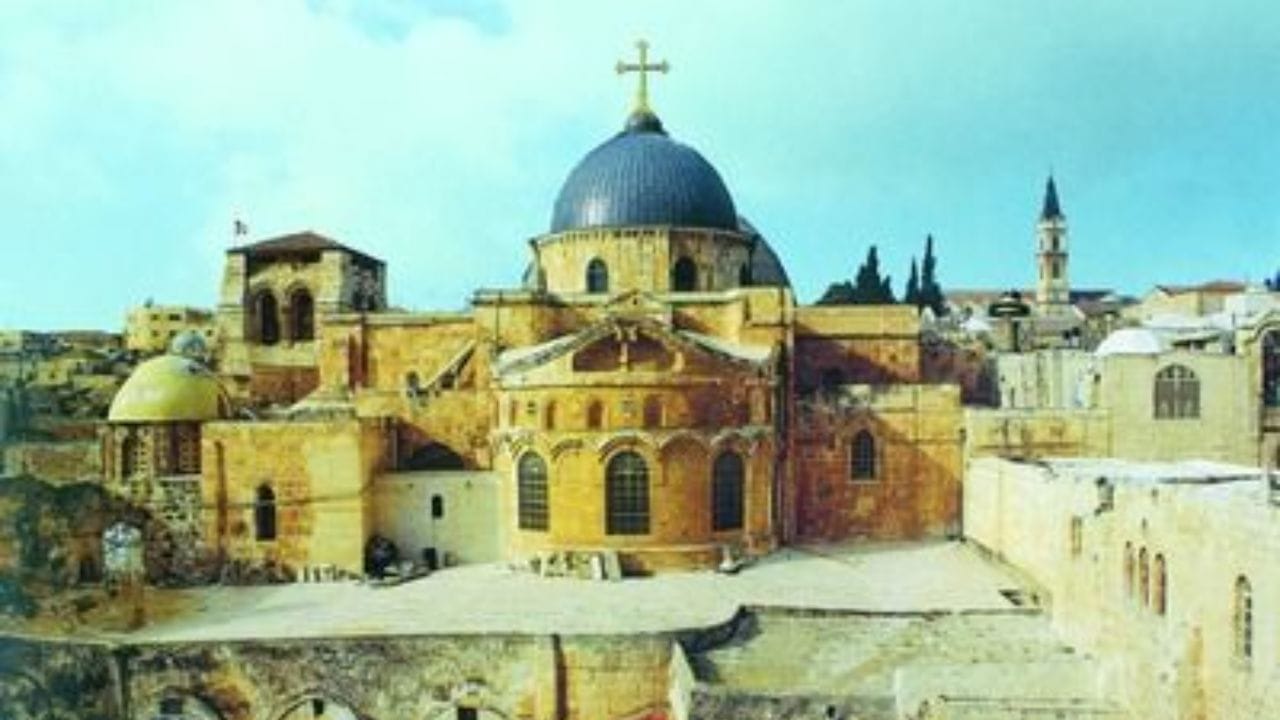
The Palm Sunday Jerusalem incident has become a focal point of international debate and concern, marking a significant moment in the ongoing discussions about religious freedom in the holy city. For the first time in centuries, senior Catholic leaders, including Cardinal Pierbattista Pizzaballa, were barred from entering the revered Church of the Holy Sepulchre during one of Christianity’s most sacred observances. This unprecedented restriction elicited sharp responses from global leaders and highlighted the contentious relationship between religious expression and security. Israeli police actions, prompted by rising tensions related to regional conflicts, have drawn widespread condemnation and called into question the status of holy sites in Jerusalem. As the world reacts, the incident serves as a stark reminder of the fragile state of religious tolerance in areas steeped in historical and spiritual significance.
The recent events on Palm Sunday in Jerusalem, which saw clergy barred from a key religious site, have raised serious discussions around the freedom of worship in this storied city. Cardinal Pizzaballa and fellow bishops faced restrictions while trying to commemorate the day marking Jesus’s entry into Jerusalem, underscoring ongoing challenges that religious leaders encounter. The clampdown by Israeli authorities, citing security concerns amidst regional tensions, has sparked a broader dialogue about the intersection of faith and governance. The Church of the Holy Sepulchre, a central hub for Christian pilgrims and worshippers, has once again become a battleground for international scrutiny and reaction. As the fallout of this incident unfolds, it signals the delicate balance that must be maintained to uphold both safety and the right to practice one’s religion freely.
The Palm Sunday Jerusalem Incident: A Sacred Day Disrupted
On Palm Sunday, a day revered by Christians for commemorating the triumphal entry of Jesus into Jerusalem, a significant incident unfolded that shocked both local congregants and global observers alike. For the first time in modern history, senior Catholic leaders, including Cardinal Pierbattista Pizzaballa, were denied entry to the Church of the Holy Sepulchre. This church, regarded as one of the most sacred sites in Christianity, was meant to host a significant Mass attended by many faithful. The Israeli police, acting on orders related to security measures, turned back these clergy members, sparking immediate outcry and confusion among worshippers who had gathered to participate in this sacred tradition.
The implications of this event resonate beyond faith; they strike at the heart of religious freedom and the status of holy sites in Jerusalem. By denying entry to high-ranking church officials, the Israeli police actions have raised concerns about the broader protection of religious rights in a city long viewed as a melting pot of cultures and beliefs. The incident was further exacerbated by its timing amidst escalating regional tensions, particularly linked to the ongoing conflict with Iran, which has led many to question Israel’s priorities when it comes to respecting religious observances. As global attention turned to Jerusalem, many are left wondering how this incident might affect interfaith dialogue and religious tolerance moving forward.
Global Reactions to the Palm Sunday Incident
The international reaction to the Palm Sunday incident was swift and vehement. Leaders from around the world, including French President Emmanuel Macron, condemned the actions taken by the Israeli police as unacceptable. Macron’s call to ensure freedom of worship underscored a growing concern about the increasing restrictions placed upon religious practices in Jerusalem. He highlighted that the city should remain a place of sanctuary for all faiths, and any measure perceived as undermining this principle poses a threat not only to religious leaders but also to the millions of pilgrims who visit each year.
In addition to political leaders, various human rights organizations expressed alarm over the continued violations of religious freedom in Jerusalem. They argue that such incidents contribute to a climate of fear and uncertainty for religious groups. The diplomatic fallout from this incident raises crucial questions about the balance that must be struck between security measures and the protection of religious freedoms. As discussions continue about the actions of Israeli authorities during the Palm Sunday Mass, many are hopeful that this incident can catalyze a renewed commitment to safeguarding religious rights and fostering a more inclusive environment in this historically significant city.
Cardinal Pizzaballa and the Church of the Holy Sepulchre: Guardians of Faith
Cardinal Pierbattista Pizzaballa, as the Latin Patriarch of Jerusalem, stands at the forefront of the Christian community’s efforts to maintain presence and tradition at significant religious sites like the Church of the Holy Sepulchre. His commitment to the preservation of faith amid rising tensions has made him a prominent figure in ongoing discussions about religious freedom in the city. The church itself, revered as the site of Christ’s crucifixion, burial, and resurrection, serves as a vital spiritual home for Christians around the world. Cardinal Pizzaballa’s recent experiences navigating restrictions emphasize the broader challenges faced by religious leaders in Jerusalem.
The challenges at the Church of the Holy Sepulchre during Palm Sunday are reflective of larger patterns of increasing scrutiny faced by religious practices in Jerusalem. With more incidents showcasing the precarious nature of religious observances in this historic city, the role of Church leaders like Cardinal Pizzaballa becomes essential. Not only do they safeguard their faith communities, but they also engage in dialogues with other religious groups and the Israeli authorities to advocate for respect and rights to worship freely. As international support galvanizes around the notion of protecting these sacred spaces, the spotlight is now firmly on the Church’s ability to navigate these complex socio-political landscapes.
Israeli Police Actions and Their Implications for Religious Observances
The recent actions of the Israeli police in response to the Palm Sunday incident have raised widespread concern regarding the security protocols employed at religious sites. The decision to turn back members of the clergy during such a significant event exemplifies a growing trend where security fears appear to overshadow the rights of religious expression. Critics argue that while security is fundamental, the approach taken by Israeli authorities could undermine the legacy of Jerusalem as a place of worship and coexistence. By prioritizing security over accessibility, the potential for division among faith communities deepens, raising fears of further isolating religious practice to specific groups.
As the voices of dissent and concern grow stronger, it is clear that Israeli police actions will heavily influence future religious observances in the city. Many observers are calling for a reassessment of protocols that govern access to sacred sites to ensure that such incidents do not happen again. The response of both the government and the police moving forward will be crucial in restoring faith among religious leaders and worshippers alike. As the international community watches closely, the question remains whether Israel can find a balance that preserves its security needs while honoring the diverse religious tapestry that defines Jerusalem.
The Need for Religious Freedom in Conflict Zones: Lessons from the Jerusalem Incident
The Palm Sunday incident serves as a poignant reminder of the complex interplay between security and religious freedom in conflict zones. Instances like the denial of entry to Cardinal Pizzaballa highlight the urgent need for policies that prioritize freedom of worship, even amid concerns for public safety. As religious groups face increasing restrictions worldwide, the events in Jerusalem underline the importance of protecting cultural and religious identities. Global leaders must reflect on how their policies and actions can influence the preservation of these identities, ensuring that faith remains a source of hope rather than a point of contention.
Moreover, the lesson must extend to the international community, which holds the responsibility to advocate for human rights regardless of the regional challenges. Ensuring that all individuals can express their faith freely is not only a moral imperative but also vital for long-lasting peace in areas fraught with conflict. The reactions to the Palm Sunday incident demonstrate that there is an international appetite for change. Dialogue and cooperation between religious leaders and governmental authorities are more critical than ever, forming the foundation for a future where sacred spaces are accessible to all, regardless of their background.
Re-evaluating the Status Quo in Jerusalem’s Sacred Spaces
The recent upheaval surrounding Palm Sunday has triggered a renewed examination of the status quo governing access to Jerusalem’s sacred spaces. Historically, the city has been seen as a sanctuary for multiple faiths, but with recent events prompting international scrutiny, there are increasing calls for a reassessment of existing agreements and practices. Scholars and religious leaders are now debating how changes in access rights and police protocols might affect not only interfaith relations but also the overall climate of worship in Jerusalem. Addressing these issues is crucial for ensuring that the sanctity of religious observances is preserved.
Simultaneously, there is a deep-seated desire among many communities for collaborative solutions to ensure that religious observances can proceed uninterrupted. As individuals empathize with the struggles of faithful who seek to worship freely, there is hope that the collective voice for change will garner sufficient momentum to encourage dialogue between religious institutions and Israeli authorities. The Palm Sunday incident has become a catalyst, potentially paving the way for new frameworks that enhance religious freedoms and ensure Jerusalem remains a city where diversity is embraced and celebrated.
Exploring Diplomatic Responses After the Jerusalem Incident
In the wake of the Palm Sunday incident, many diplomatic entities have sprung into action, seeking to address the fallout and mitigate tensions arising from the actions of Israeli police. The response from leaders like Emmanuel Macron illustrates the role of international diplomacy in safeguarding religious freedoms, stressing the need for meaningful dialogue and negotiation. Such responses often indicate a recognition that religious disputes are not merely local issues but global concerns that transcend borders and necessitate collaborative solutions.
As diplomatic channels remain open, there is potential for crafting agreements that prioritize religious freedom while ensuring security concerns are adequately addressed. Various nations are rallying around this cause, emphasizing that protecting the sanctity of worship in Jerusalem is of paramount importance to millions around the globe. As discussions evolve, the impact of international reaction could lead to more nuanced strategies to navigate the complexities of policing faith in an ever-fragile political landscape.
The Role of Interfaith Dialogue in Light of Recent Events
The Palm Sunday incident starkly highlights the importance of interfaith dialogue in addressing the challenges faced by religious groups in Jerusalem. It serves as a reminder that collaboration among different faiths may hold the key to navigating the delicate dynamics of religious freedom. By bringing together leaders from various traditions, there is an opportunity to foster mutual understanding and respect, which is crucial in a city known for its rich tapestry of cultures and beliefs. Shared goals around worship access can unite diverse groups in advocating for change.
As communities rally together in response to restrictions such as those witnessed on Palm Sunday, they create a strong platform for promoting peace and tolerance. Engaging in ongoing dialogue allows for the identification of common challenges and potential solutions, bridging the divides that often exacerbate tensions. This incident could act as a launching point for more organized interfaith initiatives, underlining the critical role of cooperation in preserving freedom of worship and ensuring the protection of sacred spaces for all.
Lessons Learned: The Future of Religious Leadership in Jerusalem
The events surrounding the Palm Sunday incident offer pivotal lessons for religious leadership in Jerusalem and beyond. In the face of adversity, leaders like Cardinal Pizzaballa are reminded of the vital need for resilience and advocacy for their communities. This incident can be a teachable moment, encouraging religious figures to strengthen their efforts towards inclusivity and dialogue both within their congregations and with the governmental authorities. With the world watching, there is an unprecedented opportunity for religious leaders to champion the rights of their congregations effectively.
Moving forward, the religious leadership in Jerusalem must navigate the complexities of security concerns while upholding ritual practices and the sanctity of sacred spaces. Increased collaboration between different religious groups could also provide a united front in promoting freedom of worship. The dialogue initiated through incidents such as this one can lead to a future where the diverse religious fabric of Jerusalem is respected and celebrated, reinforcing the city’s reputation as a center of faith and unity.
Frequently Asked Questions
What were the implications of the Palm Sunday Jerusalem incident involving Cardinal Pizzaballa at the Church of the Holy Sepulchre?
The Palm Sunday Jerusalem incident saw Cardinal Pierbattista Pizzaballa and other senior clergy barred from entering the Church of the Holy Sepulchre, sparking international criticism and diplomatic responses. This event is particularly alarming as it’s the first time senior Catholic leaders faced such restrictions on this significant day in the Christian calendar. The backlash emphasized concerns over religious freedom and prompted discussions about the implications of Israeli police actions on the status quo regarding holy sites in Jerusalem.
| Key Point | Details |
|---|---|
| Incident Description | Senior Catholic leaders were barred from entering the Church of the Holy Sepulchre on Palm Sunday. |
| Significance of Palm Sunday | Marks the day of Jesus’s triumphant entry into Jerusalem, considered one of the holiest days in Christianity. |
| International Reaction | Diplomatic responses included extensive criticism from world leaders, particularly from French President Emmanuel Macron. |
| Israel’s Position | Prime Minister Netanyahu intervened, citing security concerns related to rising tensions with Iran. |
| Broader Implications | Highlights ongoing restrictions in Jerusalem and raises concerns about potential escalations in religious tensions. |
Summary
The Palm Sunday Jerusalem incident marks a critical moment in the ongoing struggles faced by religious leaders in the region. For the first time in centuries, senior Catholic figures were denied access to a significant religious site, igniting sharp international backlash and stirring diplomatic tensions. Leaders from across the globe, including those from France, have condemned the actions of Israeli authorities, framing them as a violation of religious freedoms. This event not only signifies an encroachment on religious practices but also encapsulates the broader issues of security and political conflict within Jerusalem, further complicating an already fraught situation. As advocates for religious expression call for stronger protections, the incident underscores the need for renewed dialogue and respect for all faiths in this historic city.