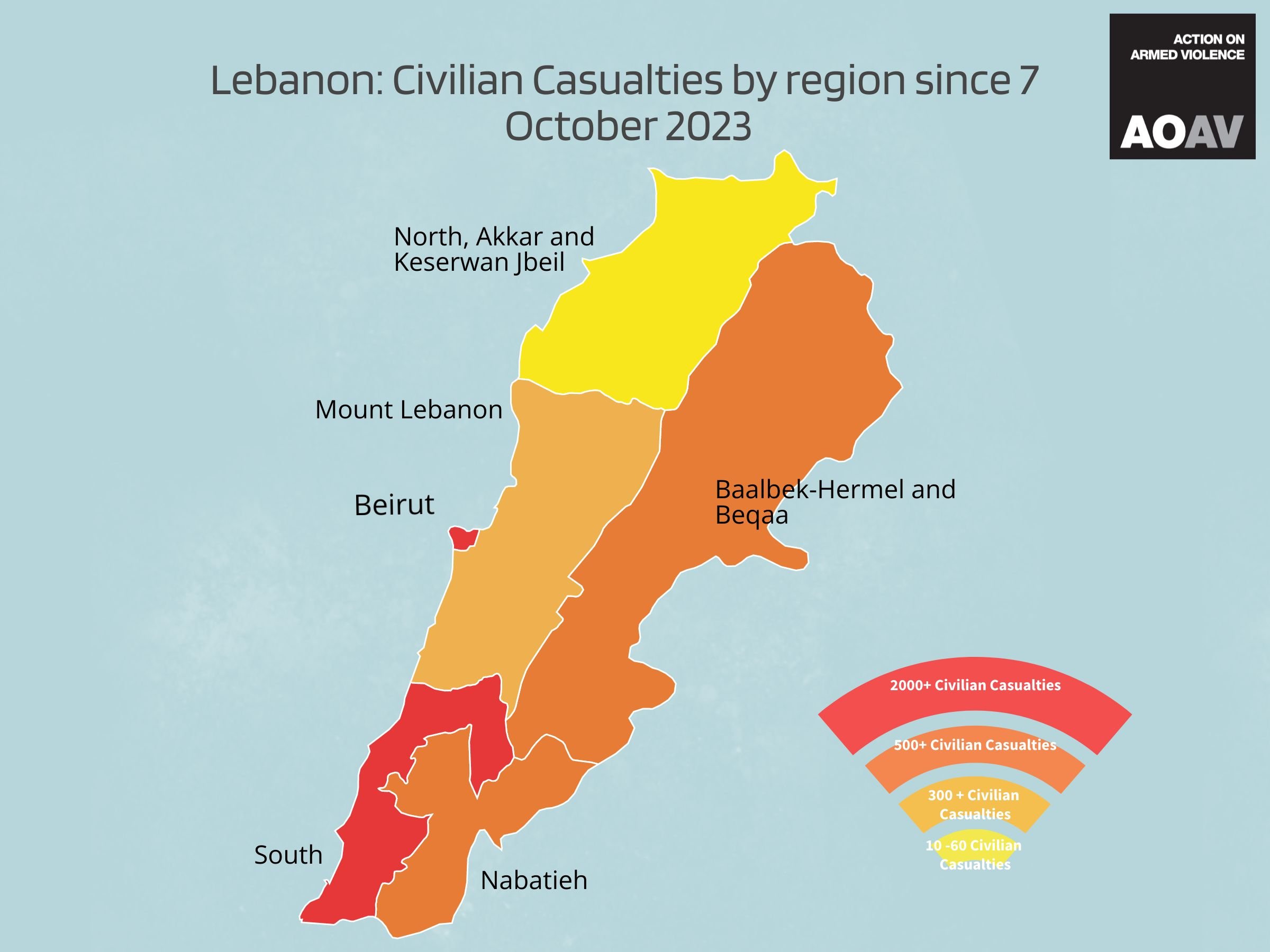
The recent surge in violence has resulted in tragic Lebanon civilian deaths, with reports indicating that over 300 individuals have lost their lives in the turmoil. As the devastation unfolds, the international community is grappling with the implications of these casualties amidst the ongoing chaos in the Middle East. Neighboring tensions, particularly between Iran and the US, further complicate the landscape, leading to rising concerns over potential escalations. In the wake of these events, global powers, including India, have expressed regret over the loss of innocent lives, emphasizing the urgent need for dialogue. With Lebanon violence peaking in April 2026, the humanitarian crisis is becoming increasingly difficult to ignore, raising critical questions about accountability and peace in the region.
Amidst the backdrop of escalating hostilities, the civilian toll in Lebanon has become a focal point of despair, drawing attention to the need for humanitarian considerations in military confrontations. The growing number of civilian casualties echoes the broader specter of conflict in the Middle East, where battles have ensnared innocents in their wake. Emerging tensions, evidenced by outspoken criticism from nations like India regarding Lebanon’s suffering, highlight the complex interplay of international relations in the region. As discussions unfold around the underlying factors influencing these hostilities, including Iran’s provocative stance against the US, the urgent need for a resolution becomes ever clearer. The tragic circumstances in Lebanon serve as a poignant reminder of the human cost of conflict, emphasizing the need for lasting peace and stability.
Understanding Lebanon Civilian Deaths and International Reactions
The recent escalation of violence in Lebanon has sparked global concern, particularly regarding the civilian casualties reported in the aftermath of military actions. With over 300 civilian deaths documented, the international community has reacted with a mix of sorrow and condemnation. While some countries have expressed outright support for Lebanon’s plight, others have refrained from conclusively attributing blame, citing the complex geopolitical landscape of the region. The situation is particularly tense given the backdrop of ongoing Iran-U.S. tensions, which complicate the discourse regarding accountability in these civilian deaths.
India has emerged as a vocal advocate for peace, expressing deep regret over the civilian losses in Lebanon. The Indian government has carefully navigated this statement, avoiding direct criticism of Israel while emphasizing the need for a diplomatic resolution to the conflict. This sentiment echoes broader concerns across the Middle East, where nations are increasingly wary of the implications of U.S. foreign policy as it pertains to regional stability. The challenges faced in Lebanon are reflective of ongoing middle eastern conflicts, where innocent lives are caught in the crossfire of larger geopolitical struggles.
The Impact of Lebanon’s Violence on Regional Stability
The violence that erupted in Lebanon in April 2026 has not only resulted in tragic civilian deaths but has also raised alarms about the stability of the entire Middle Eastern region. Governments across the region are concerned that if the violence continues unchecked, it may spill over borders, exacerbating existing tensions and leading to further conflicts. As Lebanon grapples with the humanitarian crisis resulting from these recent attacks, neighboring countries are increasingly on edge, mindful of their own vulnerabilities in light of ongoing regional unrest.
Furthermore, the unfortunate loss of life amidst the turmoil has reignited discussions surrounding the role of international actors, like Iran, in the escalating conflict. Critics argue that outside influences are often detrimental to peace efforts, and with reports of Iran’s involvement, the situation becomes exceedingly complex. The need for a concerted international effort to mediate and de-escalate tensions is apparent, yet achieving consensus presents its own challenges, particularly when nations weigh their strategies against the backdrop of U.S. policies in the region.
Geopolitical Tensions and Their Influence on Lebanon’s Crisis
The intersection of geopolitical tensions, particularly those involving Iran and the United States, plays a crucial role in Lebanon’s ongoing crisis. While local armed conflicts have generated significant civilian casualties, the overarching power struggles initiate a cycle of violence that is increasingly difficult to resolve. The correlation between Israel’s military actions and Iranian rhetoric highlights the complexities at play, as both nations stand on opposite sides of a delicate balance. This environment creates volatility, leading to extensive implications for civilian populations in Lebanon and surrounding areas.
Additionally, with the backdrop of Middle East conflicts shaping public perceptions and policies, Lebanon finds itself at a critical juncture, straddling the lines drawn by larger geopolitical conflicts. Countries like India express regret over civilian deaths without directly challenging the leading global powers involved, demonstrating the careful balancing act required of nation-states in their foreign policy approaches. Consequently, the plight of Lebanon’s civilians becomes a poignant illustration of how international relations significantly impact local realities.
The Role of International Aid in Mitigating Lebanon’s Suffering
In light of the staggering civilian deaths and displacement resulting from the latest wave of violence, the role of international aid becomes increasingly vital for Lebanon. Humanitarian organizations have mobilized resources to provide support, but funding and adequate assistance continue to be challenges exacerbated by geopolitical divides. The effective allocation of aid, however, relies on the willingness of countries to contribute without perpetrating further tensions among existing adversaries, such as Israel and Iran. Delivering aid amid escalating violence is not merely a logistical challenge but a politically charged endeavor that reflects the broader conflict dynamics.
Additionally, the need for a coordinated international response cannot be overstated. Aid should not only be a response to the immediate humanitarian crisis but also an integral component of longer-term solutions aimed at establishing peace in the region. As Lebanon strives to recover from significant losses, sustainable aid could play a role in reconciliation efforts, buoying prospects for stability amid rampant violence. However, the political framework within which this aid is delivered remains contentious, highlighting how complex it is to extricate humanitarian efforts from the broader tapestry of Middle Eastern conflicts.
Regional Responses to the Lebanon Crisis
The recent crisis in Lebanon has elicited a range of responses from various countries in the region, each influenced by their political affiliations and historical contexts. Nations affected by similar conflicts or standing in solidarity with Lebanon are voicing their concerns, as the impact of violence resonates well beyond Lebanon’s borders. Countries like India, which have historically taken neutral stances on Middle Eastern conflicts, are now reflecting on the humanitarian impacts of such violence, prompting them to express regrets over civilian deaths.
Moreover, regional powers are watching closely as these incidents of violence unfold, fearing that a further escalation may threaten their own stability. Iran’s strong stance against perceived aggressors has grown in intensity, advocating for regional unity against their adversaries while calling for a reckoning regarding civilian casualties. This collective regional response draws attention to the interconnectedness of Middle Eastern states, where one nation’s crisis may have ripple effects that influence diplomatic relations and security dynamics across the region.
Media Coverage of Lebanon’s Casualties
Media portrayal of the civilian casualties in Lebanon has played a pivotal role in shaping global perceptions of the ongoing conflict. Coverage highlighting the grim realities faced by innocent populations struggling through violence has garnered international sympathy and provoked calls for intervention. However, the complexity of the narratives presented often obscures the broader geopolitical context, with outlets either downplaying or overemphasizing certain aspects based on national interests. The challenge lies in balancing the urgency of humanitarian reporting with an accurate understanding of the underlying factors contributing to the violence.
Furthermore, discussions surrounding Israel and its counterparts are often colored by media representation, which can inadvertently affect public opinion regarding who bears responsibility for civilian deaths. Such coverage has implications for international policy decisions, impacting how countries like India navigate their responses diplomatically. In this context, a nuanced understanding of Lebanon’s situation, supported by balanced media reporting, becomes essential not only for humanitarian action but also for fostering informed discussions about peace in the region.
Implications of Civilian Deaths on Lebanon’s Future
The tragic civilian deaths resulting from violence in Lebanon have profound implications for the nation’s future prospects. The loss of life not only represents an immediate humanitarian crisis but also undermines the social fabric that holds communities together, potentially leading to heightened tensions and resentment. As survivors grapple with the emotional and psychological toll of violence, the pathway towards reconciliation and long-term stability becomes increasingly precarious. Such casualties may also embolden radical factions seeking to exploit disillusionment among the populace.
As Lebanon navigates a turbulent future, addressing the root causes of violence and focusing on rebuilding a sense of community are essential. Engaging affected populations in dialogue and fostering inclusive governance will be paramount in deterring further conflict. The international community’s role in promoting accountability for civilian deaths cannot be overstated, as ensuring justice and closure serves not only the immediate victims but also lays the groundwork for a more peaceful and stable Lebanon in the years to come.
Lessons from Lebanon for Future Conflict Management
The heartbreaking events unfolding in Lebanon offer valuable lessons for future conflict management strategies, particularly regarding the management of civilian casualties. The repeated cycle of violence highlights an urgent need for comprehensive peace initiatives that prioritize protecting civilian lives and addressing the root causes of conflict. Effective conflict management requires an understanding of the complexities within Lebanon, balancing the nuanced local dynamics with the broader geopolitical tensions at play.
Moreover, engaging in proactive diplomacy focused on mitigating the impacts of external conflicts on local populations must become a priority for the international community. By learning from the ongoing tragedy in Lebanon, policymakers and leaders can better strategize on implementing mechanisms designed to prevent civilian casualties in future crises. Prioritizing dialogue, collaboration, and humanitarian interventions will be critical in fostering lasting peace, not just for Lebanon, but for the entire region, given the interconnected nature of Middle East conflicts.
Frequently Asked Questions
What are the recent reports on Lebanon civilian deaths amid the ongoing Middle East conflicts?
Recent reports indicate that Lebanon civilian deaths have exceeded 300 due to escalating violence in the region. While Iran condemned the attacks as a grave violation, tensions remain high among involved parties, emphasizing the fragile state of security amidst ongoing Middle East conflicts.
| Key Point | Details |
|---|---|
| Deaths | Over 300 civilians reported dead following attacks. |
| India’s Stand | India expresses regret over the civilian deaths without directly naming Israel. |
| Iran’s Response | Described the attacks as a violation of agreements, warning against US involvement. |
Summary
Lebanon civilian deaths are a tragic consequence of the recent attacks, with reports indicating that over 300 civilians have lost their lives. This situation prompts international concern and calls for accountability. India’s regret regarding these casualties further highlights the need for diplomatic dialogue to address the complexities of the conflict. Additionally, Iran’s strong condemnation underscores the fragile geopolitical landscape surrounding Lebanon, underscoring the importance of ongoing discussions aimed at preventing further civilian harm.