

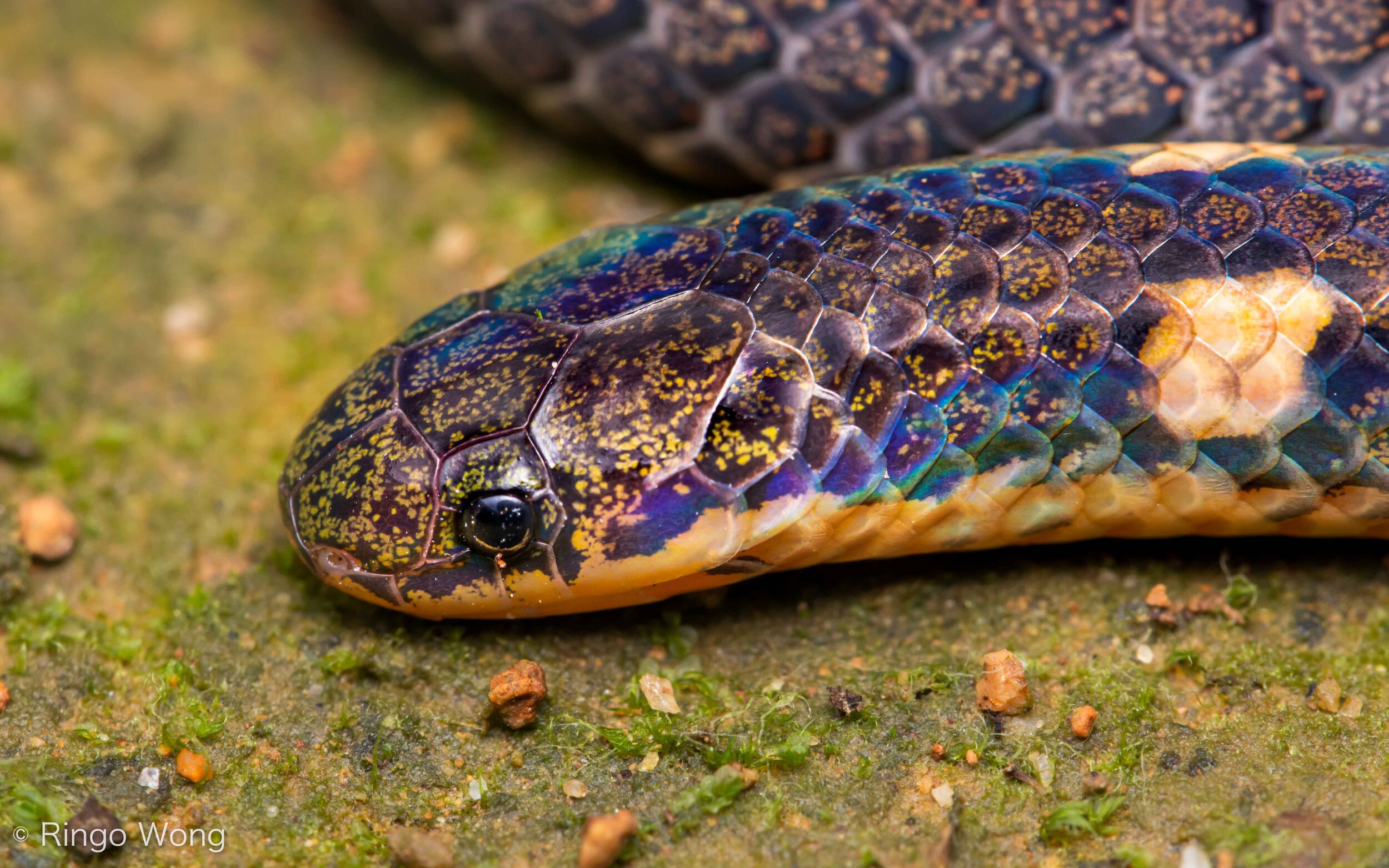
The Garo Hills reed snake, scientifically known as *Calamaria garoensis*, marks an exciting new addition to the biodiversity of Meghalaya, which is home to a rich array of wildlife. Discovered in the lush forests of Garo Hills, this newly identified burrowing reed snake showcases unique physical characteristics, including distinct longitudinal stripes and a subtle neck marking that set it apart from its relatives. The significance of this new snake species extends beyond mere classification; it highlights the ecological importance of the Garo Hills region, emphasizing the urgent need for conservation efforts. As researchers delve into the reptiles of Meghalaya, they expose the hidden treasures of the region’s wildlife, enhancing our understanding of its complex ecosystem. The discovery of the Garo Hills reed snake underscores the incredible biodiversity waiting to be explored in Meghalaya, raising awareness about the vital role such species play in maintaining ecological balance within their habitats.
Referred to in scientific literature as *Calamaria garoensis*, the newly unearthed species of burrowing reed snake sheds light on the lesser-known snake fauna of the Garo Hills. This intriguing reptile, with its exclusive features and elusive nature, presents a compelling case for the ecological wealth found within Meghalaya’s forests. Often overlooked, these snakes are crucial to the region’s biodiversity, and their study reveals critical insights into the environmental dynamics of the area. As conservationists and biologists focus on understanding Meghalaya wildlife, they are paving the way for a deeper appreciation of the ecological significance of Garo Hills, where countless undiscovered species may still reside. This newfound awareness propels the narrative of biodiversity conservation, urging further investigation into the delicate balance maintained by creatures such as the Garo Hills reed snake.
The Discovery of the Garo Hills Reed Snake: A New Addition to Meghalaya’s Wildlife
The recent discovery of the Garo Hills reed snake, scientifically named *Calamaria garoensis*, marks a notable advancement in herpetological research within Meghalaya’s West Garo Hills district. This newly identified species showcases distinctive physical traits such as smooth dorsal scales organized in 13 rows and unique longitudinal stripes, setting it apart from other species in its genus. The snake’s specific markings, including a faint neck stripe, add depth to our understanding of this elusive group of burrowing snakes. Researchers believe that this finding highlights the rich biodiversity of the region, which remains largely uncharted and holds the potential for further discoveries.
As researchers delve deeper into the ecology of the Garo Hills, the Garo Hills reed snake exemplifies the importance of studying lesser-known species that contribute to the region’s ecosystem. Only documented in Oragitok so far, this snake’s limited range suggests it may be vulnerable to habitat loss, underscoring the necessity for conservation measures. Furthermore, the genus *Calamaria* is characterized by the small and secretive nature of its species, which often remain unnoticed within their underground habitats; thus, each new discovery like *Calamaria garoensis* not only enhances scientific knowledge but also emphasizes the need for ongoing ecological research efforts.
Ecological Significance and Conservation of the Garo Hills Reed Snake
The Garo Hills reed snake holds significant ecological importance within its native habitat. As a member of the *Calamaria* genus, this burrowing reed snake plays a vital role in maintaining the ecological balance in its ecosystem. The presence of such species is crucial for soil aeration, pest control, and as indicators of environmental health. Understanding their behaviors and interactions within the Garo Hills ecosystem will be key to implementing effective conservation strategies. The finding of *Calamaria garoensis* adds a new layer to the existing biodiversity of Meghalaya wildlife, presenting an opportunity to study the intricate relationships between species and their habitats.
Given the limited geographic range of the Garo Hills reed snake, conservation efforts are paramount. The researchers assert that the discovery of this species underscores the urgency to protect their habitat in Oragitok, particularly as this area is rich in biodiversity yet susceptible to human encroachment. Conservationists aim to raise awareness about the ecological significance of such species within Meghalaya’s broader wildlife framework, emphasizing that documentation of even the smallest creatures can aid biodiversity conservation initiatives. The newly discovered species stands as a reminder of the hidden treasures within Meghalaya’s natural landscapes, urging the local and scientific communities to prioritize their protection.
Field Research Discoveries in Meghalaya: Uncovering New Species
Field research in Meghalaya has proven to be a treasure trove for discovering new species, with the burrowing Garo Hills reed snake being just one notable example. Conducted by a collaborative team of researchers from various institutions, including India and Indonesia’s National Research and Innovation Agency, the expedition revealed vital information about the region’s diverse herpetofauna. Since the area is characterized by dense forests and unique ecological conditions, it provides a rich habitat for many species that remain undiscovered. This emphasis on fieldwork highlights the integral role of hands-on research in uncovering biodiversity.
Throughout their field investigations, scientists utilized advanced techniques such as genetic analysis to identify *Calamaria garoensis*. Such methods not only confirm species identities but also help clarify earlier classification errors that have clouded our understanding of the region’s reptiles. This discovery process is essential for proper conservation planning, motivating further explorations into Meghalaya’s unexplored territories. Continued research will be key in understanding the dynamics of Garo Hills wildlife and the necessity for protective measures to preserve the delicate balance of these ecosystems.
The Unique Appearance of the Garo Hills Reed Snake
The Garo Hills reed snake, or *Calamaria garoensis*, is easily recognized by its distinctive physical features, which include smooth dorsal scales and prominent markings. The arrangement of scales in 13 rows provides insights not only into its taxonomy but also informs researchers about the evolutionary adaptations of burrowing snakes. The unique coloration, with longitudinal stripes and a subtle neck marking, plays a crucial role in how this species interacts with its environment, potentially aiding in camouflage within its forested habitat.
Understanding the physical attributes of the Garo Hills reed snake can enhance our knowledge about the adaptations of snake species in different ecological niches. As a burrowing snake, *Calamaria garoensis* exhibits traits well-suited for life underground. Its blunt-tipped tail and body structure facilitate movement through the soil, allowing it to evade predators and search for food. Such evolutionary traits emphasize the importance of preserving habitats that support the diversity of life in the Garo Hills, further motivating the scientific community’s focus on documenting and studying these remarkable creatures.
Genetic Insights into the Garo Hills Reed Snake
Genetic studies of the Garo Hills reed snake, *Calamaria garoensis*, have revealed essential insights into its evolutionary position within the *Calamaria* lineage. Utilizing mitochondrial DNA analysis, researchers were able to determine that this newly discovered species is closely related to *Calamaria mizoramensis*, yet remains distinct, with about 6.3 percent genetic variation. This level of differentiation underscores the complexity of snake taxonomy and highlights the significance of genetic research in clarifying identities within the confusing realm of similar-looking species.
These genetic findings not only support the classification of *Calamaria garoensis* but also enhance our understanding of the evolutionary history of the Garo Hills’ reptiles. By establishing a clearer taxonomy, conservationists can develop targeted efforts to protect specific species and their habitats. Furthermore, studying genetic diversity within this population could unveil how environmental pressures influence adaptations, shedding light on the evolutionary processes at work in this unique region. This genetic perspective serves as a crucial tool for future research endeavors aimed at understanding and preserving the biodiversity of Meghalaya.
Importance of Collaborative Research in Biodiversity Discovery
The discovery of the Garo Hills reed snake is a testament to the power of collaborative research in uncovering biodiversity. Comprising experts from institutions such as Cotton University, Assam Don Bosco University, and the Zoological Survey of India, the research team combined their diverse skill sets to address the challenges of herpetological study. Such interdisciplinary collaboration enables a comprehensive approach to research, ensuring that various aspects, from fieldwork to genetic analysis, are meticulously executed for the best outcomes.
Moreover, collaborative projects like this one foster a sense of community among researchers, encouraging the sharing of knowledge and resources essential for tackling complex scientific inquiries in biodiversity-rich regions like Meghalaya. As they work together, scientists not only enhance their own expertise but also propel the urgency of conservation efforts for newly discovered species like the Garo Hills reed snake. The collective future of research in Meghalaya lies in such partnerships, which pave the way for new findings and contribute to global biodiversity studies.
The Role of *Calamaria* Species in Ecosystems
The *Calamaria* species, including the newly identified Garo Hills reed snake, play a crucial role in their respective ecosystems. As primarily burrowing snakes, they contribute to soil health by aerating it and facilitating nutrient cycling, which benefits plant life and other organisms within the habitat. By preying on small invertebrates, these snakes help maintain balance within local food webs, acting as both predator and prey in the ecological network.
Understanding the ecological roles of species like *Calamaria garoensis* is vital for conservation and management strategies in Meghalaya. Their presence indicates a healthy, functioning ecosystem, and their potential vulnerability highlights the impact of human activities on biodiversity. Conservation efforts directed towards these lesser-known species can have cascading effects on the overall ecosystem, contributing to the preservation of the rich and diverse biological heritage of the Garo Hills and surrounding regions.
Threats to the Habitat of the Garo Hills Reed Snake
The Garo Hills reed snake faces several threats primarily associated with habitat degradation and loss. The encroachment of human activities—such as agriculture, logging, and urban development—poses significant risks to this species and its environment. As more land is converted for human use, the delicate balance of the ecosystem is disrupted, potentially leading to further declines in biodiversity, including the diminishment of specialized habitats crucial for *Calamaria garoensis*.
As researchers emphasize the urgency of conservation efforts, it becomes imperative to educate local communities about the ecological significance of the Garo Hills and its inhabitants. Sustainable practices and habitat preservation initiatives should be promoted to mitigate the negative impact of development. Protecting the habitat of the Garo Hills reed snake, along with other endemic species, will not only safeguard these unique reptiles but will also ensure the continued vitality of the entire ecosystem, fostering a harmonious coexistence between wildlife and humans.
Frequently Asked Questions
What is the Garo Hills reed snake and its significance in Meghalaya wildlife?
The Garo Hills reed snake, scientifically named *Calamaria garoensis*, is a newly discovered species of burrowing snake found in Meghalaya’s West Garo Hills. This snake plays an important role in the region’s wildlife by contributing to the ecological balance of its habitat. It is characterized by its unique physical traits, including longitudinal stripes and a distinct marking near the neck, which sets it apart from similar species. The Garo Hills region is recognized for its ecological significance, and the identification of this new species emphasizes the rich biodiversity that needs conservation attention.
| Key Points | Details |
|---|---|
| Species Name | *Calamaria garoensis* (Garo Hills reed snake) |
| Location | West Garo Hills district, Meghalaya |
| Research Institutions | Help Earth, Cotton University, Assam Don Bosco University, Mizoram University, ZSI, Indonesia’s National Research and Innovation Agency |
| Identification Method | Physical examination and genetic analysis of mitochondrial DNA |
| Distinct Features | Smooth dorsal scales in 13 rows, blunt tail tip, longitudinal stripes, faint neck marking |
| Genetic Relation | Closely related to *Calamaria mizoramensis* (approx. 6.3% genetic variation) |
| Species Conservation | Indicates a limited range, requiring conservation efforts |
Summary
The Garo Hills reed snake, scientifically known as *Calamaria garoensis*, represents a significant discovery in the biodiversity of Meghalaya. Identified through a meticulous combination of physical and genetic analysis, this species stands out due to its unique features such as smooth dorsal scales and distinct markings. Found in the ecologically rich West Garo Hills district, the Garo Hills reed snake appears to have a limited distribution which suggests a need for targeted conservation efforts. As researchers continue to explore this lush region, the prospect of unveiling more hidden species remains promising, underscoring the importance of biodiversity conservation in maintaining ecological integrity.



























