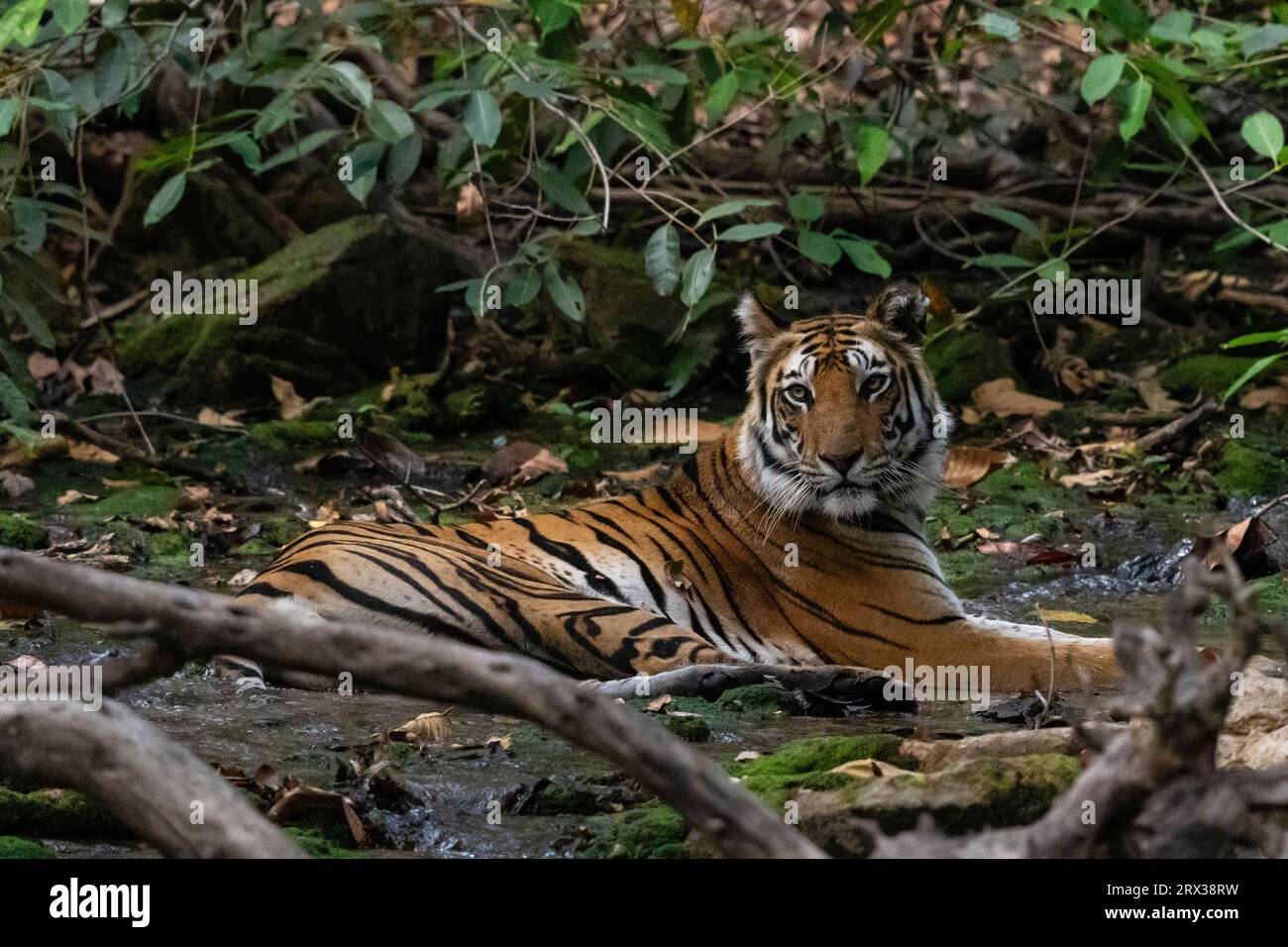
Tiger sightings in India remain one of the most exhilarating experiences for wildlife enthusiasts and nature lovers alike. With a diverse range of habitats, India is home to several national parks that offer exceptional opportunities to encounter the majestic Bengal tiger in its natural environment. Parks like Bandhavgarh National Park and Tadoba Andhari Tiger Reserve boast some of the highest tiger densities in the country, making them prime locations for wildlife safaris. For those seeking an unforgettable Ranthambore experience, planning ahead can dramatically increase your chances of spotting these elusive big cats roaming freely. By following expert tiger safari tips, visitors can enhance their experience and increase their odds of witnessing one of nature’s most awe-inspiring sights.
When it comes to observing the magnificent striped feline, India stands out as a premier destination for wildlife photography and adventure seekers. The country’s biodiversity supports a thriving population of tigers, particularly in renowned reserves such as Jim Corbett National Park and Pench National Park. These areas not only provide a glimpse into the life of the Bengal tiger but also offer visitors a chance to immerse themselves in rich ecosystems filled with varied flora and fauna. Enthusiasts can maximize their chances of spotting tigers by knowing the best times for excursions and understanding the best zones within these parks. Whether you’re a seasoned traveler or a first-time visitor, the allure of Indian tiger habitats beckons with promises of unforgettable encounters.
Best National Parks for Tiger Sightings in India
India is home to several national parks that serve as sanctuaries for the majestic tiger, making it a premier destination for wildlife enthusiasts. Among the best parks for tiger sightings is Bandhavgarh National Park in Madhya Pradesh, renowned for its thriving tiger population and stunning landscapes. A visit to this park can yield a tiger density that is among the highest in the country, offering wildlife lovers a rare opportunity to see these magnificent creatures in their natural habitat. With its rich biodiversity and scenic views, Bandhavgarh is a must-visit for anyone interested in wildlife photography or simply seeking an unforgettable nature experience.
Another top pick for tiger enthusiasts is the Tadoba Andhari Tiger Reserve, located in Maharashtra. This reserve is particularly famous for its well-preserved forest habitat, which sustains a significant number of tigers. Visitors often flock here for guided safari tours that increase their chances of encountering these big cats. Furthermore, the Tadoba experience is enhanced by the possibility of sighting various other wildlife species, making it a comprehensive wildlife exploration venue. If you’re looking to maximize your chances of tiger sightings, planning your visits during the hot months of summer can be particularly effective, as tigers are often spotted near waterholes.
Tiger Safari Tips for a Successful Experience
When planning a tiger safari, preparation is key to maximizing your encounter with these elusive animals. One crucial tip is to choose your safari zones wisely. For instance, both Bandhavgarh and Ranthambore National Park have proven track records for tiger sightings, particularly in the core zones where restrictions on vehicle movement help to minimize human interference. Additionally, joining guided tours with experienced naturalists can significantly enhance your experience, as they bring local knowledge and insights that can lead to successful tiger sightings.
Timing is another essential factor to consider. Morning safaris often yield better results, as tigers are typically more active during the early hours of the day. Additionally, choosing the right season can greatly impact your tiger sighting experience. While planning your visit between October and March is generally ideal due to pleasant weather, keep in mind that different parks have varying peak times for sightings. Overall, being flexible with your plans and carrying essentials such as binoculars and a camera are recommended to ensure you capture the best moments on your tiger safari.
Ranthambore National Park: A Premier Tiger Hotspot
Ranthambore National Park in Rajasthan is another iconic location that attracts wildlife enthusiasts from around the globe. Known for its breathtaking landscape, the park is characterized by a mixture of ancient ruins and lush forests, which provide the perfect backdrop for a tiger sighting. The park’s well-managed safari system allows visitors to access prime locations with high tiger densities, maximizing the chance of an exhilarating encounter. The experience of spotting a tiger prowling among the ruins of the historic Ranthambore Fort is nothing short of magical, making it a popular choice for wildlife aficionados.
In addition to its picturesque scenery, the Ranthambore experience is enhanced by a diverse range of wildlife. Visitors can encounter not just tigers, but also various species such as leopards, sloth bears, and numerous bird species. As you plan your visit, consider timing your trip during the peak months of March to June when the dry conditions push tigers closer to water sources for a more reliable sighting. This combination of stunning vistas and rich wildlife diversity makes Ranthambore National Park a premier destination for tiger safaris.
Exploring Jim Corbett National Park: The Oldest Sanctuary
Jim Corbett National Park, situated in Uttarakhand, stands out as the oldest national park in India, named after the legendary hunter-turned-conservationist. This extensive park not only offers an excellent opportunity to see tigers but is also known for its stunning landscapes and rich biodiversity. The Dhikala zone of Corbett is particularly favored by safari goers due to its remarkable wildlife sightings, where visitors often catch a glimpse of tigers roaming amidst the picturesque grasslands and dense forests.
To get the most out of your visit to Jim Corbett National Park, it’s advisable to spend at least a couple of nights within the park itself. Staying in the core zones greatly enhances your chances of encountering tigers during early morning or late evening safaris. Ensure you book your accommodations well in advance as the park attracts numerous visitors eager for a glimpse of these magnificent big cats. The thrill of witnessing a tiger in its natural habitat at Jim Corbett is an experience that leaves a lasting impression and highlights the importance of wildlife conservation.
Tiger Sightings in Bandhavgarh National Park
Bandhavgarh National Park is often regarded as the ultimate destination for tiger sightings in India. Its dense forests and rich prey base create an ideal habitat for the majestic Bengal tiger, leading to some of the highest tiger densities in the country. As you embark on a safari here, you’ll have a good chance of sighting a tiger roaming in the open savannahs or lounging near water bodies, particularly during the cooler hours of the day. The recent efforts in conservation and habitat management have also seen tiger numbers rise significantly, making Bandhavgarh a vital area for wildlife tourism.
To increase your chances of tiger spotting, consider booking guided safaris that offer expert insights into tiger behavior and movements. Visitors often rave about the unique experience of tracking these big cats while being surrounded by the park’s breathtaking landscapes. Additionally, the option to stay in eco-friendly accommodations within or near the park allows guests to immerse themselves fully in the wilderness ambiance. So, if you dream of witnessing a tiger in the wild, let Bandhavgarh be at the top of your list.
Tadoba Reserve: A Hidden Gem for Tiger Enthusiasts
Tadoba Andhari Tiger Reserve is quickly gaining recognition as one of the most promising locations for tiger sightings in India. Nestled in Maharashtra, this reserve offers a unique blend of forests, grasslands, and lakes, ensuring diverse wildlife habitats. Known for its no-frills approach to wildlife tourism, Tadoba consistently delivers excellent tiger sightings, especially in the summer months when other parks may be less reliable. The lush greenery transforms into an oasis, making it easier to spot the majestic tigers as they come out to drink from the numerous water sources.
Visitor experiences in Tadoba highlight the effectiveness of early morning safaris, which not only provide better visibility but also create an atmosphere filled with the sounds of awakening wildlife. With a variety of safari options available, including jeep and canter rides, visitors can choose their preferred way to explore the reserve. Photography enthusiasts will particularly enjoy capturing the magnificent moments of tigers in action against the stunning backdrop of the Tadoba forest. As one of India’s least commercialized tiger reserves, Tadoba offers intimate and personal engagement with wildlife.
Pench National Park: A Wildlife Photographer’s Paradise
Pench National Park, which straddles two Indian states – Madhya Pradesh and Maharashtra, offers a remarkable destination for wildlife photographers and nature lovers alike. This picturesque park is not only home to a thriving population of Bengal tigers but also supports a diverse ecosystem that includes leopards, wild dogs, and a plethora of bird species. The scenic beauty of Pench, with its rolling hills and lush greenery, creates an enchanting setting for spotting these elusive big cats, making it a must-visit location for a wildlife safari.
Visitors who frequent Pench often admire the incredible chances to witness tigers in their natural surroundings, especially in the Turia zone where the likelihood of sighting increases. For photography enthusiasts, the park’s expansive landscapes provide stunning backdrops to creatively capture the interactions of tigers with their environment. As the jungle awakens at dawn, it creates a dynamic tableau full of life, garnished with the calls of various bird species and the rustling of leaves, all contributing to the exhilarating ambiance of a Pench safari.
Planning Your Safari: What You Need to Know
Planning a successful tiger safari requires careful thought and attention to detail. First, it’s essential to choose the right national park based on your preferences and the best time to visit for tiger sightings. Whether you prefer Bandhavgarh for its high density of tigers, Ranthambore for its stunning fort landscapes, or Tadoba for its off-the-beaten-path charm, each park offers something unique. Additionally, consider booking your accommodations early to secure the best spots, especially during peak tourist seasons.
Beyond accommodations, understanding the rules and guidelines of the parks is imperative for a rewarding experience. Ensure that you respect wildlife by maintaining a safe distance and following the instructions of your guides. Equip yourself with necessities like binoculars, a quality camera, and even a blanket for early morning safaris. By preparing thoroughly, you can increase your chances of beautiful wildlife encounters and ensure that your tiger safari remains a cherished memory.
Frequently Asked Questions
What are the best national parks for tiger sightings in India?
Some of the best national parks for tiger sightings in India include Bandhavgarh National Park in Madhya Pradesh, known for its high tiger density; Tadoba Andhari Tiger Reserve in Maharashtra, which offers great safari experiences; and Ranthambore National Park in Rajasthan, which is famous for its majestic tigers. Each park presents unique environments and opportunities for spotting these magnificent big cats.
What are some tiger safari tips to improve chances of tiger sightings in India?
To improve your chances of spotting tigers during a safari in India, consider visiting during the dry season, when tigers are more active. Opt for early morning or late afternoon safaris when they are likely to emerge from hiding. Staying inside the core zones of parks like Bandhavgarh or Tadoba can significantly enhance your sighting chances. Additionally, choose knowledgeable guides who are familiar with tiger movements.
What makes Bandhavgarh National Park a top choice for tiger sightings in India?
Bandhavgarh National Park is a top choice for tiger sightings in India due to its high tiger density, which can exceed 90% chance of spotting these predators. The park’s diverse habitats provide ample opportunities for tigers to thrive. Moreover, its well-defined safari zones offer guided experiences tailored for tiger enthusiasts, making it an excellent destination for wildlife lovers.
What to expect during a Ranthambore experience for tiger sightings?
During a Ranthambore experience, expect breathtaking landscapes combined with the thrill of potential tiger sightings. Ranthambore National Park is renowned for its successful conservation efforts that allow visitors to see tigers in their natural habitat, often during daytime. Jeep safaris through the park give you the chance to spot not only tigers but also various wildlife and scenic views, making it a comprehensive wildlife experience.
How does Tadoba Andhari Tiger Reserve compare for tiger sightings with other parks in India?
Tadoba Andhari Tiger Reserve is often compared favorably to other parks in India for tiger sightings because of its increasing tiger population and diverse ecosystem. The reserve’s unique dry deciduous forest allows for increased visibility and has been recognized for frequent sightings of tigers, especially during the early morning or late evening safaris, making it a preferred destination for wildlife photographers and tourists.
| Location | State | Sighting Probability | Notes |
|---|---|---|---|
| Bandhavgarh National Park | Madhya Pradesh | >90% | Stay in the core zone to enhance chances. |
| Tadoba Andhari Tiger Reserve | Maharashtra | >90% | Highly regarded for tiger sightings. |
| Ranthambore National Park | Rajasthan | Moderate | Famous for its scenic beauty and historical forts. |
| Jim Corbett National Park (Dhikala Zone) | Uttarakhand | Moderate | Oldest national park, vast area high chances of spotting. |
| Pench National Park (Turia Zone) | Madhya Pradesh/Maharashtra | Moderate | Offers a unique safari experience with lush landscapes. |
Summary
Tiger sightings in India are a thrilling yet unpredictable experience, dependent on various factors such as timing, habitat conditions, and the tiger population in specific reserves. While there’s no absolute guarantee to see these majestic creatures, early planning and choosing the right locations, like Bandhavgarh and Tadoba, can significantly enhance your chances—with probabilities exceeding 90%. Each reserve presents its own unique safari thrill, from the historical charm of Ranthambore to the serene vastness of Jim Corbett and the lush beauty of Pench. While embarking on a tiger sighting adventure, remember to remain patient and respectful of the wildlife, ensuring an unforgettable encounter with one of nature’s most captivating animals.