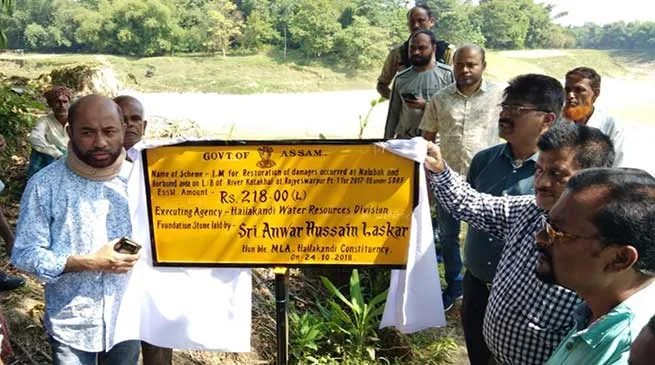
Anti-Erosion Efforts in Assam have become a critical topic of discussion as communities in Tinsukia face the grim reality of persistent riverbank erosion. Particularly in the face of Brahmaputra River erosion, local residents are concerned about the effectiveness of the geo-bags deployed along the vulnerable riverbanks. The recent Hatighuli riverbank crisis, situated in the Dibru-Saikhowa region, exemplifies the urgency of the situation, especially with the onset of monsoon season. Floods in Tinsukia have repeatedly devastated homes and farmland, raising alarms among experts about the inadequacy of current protective measures. As dissatisfaction grows, it is evident that meaningful, scientific, and sustainable anti-erosion strategies are urgently needed to safeguard these at-risk communities.
When discussing the battle against riverbank erosion in Assam, especially in areas like Tinsukia, it is vital to recognize that ineffective management strategies not only jeopardize local lives but also threaten agricultural stability. The intervention efforts, particularly involving geo-bags, have been labeled as superficial and lacking the necessary scientific foundation to withstand the formidable forces of the Brahmaputra. Similar criticisms have emerged around initiatives taken during the Hatighuli riverbank crisis, which have drawn attention to the complex interplay of flooding and erosion in the Dibru-Saikhowa region. Addressing these challenges requires a comprehensive understanding of hydrological dynamics and a commitment to implementing effective, long-term solutions that truly protect the affected communities.
Criticism of Current Anti-Erosion Strategies in Assam
Residents of Hatighuli in Assam’s Tinsukia district have raised significant concerns regarding the effectiveness of the current anti-erosion strategies implemented by the State Water Resources Department. Local groups have described the initiative as “superficial and ineffective,” specifically criticizing the limited deployment of geo-bags along the vulnerable banks of the Brahmaputra River. Much to the disappointment of the community, these geo-bags are perceived as inadequate to withstand the powerful and unpredictable currents of the river, especially during the monsoon season when water levels rise dramatically.
The intervention has not only provoked dissatisfaction among affected residents but has also sparked assumptions of potential misconduct among officials and contractors. Local activists claim that the erosion problems may be perpetuated for personal or political gain, further fueling resentment towards the authorities. This atmosphere of distrust is amplified by the repeated land losses suffered by communities over the years, leaving many families appear to be at the mercy of nature due to poorly executed governmental strategies.
Geo-Bags Effectiveness: A Question of Sustainability
The reliance on geo-bags as a primary form of erosion control has come under heavy scrutiny in Assam, particularly in the context of the ongoing crisis at the Hatighuli riverbank. Experts argue that while geo-bags might provide temporary relief, they are fundamentally flawed as a long-term solution. The unpredictable nature of the Brahmaputra River, coupled with the extreme weather conditions faced during the monsoon, makes it exceedingly likely that these artificial barriers will be overwhelmed and washed away, leaving communities vulnerable once more.
As the Dibrugarh-Tinsukia District Flood and Erosion Prevention Struggle Forum has pointed out, without comprehensive and scientifically proven solutions, such as reinforced embankments or geo-tube spurs, the current methods employed will prove futile. Residents are calling for more robust strategies to address the environmental challenges they face. The situation highlights a growing need for sustainable practices that are not only effective in the short term but provide lasting protection against the ongoing threat posed by the Brahmaputra’s course alterations.
The Role of Local Activism in Erosion Control
Local activism plays a pivotal role in advocating for effective anti-erosion efforts in regions prone to flooding and land erosion, such as Tinsukia in Assam. Activist groups like the Dibrugarh-Tinsukia District Flood and Erosion Prevention Struggle Forum are vocal in their demands for scientific and sustainable solutions. These organizations have been actively inspecting affected sites, engaging the community, and raising awareness about the severity of the erosion crisis, thereby conveying the urgent need for government action.
Through organized efforts, these local groups have highlighted the inefficacies of current interventions and called for a shift toward comprehensive erosion management plans that consider the geological and hydrological complexities of the region. Their advocacy emphasizes the importance of community involvement in environmental decision-making, ensuring that the voices of those most affected by riverbank erosion are heard and that solutions are tailored to meet their real needs.
Impact of Erosion on Agriculture in Assam
The effects of riverbank erosion on agriculture in Assam’s Tinsukia district are dire, with many farmers facing the loss of farmlands due to the encroaching waters of the Brahmaputra River. The agricultural landscape continues to be at risk, and families that have farmed the land for generations are witnessing their livelihoods disappear overnight. Erosion poses not just a threat to their homes but to the food security of entire communities relying on these vital agricultural lands.
As heavy sediment deposits and erratic river channels disrupt farming practices, the local economy suffers tremendously. Farmers are left grappling with uncertainty each monsoon as they witness crops being washed away. This spiraling situation underscores the urgent need for consistent erosion control measures that provide protection for agricultural lands, ensuring both sustainable agricultural output and the long-term wellbeing of the community at large.
Dibru-Saikhowa Region’s Vulnerability
The Dibru-Saikhowa region, where Hatighuli is located, has been identified as highly vulnerable to environmental challenges, particularly due to the Brahmaputra River’s dynamic behavior. The shifting courses of the river continue to reshape the landscape, raising alarm within local communities that have borne the brunt of these changes for decades. As water levels rise and fall unpredictably, erosion has become an existential threat, leading to significant displacement and loss of land.
Efforts to mitigate the effects of erosion in the Dibru-Saikhowa region must consider not only the geological factors but also the social implications of displacement and economic loss. Local organizations are calling for a multi-faceted approach to tackle these issues, integrating scientific research with traditional knowledge to foster solutions that are culturally sensitive and environmentally sound.
The Role of Government in Erosion Management
The role of the Assam government in managing riverbank erosion is a critical factor in determining the effectiveness of protective measures against the Brahmaputra River’s aggressive currents. Local residents have expressed frustration over what they perceive as inadequate attention and resources allocated to erosion management, particularly in areas like Hatighuli that are heavily impacted by monsoon flooding. Community leaders have urged governmental bodies to prioritize actionable solutions that are not only timely but also based on scientific research.
The need for effective policy and action is underscored by the rising tide of local activism, as groups call for more significant engagement from the authorities. By prioritizing sustainable erosion management strategies and ensuring they are supported by rigorous scientific evidence, the government can help restore faith in public institutions and deliver meaningful help to communities grappling with the impact of environmental changes.
Future Perspectives on Erosion Control
Looking towards the future, the challenges associated with riverbank erosion in Assam, particularly in the Tinsukia district, demand innovative and long-term solutions. As climate change and environmental degradation escalate the frequency and intensity of floods, it is crucial to explore adaptive strategies that not only address current needs but also anticipate future conditions. This may involve leveraging new technologies, adopting eco-friendly materials, and incorporating community feedback into planning processes.
Sustainable designs for erosion control must balance immediate and long-term needs, ensuring that both the ecological integrity of the region is maintained and communities are resilient against further erosion. Collaboration between local governments, experts, and residents will be essential in building a comprehensive framework for erosion management that leverages local knowledge while integrating scientific advancements.
Community-Driven Solutions to Erosion
Community-driven solutions have emerged as essential for tackling the issue of erosion in regions like Assam’s Tinsukia, where local residents bear the direct consequences of ineffective government interventions. Initiatives that involve community participation not only empower residents but often provide practical and culturally relevant approaches to manage their land and environment. By incorporating the insights and traditional practices of locals, these solutions can be more adaptable and effective in the face of ongoing challenges.
Collaboration among farmers, environmental groups, and government agencies can lead to innovative practices that preserve and restore riverbanks while enhancing the livelihoods of those reliant on agriculture. Engaging the community in planning and implementing erosion management strategies fosters a sense of ownership and accountability, increasing the likelihood of successful and sustainable outcomes for all parties involved.
Urgent Need for Comprehensive Erosion Strategy
The urgency of developing a comprehensive erosion strategy in Assam cannot be overstated, particularly when considering the communities at risk in Hatighuli and other parts of Tinsukia. As the threat of erosion intensifies—exacerbated by seasonal floods and changing river dynamics—there is a pressing need for a coordinated and science-based approach to erosion management. This would involve integrating engineering solutions with ecological restoration practices to create resilient riverbank ecosystems.
Local advocates have continually pushed for such a framework, emphasizing that temporary measures, such as geo-bags, will not suffice against the relentless nature of the Brahmaputra’s currents. By focusing on long-term solutions—such as reinforced embankments, watershed management, and sustainable agricultural practices—communities can better protect themselves against erosion while also preserving the vibrant ecological character of the Dibru-Saikhowa region.
Frequently Asked Questions
What are the current anti-erosion efforts in Assam, particularly regarding Brahmaputra River erosion?
In Assam, anti-erosion efforts primarily focus on the vulnerable banks of the Brahmaputra River. In regions like Tinsukia, local groups have critiqued the effectiveness of geo-bags used to combat erosion, indicating that they may not withstand strong currents. Residents fear that without comprehensive, scientifically-supported approaches, these measures will fail, risking lives and livelihoods, especially during the monsoon season when flooding is prevalent.
| Key Point | Details |
|---|---|
| Ineffectiveness of Current Measures | Local groups criticize the use of geo-bags as inadequate against the Brahmaputra’s currents. |
| Concerns Over Safety | Residents worry that ineffective anti-erosion efforts put lives, homes, and farmland at risk. |
| Community Dissent | Displeasure expressed towards the State Water Resources Department for superficial strategies. |
| Need for Comprehensive Solutions | Demands for scientifically-backed long-term interventions instead of temporary fixes. |
| Political Allegations | Claims of vested interests among officials complicating the erosion management. |
| Urgency of Action | Call for prompt government response as seasonal floods approach. |
Summary
Anti-Erosion Efforts in Assam have come under severe scrutiny in the Tinsukia district, particularly in Hatighuli, where local communities are questioning the effectiveness of existing measures. The current strategy, which relies heavily on geo-bags, has been deemed inadequate against the powerful currents of the Brahmaputra River, with locals expressing genuine fears for their safety and livelihoods. Reports indicate a long history of dissatisfaction with the management of these efforts, highlighting an urgent need for scientifically-based, durable solutions to the ongoing erosion crisis. As seasonal floods approach, the pressing call for comprehensive structural interventions echoes louder, as residents await decisive action from authorities addressing the dire situation.