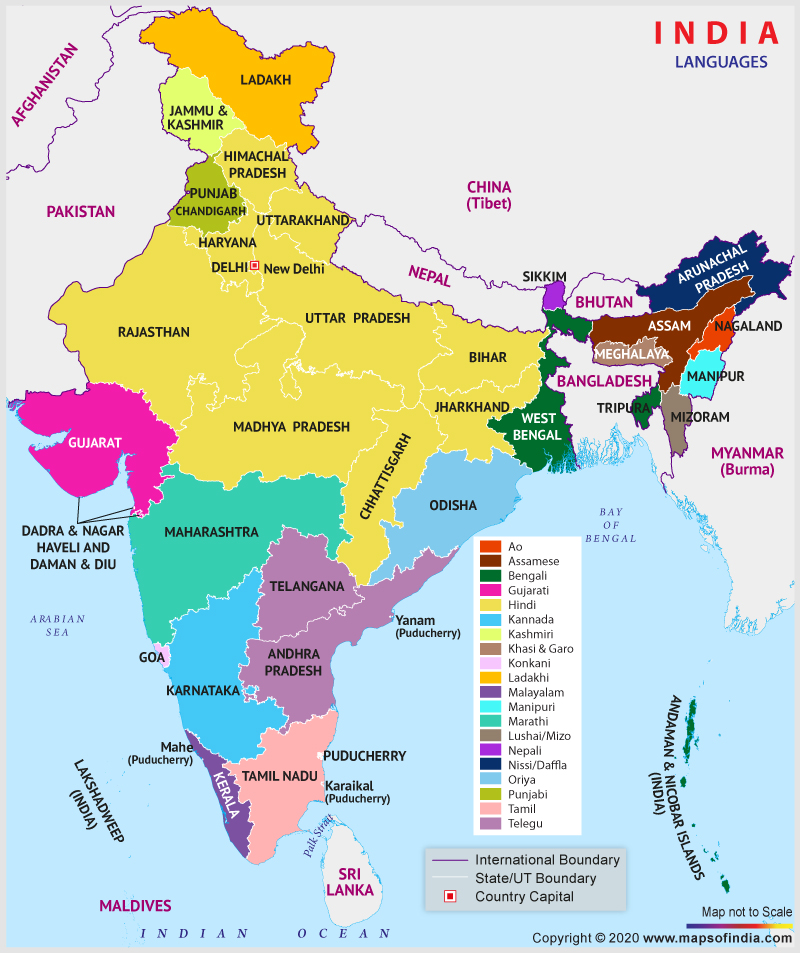
The Meghalaya Official Languages Ordinance, 2026, marks a significant turning point for the linguistic landscape of Meghalaya, as it formally recognizes Khasi and Garo as official state languages alongside English. This groundbreaking decision aims to promote local languages and enhance their visibility within the educational framework, reflecting the state’s rich cultural heritage. By repealing the previous Meghalaya State Language Act of 2005, the ordinance underscores the importance of embracing Meghalaya languages in official domains, thereby strengthening their stature. Chief Minister Conrad K. Sangma has emphasized that this move not only sends a robust message about honoring indigenous tongues but also aligns with the broader context of official languages in India. As Khasi and Garo are integrated into formal communication and educational systems, the ordinance paves the way for a more inclusive and culturally resonant future for the people of Meghalaya.
In a historic stride towards linguistic empowerment, the newly adopted ordinance highlights the elevation of native tongues, specifically Khasi and Garo, as fundamental components of Meghalaya’s identity. By recognizing these dialects together with English, the Meghalaya Official Languages Ordinance, 2026, positions itself as a beacon of local language advocacy. The initiative is rooted in the belief that nurturing regional languages cultivates a stronger bond between the state’s rich cultural history and its contemporary governance framework. The Chief Minister’s push not only recognizes linguistic diversity but also aims to invigorate educational pathways by integrating these languages within the classroom setting. Overall, this legislative advancement serves as a critical reminder of the importance of preserving and promoting the linguistic heritage that defines Meghalaya.
The Importance of the Meghalaya Official Languages Ordinance
The Meghalaya Official Languages Ordinance, 2026 marks a significant milestone in the recognition and promotion of local languages in the state. This legislation not only designates Khasi and Garo as official languages alongside English but also reflects the government’s commitment to preserving and fostering cultural heritage. The Chief Minister’s announcement is a pivotal moment, highlighting a proactive approach to language rights and diversity within the region. By officially recognizing these languages, the state sets a precedent for other regions in India, encouraging the celebration and promotion of indigenous languages.
Moreover, the ordinance serves as a catalyst for future legislative efforts aimed at enhancing the status of Khasi and Garo languages. The decision to repeal the previous Meghalaya State Language Act, 2005 is also noteworthy, as it shows a clear movement towards modernizing language policies that better align with the aspirations of the local population. In broader terms, this ordinance could lead to increased awareness and utilization of Khasi and Garo in public life, education, and official documentation, furthering the cultural identity of the Khasi and Garo-speaking communities.
Promoting Khasi and Garo Languages in Education
The recent cabinet decision to include Khasi and Garo in the educational curriculum up to Class I symbolizes an essential step towards integrating these languages into the learning process of young children. By introducing these languages early in education, the Meghalaya government acknowledges the importance of linguistic heritage and cultural identity. This initiative is expected to bolster not only student engagement but also instill a sense of pride in local languages among the children of Meghalaya, fostering a future generation that values their linguistic roots.
Incorporating the Khasi and Garo languages into early education will come with its challenges, such as resource allocation and teacher training. Nonetheless, the commitment shown by the Meghalaya government signifies a strategic effort to advance local languages within educational systems. Such measures ensure that children grow up with a comprehensive understanding of their cultural languages while promoting bilingualism, an asset in today’s globalized society. This initiative not only meets educational demands but also serves the broader goal of preserving Meghalaya’s diverse linguistic landscape.
The Role of Local Literature Societies in Language Promotion
Organizations like the Khasi Authors Society and the Achik Literature Society have played an instrumental role in advocating for the incorporation of local languages into official use. These societies have been key in raising awareness about the significance of Khasi and Garo languages and their potential impact on community cohesion and cultural continuity. The recognition and support from the government can be seen as a validation of their efforts to promote literary and cultural contributions through these languages.
The involvement of such societies is crucial as they provide a platform for writers, educators, and community leaders to collaborate on initiatives that make Khasi and Garo more accessible. These groups not only focus on literature but also engage in activities that promote local culture and identity, thus enhancing the overall recognition of Meghalaya’s linguistic diversity. They play a vital part in creating frameworks where local writers can publish their work, subsequently enriching the literary landscape of Meghalaya.
Challenges Ahead for Implementation of the Ordinance
Despite the promising advancements heralded by the Meghalaya Official Languages Ordinance, there are several challenges to address before the complete integration of Khasi and Garo into government frameworks can take place. One major obstacle is the need for a robust infrastructure that supports the practical use of these languages in administrative functions, including documentation and communication. The existing governmental processes would require substantial adjustments to accommodate multilingual operations.
Additionally, widespread acceptance and willingness to embrace these languages at various levels of society are crucial. For the ordinance to have a lasting impact, there must be initiatives promoting language proficiency among government officials and public servants, ensuring effective communication. This will involve extensive training and resources, which, while challenging, will ultimately lead to a more inclusive socio-linguistic environment where indigenous languages thrive alongside English.
The Impact of Official Language Status on Meghalaya’s Governance
The designation of Khasi and Garo as official languages holds potential ramifications for governance in Meghalaya. As government bodies begin to adopt these languages in their official communications and publications, it sets a precedent for inclusivity and representation. This move is particularly significant in a diverse state where multiple ethnic groups co-exist, making language a critical tool for unity and effective governance. It also aligns with broader efforts to decentralize governance and empower local communities through linguistic acknowledgment.
Moreover, as more citizens engage with their government in their mother tongues, there is potential for enhanced transparency and trust in public institutions. This linguistic shift could facilitate better citizen participation in governance, ensuring that the voices of Khasi and Garo speakers are heard and properly represented. Such changes pave the way for a more responsive and responsible governance structure that caters to the multilingual populace of Meghalaya.
Advocacy for Inclusion in the Eighth Schedule of the Constitution
The push for including Khasi and Garo in the Eighth Schedule of the Indian Constitution is gaining momentum with initiatives like the Meghalaya Official Languages Ordinance, 2026. Being included in this schedule would grant these languages greater recognition at the national level, which could lead to increased funding and support for language development initiatives. It would also symbolize the formal acknowledgment of Meghalaya’s cultural heritage, placing Khasi and Garo alongside other major languages of India.
The resolution passed by the Meghalaya Assembly highlights a growing consciousness regarding linguistic rights within the state. Advocates for Khasi and Garo are tirelessly working to promote understanding and acceptance of these languages on a broader scale, paving the way for their inclusion in official national dialogues. This movement not only strengthens the cultural framework of Meghalaya but also encourages other states to promote local languages, redefining the conversation around linguistic diversity in India.
Long-term Benefits of Language Recognition for Local Communities
Recognizing Khasi and Garo as official languages not only preserves cultural identity but also empowers local communities economically and socially. With official status, there are likely to be more opportunities for literature, education, and media in these languages, which will bolster community pride and cohesion. This recognition promotes a sense of belonging for speakers of these languages, creating an environment where cultural expressions can flourish, and local economies can thrive through cultural tourism and local enterprises.
Furthermore, the integration of these languages into everyday life can lead to the revival of traditional practices and local histories conveyed through oral traditions and literature. The fostering of Khasi and Garo languages in public spaces encourages not only intergenerational communication but also enhances community solidarity. As local languages gain traction within the societal fabric, they can serve as vital links connecting younger generations with their heritage.
Using Technology to Support Local Language Development
In the modern era, technology plays a crucial role in language development and preservation. For Khasi and Garo, the integration of digital tools can facilitate language learning and accessibility for a wider audience. Mobile applications, online courses, and social media platforms can engage younger audiences, sparking interest and dedication towards their native languages. As these technologies become more prevalent, they provide essential avenues for learning and using Khasi and Garo in various contexts, reaching beyond traditional teaching methods.
Moreover, the collaboration between language advocates and tech developers can create resources tailored for local needs. This can significantly enhance language skills within communities, offering interactive and engaging platforms that cater specifically to Khasi and Garo speakers. By leveraging technology, the government and local societies can work together to ensure these languages are not only preserved but also thrive in the digital age, fostering a contemporary relevance that resonates with younger generations.
Cultural Festivals as a Tool for Language Promotion
Cultural festivals in Meghalaya provide an excellent opportunity to promote Khasi and Garo languages. These events celebrate local traditions, arts, and crafts while also serving as platforms to showcase the beauty and richness of these languages through songs, stories, and performances. By encouraging participation in such festivals, the government can create a vibrant atmosphere where Khasi and Garo are actively spoken and appreciated, fostering a stronger cultural identity.
Additionally, these festivals can be instrumental in drawing attention to the importance of language preservation among younger generations. Engaging activities, such as poetry readings and storytelling sessions in Khasi and Garo, can inspire younger attendees to connect with their linguistic heritage while promoting a sense of community. As these cultural events gain popularity, they can become significant drivers for language revitalization, ensuring that local languages remain relevant and celebrated facets of Meghalaya’s rich tapestry.
Frequently Asked Questions
What is the Meghalaya Official Languages Ordinance and its main purpose?
The Meghalaya Official Languages Ordinance, enacted in 2026, designates Khasi and Garo as the official state languages alongside English, promoting local languages and ensuring their use in government and educational settings.
Why were Khasi and Garo included as official languages in the Meghalaya Official Languages Ordinance?
Khasi and Garo were included as official languages to recognize and promote the cultural heritage of Meghalaya, reflecting the state’s linguistic diversity and enhancing representation in official communications.
How does the Meghalaya Official Languages Ordinance impact education in Meghalaya?
Under the Meghalaya Official Languages Ordinance, it is now mandatory to include Khasi and Garo languages in the curriculum for children up to Class I, ensuring early exposure to local languages in education.
What previous law does the Meghalaya Official Languages Ordinance replace?
The Meghalaya Official Languages Ordinance replaced the Meghalaya State Language Act of 2005, marking a significant shift in the recognition of local languages as official state languages.
How will the Meghalaya Official Languages Ordinance promote local languages?
The ordinance aims to promote local languages by integrating Khasi and Garo into government and official use, thus encouraging their adoption in everyday communication and institutional contexts.
What steps are being taken to integrate Khasi and Garo into official use as per the Meghalaya Official Languages Ordinance?
The integration of Khasi and Garo into official use will involve revising government communications and examinations, with a commitment to gradually expanding their use across various levels of government.
Is there a movement to include Khasi and Garo in the Eighth Schedule of the Indian Constitution?
Yes, there is an ongoing movement to include Khasi and Garo in the Eighth Schedule of the Indian Constitution, supported by Meghalaya’s legislative bodies to ensure greater recognition and resources for these languages.
What role did local literary societies play in the Meghalaya Official Languages Ordinance?
Local literary societies, such as the Khasi Authors Society and Achik Literature Society, were instrumental in advocating for the recognition of Khasi and Garo in the Meghalaya Official Languages Ordinance, contributing to the cultural preservation of these languages.
What are the benefits of having multiple official languages in Meghalaya?
Having multiple official languages, including Khasi, Garo, and English, fosters inclusivity, cultural pride, and educational opportunities while promoting local identities and enhancing communication within the diverse population of Meghalaya.
What message does the Meghalaya Official Languages Ordinance send to the central government?
The Meghalaya Official Languages Ordinance conveys the importance of recognizing and promoting local languages at all levels, urging central government acknowledgment of the cultural and linguistic significance of Khasi and Garo.
| Key Point | Details |
|---|---|
| Approval of the Ordinance | The Meghalaya cabinet approved the Meghalaya Official Languages Ordinance, 2026. |
| Official Languages | Khasi and Garo are designated as official languages alongside English. |
| Repeals Previous Act | The ordinance repeals the Meghalaya State Language Act, 2005. |
| Language in Education | Khasi and Garo will be included in the curriculum for children up to Class I. |
| Promotion of Local Languages | The Chief Minister emphasized the importance of promoting local languages for inclusion in the Constitution. |
| Role of Societies | The Khasi Authors Society and Achik Literature Society were acknowledged for their crucial role in this decision. |
Summary
The Meghalaya Official Languages Ordinance represents a landmark decision by the Meghalaya cabinet to elevate the status of local languages. By officially recognizing Khasi and Garo as state languages alongside English, the ordinance marks a significant step towards the preservation and promotion of cultural identity. This move not only repeals outdated language laws but also underscores the government’s commitment to include local languages in educational curricula and official communications. With strong community support and a clear message being sent to the central government, the Meghalaya Official Languages Ordinance paves the way for greater linguistic diversity and cultural heritage in the state.