

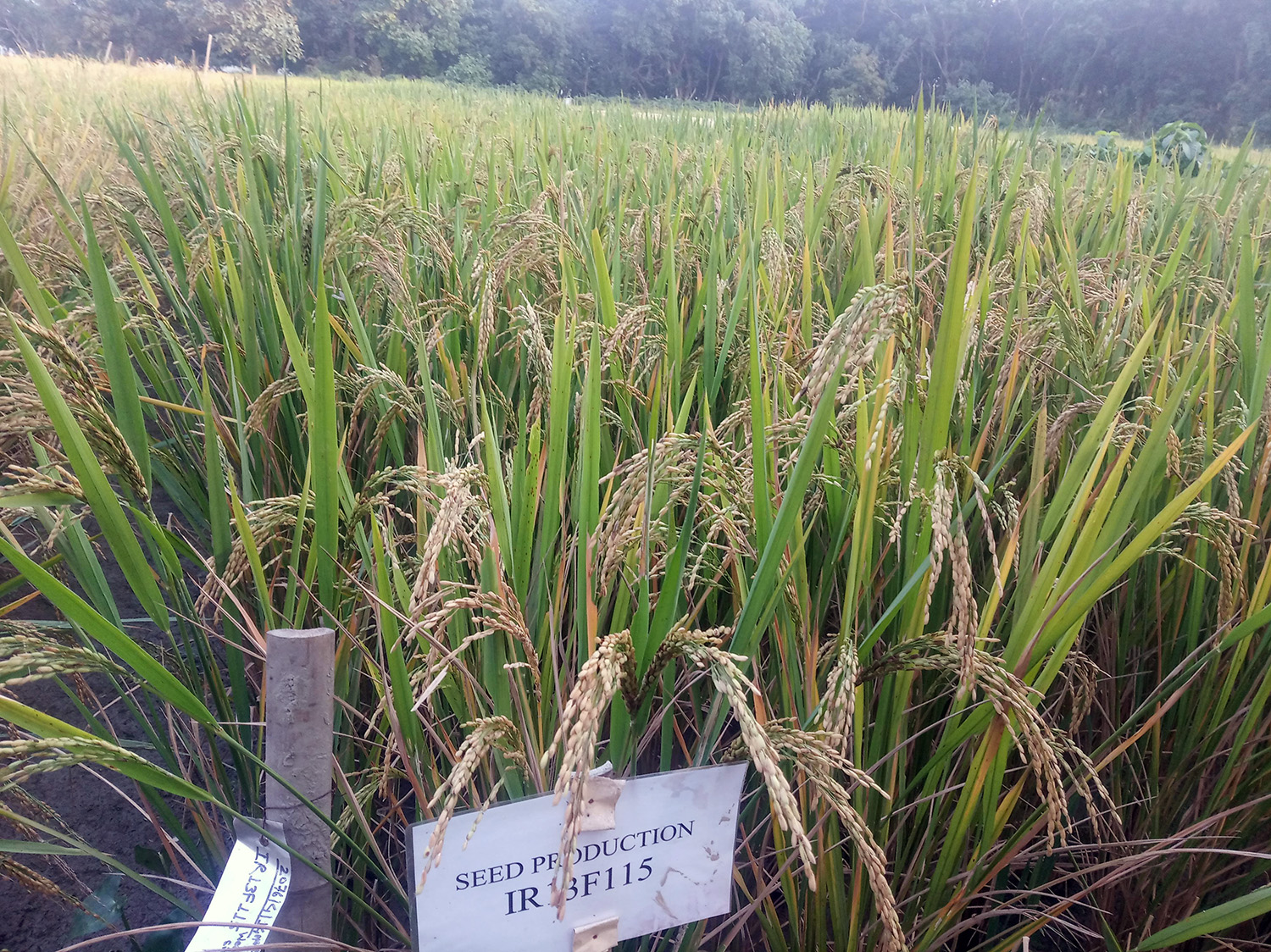
The recent introduction of new rice varieties Nagaland marks a pivotal development in the state’s agricultural landscape. With the approval of seven improved rice varieties, farmers can now embrace high-yielding and short-duration options tailored specifically for Nagaland’s unique agro-climatic conditions. These new varieties, developed through rigorous research and evaluation, promise to enhance rice cultivation in Nagaland significantly. As agriculture in Nagaland evolves in 2023, these advancements aim to not only boost productivity but also ensure food security across communities. The potential of these varieties to yield 5–7 tonnes per hectare is a game-changer for local farmers who have long relied on less productive, traditional strains.
The recent advancements in rice cultivation within Nagaland have introduced a lineup of innovative rice strains designed to transform the agricultural framework of the region. These new rice varieties, certified for growth in 2023, are a response to the previous dependence on prolonged, low-yield crops that have hindered agricultural progress. Farmers now have access to high-yielding, short-duration options that can thrive in the local environmental conditions, promoting both sustainability and productivity. The development effort, which has involved comprehensive breeding techniques, aligns with a broader initiative to modernize and invigorate Nagaland agriculture, offering a pathway to enhanced food security and economic stability for its communities. This shift represents a significant milestone in the region’s approach to meeting the demands of modern agriculture.
Introduction of New Rice Varieties in Nagaland
In a significant development for agriculture in Nagaland, seven new rice varieties have been officially approved for release. This decision stems from an extensive breeding program aimed at revolutionizing rice cultivation in the region, which has historically depended on long-duration, low-yielding rice varieties. The introduction of these improved rice varieties represents a crucial step towards fostering agricultural sustainability and resilience in Nagaland’s unique agro-climatic environment.
The new rice varieties are tailored to meet the specific agricultural challenges faced by local farmers. They possess enhanced resilience against biotic and abiotic stresses, making them suitable for the shifting climatic conditions. These developments are expected to play a vital role in boosting productivity, especially with potential yields reaching 5–7 tonnes per hectare, which is a significant increase compared to traditional varieties.
Benefits of Short-Duration Rice Varieties
Short-duration rice varieties are particularly advantageous for farmers, allowing for multiple cropping cycles within a single year. This is especially important in Nagaland, where maximizing land productivity is essential for food security and economic stability. The newly approved rice varieties, with a growing period of just 115–120 days, enable farmers to plant and harvest sooner, thereby improving their income prospects and food supply.
Moreover, the shift towards short-duration rice cultivation aligns with modern agricultural practices aimed at efficient resource utilization. By reducing the time from planting to harvesting, farmers can reallocate their resources effectively, embrace sustainable practices, and decrease the impacts of both seasonal changes and market fluctuations. This innovative approach could lead to a more robust agricultural framework in Nagaland.
High-Yielding Rice for Enhanced Food Security
The introduction of high-yielding rice varieties in Nagaland is a direct response to the urgent need for food security as the population continues to grow. Traditional rice farming practices have proved insufficient to meet the demands for increased food production. The newly developed rice varieties offer the promise of higher yields, which is essential for feeding the growing populace and ensuring that local farmers can sustain their livelihoods.
Beyond mere productivity, these high-yielding varieties are also designed to be more resilient in the face of challenges such as pests and diseases. This resilience not only protects farmers’ investments but also contributes to stable food supplies within the region. The effective implementation of these new varieties could mark a turning point for agricultural practices in Nagaland agriculture in 2023 and beyond.
Collaborative Efforts for Adoption of Improved Varieties
To ensure the successful adoption of these new rice varieties, collaborative efforts among various stakeholders are paramount. Key governmental and educational agencies, including the ICAR Nagaland Centre and the Department of Agriculture, must work closely with farming communities to provide necessary training and resources. Educating farmers about the benefits and cultivation techniques of these improved varieties is crucial for maximizing their impact.
Furthermore, local agricultural officers and KVK officials should facilitate workshops and field demonstrations to showcase the advantages of these new varieties. By fostering an environment of collaboration and knowledge exchange, Nagaland can effectively transition towards more sustainable agricultural practices and empower its farmers in adopting high-yielding rice cultivation strategies.
Impact of New Rice Varieties on Local Communities
The approval of the seven new rice varieties is poised to create a profound impact on the farming communities in Nagaland. With the potential to increase crop yields and reduce crop failure rates, these varieties will not only enhance food security but also promote economic growth within local communities. As farmers begin to integrate these improvements into their cultivation practices, a ripple effect on the entire agricultural economy is anticipated.
Moreover, the introduction of these improved rice varieties could encourage the younger generation to engage in agriculture. As the farming landscape becomes more productive and profitable, it may shift perceptions of agriculture from a traditional to a modern, viable career path. This evolution is critical as Nagaland navigates the challenges of youth migration from rural to urban areas.
Sustainability and Environmental Considerations
The development of these new rice varieties is not only focused on yield but also on sustainability in rice cultivation. As Nagaland faces environmental challenges such as climate change, the introduction of varieties with environmental resilience could redefine how cultivation practices are approached. By prioritizing strains that tolerate stress conditions, farmers can maintain productivity even under adverse weather scenarios.
Furthermore, sustainable practices associated with these new rice varieties can lead to improved soil health and reduced dependency on chemical inputs. As farmers adopt eco-friendly cultivation methods, the long-term health of the agricultural ecosystem in Nagaland could see significant enhancements, contributing positively to both environmental conservation and agricultural productivity.
Research and Development in Rice Breeding
The innovation of new rice varieties for Nagaland underscores the importance of continued research and development in agriculture. The painstaking evaluation of 990 breeding lines that led to the selection of just seven promising varieties serves as testament to the rigor and dedication required in this field. This comprehensive research approach is critical for addressing the diverse and evolving challenges faced by farmers in Nagaland.
Investments in agricultural research and development not only lead to improved crop varieties but also enhance the overall agricultural framework. Increased funding and support for initiatives focused on plant breeding will be essential for sustaining agricultural innovation that aligns with both local needs and global agricultural trends.
Governing Policies Supporting Agricultural Innovation
The successful release of new rice varieties in Nagaland also reflects the importance of supportive government policies in agricultural innovation. The coordinated efforts of various departments and agencies play a crucial role in facilitating the transition from research to real-world application. This seamless interaction between research institutions and government bodies ensures that future agricultural policies prioritize the adaptation of emerging technologies.
Moreover, the establishment of frameworks that encourage farmers’ participation in policymaking will further enhance the agricultural landscape. By endorsing systems that allow for collaboration between researchers, policymakers, and farmers, the pathway to agricultural advancement can be significantly expedited, benefitting all stakeholders involved.
Future Prospects for Rice Cultivation in Nagaland
The future of rice cultivation in Nagaland looks promising with the introduction of these new rice varieties. As farmers begin to adopt improved practices, it is anticipated that the overall productivity in rice farming will witness a considerable shift. This leap in agricultural techniques could enable the region not only to meet its food demands but also to contribute to broader economic growth.
Looking ahead, the integration of technology and innovation in rice farming practices will be crucial. By leveraging advancements in agricultural technology, such as precision farming and data-driven decision-making, Nagaland can enhance its agricultural framework and empower farmers to optimize their yields. The next few years will be vital in determining how these new rice varieties shape the agricultural outlook in Nagaland.
Frequently Asked Questions
What are the new rice varieties approved for Nagaland in 2023?
In 2023, seven new rice varieties were approved specifically for Nagaland’s agro-climatic conditions. These improved rice varieties aim to enhance productivity by offering high-yielding and short-duration options for farmers in the region.
How do the new rice varieties impact rice cultivation in Nagaland?
The introduction of these new rice varieties significantly improves rice cultivation in Nagaland by replacing long-duration, low-yielding varieties with high-yielding, short-duration alternatives. This change is expected to increase productivity and ensure food security in the state.
What is the potential yield of the newly developed rice varieties in Nagaland?
The newly developed rice varieties have a productivity potential of 5 to 7 tonnes per hectare, significantly higher than traditional varieties, thus greatly enhancing rice cultivation in Nagaland.
Why is the development of high-yielding rice important for Nagaland agriculture?
Developing high-yielding rice is crucial for Nagaland agriculture as it addresses the longstanding issue of low yields from traditional varieties. The new rice varieties promise to improve food security and the livelihood of farming communities, supporting a more sustainable agricultural framework.
What research contributed to the creation of the new rice varieties in Nagaland?
The new rice varieties were developed through an extensive breeding program evaluated over nine years. A total of 990 breeding lines were assessed, and seven superior lines were ultimately selected based on their performance under local agro-climatic conditions.
What challenges do the new rice varieties address in Nagaland?
The new rice varieties address challenges related to biotic and abiotic stresses, such as pests and climate variability. By providing crops that are more resilient and adapted to local conditions, they represent a significant advancement in rice cultivation in Nagaland.
How do farmers in Nagaland benefit from these new rice varieties?
Farmers in Nagaland benefit from these new rice varieties through enhanced yield, shorter growing periods, and improved resilience to environmental stresses. This leads to increased food production, better income, and greater food security for local communities.
What is the government’s role in promoting the new rice varieties in Nagaland?
The government, particularly through the State Seed Sub-Committee, plays a significant role in promoting these new rice varieties by facilitating their release, ensuring gazette notifications, and encouraging collaborative efforts among various agricultural departments to support farmers in adopting these improved varieties.
| Key Points | |
|---|---|
| Meeting Date | April 21, 2023 |
| Location | ICAR Research Complex, Medziphema |
| Approved Varieties | 7 New Rice Varieties |
| Growing Period | 115–120 Days |
| Yield Potential | 5–7 Tonnes/Ha |
| Research Duration | Over 9 Years |
| Key Stakeholders | ICAR Officials, State Government Representatives |
Summary
The introduction of new rice varieties in Nagaland marks a significant advancement in agricultural practices tailored to the region’s unique climatic conditions. By focusing on short-duration, high-yielding varieties, Nagaland aims to enhance food security and uplift local farming communities. These developments, after extensive research and evaluation, highlight a commitment to improving agricultural productivity through innovation and collaboration among key stakeholders.



























