 11
11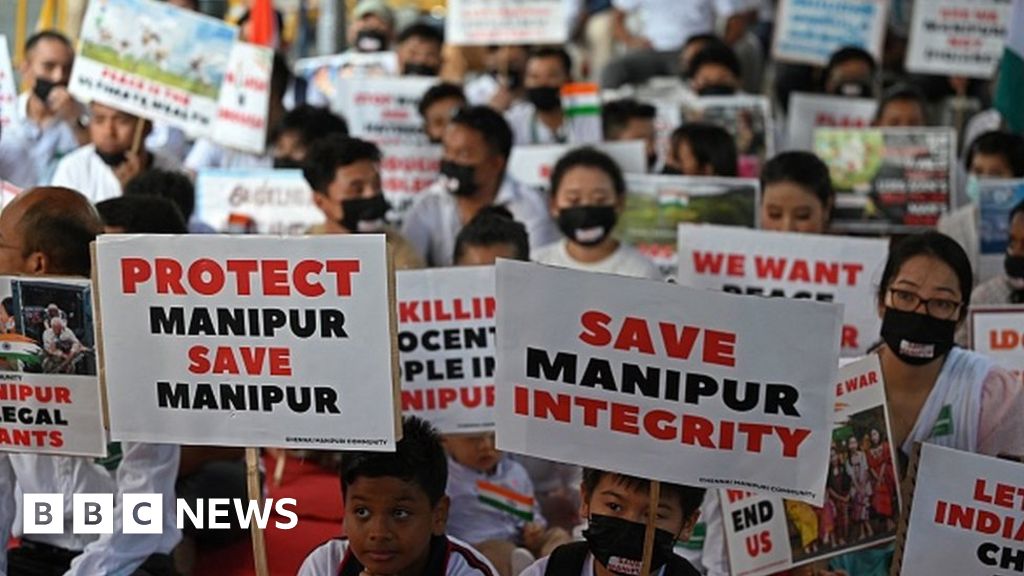
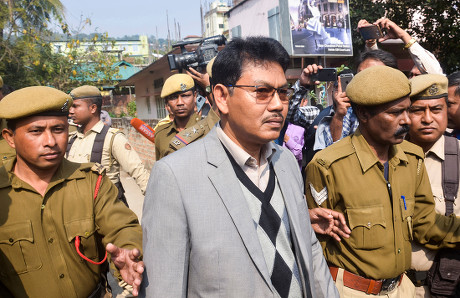
Ethnic conflicts in Manipur have escalated into a complex web of violence and unrest that challenges both governance and social cohesion. The region has been plagued by persistent ethnic hostilities, especially under the current political climate influenced by BJP governance. In recent months, tragic incidents, including a bombing that claimed the lives of young children, have reignited tensions among various communities, making peace-building initiatives increasingly difficult. Despite the efforts of leaders like Yumnam Khemchand Singh, who aims to transcend these conflicts through diplomacy, the specter of violence looms large as misinformation spreads rapidly across social media. The ongoing struggles highlight the urgent need for effective strategies to de-escalate conflicts and foster unity in this diverse state.
In the northeastern state of Manipur, communal violence has reached alarming heights, marked by a series of troubling incidents that reflect deep-seated ethnic divides. This turmoil peaks during times of political instability, where the local governance struggles to address the underlying tensions between various groups. The political ramifications of ethnic rivalries have hindered genuine reconciliation efforts, as recent events demonstrate the frequent cycles of violence that ensue when proactive measures are lacking. Even attempts at fostering dialogue and cooperation can be undermined by hardline factions who resist compromise, a reality evident in the sensitive atmosphere surrounding political leaders and their initiatives. As this situation evolves, the focus must shift toward implementing comprehensive peace strategies that consider the historical and cultural context of Manipur’s diverse population.
Ethnic conflicts in Manipur represent a complex interplay of historical grievances and socio-political dynamics, often marked by violence and persistent hostilities. These conflicts are fueled by deep-rooted ethnic divides, where various communities vie for recognition, resources, and autonomy. Each incident of violence tends to reinforce ethnic identities rather than bridge them, hindering opportunities for genuine dialogue. The conflict is exacerbated by political inaction and mismanagement, as has been seen in the current regime’s struggles to navigate the fragile socio-political landscape.
Despite efforts made by leaders like Yumnam Khemchand Singh to transcend ethnic divides and promote reconciliation, the challenges remain daunting. For instance, recent incidents, including violent bombings in Bishnupur district, illustrate how quickly tensions can escalate and spiral out of control. The blame often shifts among ethnic groups, creating an environment where trust is nearly non-existent. Thus, the complex nature of ethnic conflicts in Manipur demands a multifaceted approach that not only addresses the immediate violence but also the underlying ethnic hostilities that fuel it.
Following the resignation of former Chief Minister N. Biren Singh, the Bharatiya Janata Party (BJP) adopted a strategy aimed at stabilizing the region through new governance under Yumnam Khemchand Singh. However, this transition has not led to significant improvements in the ground realities. The BJP’s approach seemed more reactive than proactive, often resorting to temporary measures that failed to address the root causes of ethnic violence. Inadequate engagement with local leaders and a lack of authentic peace-building initiatives have led to continued unrest, proving that governance alone cannot quell deep-seated ethnic strife.
Many observers believe that without a shift in the BJP’s strategy—one that encompasses genuine engagement with all ethnic communities and encourages grassroots peace initiatives—the likelihood of recurrent violence remains high. The government’s reluctance to fully invest in civil society solutions further complicates the situation, as marginalized communities feel unheard and misrepresented. As the political climate evolves, a more inclusive and empathetic governance model could serve as a foundation for addressing Manipur’s ethnic conflicts and guiding it towards a more peaceful future.
Peace-building initiatives in Manipur are fraught with difficulties, primarily due to the entrenched nature of ethnic identities and hostilities. The ongoing cycle of violence often overshadows efforts aimed at fostering understanding and dialogue among communities. Projecting a sense of unity in a highly fragmented environment poses its challenges. Attempts by the government and civil society to mediate have sometimes been met with skepticism, as groups are wary of any political maneuvers that may threaten their historical claims or rights.
Moreover, disinformation plays a critical role in undermining peace efforts, as rumors can quickly inflame already fragile relations between ethnic groups. The lack of consistent support from political leaders and institutions can lead to disillusionment within civil society, making it appear that peace-building initiatives are mere formalities lacking genuine commitment. For peace-building to be effective in Manipur, strategies must emphasize the importance of communication, collaboration, and trust-building among all parties involved.
Political leadership plays a pivotal role in shaping the trajectory of ethnic conflicts in regions like Manipur. While figures such as Yumnam Khemchand Singh have made efforts to create a more peaceful political atmosphere, the weight of historical grievances and ethnic allegiances can overshadow such attempts. The reluctance of some leaders to take a firm stance against violent factions reflects a broader issue of prioritizing political survival over genuine conflict resolution. This has allowed the continuation of ethnic hostilities while sidelining peaceful rhetoric.
Furthermore, leaders must navigate a precarious landscape where any misstep can trigger heightened tensions. The need for thoughtful, empathetic leadership that inspires confidence across diverse communities is essential if true reconciliation is to be achieved. Sustainable peace requires political figures to take an inclusive stance, fostering a climate where dialogue overrides hostility, and collaboration can flourish in pockets once dominated by division.
The rise of disinformation in Manipur has amplified tensions during ethnic conflicts, where rumors often propagate fear and mistrust among communities. Following incidents of violence, incorrect narratives can circulate rapidly, leading to further escalations. This has been particularly evident during recent bombings and protests in the region. Sensing the fragility of trust, community leaders and the government must work together to establish reliable channels of information dissemination, as this could significantly mitigate the cycle of retaliatory violence that has plagued the state.
Moreover, combating disinformation requires a multi-pronged strategy that includes community engagement and education initiatives aimed at fostering resilience against inflammatory narratives. By empowering local leaders and constituencies to take a proactive role, there will be an increased likelihood of successful dialogue that can potentially resolve ethnic disputes. Until then, the cycle of violence is likely to continue, exacerbated by the presence of deceitful information propagating division and distrust.
The recent resurgence of violence in Manipur has had profound implications for the state’s social fabric. Each episode of conflict carries with it not only immediate casualties but also long-standing psychological and communal repercussions. Families are torn apart, trust among communities erodes, and once vibrant traditions of coexistence become overshadowed by fear and suspicion. Such a breakdown in social cohesion limits opportunities for collaboration and further entrenchment of ethnic divides.
Additionally, the violence impacts economic stability and growth, as fear of conflict deters investment and disrupts the daily lives of citizens. Schools may close, families may relocate, and the resultant instability hinders development efforts necessary for building a united society. For Manipur to recover and rebuild its social fabric, it is critical that reconciliatory measures and community-building activities are prioritized in the aftermath of violence.
Civil society organizations hold a vital role in the process of conflict resolution in Manipur. They often serve as intermediaries, facilitating dialogue among different ethnic groups and creating platforms for shared experiences and understanding. Empowering these organizations can help break the cycle of violence by fostering grassroots initiatives that promote cohesion, peace, and empathy among communities. However, their effectiveness can be undermined if political leadership does not collaborate with them authentically.
Additionally, civil society facing adversity from political factions can pose challenges as well. Efforts to stifle dissent or manipulate narratives can hinder progress toward lasting peace. To transform this landscape, the government and civil society must work collectively, acknowledging the contributions of various groups and investing in collaborative frameworks that prioritize peacebuilding and conflict transformation. This can also help cultivate the trust needed for robust societal healing.
Understanding the historical roots of ethnic division in Manipur is essential for addressing the ongoing conflicts. Multiple factors contribute to these divides, from colonial legacies to post-independence political developments, creating a complex web of grievances among communities. Historical narratives define community identities, and these often influence contemporary relationships between various ethnic groups. Without acknowledging this historical context, any conflict resolution efforts risk overlooking fundamental issues.
Moreover, addressing historical injustices may involve difficult discussions about land rights, resource allocation, and cultural recognition. For genuine reconciliation to occur, a comprehensive understanding of these issues is needed, which could enable future generations to learn from the past while forging a more united Manipur. Educational initiatives can further enhance awareness of this context, fostering understanding and dialogue necessary for moving forward.
The future of peace in Manipur hinges on the commitment of leaders and communities to prioritize reconciliation over division. Exploring innovative governance models that embrace diversity and inclusion will be crucial in fostering an environment conducive to peace. Engaging different ethnic groups in decision-making and providing platforms for dialogue will allow for a more equitable representation and mitigate the risk of future conflicts. Community-driven peace initiatives must be encouraged and supported.
Additionally, consistent efforts towards building trust among ethnicities, alongside strategies to curtail violence and misinformation, can lead to long-term stability. Collaboration among governmental bodies, civil organizations, and community leaders presents a promising path forward. By embracing a vision for collective growth and harmony, Manipur can transcend its history of violence and emerge as a stronger, more unified state.
Ethnic conflicts in Manipur are primarily driven by longstanding tensions between various groups, particularly between the Meitei and Kuki communities. These conflicts have led to significant violence, often exacerbated by political instability and government actions. Recent incidents of violence, such as bombings attributed to extremist groups, have deepened hostilities and disrupted peace in the region.
The BJP governance has attempted to address ethnic hostilities in Manipur through the appointment of moderate leaders like Yumnam Khemchand Singh. However, insufficient political engagement in peace-building initiatives and a focus on power retention have hindered effective conflict resolution, allowing ethnic tensions to persist and escalate.
Peace-building initiatives are crucial for addressing the ethnic conflicts in Manipur. They aim to foster dialogue and understanding between conflicting groups, but their effectiveness has been limited. Genuine involvement from political leaders and civil society, coupled with support for those advocating non-violence, is essential to create lasting peace.
Yumnam Khemchand Singh has attempted to mitigate ethnic violence in Manipur through symbolic gestures and a moderate governance approach. Despite these efforts, he faces formidable challenges in overcoming deeply rooted ethnic divisions and the resurgence of violence, especially following recent tragic incidents that reignited hostilities.
Recent violence in Manipur was reignited by a bombing on April 7, which tragically resulted in the deaths of a five-year-old boy and an infant girl. The alleged involvement of a Kuki extremist group led to widespread protests and further clashes, highlighting the fragility of the situation and deep-seated ethnic conflicts.
Managing ethnic conflicts in Manipur is challenging due to the historical nature of these divides, the resistance to normalization from hostile factions, and the inability of political leadership to engage effectively in peace-building. Disinformation and rampant rumor-spreading further complicate the situation, leading to cycles of violence.
To improve the ethnic conflict situation in Manipur, a comprehensive approach is needed that combines political engagement across all factions with empowerment of civil society to promote peace. Additionally, a robust crackdown on extremist elements and a commitment to genuine peace-building initiatives from the BJP and central government are essential.
Disinformation and rumors significantly exacerbate ethnic tensions in Manipur by fueling mistrust among communities, igniting hostilities, and triggering violence. Accurate communication and public awareness initiatives are vital for countering misinformation and fostering a peaceful dialogue among ethnic groups.
The imposition of President’s Rule in Manipur aimed to stabilize the situation amid escalating ethnic conflicts. However, it also highlighted the political struggles and lack of effective governance to address the root causes of violence. The transition back to a new government under the BJP has not yet led to meaningful improvements in ethnic relations.
| Key Point | Description |
|---|---|
| Ethnic Divides | The persistent nature of ethnic divides complicates peace efforts, as factions resist normalization. |
| Role of Government | Government’s failure to address ethnic hostilities early on hinders future peace restoration. |
| Recent Violence | A bombing in April led to renewed violence, demonstrating the fragility of the situation. |
| Political Challenges | Political instability and insufficient peace-building initiatives have exacerbated the crisis. |
| Need for Comprehensive Strategy | A balanced approach that empowers civil society and addresses violence is necessary for lasting peace. |
Ethnic conflicts in Manipur have reached a critical point, challenging both the political landscape and the social fabric of the region. The entrenched nature of these conflicts, exacerbated by recent violent incidents, highlights the urgent need for effective governance and comprehensive peace-building strategies. Political maneuvers alone are insufficient; a genuine commitment to engage all factions and empower community leaders is essential to break the cycle of violence and foster reconciliation. Without decisive measures and a collaborative approach, Manipur risks spiraling further into turmoil.