The B’nei Menashe community, a group that traces its roots back to the ten lost tribes of Israel, is embarking on a significant journey with the recent relocation of over 240 members to Israel. Primarily found in the northeastern regions of India, specifically Manipur and Mizoram, this Jewish community carries a rich heritage and a deep connection to their ancestral traditions. In recent years, B’nei Menashe immigration has gained momentum, propelled by the Israeli government’s commitment to facilitate their integration into Israeli society. Many members have already made their way home to Israel through initiatives led by Shavei Israel, reflecting the ongoing endorsement of Mizoram Jewish heritage and identity. As this latest group arrives, they join thousands of others in a flourishing diaspora, highlighting the enduring quest of the B’nei Menashe to reclaim their rightful place within the global Jewish family.
The B’nei Menashe, often referred to as the lost Israelites, represent a fascinating narrative of cultural persistence and religious identity. This community, residing primarily in the regions of Manipur and Mizoram, believes they are descendants of ancient tribes that wandered through historical migrations. With the backing of the Israeli government, efforts to bring this unique Jewish group to Israel have intensified, showcasing a deep commitment to preserving their cultural ties while ensuring their integration into modern society. The ongoing resettlement not only emphasizes their Israeli identity but also reinforces the rich tapestry of Jewish communities worldwide. As more members of this historically significant group relocate, they add to the vibrant mosaic of Jewish life in Israel.
The Historical Roots of the B’nei Menashe Community
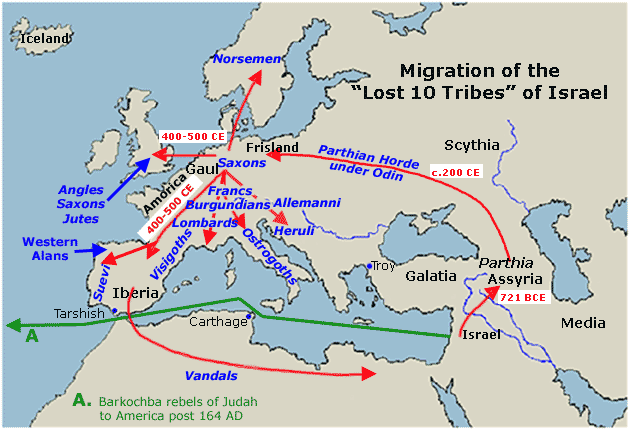
The B’nei Menashe community believes it descends from the Menashe tribe, one of the ten lost tribes of Israel, which were exiled from the Kingdom of Israel around 722 BCE. This unique heritage is a source of pride and identity for the approximately 7,000 members residing in the northeastern Indian states of Manipur and Mizoram. Over the years, various historical and cultural connections have linked this community to Jewish traditions, which has further fueled their desire to immigrate to Israel and connect with their ancestral roots.
Moreover, the migration of the B’nei Menashe reinforces the narrative of the lost tribes, as many Jewish historians have speculated about the fate of these ancient groups throughout history. The community practices distinct customs resembling those of traditional Jewish practices, including observing the Sabbath and celebrating Jewish festivals. This cultural link has played a significant role in their identity and their ongoing relationship with the broader Jewish community.
Immigration Efforts and the Role of the Israeli Government
The Israeli government’s decision to facilitate the immigration of the B’nei Menashe community marks a significant step towards the recognition of their Jewish identity and heritage. The operation began with the recent arrival of over 240 members, with plans for further relocations to ensure the entire community can settle in Israel by 2030. The Israeli cabinet allocated a special budget to support the costs associated with their immigration, including flights, housing, and necessary integration classes to assist with their transition into Israeli society.
This initiative underscores a commitment to reuniting Jewish communities worldwide, acknowledging their historical ties to Israel while providing them with the opportunity for a new life. Organizations such as Shavei Israel play a crucial role in this process by aiding in the relocation and helping newcomers navigate their new environment. The cooperation between the community and the Israeli government illustrates a growing recognition of the importance of heritage and identity in the global Jewish community.
Cultural Heritage of the B’nei Menashe in Mizoram and Manipur
The cultural identity of the B’nei Menashe is deeply rooted in their Mizoram and Manipur heritage, which encompasses a rich tapestry of traditions, language, and community values. Surrounded by other tribal groups, they have maintained distinct practices that reflect ancient Jewish customs passed down through generations. Celebrations and rituals that hint at their Jewish ancestry give a sense of belonging, tying them culturally and spiritually to Israel despite being geographically distant.
In addition to their religious observances, the community’s connection to their heritage involves unique music, dance, and traditional crafts that are emblematic of their identity. This vibrant cultural life has not only preserved their history but has also attracted interest from global Jewish communities. The B’nei Menashe continue fostering their Mizoram Jewish heritage while also looking forward to integrating into Israeli society, creating a bridge between their past and their future.
Integration Challenges for New Immigrants in Israel
As the B’nei Menashe community begins its new chapter in Israel, members face various challenges associated with integration into a new society. Cultural adaptation, language barriers, and navigating the complexities of a different social milieu are common obstacles for many immigrants. The Israeli government, along with community organizations, is prepared to provide support systems, including Hebrew language classes and cultural orientation programs, to ease these transitions.
Furthermore, the B’nei Menashe must contend with their unique identity within Israel’s diverse landscape. While some may not be recognized as Jewish under Israeli law, their rich heritage and history provide a strong foundation for their contributions to Israeli society. As they adapt to their new lives, the continued support from existing Jewish communities, alongside government initiatives, can enhance their integration experience and help preserve their cultural identity.
Significance of the B’nei Menashe Immigration to the Jewish Community
The immigration of the B’nei Menashe community is a significant event for the global Jewish community, as it emphasizes the ongoing connections among dispersed Jewish populations worldwide. Bringing these newcomers into the fold reaffirms the Jewish principle of welcoming those who have historically faced exile or persecution. Their arrival signifies hope and restoration, as they seek to reconnect with their heritage and contribute to the Jewish narrative.
Inclusion of the B’nei Menashe within the broader context of Jewish identity enriches the cultural mosaic of Israel. Their stories and traditions not only diversify the cultural landscape but also promote dialogue about the varied origins of Jewish communities. As they integrate into Israeli society, their unique experiences and insights will leave a lasting impact on the future of Jewish thought and community dynamics.
Future Prospects for B’nei Menashe in Israel
Looking ahead, the future of the B’nei Menashe community in Israel appears promising. With plans to support the arrival of up to 1,200 immigrants yearly, there is optimism that the community will gradually assimilate and thrive in their new homeland. With the establishment of supportive frameworks, including social services and community networks, the B’nei Menashe can remain connected to their roots while engaging with contemporary Israeli life.
The ability of the B’nei Menashe to maintain their cultural identity while adapting to their new surroundings will be crucial for the community’s success. Efforts to encourage cultural exchange programs, events, and communal gatherings can help foster a sense of belonging among newcomers and established Jewish residents alike. Ultimately, this duality between heritage and integration can affirm the B’nei Menashe’s place within the rich tapestry of Israeli society.
Role of Organizations in Supporting B’nei Menashe Immigration
Organizations like Shavei Israel and Degel Menashe play a pivotal role in facilitating the immigration process for the B’nei Menashe community. These groups offer essential support in navigating the complexities of legal status, cultural integration, and emotional support as new arrivals adjust to life in Israel. Their efforts ensure that logistical challenges are addressed, allowing these individuals to focus on their new beginnings.
Moreover, such organizations help raise awareness within the broader Jewish community about the B’nei Menashe’s unique history and their claims of descent from the lost tribes of Israel. This advocacy not only aids in cultural preservation but also fosters greater understanding and support among Israeli citizens, enhancing the communal integration process. The collaborative efforts of these organizations exemplify the strength of community in addressing the needs of new immigrants.
Exploring the Jewish Identity of the B’nei Menashe
The Jewish identity of the B’nei Menashe is a complex and evolving narrative marked by their historical claims and contemporary experiences. As they journey towards recognition within Israeli society, the community’s faith and traditions play an essential role in defining their Jewish identity. They participate in spiritual life and community gatherings, which strengthen their connections to Judaism and allow them to engage with both their ancestral roots and the broader Jewish community.
Contemporary discussions surrounding identity and belonging are crucial as B’nei Menashe navigate their unique status within Israel. Amid challenges of legal recognition, their cultural practices serve as a reminder of their deep-rooted heritage. Engagement with various Jewish organizations can aid in addressing these identity issues, increasing acceptance and paving the way for future generations to fully embrace their identity as proud members of the Jewish people.
Community Resilience of the B’nei Menashe
Despite the hardships encountered during their immigration journey, the resilience of the B’nei Menashe community is profound. Their enduring belief in their Jewish ancestry has motivated generations to seek a place where they can embrace their identities freely. This unwavering commitment to their heritage empowers them to overcome obstacles and foster a sense of community that spans continents and cultures.
The story of the B’nei Menashe illustrates the immense strength that comes from collective identity. As they embark on their new lives in Israel, their experiences serve as a testament to the power of faith and perseverance. Strengthened by the support of both their community and the greater Jewish world, they exemplify the idea that home is not merely a location, but a living expression of shared heritage and aspirations.
Frequently Asked Questions
What is the B’nei Menashe community and its connection to the ten lost tribes of Israel?
The B’nei Menashe community is comprised of individuals from the Mizo and Kuki tribes in Manipur and Mizoram, India, who believe they are descendants of the Menashe tribe, one of the ten lost tribes of Israel. They maintain a unique Jewish heritage and culture, claiming a historical connection to ancient Israel.
How has the Israeli government facilitated the immigration of the B’nei Menashe community?
The Israeli government has initiated a special operation to facilitate the immigration of the B’nei Menashe community, providing funding for flights, housing, Hebrew classes, and conversion programs. This effort began with the cabinet’s decision to support their relocation, aiming to bring community members to Israel at a rate of 1,200 per year until 2030.
What role does Shavei Israel play in the B’nei Menashe immigration process?
Shavei Israel is a private organization that assists the B’nei Menashe community in their relocation to Israel. The organization has successfully supported approximately 4,000 community members in immigrating to Israel over the years, including significant numbers in previous years.
What is the significance of the recent B’nei Menashe immigration flight to Israel?
The recent flight, which brought over 240 B’nei Menashe community members to Israel, marks the beginning of a larger operation to relocate the community. It represents a crucial step in the Israeli government’s plan to facilitate the immigration of this group, which has historical claims to Jewish ancestry.
What challenges do members of the B’nei Menashe community face regarding their immigration status in Israel?
Members of the B’nei Menashe community face challenges regarding their recognition as Jewish under Israeli law; their immigration requires special authorization. This has necessitated government support and budget allocation to facilitate their relocation and integrate them into Israeli society.
Where will the new B’nei Menashe immigrants be settled in Israel?
The new B’nei Menashe immigrants are being settled in various locations in northern Israel, including cities like Nof HaGalil and Kiryat Yam. This placement aims to help integrate them into the local communities while preserving their unique cultural heritage.
How many B’nei Menashe members are currently residing in Manipur and Mizoram?
There are approximately 7,000 members of the B’nei Menashe community living in Manipur and Mizoram. Many have already migrated to Israel over the years, with ongoing efforts to facilitate further relocations.
| Key Point | Details |
|---|---|
| Recent Immigration | Over 240 members of the B’nei Menashe community were flown to Tel Aviv, marking the first batch of their relocation by the Israeli government. |
| Community Background | The B’nei Menashe are a Jewish community from Manipur and Mizoram who claim descent from one of the ten lost tribes of Israel. |
| Size of Community | Approximately 7,000 members live in Manipur and Mizoram, but many have already migrated to Israel. |
| Migration Assistance | Shavei Israel has facilitated the migration of around 4,000 B’nei Menashe to Israel. |
| Government Initiative | The relocation is part of an Israeli government operation announced last November, with a special budget allocated. |
| Integration Support | Budget covers flights, housing, conversion classes, and Hebrew lessons for new immigrants. |
| Immigration Goals | The operation aims to relocate the entire community by 2030, with annual immigration quotas. |
| Future Flights | Two more flights are planned to bring in a total of 600 new immigrants in the upcoming weeks. |
| Settlement Locations | New immigrants will be settled in northern Israel, including Nof HaGalil and Kiryat Yam. |
| Official Remarks | Immigration Minister Ofir Safer stated this marks the beginning of an operation with targets of 1,200 per year. |
Summary
The B’nei Menashe community has begun a significant migration to Israel, marking a new chapter in their history as they embrace the opportunity to return to their ancestral roots. With the arrival of 249 members in Tel Aviv, this first batch sets the stage for future waves of immigration expectant in the coming years. The Israeli government’s concerted effort, backed by a special budget and logistical support, aims to integrate the community into Israeli society by 2030. This operation underscores the ongoing commitment to recognizing the cultural and historical significance of the B’nei Menashe community.