

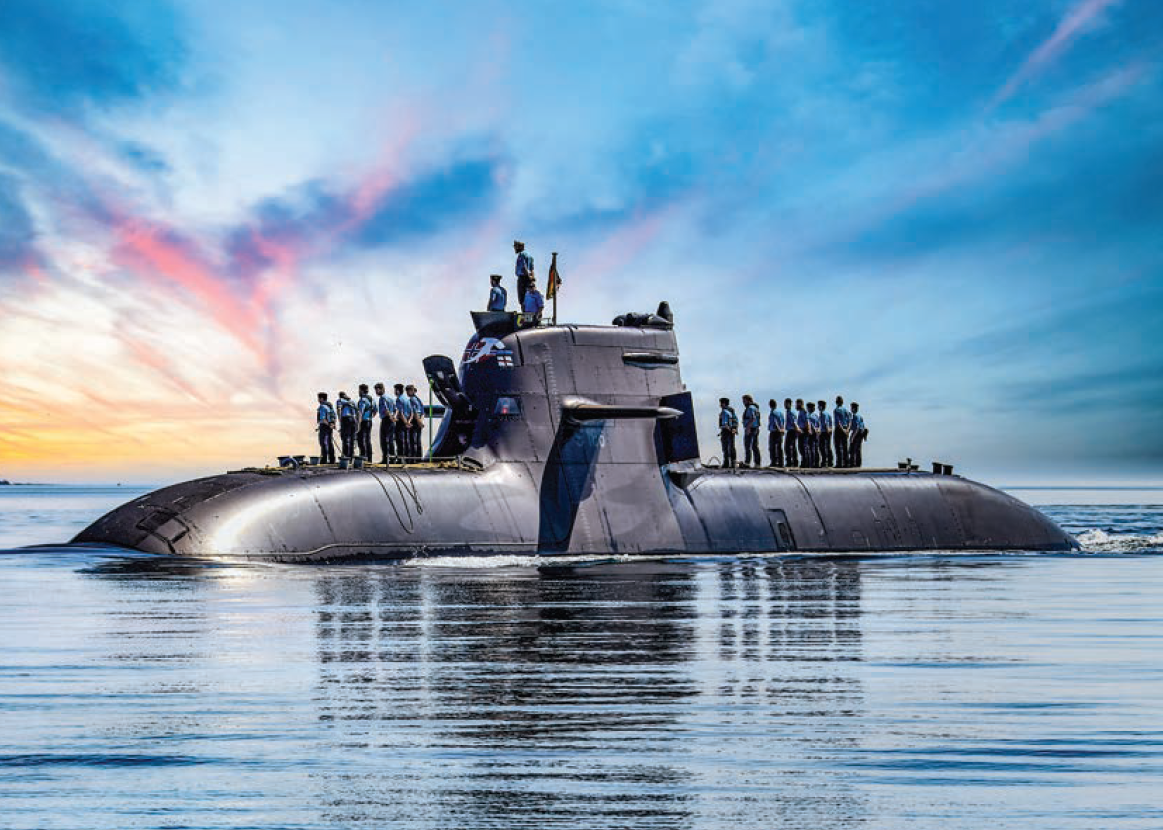
Rajnath Singh’s submarine visit to the advanced facilities of ThyssenKrupp Marine Systems in Kiel marks a significant step in India-Germany defense cooperation. This pivotal event provided an opportunity for Singh to explore cutting-edge naval technologies alongside German Defense Minister Boris Pistorius. The collaboration aims to enhance India’s indigenous submarine capabilities while benefiting from Germany’s expertise in submarine building. As both nations look to strengthen their maritime defense strategies, this visit underscores a commitment to innovation and partnership in defense production. The discussions during Rajnath Singh’s Germany trip highlight a mutual interest in advancing military technologies to address emerging security challenges.
The recent engagement by India’s Defense Minister Rajnath Singh at a submarine construction site in Germany signifies an important alliance in defense manufacturing. This visit was pivotal in understanding the latest maritime defense technologies being developed by ThyssenKrupp Marine Systems, a leader in submarine engineering. Alongside his German counterpart, Singh’s explorative tour underscores the collaborative efforts between India and Germany in the realm of advanced naval systems. By fostering these international partnerships, both nations are well-positioned to innovate in naval capabilities, enhancing their defense preparedness and technological prowess. Ultimately, this initiative marks a step forward in joint defense strategies that could shape future maritime security operations.
Rajnath Singh’s Insightful Visit to ThyssenKrupp Marine Systems
On his recent trip to Germany, Indian Defense Minister Rajnath Singh visited the submarine building facility of ThyssenKrupp Marine Systems (TKMS) located in Kiel. This visit was a significant step toward strengthening India-Germany defense ties, particularly in the field of advanced naval technologies. During the tour, Singh received an in-depth briefing on the construction and technological prowess of modern submarines, designed to enhance maritime security for both nations. His presence underscored India’s commitment to collaborating with Germany to improve its submarine capabilities and overall naval strength.
The shipbuilding facility in Kiel is renowned for its innovative submarine designs and advanced manufacturing techniques. Minister Rajnath Singh, accompanied by the German defense minister Boris Pistorius, engaged in discussions highlighting the importance of cooperative defense initiatives. This interaction not only showcased TKMS’s cutting-edge advancements in submarine technology but also reflected the potential for India to leverage such expertise in strengthening its own indigenous submarine production capabilities. The discussions emphasized joint ventures and the mutual interest in promoting security in increasingly complex maritime environments.
Advancements in Naval Technologies: A Key Focus of the Visit
The briefing given to Rajnath Singh during his tour of the ThyssenKrupp facility placed particular emphasis on the sophisticated naval technologies available for modern submarines. Germany’s expertise in submarine warfare and its investment in research and development were key highlights of the discussions. The advanced stealth and combat systems showcased at the TKMS facility are crucial for naval operations in contemporary contexts, and Singh’s engagement with these technologies signals India’s strategic intent to modernize its naval fleet. Such advancements can aid India in addressing various maritime challenges it faces in the region.
Moreover, the collaboration between India and Germany in the domain of naval technologies reflects an ambition for both countries to enhance their defense capabilities while fostering international partnerships. Singh’s proactive approach in seeking out advanced technologies aligns with India’s broader military modernization strategy, especially as it continues to explore partnerships beyond traditional allies. By learning from Germany’s advanced submarine building processes, India aims to develop its indigenous capabilities, ensuring not only operational readiness but also increased self-reliance in defense manufacturing.
The Importance of Defense Collaboration between India and Germany
Rajnath Singh’s visit to the submarine building facilities in Kiel represents a pivotal moment in the evolving defense partnership between India and Germany. While Germany is known for its advanced engineering and technologies, India’s growing naval requirements and the necessity for robust maritime security necessitate such collaborations. Encouraged by Germany’s significant investment in its defense sector and innovation in submarine technology, India seeks to engage more deeply with its long-term European partners. This visit could pave the way for new agreements focusing on co-production and joint research initiatives.
Furthermore, the role of defense diplomacy cannot be overstated, as it opens channels for dialogue and peace-building in tumultuous regions. Minister Singh’s interactions with Boris Pistorius have underscored the mutual goals of both countries; to enhance regional security and stability in the Asia-Pacific and European regions. A strong defense partnership with Germany would not only improve bilateral relations but also strengthen collective efforts in areas such as anti-piracy, maritime patrol operations, and safeguarding vital trade routes, showcasing India’s commitment to securing prosperous maritime environments.
Rajathan Singh and the Future of Submarine Technology in India
As Rajnath Singh explored the showcased submarine technologies, discussions focused heavily on India’s future in submarine warfare capabilities. The insights gained from ThyssenKrupp Marine Systems present an opportunity for India to incorporate advanced technologies aimed at enhancing its indigenous submarine fleet, which includes the ongoing projects under the Scorpene and P-75 programs. The potential for collaboration with TKMS and the application of modern practices seen during Singh’s visit could play a pivotal role in shaping India’s defense strategies and boosting its maritime security!
Furthermore, the implications of such technology transfers could resonate significantly, influencing India’s defense production ecosystem. By adapting technologies observed in Germany, India is positioned to innovate and enhance its own submarine building processes. This adoption and localization of foreign technology will not only streamline production timelines but will also ensure that Indian Navy submarines are equipped with the modern systems necessary to undertake diverse operational roles, thus reinforcing India’s status as a formidable maritime force.
The Role of ThyssenKrupp in Global Defense Markets
ThyssenKrupp Marine Systems has positioned itself as a major player in the global defense industry, renowned for its commitment to innovation and quality. Their submarine technology is recognized for its reliability and advanced features, making them a preferred choice for various countries looking to enhance their naval capabilities. Minister Rajnath Singh’s visit to their facility underscores not only the technological prowess of TKMS but also India’s recognition of the necessity for strategic collaborations in defense manufacturing.
With emerging global threats and shifting geopolitical dynamics, partnerships with firms like ThyssenKrupp are essential for countries like India, which seek to bolster their maritime security. By engaging with TKMS, India can access state-of-the-art naval technologies that enable more effective defense strategies. The insights gained from Singh’s tour could facilitate India’s entry into international defense markets, allowing for a more robust and capable navy that can deter emerging threats and participate actively in global maritime security initiatives.
Submarine Building: A Commitment to Naval Strength
Rajnath Singh’s interaction with ThyssenKrupp Marine Systems illustrates India’s unwavering commitment to strengthening its naval capabilities through modern submarine building. The shipbuilding facility in Kiel serves as an embodiment of advanced manufacturing processes that are crucial for developing stealth submarines effective in today’s warfare scenarios. India’s focus on advancing its capabilities in submarine warfare through international partnerships signals its recognition of the growing importance of high-tech naval assets in securing national interests.
Investing in submarine technology is not merely about enhancing combat capabilities; it is about ensuring national security and safeguarding maritime trade routes. The advanced technologies explored during Singh’s visit could have lasting implications on India’s maritime strategy, possibly resulting in the country’s increased engagement in the Indo-Pacific region. By modernizing its submarine fleet, India prepares not only for territorial defense but also reinforces its position as a responsible maritime power, capable of contributing to regional stability and security.
Exploring Collaborative Opportunities in Maritime Defense
The discussions during Rajnath Singh’s visit to TKMS also opened avenues for future collaborations in maritime defense between India and Germany. The potential for joint ventures in submarine production and technology transfer could lead to the establishment of a more comprehensive defense landscape in India. The partnership with Germany aligns with India’s strategy to foster ties with countries that possess advanced technological capabilities, allowing the country to evolve its defense manufacturing base.
Moreover, these collaborative opportunities not only enhance India’s defense capabilities but also support the broader goal of self-sufficiency in defense manufacturing. By working closely with ThyssenKrupp, India can build on its strengths while integrating German efficiencies and technological advancements in its indigenous programs. This symbiotic relationship could ultimately result in a more resilient and agile naval force capable of addressing the multifaceted challenges faced in contemporary security environments.
Strengthening Strategic Defense Alliances Through Technology Transfer
Rajnath Singh’s visit highlights the strategic importance of technology transfer in defense collaborations, particularly between India and Germany. By transferring advanced submarine technologies from TKMS, India can enhance its indigenous capabilities, which is vital for maintaining a competitive edge in maritime warfare. The focus on increasing indigenous production aligns with the government’s Make in India initiative, promoting self-reliance while simultaneously fostering international partnerships.
Through such collaborations, India aims to develop a robust defense manufacturing ecosystem equipped with cutting-edge capabilities. The potential of acquiring technology and expertise from Germany’s leading defense companies can significantly bolster India’s submarine-building programs, ensuring that the Indian Navy remains well-equipped to tackle future challenges. Thus, Singh’s visit marks a crucial step toward achieving more comprehensive and strategically aligned defense cooperation between two nations.
Frequently Asked Questions
What was Rajnath Singh’s focus during his submarine visit to ThyssenKrupp Marine Systems in Germany?
During Rajnath Singh’s submarine visit to ThyssenKrupp Marine Systems in Kiel, he focused on examining advanced naval technologies and capabilities. This visit highlighted India’s interest in enhancing its submarine-building capabilities through collaboration with German expertise, particularly in the context of ongoing strategic partnerships between India and Germany.
| Key Points |
|---|
| Rajnath Singh’s Visit to TKMS |
| Location: Kiel, Germany |
| Purpose of Visit: To observe submarine building facilities and advanced naval technologies |
| Accompanied By: German Defense Minister Boris Pistorius |
Summary
The Rajnath Singh submarine visit marked a significant step in strengthening Indo-German defense ties. During his visit to ThyssenKrupp Marine Systems in Kiel, he was briefed on cutting-edge naval technologies, showcasing India’s commitment to enhancing its maritime capabilities. Accompanied by German Defense Minister Boris Pistorius, Singh’s engagement at one of Europe’s leading submarine manufacturing sites highlights the collaborative efforts in defense and technology between India and Germany. The discussions during this visit are expected to pave the way for future partnerships and innovations in naval defense.



























