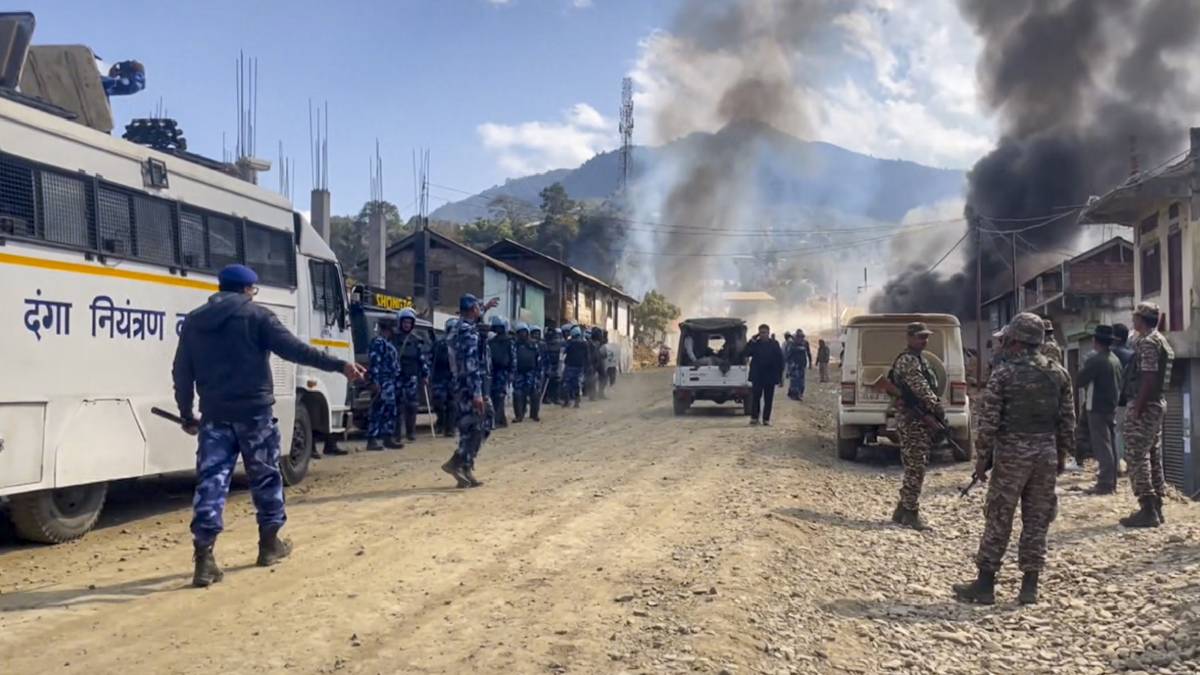
The ongoing Manipur violence has escalated tensions in the region, particularly following a series of deadly incidents in Ukhrul district that left three people dead, including two from the Kuki-Zo community and one Naga guard. These alarming events, which include the tragic death of locals during armed attacks, have drawn widespread concern as accusations of Tangkhul militancy circulate amidst a backdrop of ethnic strife. The Mullam Village Authority described these incidents as a “full-scale armed attack,” further compounding an already volatile situation. With reports of protests and retaliatory strikes growing, it is critical to understand the dynamics at play in these Manipur firing incidents. As families flee their homes in search of safety, the impact of this violence continues to ripple through affected communities, particularly among the Kuki-Zo and Naga populations, prompting urgent calls for intervention and investigation.
Recent unrest in Manipur, especially the violent clashes in Ukhrul, has highlighted a troubling rift among local communities, notably involving the Kuki-Zo and Naga groups. This ongoing discord, marked by armed confrontations and allegations of militant activities, raises serious questions about regional security and inter-community relations. Reports from the ground describe a tense climate, where the actions of the Tangkhul and Kuki factions have led to devastating consequences, including loss of life and significant displacement. The involvement of local armed groups, such as the Naga Village Guards and accusations against Kuki armed cadres, paint a complex portrait of the conflict, underscoring the urgent need for dialogue and reconciliation. Understanding these multifaceted issues is essential for anyone seeking to grasp the realities of the violence that has gripped this part of India.
Understanding the Recent Violence in Ukhrul
The recent surge of violence in Ukhrul, particularly noted on April 24, highlights the ongoing ethnic tensions within Manipur. After two members of the Kuki-Zo community were killed in Mullam village, the area has erupted into chaos, reportedly due to accusations against Tangkhul militants for the assault. This incident exacerbates the already fragile security situation in Manipur, where communities have faced a series of violent confrontations. The presence of armed groups on both sides only intensifies these tensions, making peaceful resolutions increasingly difficult.
As families flee their homes amidst fears for safety, the impact of this violence resonates deeply within the communities. Reports indicate that various organizations and local authorities are struggling to maintain order and restore peace. The situation reflects a broader pattern of violence observed throughout Manipur, particularly the Ukhrul district, marked by conflicts among ethnic groups, such as the Kuki-Zo and Tangkhul communities. Understanding the roots of this unrest is crucial for addressing the ongoing violence.
Frequently Asked Questions
What is the recent violence in Manipur related to the Kuki-Zo community?
The recent violence in Manipur involves two individuals from the Kuki-Zo community being killed in separate firing incidents in Ukhrul district. Reports suggest that Kuki groups are blaming ‘Tangkhul militants’ for the attacks that occurred on April 24, escalating tensions between different tribal communities.
How did the Ukhrul unrest begin and what is its connection to the Tangkhul militancy?
The Ukhrul unrest began with violent clashes between the Tangkhul Naga community and Kuki-Zo communities, particularly after a series of fatal encounters, including ambushes attributed to Tangkhul militancy. This ongoing conflict highlights deep-seated ethnic tensions within Manipur, further exacerbated by recent events.
What incidents led to the fatalities among the Kuki-Zo community in Manipur?
On April 24, two members of the Kuki-Zo community were killed during what was described as a ‘full-scale armed attack’ in Mullam village. This incident, along with another involving a Naga guard in Sinakeithei, has raised serious concerns about escalating violence and security in the region.
What actions have been taken by authorities following the Manipur firing incidents?
In response to the Manipur firing incidents, the police have initiated investigations to identify the perpetrators, while the Army has also been deployed to maintain order amid heightened tensions in Ukhrul district. Local authorities are prioritizing restored peace and security in the affected communities.
How is the Manipur violence impacting local communities, especially the Kuki-Zo and Naga tribes?
The Manipur violence has led to increased fear and distrust among local communities, particularly affecting the Kuki-Zo and Naga tribes. Families have been forced to evacuate areas deemed unsafe amidst ongoing retaliatory violence and claims of armed attacks, contributing to a climate of uncertainty and instability in the region.
What is the role of armed groups in the ongoing Manipur violence?
Armed groups, including those operating under the Suspension of Operation (SoO) agreement, have been accused of escalating violence in Manipur. Both the Kuki and Tangkhul militancies have been implicated in attacks on each other’s communities, leading to a cycle of violence that undermines efforts for peace.
What governmental measures are being considered to address the Manipur violence?
Governmental measures to address the Manipur violence involve potential investigations into the clashes, the deployment of security forces to restore order, and dialogue initiatives aimed at reconciling differences between the Kuki-Zo and Naga communities. Ensuring safety and long-term peace remains a priority for local and state authorities.
What are the implications of the Armed Forces (Special Powers) Act (AFSPA) on the Manipur violence situation?
The ongoing violence in Manipur, particularly in affected districts like Ukhrul, is further complicated by the imposition of the Armed Forces (Special Powers) Act (AFSPA). This law grants exceptional powers to security forces, which can influence the dynamics of conflict resolution, often leading to increased tensions and fear among local populations.
What is the latest status of the investigation into the fatalities in Manipur’s Ukhrul district?
As of now, investigations are underway by local police concerning the fatalities in Ukhrul district, focusing on the identity of the attackers during the recent violent incidents involving the Kuki-Zo community and Naga guards. The authorities are working to bring accountability and address community concerns for justice.
How can local communities work towards peace amid ongoing Manipur violence?
Local communities can work towards peace by fostering dialogue between the Kuki-Zo and Naga groups, engaging in community-led reconciliation initiatives, and promoting understanding and cooperation. Efforts must also focus on addressing the root causes of conflict to prevent future violence in Manipur.
| Incident | Details | Casualties | Community Involved | Current Situation |
|---|---|---|---|---|
| Mullam Village Attack | The village was attacked early morning on April 24 while residents were asleep, allegedly by ‘Tangkhul militants.’ | 2 killed: Tahchapa Letlal Sitlhou (James Kuki) and Tahchapa Paominlun Haolai (Hitlal Kuki) | Kuki-Zo | Police investigation underway; Army deployed, situation tense. |
| Sinakeithei Ambush | Naga Village Guards ambushed by Kuki armed cadres while on patrol duty. | 1 killed: Horshokmi Jamang of Chatric Khullen village | Naga | Claims of the ambush and ongoing tensions; accusations exchanged between communities. |
Summary
The recent violence in Manipur has resulted in escalating tensions, with incidents such as the killings on April 24 highlighting the deep-rooted issues between the Kuki-Zo and Naga communities. The losses include members from both sides, raising concerns over safety and security in the region. Following these events, authorities have taken steps to control the situation, but further investigation and dialogue will be crucial in addressing the ongoing conflict that continues to affect Manipur.