 11
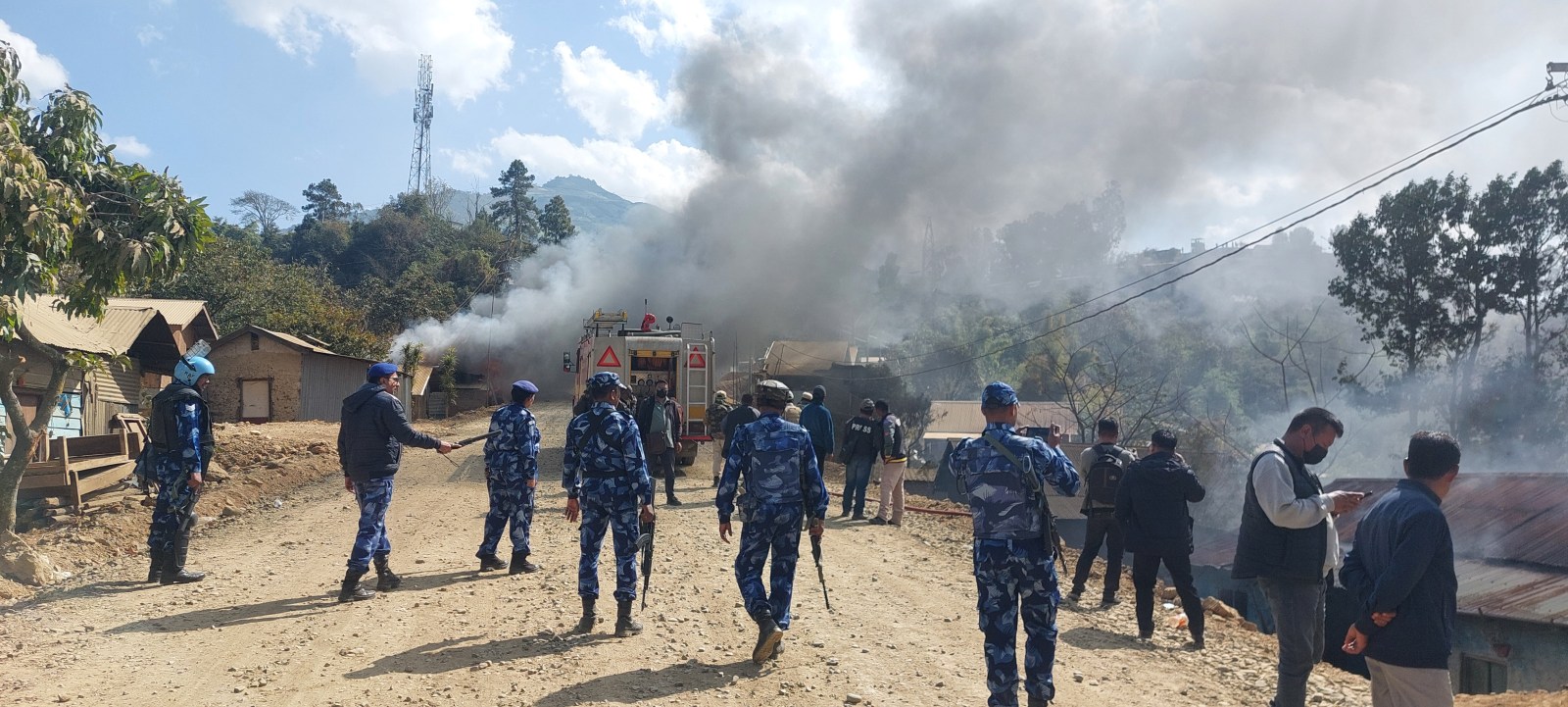
11The recent airlift of the B’nei Menashe community to Israel marks a significant chapter in Israel immigration history, particularly under Operation Wings of Dawn. Over 240 individuals from Manipur and Mizoram have been welcomed into the Jewish state, connecting them to their long-lost ancestors who are believed to be descendants of the ten lost tribes of Israel. Amid rising tensions in the region, this operation not only aims to provide refuge but also symbolizes a renewed commitment to resettle the B’nei Menashe in Israel. With plans to bring thousands more in the coming years, the Israeli government has devised comprehensive integration strategies for these Manipur Mizoram refugees. This article explores the historical ties and the current dynamics of Israel Aliyah, shedding light on why this monumental journey is taking place now.
The B’nei Menashe airlift to Israel is more than just a migration; it represents a profound reconnection to heritage for a community long believed to have Jewish roots. Known as the descendants of the men of Menashe, this ethnic group from Northeast India has seen an uptick in their immigration journey, with recent flights transporting them directly to Israeli soil under facilitated programs. The push for their relocation encompasses cultural, religious, and economic factors, as many seek better opportunities and a place to practice their faith freely. As global interest in Israel’s immigration policies rises, understanding the narratives like those of the B’nei Menashe helps in grasping the complexities surrounding diaspora relationships. Ultimately, the operations aimed at integrating this community illustrate Israel’s ongoing commitment to embracing its diverse Jewish identity.
The B’nei Menashe community, comprised of individuals from the northeastern Indian states of Manipur and Mizoram, has recently initiated a historic migration to Israel, marking a significant moment in the narrative of Israel immigration. This movement draws attention not only because it involves the airlifting of several hundred individuals but also due to the deep cultural and historical roots that bind this community to the Jewish heritage. Identified as descendants of the lost tribes of Menashe, the community’s relocation has sparked discussions around their identity and the future of Jewish diaspora relations.
The resettlement process, facilitated by Israel’s government and organizations like Shavei Israel, underscores the challenges faced by these individuals in their homeland. In India, the B’nei Menashe community has encountered cultural displacement and economic hardships, pushing many to seek a new life in Israel. With plans set for ongoing flights amid an escalating Jewish diaspora focus, the community’s airlift signals not just a mass migration but a revival of cultural ties to the land of their ancestors.
Operation Wings of Dawn was launched as a pivotal initiative to facilitate the relocation of the B’nei Menashe community to Israel, reflecting Israel’s commitment to fostering its cultural diaspora. The operation marks an extensive effort to streamline the process for these individuals longing to return to their ancestral home. As part of this initiative, flights have been commissioned to transport large groups from Manipur and Mizoram directly to Tel Aviv, with anticipations of increasing future airlifts.
The airlift process not only emphasizes Israel’s strategic immigration policies but also represents a broader goal to integrate these individuals into Israeli society. As part of their rehabilitation, comprehensive support systems—ranging from housing and employment to educational resources—are being established, showcasing the priority given to the successful Aliyah of the B’nei Menashe community. The ongoing efforts emphasize Israel’s historical commitment to Jewish communities worldwide, particularly as they fortify their presence amid regional tensions.
The B’nei Menashe’s desire to immigrate to Israel is driven not only by a quest for better economic opportunities but also a longing for spiritual fulfillment. As they embark on this journey, the importance of maintaining their Jewish identity becomes paramount. Many community members express a fundamental need to practice their faith freely, which they find increasingly challenging in the remote regions of Manipur and Mizoram. In Israel, their aspirations for religious expression and community life can be actively nurtured.
Moreover, the resettlement initiative underscores the ongoing narrative of Jewish connection through shared history. The B’nei Menashe community’s understanding of their cultural roots links them to ancient Israel, fostering a sense of belonging that extends beyond geographical boundaries. As they assimilate into Israeli society, their unique customs and traditions will contribute to the rich tapestry of Israel’s diverse cultural landscape, further enriching the Jewish experience.
Economic motivations play a crucial role in the B’nei Menashe community’s migration to Israel, where opportunities for financial advancement are markedly more lucrative than in India. Many members are engaged in agriculture or labor-intensive jobs, earning significantly lower wages than what they could access in Israel’s dynamic labor market. As reported, while their average annual income in India hovers around ₹1.5 lakh, the potential earnings in Israel can soar to ₹50-52 lakh, making this migration a practical choice for many families.
Additionally, Israel’s economic infrastructure offers stability and growth potential that many in the B’nei Menashe community find appealing. The promise of a better quality of life, access to modern amenities, and improved employment opportunities solidifies the community’s resolve to make Aliyah. Furthermore, as the global labor landscape shifts, Israel’s need for skilled workers, particularly amidst ongoing conflicts, positions the B’nei Menashe as valuable assets in fulfilling labor shortages across various sectors.
The Israeli government plays a pivotal role in facilitating the mass relocation of the B’nei Menashe community, as exemplified by the substantial commitments made under Operation Wings of Dawn. With a clear emphasis on rehabilitation and integration, the government has allocated specific budgets for transportation and housing needs of these new immigrants. This structured approach not only addresses immediate logistical concerns but also ensures that these individuals can flourish within their new environment.
Beyond immediate logistical support, the Israeli government also focuses on fostering community ties and addressing cultural integration challenges faced by the B’nei Menashe. Educational programs, including Hebrew language courses and cultural workshops, are being implemented to ease their transition into Israeli society. These efforts reflect a wider understanding of the importance of preserving the rich heritage of immigrant populations while simultaneously promoting national cohesiveness.
Despite the hopes and opportunities that the B’nei Menashe community encounters in Israel, they are not without challenges. Adjusting to a new cultural landscape while preserving their unique identity poses significant hurdles. Many immigrants experience homesickness and face the difficulties that come with learning a new language and navigating social dynamics within Israeli society. Additionally, cultural customs must be adapted to fit into a predominantly different context.
Another significant challenge lies in the bureaucratic hurdles they may face in achieving full recognition as Jewish immigrants under Israeli law. While the Israeli government is making concerted efforts to integrate them, the path to ensuring that all community members are officially recognized as Jewish can often be fraught with complications. This legal aspect is critical not only for their new lives but also for the full realization of their identity as part of the Israeli society.
The future of the B’nei Menashe community in Israel appears hopeful yet complex, shaped by ongoing government initiatives and the community’s own adaptability. With projections indicating the arrival of more community members over the coming years, the integration process will ultimately redefine the community’s place within Israeli society. As they build new lives, their contributions to the diverse social fabric will be significant, influencing various sectors including agriculture, cultural expressions, and economic development.
Community leaders emphasize the importance of establishing strong institutional support to help new immigrants navigate their transition effectively. Building supportive networks among established community members and local organizations will be vital in ensuring that the B’nei Menashe can maintain their rich traditions while also contributing to the broader Israeli culture. Their journey thus continues as they not only seek a return to their ancestral roots but also strive to forge a new identity in a modern Jewish state.
The airlifting of the B’nei Menashe community signifies a significant moment not just for the individuals involved, but also for India-Israel diplomatic relations. This initiative illustrates how cultural and historical ties can catalyze international partnerships, demonstrating Israel’s readiness to support communities with shared ancestry. As the migration continues, it may foster deeper ties between India and Israel, emphasizing the importance of cultural kinship over mere political alliances.
Additionally, the reactions within India regarding the airlift reflect a blend of local sentiments concerning identity and heritage, further impacting the bilateral relationship. While the government supports the Jewish connections, there are complex dialogues around minorities and communal identity at play in India. Hence, the airlift not only shows a physical movement of people but also provokes reflections on issues of identity, recognition, and community support within the broader framework of international relations.
Community identity serves as a cornerstone of the B’nei Menashe’s narrative as they navigate their relocation to Israel. Rooted in a profound sense of their ancestral lineage, members often recount their stories of survival and preservation against the backdrop of their challenging history. Reclaiming their Jewish identity is not merely a formality but a deeply emotional journey that underscores their commitment to their heritage as descendants of the lost tribes.
In Israel, the B’nei Menashe are not just resettlers but key contributors to the mosaic of cultural diversity. Their unique traditions, values, and beliefs enrich the broader Israeli culture, allowing them to forge new connections while honoring their past. As they move forward, the B’nei Menashe’s identity will continue to be shaped by both the challenges of integration and the opportunities to celebrate their heritage within the context of a modern Jewish state.
The B’nei Menashe airlift to Israel is a government initiative aimed at relocating members of the B’nei Menashe community from Northeast India, specifically Manipur and Mizoram, to Israel. This operation is part of the broader Israeli plan to facilitate the immigration of this group, which claims descent from the lost tribes of Israel, under the banner of ‘Operation Wings of Dawn.’
The latest reports indicate that over 240 members of the B’nei Menashe community were airlifted to Israel, with an additional plan to bring approximately 1200 more people in 2026 as part of Israel’s ongoing immigration strategy.
The B’nei Menashe community is seeking immigration to Israel due to a combination of historical connections, religious practices, and economic opportunities. Many community members feel a strong desire to return to their ancestral homeland, where they can freely practice their Jewish faith and culture.
Operation Wings of Dawn is the codename for the Israeli government initiative that facilitates the airlift of the B’nei Menashe community from India to Israel. This operation aims to provide support for resettlement, housing, and cultural integration within the context of Israel’s immigration policies.
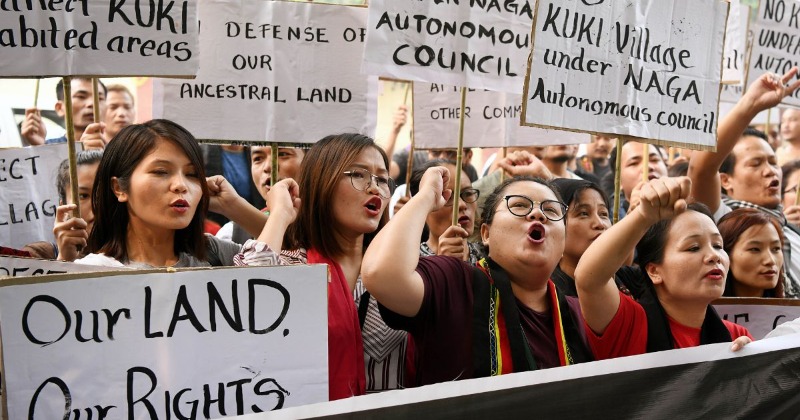
Members of the B’nei Menashe community face various challenges in India, including economic hardships, limited opportunities for practicing their faith, and instances of racial discrimination. These factors have motivated many to seek a better life and greater religious freedom in Israel.
The Israeli government intends to provide rehabilitation and resettlement programs for the B’nei Menashe community, including financial support for housing, education, and conversion to Judaism, aiming to fully integrate them into Israeli society by 2030.
The B’nei Menashe airlift has implications for India-Israel relations, as it showcases Israel’s commitment to aiding Jewish communities worldwide. Additionally, it reflects a strategic interest in strengthening demographic and security positions in northern Israel amidst ongoing regional conflicts.
The historical roots of the B’nei Menashe community trace back to the ancient Israelites, believed to be descendants of the Menashe tribe who were exiled and settled in Northeast India after the fall of the Kingdom of Israel. This history has fostered a longstanding desire among community members to return to their ancestral homeland.
As part of their resettlement in Israel, B’nei Menashe immigrants will undergo Hebrew language education, which is crucial for their integration into Israeli society, facilitating communication, employment opportunities, and participation in community and religious life.
Israel’s future immigration plans for the B’nei Menashe community include airlifting additional members beyond the initial 240, with a goal of bringing about 1200 individuals over the next few years. This aligns with Israel’s broader strategy to support Jewish diaspora communities and strengthen its own demographic resilience.
| Key Points | Details |
|---|---|
| Airlift Operation | Israeli flights airlifted over 240 people from Manipur and Mizoram, with plans for more operations in the coming years. |
| B’nei Menashe Community | They are a Jewish community from India, regarded as descendants of the ten lost tribes of Israel. |
| Government Plans | The Israeli government aims to resettle the entire community by 2030, with special provisions for rehabilitation. |
| Historical Context | The B’nei Menashe believe their ancestors were exiled from Israel in 722 B.C. and later settled in India. |
| Religious Factors | Community members desire to practice their faith in Israel, facing limitations in Northeast India. |
| Economic Motives | Higher earning potential in Israel compared to their current agricultural labor in India. |
| Challenges in India | The community faces racism and economic struggles, further motivating their migration. |
The B’nei Menashe airlift to Israel marks a significant movement of a Jewish community seeking resettlement and reconnecting with their roots. As the Israeli government actively supports the rehabilitation of this community, their historical ties as descendants of the lost tribes of Israel come to the forefront. With plans to continue airlifting more individuals in the coming years, this operation signifies not only a chance for the B’nei Menashe to practice their faith freely but also serves Israel’s strategic interests in the region. The ongoing challenges faced by this community in India underscore the importance of this initiative, as they strive for a better future in Israel.