

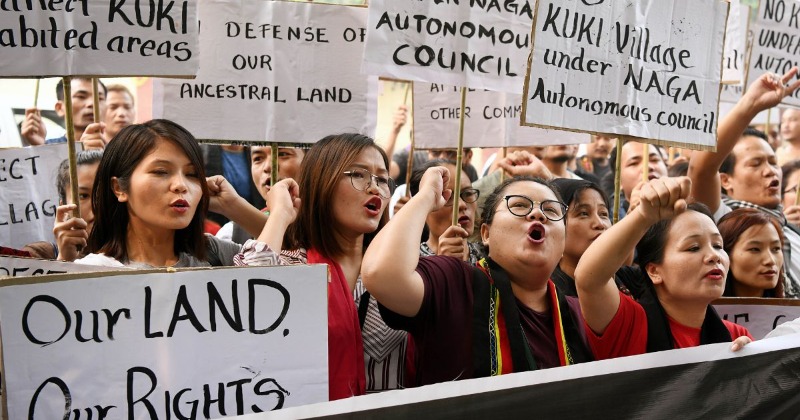
Kangpokpi bandh, a significant shutdown in Manipur’s Kangpokpi district, unfolded on Saturday in memory of two Kuki village guards who tragically lost their lives in a clash with suspected Naga militants. Initiated by the Committee on Tribal Unity (CoTU), this 10-hour protest highlighted the escalating tensions within the region due to the ongoing Kuki ethnic conflict. Earlier in the day, the deceased were honored during a somber ceremony at the Martyrs’ Cemetery in Phaijang village, a poignant site for the Kuki-Zo community. This event saw all shops, schools, and government offices closed, as the local populace sought to unite in solidarity against violence and unrest. Amidst the backdrop of Kangpokpi news, the horrific incident and the subsequent bandh have raised serious concerns about stability in Manipur, with CoTU calling for robust action against growing armed militias.
The recent bandh in Kangpokpi district exemplifies a broader societal response to the ongoing crisis faced by local communities, particularly in relation to the Kuki-Zo people. Known also as a total shutdown or strike, this protest acted as a public outcry against the violence stemming from the tragic incident involving Kuki guards and suspected Naga militants. As Manipur updates the situation surrounding this ethnic conflict, the implications of such actions highlight the urgent need for peace and dialogue among involved parties. The CoTU’s condemnation of the violence serves as a crucial call for accountability and strategic intervention from authorities, as residents seek assurance of their safety. Communities rallying under the banner of solidarity reflect deep-rooted cultural ties and the quest for justice in these tumultuous times.
Impact of the Kangpokpi Bandh on Local Life
The recent Kangpokpi bandh significantly altered the daily routines of residents, halting normal activities across the district. Local businesses faced considerable disruption, as all shops and establishments were shuttered following the Committee on Tribal Unity’s (CoTU) directive. Educational institutions also closed their doors, affecting students and families throughout the area. With the shutdown lasting from 6 AM to 4 PM, the closure affected commerce and public services, illustrating the strong sentiments and unity within the Kuki community in response to the tragic loss of their guards.
Moreover, the bandh drew attention to the ongoing ethnic tensions in Manipur, especially regarding the Kuki ethnic conflict and relations with neighboring communities. The laying of the deceased to rest at the Martyrs’ Cemetery highlights the historical weight of such events, as the site has become a poignant reminder of the struggles faced by the Kuki-Zo people. The Kangpokpi bandh, therefore, not only served as a method of mourning but also as a political statement, pressing the demand for peace and justice amid rising violence in the region.
CoTU’s Response to Recent Violence in Manipur
In the wake of the violence that claimed the lives of Paominlun Haolai and Letlal Sitlhou, the Committee on Tribal Unity (CoTU) swiftly condemned the actions of the suspected Naga militants. Describing the incident as a “heinous crime,” CoTU’s statement reflects growing frustrations among the Kuki community regarding ongoing security issues in Manipur. The organization’s insistence on identifying those responsible for the violence and their appeal for stronger government action against armed militias highlights the complexities of the ongoing ethnic conflict.
This response from CoTU signifies a deep-rooted demand for justice and accountability amidst a backdrop of instability in Manipur. Coupled with recent claims and counterclaims of violence among ethnic groups, such reactions are crucial for fostering dialogues aimed at peace. As CoTU calls for authorities to take decisive action, the urgency for restoring order becomes evident, echoing the sentiments of many residents who seek a return to normalcy while navigating the thin line of ethnic identity and communal harmony.
The Kuki Struggle and the Ethnic Conflict in Manipur
The ongoing Kuki struggle within the larger context of the ethnic conflict in Manipur reflects the historical grievances that have fueled tensions between various groups. The recent incident involving Kuki village guards greatly emphasizes these conflicts, as it represents not only inter-ethnic violence but also broader issues of autonomy and recognition within the state. The bandhs organized by CoTU symbolize the resilience of the Kuki community in asserting their rights and addressing longstanding injustices perpetrated against them.
As we analyze the dynamics of the Kuki ethnic conflict, the backdrop of the regional political landscape plays a significant role in shaping these events. This is further complicated by the presence of armed non-state actors, as illustrated in the recent Naga militants incident. The persistent call for a peaceful resolution underscores the necessity for effective dialogue among all stakeholders in Manipur, advocating for a collaborative approach to mitigate the implications of such conflicts.
Kangpokpi District: A Nexus of Ethnic Tensions
Kangpokpi district has emerged as a critical point of contention in the fluctuating dynamics of ethnic relationships within Manipur. The area not only witnesses the struggles of the Kuki community but also serves as a flashpoint for tensions among the Naga and other ethnic groups. The human cost of these conflicts often materializes in tragic incidents, as seen with the recent loss of lives, which were mourned through the bandh organized by CoTU, emphasizing communal solidarity. Such tensions continue to shape public discourse and influence local politics across the state.
As Kangpokpi remains at the center of these ethnic tensions, the district exemplifies the challenges posed by identity politics. The community’s ongoing battle for recognition and space raises vital questions about governance and inter-ethnic relations in Manipur. The need for comprehensive peace-building initiatives becomes increasingly pressing as groups seek to navigate their identities amidst a history of violence and misinformation, ultimately striving for coexistence in an increasingly polarized environment.
Understanding CoTU’s Role in Peacebuilding
The Committee on Tribal Unity (CoTU) is a pivotal player in the quest for peace and stability within Kangpokpi district and the broader region of Manipur. Formed as a response to rising tensions and violence affecting the Kuki community, CoTU has been instrumental in organizing rallies and bandhs not merely as acts of protest but as calls for unity and peaceful dialogues. Their recent actions following the deaths of the Kuki village guards exemplify their commitment to asserting the community’s grievances while rallying for justice against acts of violence.
Moreover, CoTU’s insistence on government accountability and its appeals for the identification of culprits behind communal violence reflect a crucial aspect of their mandate. By pushing for transparency and the rule of law, CoTU fosters an environment where communities can engage in constructive dialogue instead of resorting to further conflict. The proactive measures taken by this organization underscore the need to address underlying issues and foster a spirit of cooperation to prevent further incidents, encouraging an atmosphere conducive to peace.
Community Response to the Bandh and Beyond
In response to the Kangpokpi bandh, the local community displayed a striking unity not just in mourning but also in reaffirming their collective identity. Residents participated wholeheartedly, closing shops, businesses, and schools to honor the fallen guards. This collective action underscores the resolve of the Kuki people to stand against violence and advocate for their rights amid the ongoing ethnic conflicts in Manipur. The emotional weight of the bandh serves not only to honor those who have lost their lives but also to send a clear message to broader society about the importance of peace and mutual respect.
Beyond the immediate community response, the bandh has sparked discussions about the necessity for reconciliation among the various ethnic groups in Manipur. As narratives of conflict prevail, the need for peaceful coexistence and understanding becomes vital. The action taken by the Kuki community during the bandh could serve as a catalyst for broader conversations surrounding identity, historic grievances, and the pursuit of justice, which are essential for sustainable peace initiatives across the state.
The Significance of Martyrs’ Cemetery in Kuki History
The Martyrs’ Cemetery in Phaijang village holds profound significance for the Kuki community, serving as a sacred site where the memories of those lost during conflicts are honored and preserved. The recent funeral of the two slain village guards at this cemetery reinforces its role as a poignant symbol of resistance and remembrance amidst the ongoing ethnic struggles in Manipur. For the Kuki-Zo people, this site represents a grim chapter in their history, where countless lives have been lost in a fight for recognition and justice.
This profound emotional attachment to the Martyrs’ Cemetery highlights the need for greater acknowledgment of the sacrifices made by individuals in the quest for ethnic identity and rights. It serves not just as a burial ground but as a focal point for community solidarity and resilience against the backdrop of systemic violence. As Manipur continues to grapple with inter-ethnic tensions, the continuity of commemorative practices at this cemetery may foster a greater understanding of the shared past and thus pave the way for healing and reconciliation among communities.
Government’s Response to Ethnic Tensions in Manipur
The government’s response to escalating ethnic tensions in Manipur has garnered attention amidst rising communal conflicts, particularly highlighted by the Kangpokpi bandh. Local authorities have faced criticism over their handling of incidents involving violence, with community leaders like CoTU demanding a more proactive and transparent approach to security. As the situation has evolved, the state’s reluctance to adequately address underlying issues has been viewed as a factor contributing to the ongoing discontent among ethnic groups, further complicating efforts to restore order.
The need for a comprehensive strategy that encompasses dialogue, accountability, and peacebuilding measures is crucial in addressing the grievances voiced by affected communities in Kangpokpi. Local civil society groups advocate for governmental reforms and clearer policies to navigate the challenges posed by the ethnic conflict, emphasizing that a failure to act decisively may exacerbate the current tensions and lead to further violence. The importance of government responsiveness cannot be understated, as it serves as a bridge to rebuilding trust and fostering lasting harmony within the diverse tapestry of Manipur.
Frequently Asked Questions
What were the reasons behind the Kangpokpi bandh recently called by CoTU?
The recent Kangpokpi bandh was called by the Committee on Tribal Unity (CoTU) to honor two Kuki village guards killed in an exchange of fire with suspected Naga militants in the Ukhrul district. This 10-hour total shutdown on Saturday disrupted normal life in Kangpokpi district, with shops, schools, and government offices closing in solidarity.
| Key Points |
|---|
| Kangpokpi bandh implemented by CoTU to honor two Kuki village guards killed in a recent attack. |
| The bandh took place for 10 hours, from 6 am to 4 pm, concluding peacefully. |
| The deceased, Paominlun Haolai (22) and Letlal Sitlhou (41), were honored with a funeral at Martyrs’ Cemetery, which symbolizes the ongoing ethnic conflict. |
| All businesses, schools, and government offices remained closed during the shutdown, and transportation was halted along key highways. |
| CoTU condemned the killings as a ‘heinous crime’ and called for accountability and action against armed groups in the region. |
Summary
Kangpokpi bandh refers to the recent significant shutdown in Kangpokpi district that disrupted normal life as a tribute to two Kuki village guards tragically killed in a clash with suspected militants. This event emphasizes the rising ethnic tensions in Manipur and the substantial impact such incidents have on local communities. The peaceful conclusion of the 10-hour bandh underscores the importance of honoring lives lost in conflict, while also highlighting community solidarity in the face of adversity. Furthermore, the strong condemnation from the Committee on Tribal Unity (CoTU) signifies a critical call for peace and stability in the region, pushing the need for action against armed militias that threaten safety. The observance during the bandh, with shops and institutions closed, reflects the collective mourning and the ongoing struggle viewed by many in the region.



























