The latest **Sensex news** reveals a significant drop in India’s premier stock market index, as investor sentiment continues to wane amid escalating geopolitical tensions and rising oil prices. On April 24, 2026, the Sensex plummeted by a staggering 1,000 points, closing at 76,664, painting a grim picture for the Indian stock market. Compounding the situation, the Nifty 50 also fell over 275 points, finishing below 23,900, leading to widespread concern among market participants. As the India VIX spiked over 6%, indicating increased market volatility, many stocks, particularly in the IT sector, witnessed severe declines in value. Following these trends, analysts are closely monitoring the Sensex decline and its underlying causes, which reflect broader economic uncertainties.
In the latest updates on market performance, the **Sensex** and the **Nifty 50** are under considerable pressure, showcasing a challenging environment for investors in the **Indian equity market**. Recent developments indicate that ongoing conflicts in the Middle East, particularly between Iran and the US, alongside surging oil prices, have resulted in a marked downturn for these benchmark indices. As reactions to these events unfold, the **stock market situation** appears dire, with both major indices recording notable losses. The fluctuations in **market sentiment** signify the need for cautious strategies moving forward as investors navigate the complexities of this financial landscape. Observers note that the **Sensex drop** is not only a reflection of domestic concerns but is also influenced by global market dynamics.
Market Overview: Sensex and Nifty Today
The Indian stock market faced significant turbulence today as both major benchmark indices, Sensex and Nifty 50, recorded notable declines. The Sensex plunged by 1,000 points to end at 76,664, while the Nifty 50 dipped below the critical level of 23,900, closing at 23,898. This downturn marks the third successive session of losses for investors, primarily fueled by growing concerns surrounding escalating geopolitical tensions in the Middle East and their potential impact on global economic stability. Investors are increasingly apprehensive as rising oil prices add further pressure to the already volatile market conditions.
Despite a promising start earlier in the day, broader market indices quickly reversed their course, pulling down the Nifty Midcap 100 and Nifty Smallcap 100, each facing declines of around 1%. The India VIX, which serves as a measure of market volatility, surged by over 6% to 19.72, highlighting the rising uncertainty gripping the market. As investors reacted to these developments, it became increasingly evident that apprehensive trading behaviors are likely to continue until there are signs of stabilization in the international geopolitical landscape.
Reasons Behind the Sensex Decline in April 2026
Several key factors have contributed to the sharp decline in the Sensex in April 2026. Firstly, the intensifying conflict between Iran and the United States has raised fears about potential disruptions in global oil supply, leading to a surge in oil prices that negatively affects various sectors, including transportation and manufacturing. Coupled with a weakening rupee, which has experienced its largest weekly drop since September 2022, the Indian stock market remains under severe pressure, prompting foreign institutional investors (FIIs) to pull back and act as net sellers.
Additionally, the release of disheartening earnings reports from major players in the IT sector, including Infosys, has further shaken investor confidence. The disappointing quarterly results prompted substantial sell-offs in IT stocks, which led to broader market declines. Overall, these factors combined paint a concerning picture for the Indian stock market, leading analysts to closely monitor developments in global markets as they prepare for potential continued volatility in the weeks ahead.
The persistent worry regarding foreign institutional investors (FIIs) exiting the Indian stock market is especially troubling for investors. The ongoing global uncertainties, combined with domestic economic concerns, have prompted many to reconsider their investments in the Indian stock market.
Impact of Global Events on India’s Stock Market
Global events profoundly influence the Indian stock market, particularly in times of geopolitical tension. The recent increase in oil prices, driven by the Iran-US conflict, has implications not only for energy costs but also for inflation and overall economic growth in India. As oil prices rise, the cost of many goods and services is likely to increase, which can lead to reduced consumer spending and a slowdown in economic activity. Investors are particularly sensitive to these dynamics, resulting in heightened market volatility, as seen in the significant moves in the Sensex and Nifty 50.
Moreover, the fear of monetary tightening in response to rising inflation rates globally can lead to capital outflows from emerging markets like India. As interest rates rise in developed economies, investors may shift their focus toward safer investments in those markets, which could further pressure the domestic stock market. Therefore, market participants are keeping a vigilant eye on international developments and their potential to disrupt local economic stability.
Sector Analysis: Key Losers and Gainers
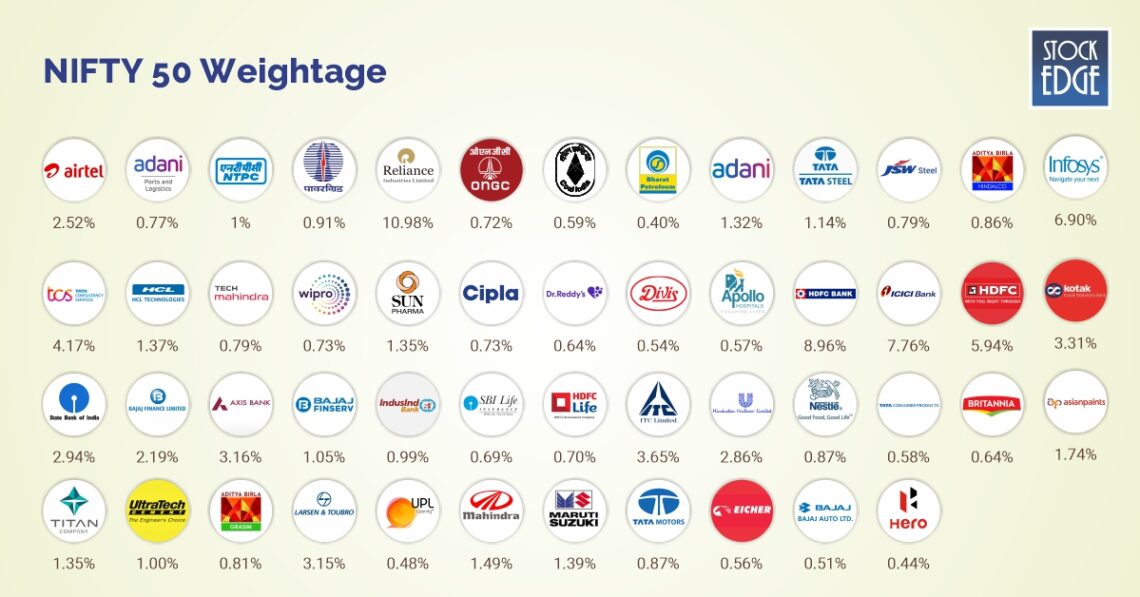
In today’s trading session, the IT sector emerged as one of the major culprits behind the sensex plunge, with leading companies such as Infosys, HCLTech, and TCS experiencing significant declines of between 4% to 7%. The disappointment following Infosys’s quarterly earnings report reflects broader vulnerabilities within the sector, causing investors to reassess their holdings in these firms. Other notable losers included Sun Pharma and ICICI Bank, both of which also recorded declines in the range of 2-4%, showcasing that negative sentiment was pervasive across various sectors.
Conversely, a few stocks managed to retain their ground amid the turmoil. Companies like Trent and Bajaj Finance posted minor gains, suggesting that not all segments of the market were affected equally. This divergence highlights the importance of sector analysis in understanding market movements, as some companies may thrive even when broader indices struggle. Therefore, while many investors reevaluate their strategies following today’s declines, identifying resilient sectors may be key to navigating ongoing market challenges.
Technical Indicators: Market Sentiment and Predictions
From a technical analysis perspective, the recent movement of the Sensex provides significant insight into market sentiment. The substantial drop below key psychological levels is often interpreted as bearish, indicating a potential for further declines if the current trend continues. Market analysts closely monitor the India VIX, which has surged along with Sensex drops, indicating that volatility is at an all-time high. This could suggest that investors are becoming increasingly risk-averse, often leading to further sell-offs.
Nevertheless, some analysts remain hopeful, suggesting that the market could soon find a floor where buying pressure might increase. Should the indices stabilize and the geopolitical situation improve, there could be a rebound as investors seek to take advantage of lower prices. Thus, the current sentiment remains cautious but watchful as traders seek clarity on both local and international fronts.
Rupee Fluctuations and Market Implications
The depreciation of the Indian rupee has become a critical concern for the stock market as it reached a closing rate of 94.2475 against the dollar. This decline marks a hefty fall of 1.4% for the week, underscoring how external factors like geopolitical tensions have profound implications for currency valuations. A weaker rupee can lead to more expensive imports, particularly oil, further exacerbating inflation and economic pressures that influence stock market performance.
For investors, this currency volatility often leads to an assessment of the impacts on corporate profitability and cash flow. Firms that rely heavily on imports may face higher costs, which could erode margins and lead to poorer earnings results. Therefore, understanding the interplay between currency movements and the stock market is essential for making informed investment decisions in these turbulent times.
Investor Strategies During Market Declines
In the face of significant market drops like the Sensex decline observed recently, investors are encouraged to reassess their strategies and consider more defensive positions. Strategies may include diversifying investment portfolios to mitigate risk, seeking sectors that tend to outperform during market downturns, such as consumer staples and utilities, which are less sensitive to economic cycles. Investors might also consider dollar-cost averaging, which allows for gradual exposure to stocks at varied price points, potentially lowering overall investment costs.
Additionally, keeping a close eye on technical indicators and market sentiment can help investors gauge the best entry and exit points. Education on market trends and ongoing global events is crucial; investors who stay informed are more likely to identify opportunities, even in bearish environments. Thus, maintaining a balanced perspective and being prepared for both volatility and recovery plays a pivotal role in effective investment planning.
Future Economic Outlook: Predictions for Sensex and Nifty
Looking ahead, the outlook for the Sensex and Nifty remains uncertain, largely dependent on the resolution of geopolitical tensions and the corresponding impact on oil prices. Economists predict that as stability returns to the global oil market, we may see improved investor sentiment, which could stimulate a recovery in Indian stocks. However, it is essential to monitor economic indicators closely, including inflation rates and foreign investment flows, to navigate the complexities of the current market landscape.
Additionally, analysts will be assessing the potential for policy responses from the Indian government and monetary authority to combat inflation and stabilize currency fluctuations. The prospect of supportive fiscal policies could provide a much-needed boost to investor confidence and drive growth in the Indian stock market. Therefore, while challenges persist, there remains room for cautious optimism regarding potential recoveries.
Frequently Asked Questions
What factors are contributing to the current Sensex decline?
The recent drop in the Sensex can be attributed to several key factors including escalating tensions between Iran and the US, which are raising concerns among investors. Additionally, rising oil prices and a depreciating rupee have heightened market volatility, leading to Foreign Institutional Investors (FIIs) being net sellers. These conditions have created a shaky environment for the Indian stock market, resulting in a notable decline.
How did the Nifty 50 perform in relation to the Sensex today?
Today, the Nifty 50 mirrored the negative trend of the Sensex, slipping over 275 points to close at 23,898. Both indices have witnessed a downturn for three consecutive sessions, reflecting widespread uncertainties in the Indian stock market driven by global economic factors and disappointing earnings reports from major IT companies.
What does the recent volatility in the Sensex indicate for investors?
The recent volatility in the Sensex, highlighted by a significant drop of around 1,000 points, suggests that investors may need to be cautious about their investments in the Indian stock market. The climbing India VIX, which indicates market fear, coupled with negative global cues and high oil prices, means heightened risks for potential market participants.
How are IT stocks affecting the Sensex today?
IT stocks have notably impacted the Sensex today, with leading firms such as Infosys, HCLTech, and TCS dropping between 4-7%. This downturn comes after Infosys’s disappointing Q4 earnings report failed to live up to market expectations, contributing to the broader decline in the Indian stock market.
What is the recent trend of the rupee and how does it relate to the Sensex news?
The Indian rupee experienced its largest weekly drop in over three years, closing at 94.2475, down 1.4%. This decline, driven by concerns over the ongoing Iran conflict and rising oil prices, adds pressure on the Sensex and other indices, as a weaker rupee can negatively affect import costs and corporate profit margins.
What should investors watch for in future Sensex updates?
Investors should keep an eye on geopolitical developments, particularly the Iran-US conflict, as well as global oil prices and their impact on the Indian stock market. Monitoring the performance of key sectors, especially IT and financials, along with upcoming earnings reports, will also be crucial for forecasting future movements in the Sensex.
| Key Points | Details |
|---|---|
| Market Performance | Sensex dropped by 1,000 points to 76,664, and Nifty decreased by over 275 points to 23,898. |
| Market Volatility | India VIX increased by over 6% to 19.72, indicating a jump in market volatility. |
| Key Factors Driving Decline | 1. Tensions between Iran and the US 2. Increasing oil prices 3. Decline of the rupee 4. Net selling by Foreign Institutional Investors (FIIs) 5. Global market pressures 6. Technical analysis |
| Sector Performance | IT stocks notably fell, including Infosys (4-7%), with minor gains in Trent, Bajaj Finance, and SBI. |
Summary
Sensex news today highlights a significant downturn in the Indian stock market, with the Sensex falling by 1,000 points driven largely by global geopolitical tensions and inflationary pressures. This steep decline marks the third consecutive session of losses, fueled by rising oil prices and the performance of key sectors such as IT. Investors are advised to stay vigilant given the ongoing market volatility and external economic factors that may influence future trading sessions.