

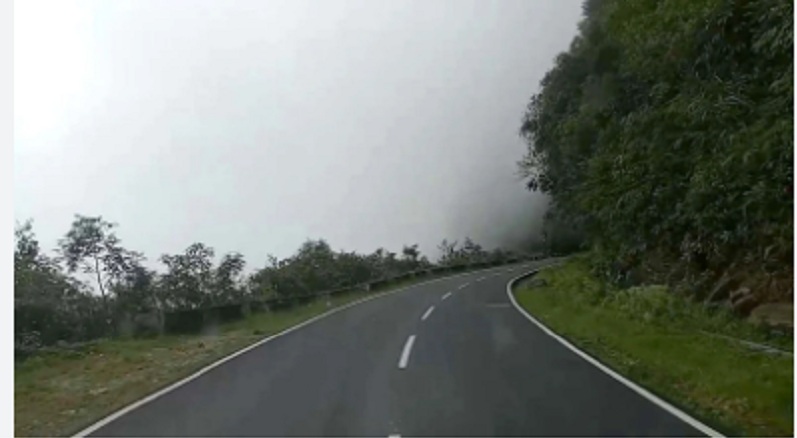
In the scenic landscapes of Meghalaya, the pressing issue of Shillong-Pynursla-Dawki road safety has increasingly become a focal point for both residents and travelers. As road accidents soar in this vital corridor connecting Shillong to the vibrant tourist destination of Dawki, concerns have been raised about the overall safety of the route. VPP leader Shemborlang Rynjah has urged Union Minister Nitin Gadkari to take decisive action to address the perilous conditions that have led to numerous fatalities, putting a strain on Meghalaya road safety. With reports indicating significant risks such as landslides and inadequate infrastructure, the current state of the Shillong-Pynursla-Dawki road poses serious hazards not just to local commuters but also to the tourism sector, which relies heavily on safe passage to thrive. In light of these ongoing challenges, it is critical to advocate for immediate measures to ensure the safety and well-being of all who travel this essential route.
The ongoing dialogue about road safety in Meghalaya highlights the urgent need to focus on the overall safety measures along the Shillong-Pynursla-Dawki route. Recent accidents involving local vehicles have amplified calls for streamlined responses from authorities, particularly concerning the risks associated with construction and natural hazards. Activists and local leaders emphasize that the roads not only serve as conduits for daily commuting but also play a pivotal role in promoting Dawki tourism, which has been adversely affected by safety issues. As discussions unfold about the implications of these road conditions, particularly in light of increasing traffic concerns and the tragic loss of lives, it becomes imperative to pave the way for effective solutions that prioritize both safety and community connectivity.
Addressing Shillong-Pynursla-Dawki Road Safety Concerns
The Shillong-Pynursla-Dawki road is one of the crucial arteries linking Shillong, the capital of Meghalaya, to the scenic vistas of Dawki. Over recent years, however, this vital route has fallen prey to a rise in unsafe conditions, leading to numerous road accidents. Voice of the People Party leader Shemborlang Rynjah has raised pertinent issues regarding the mounting fatal incidents along this road, calling for urgent intervention from Union Minister Nitin Gadkari. As the region’s tourism flourishes, highlighted by attractions like Shnongpdeng and Mawlynnong, ensuring the safety of this route has never been more critical for both locals and visitors alike.
Given the alarming number of accidents due to landslides, falling boulders, and unsafe road conditions, a systematic response is essential. Recent tragedies, where lives were lost due to negligence in road maintenance and construction, spotlight the urgent need for improved safety measures. Rynjah’s appeal for a thorough road safety audit reflects a growing concern that, if left unaddressed, could lead to further loss of life and deter tourism—a sector that holds significant economic promise for Meghalaya. The weight of ensuring that travelers navigate this route safely cannot be overstated as it intertwines deeply with the right to life and secure passage.
The Economic Impact of Road Safety in Meghalaya
Meghalaya’s economy, particularly in the East Khasi Hills, is heavily reliant on transport connectivity for tourism and local trade. The Shillong-Pynursla-Dawki road not only facilitates access to key tourist destinations but also serves as a lifeline for local residents needing reliable transport for goods and services. However, the increasing incidents of road accidents and unsafe passages are causing significant economic disruptions. As highlighted by Shemborlang Rynjah, the potential decrease in tourist visits due to these safety concerns could have ripple effects throughout the local economy, affecting livelihoods that depend on visitor spending.
Moreover, the systemic failures in addressing road safety have been compounded by challenges in roadside infrastructure, such as inadequate signage and lack of proper safety barriers. The implications extend beyond mere inconvenience; they place local communities at risk, particularly during emergencies when timely medical response is critical. Thus, improving safety along the Shillong-Pynursla-Dawki road is not just a matter of enhancing infrastructure but of safeguarding the economic well-being and safety of the entire region.
Union Minister Nitin Gadkari’s Role in Enhancing Road Safety
As the Union Minister of Road Transport and Highways, Nitin Gadkari holds a pivotal position in transforming the state of road safety in India, particularly in regions like Meghalaya. His attention to the increasing fatality rates along the Shillong-Pynursla-Dawki road is imperative in rallying support and funding for urgent repairs and enhancements. The call from VPP leader Shemborlang Rynjah emphasizes the pressing need for the central government to intervene and allocate resources necessary for a comprehensive road safety audit and upgrading of existing infrastructures, such as crash barriers and proper signage.
Gadkari’s proactive measures could also lead to regulatory changes that enforce stricter compliance with safety standards under the Motor Vehicles Act 1988. Strengthening the accountability of construction contractors during road repairs could ensure reduced risks of negligence that leads to tragic accidents. Enhanced oversight and regular audits, as recommended by Rynjah, would not only bolster public safety on the Shillong-Pynursla-Dawki road but also enhance the credibility of the government in addressing road safety issues more effectively.
Preventing Shillong Road Accidents through Strategic Measures
The alarming rise in Shillong road accidents highlights the urgent need for strategic measures to mitigate risks. Leaders like Shemborlang Rynjah are advocating for a multi-faceted approach that includes conducting road safety audits and instituting regular monitoring systems at critical points along the Shillong-Pynursla-Dawki route. Prioritizing safety through enhanced signage, adequate lighting, and enforced construction regulations during adverse weather conditions could significantly lower the chances of accidents caused by natural hazards, such as landslides.
Furthermore, establishing dedicated emergency response systems could save lives by ensuring that prompt medical assistance is available for accidents that do occur. The framing of policies that address safety on this route showcases a broader recognition of the need for proactive measures. By implementing stringent regulations and investing in safety infrastructure, Meghalaya can bolster traveler confidence and ensure a secure passage, ultimately preserving the essential societal functions and tourism appeal that this road supports.
The Future of Tourism Along the Shillong-Pynursla-Dawki Road
Tourism is a vital industry in Meghalaya, and the Shillong-Pynursla-Dawki road is integral to maintaining access to some of the state’s most picturesque locations. However, ongoing safety concerns threaten to undermine this sector. With reports of accidents scaring off potential visitors, it is critical to reassess the infrastructure and safety measures in place. The appeal by VPP leader Shemborlang Rynjah to Nitin Gadkari is a call not only for remedial action but also for a visionary plan to revitalize tourism, focusing on sustainable travel through safe routes.
Future tourism in Meghalaya hinges on the government’s ability to showcase its commitment to safety and risk management. Developing enhanced road conditions, making the delivery of road maintenance a priority, and engaging local communities in these transformations could pave the way for a more robust tourism framework. By committing to these improvements, Meghalaya can ensure that its natural beauty continues to captivate travelers while securing jobs and economic growth in the region.
Regulatory Changes for Safer Roads in Meghalaya
Meghalaya’s increasing road safety issues have highlighted the substantial need for regulatory changes that address ongoing construction projects on critical routes such as the Shillong-Pynursla-Dawki road. Shemborlang Rynjah has pointed out that many of these regulations, particularly those outlined in the Motor Vehicles Act and Indian Road Congress standards, are not adequately enforced. Strengthening these regulations to ensure compliance among contractors can significantly reduce the risks associated with road construction and maintenance.
Additionally, timely and systematic audits of ongoing projects can help identify potential hazards before they result in accidents. By promoting a culture of safety through clear guidelines and accountability, the government can safeguard the rights of individuals traveling on these roads. A proactive legislative approach can catalyze improvements not only in road safety itself but also in overall transportation efficiency, which is crucial for the socio-economic development of Meghalaya.
Community Involvement in Road Safety Initiatives
Community engagement is critical in addressing road safety issues on the Shillong-Pynursla-Dawki road. By involving the local populace in discussions surrounding road safety measures, the government can leverage grassroots insights and foster a culture of accountability among transport agencies. Shemborlang Rynjah’s call for reform and enhanced safety standards underscores the necessity of integrating community voices into the decision-making processes regarding road safety. Effective communication between government bodies and local communities ensures that safety measures are tailored to the specific needs and conditions of the area.
Moreover, local communities can play a proactive role in monitoring road conditions and reporting hazards to authorities promptly. Such collaboration can lead to quicker responses to emerging issues, reducing the risk of accidents due to negligence. Through advocacy and community-led initiatives, residents can push for improvements in safety and infrastructure that directly affect their lives. Engaging the community in road safety discourse can build a stronger, more resilient system where citizens feel empowered to act for their safety and the wellbeing of their fellow travelers.
Emergency Response Measures for Shillong Road Safety
Implementing robust emergency response measures along the Shillong-Pynursla-Dawki road is fundamental to ensuring traveler safety, especially given the frequent road accidents. Shemborlang Rynjah’s emphasis on establishing dedicated response systems highlights the need for rapid medical assistance in the event of accidents. Comprehensive emergency plans should include access to first responders trained in handling road-related injuries, ensuring that they can arrive quickly and provide immediate care when accidents occur.
In addition to preparedness, creating awareness among travelers about safety protocols and emergency contacts can enhance overall road safety. Educational campaigns highlighting safe driving and the importance of adhering to traffic regulations can empower drivers and passengers alike. Local authorities and road safety organizations should collaborate to distribute materials that inform the public about existing hazards along the route and instruct them on proper emergency responses. By taking these actions, Meghalaya can create a safer environment that protects lives and encourages responsible travel behavior.
Long-Term Strategies for Sustaining Safe Travel in Meghalaya
Ensuring long-term safety along the Shillong-Pynursla-Dawki road requires a comprehensive approach that includes consistent monitoring, assessment, and enhancement of road conditions. The government’s commitment to investing in infrastructure, as urged by Shemborlang Rynjah, is essential for mitigating the dangers that currently plague this crucial travel route. Establishing maintenance schedules and systematic inspections can proactively identify areas that require repairs or upgrades, thereby sustaining safe travel.
Engaging with relevant stakeholders, including local communities and NGOs, can also provide valuable insights into long-term safety initiatives. By fostering partnerships aimed at improving road conditions and raising awareness about safety concerns, Meghalaya can sustainably manage travel risks. Establishing clear communication channels allows for ongoing dialogue about road safety, enabling adaptive strategies that evolve with changing conditions and needs. Ultimately, a commitment to maintaining safety over the long term will help protect the lives of travelers and preserve the economic potential of this vital roadway.
Frequently Asked Questions
What measures are being proposed for improving Shillong-Pynursla-Dawki road safety?
In response to the alarming rate of accidents along the Shillong-Pynursla-Dawki road, Meghalaya’s VPP leader Shemborlang Rynjah has called on Union Minister Nitin Gadkari to implement urgent safety measures. These include conducting an independent road safety audit, installing safety infrastructure such as crash barriers and retaining walls, enhancing road signage and lighting, and better managing construction activities. By addressing these issues, the overall safety of travelers on this vital route can be significantly improved.
| Key Points | Details |
|---|---|
| Concerns Raised | Shemborlang Rynjah urges Nitin Gadkari to address road safety issues. |
| Increasing Fatalities | At least ten lives lost since 2023 due to unsafe conditions. |
| Current Risks | Accidents due to landslides, falling boulders, and poor road conditions. |
| Impact on Tourism | Safety issues affect visitor numbers and local economy. |
| Recommendations | Immediate road safety audit, installation of safety infrastructure, and faster project completion requested. |
Summary
Shillong-Pynursla-Dawki road safety is a pressing concern that urgently needs attention due to the increasing number of accidents and hazardous conditions affecting this crucial route. As highlighted by VPP leader Shemborlang Rynjah, the safety of travelers on this road has deteriorated significantly, particularly in the context of ongoing construction works and geological instabilities, such as landslides and falling rocks. The recent tragic loss of lives serves as a stark reminder of the dangers that lie along this road. In addition to posing critical risks to human life, these safety issues hamper tourism and local economic activities, further urging the need for a swift and comprehensive response from authorities. It is essential to prioritize safety measures, improve road infrastructure, and implement effective monitoring systems to protect both locals and visitors utilizing the Shillong-Pynursla-Dawki road.



























