Plants for privacy offer an inviting solution to create seclusion in your outdoor space, allowing you to enjoy your garden without prying eyes from neighbors. Tired of feeling exposed while grilling or lounging on your back porch? With the best privacy plants, such as fast-growing privacy trees and lush shrubs for privacy, you can transform your backyard into a serene retreat. Not only do these natural barriers provide a beautiful aesthetic, but they also enhance your landscape design while serving practical purposes. Instead of spending money on a fading wooden fence, consider landscaping for privacy with vibrant greenery that grows and breathes life into your environment.
When it comes to establishing personal space in your yard, natural foliage serves as an effective alternative to traditional fencing. Instead of relying on stark barriers, integrating greenery such as hedges and tall trees can create an intimate atmosphere that enhances your living environment. Utilizing quick-growing varieties can provide instant coverage, while well-placed shrubs and ornamental plants can soften the overall look of your garden. Embracing living borders helps not only to delineate your property but also adds value and charm to your landscape, making it more inviting for relaxation and activities.
Top Plants for Privacy Solutions
When it comes to creating a private sanctuary in your backyard, choosing the right plants for privacy is essential. Fast-growing privacy trees like Leylandii and Green Giant arborvitae not only act as effective barriers but also enhance the aesthetic of your outdoor space. Leylandii is famed for its rapid growth rate, capable of reaching heights of up to three feet per year, making it a practical choice for anyone looking to quickly establish a green wall. These dense, evergreen trees will provide excellent coverage, blocking out views from neighboring properties, while remaining a visual delight throughout the year.
In addition to their speed, these trees are low-maintenance once established. The Green Giant arborvitae is particularly renowned for its resilience and longevity, thriving in various soil conditions while maintaining its vibrant green foliage. Not only do they offer a solid privacy solution, but they also absorb noise and wind, making your backyard a tranquil retreat away from the bustling outside world. Pair these towering beauties with intermediate shrubs or evergreens like Photinia and Laurel for a layered effect that enhances both privacy and visual interest.
Best Fast Growing Privacy Trees
Fast-growing privacy trees can transform a yard from exposed to enclosed in a remarkably short time. Trees like the Leylandii and Green Giant not only grow quickly but also provide substantial coverage that can effectively mask your outdoor activities from prying eyes. These trees can reach impressive heights in no time, establishing a lush, green barrier that surpasses traditional wooden fences in both style and functionality. For homeowners seeking immediate relief from nosy neighbors, investing in these fast-growing varieties can create a privacy shield without the long wait associated with slower-growing plants.
Moreover, fast-growing trees are perfect for residents looking to enhance their property’s value. Not only do they offer a practical solution for privacy, but they also add curb appeal, creating a welcoming environment that is both beautiful and functional. With the right care and placement, these trees can yield a flourishing green space that combines the best of both worlds – seclusion and aesthetics. By selecting trees specifically suited for your local climate, you can ensure a thriving landscape that remains lush for years to come.
Creating Backyard Privacy with Shrubs
When considering landscaping for privacy, shrubs are an excellent option that combine functionality with beauty. Varieties like Photinia and Euonymus not only serve as natural barriers but also bring vibrant colors and textures to your garden. Photinia’s striking red leaves emerge in spring, quickly maturing into a rich, attractive display that can captivate any visitor. This evergreen shrub retains its foliage year-round, ensuring your privacy is not compromised by seasonal changes.
Similarly, Euonymus is a superb choice for smaller spaces, offering compact growth while still providing adequate cover. Its versatility allows it to fit seamlessly into different garden styles, from modern to traditional. The addition of shrubs to your yard can soften the look of hardscapes and create a lush, inviting atmosphere. By strategically placing these plants along your boundaries, you can enjoy both the aesthetic benefits and a significant boost in privacy, making your outdoor area a more enjoyable place to relax and entertain.
Landscaping Ideas for Ultimate Privacy
Landscaping for privacy can be creatively approached by blending trees, shrubs, and unique plant arrangements. Consider softening sharp fence lines with layered plantings that integrate fast-growing trees like Leylandii in the back and a blend of vibrant shrubs in the front. This approach not only creates a more appealing visual compartment within your yard but also fosters a diverse ecosystem that attracts birds and other wildlife.
Incorporating ground covers and perennials can enhance these privacy screens further, filling in spaces that trees and shrubs may leave bare. By designing a flowing landscape that prioritizes privacy, you invite a natural ambiance that welcomes tranquility to your home environment. Adding features such as garden paths or seating areas amid these lush privacy screens can make your backyard feel even more inviting while giving you the seclusion you desire.
The Benefits of Using Plants for Privacy
Opting for plants for privacy comes with a host of benefits beyond mere visual shielding. Firstly, green barriers such as trees and shrubs provide a natural habitat for various wildlife, promoting biodiversity in your garden. While wooden fences may create a stark separation between properties, living walls foster connectivity to nature, while still offering the seclusion you crave. Furthermore, plants improve air quality, producing oxygen and filtering pollutants, which can enhance your overall living environment.
Additionally, using plants as a privacy solution can lead to lower energy costs. A strategically placed row of trees can block wind and reduce the heat of direct sunlight, making your home more energy efficient. This not only saves you money on heating and cooling bills but also contributes to a more sustainable lifestyle. The visual appeal and positive environmental impact make plants an ideal choice for anyone looking to enhance their outdoor space while maintaining their privacy.
Choosing the Right Plants for Your Space
Choosing the right plants for privacy depends on your unique space, soil conditions, and sunlight availability. For those with limited yard space, compact plants like Euonymus provide excellent coverage without overwhelming your garden. If you have ample space and time to maintain larger varieties, opting for fast-growing trees such as Leylandii can result in a quick transformation of your property’s privacy. Understanding your yard’s microclimates will also help in selecting plants that thrive and stay vibrant year-round.
Moreover, consider the mature size and growth rate when selecting privacy plants. This foresight will prevent overcrowding and ensure that the plants not only serve their purpose but also contribute positively to the overall aesthetics of your garden. Mixing various species for a more dynamic look can also play a role in decision-making; textures and colors can enhance visual interest while maintaining the privacy barrier you desire. Engaging with a local nursery can provide additional insight into selecting the ideal plants suited for your gardening style and regional climate.
Maintaining Your Privacy Plants
Maintaining your privacy plants is crucial in ensuring their longevity and effectiveness. Regular pruning helps manage growth and retains the desired shape and size of trees and shrubs in your landscape. It’s advisable to familiarize yourself with the specific pruning needs of the plants you choose, as various species may require different techniques and timelines for optimal health. For instance, fast-growing trees like Leylandii may require more frequent trimming to control their rapid growth.
Additionally, proper watering and fertilization based on the plants’ seasonal needs will also play an important role in maintaining their health. Researching the specific requirements of your chosen privacy plants, such as sunlight and moisture levels, will contribute significantly to their success. A well-cared-for living privacy wall will enhance your backyard, providing a refuge where you can enjoy your outdoor activities undisturbed, while also adding value and beauty to your property.
Transforming Your Outdoor Space with Privacy Plants
Transforming your outdoor space into a private oasis can be achieved through the thoughtful selection and arrangement of privacy plants. By utilizing fast-growing trees like Green Giant and fastidious shrubs such as Laurel and Photinia, you can create a lush background that not only conceals but enhances your outdoor experience. The incorporation of these plants fosters a serene environment perfect for unwinding after a long day or entertaining guests without the worry of onlookers.
The transition to a plant-based privacy solution allows for flexibility in design; you can choose to mix heights and varieties, ensuring a vibrant and engaging landscape all year round. Integrating privacy plants with other elements of landscaping—such as pathways, patios, and garden furniture—will create a cohesive outdoor arrangement that feels personal and inviting. Ultimately, the transformation will result in a private area where you can truly enjoy your home and the outdoors.
Frequently Asked Questions
What are the best privacy plants for creating a natural barrier in my backyard?
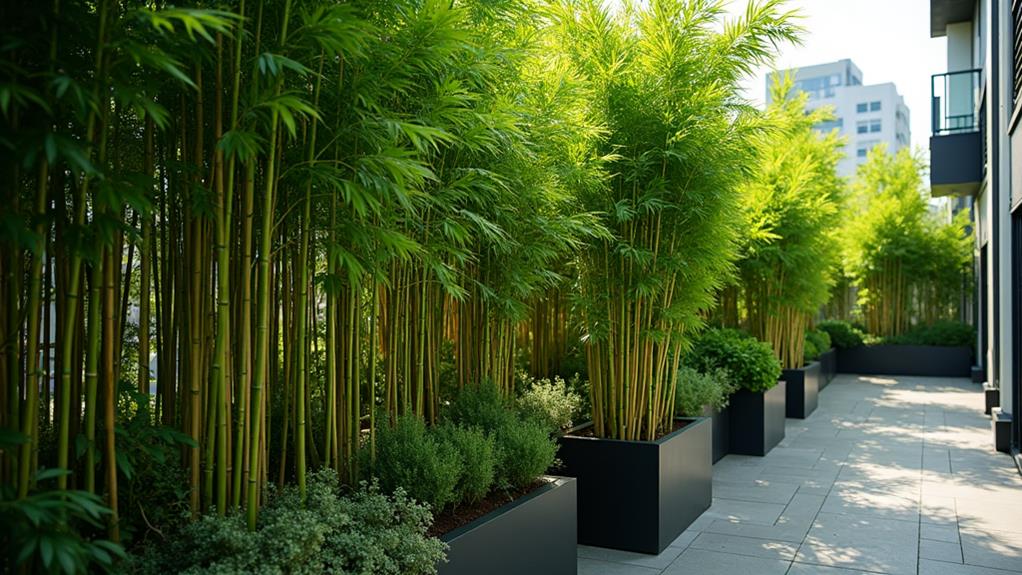
When looking for the best privacy plants, consider options like laurel, which grows fast and can reach up to 10 feet. Photinia offers vibrant red foliage in spring, while Euonymus is perfect for smaller spaces. Pittosporum provides a sleek look, and Fargesia bamboo is a great non-invasive choice. Leylandii grows rapidly at 3 feet per year, and Green Giant arborvitae creates a tall, dense screen. These plants not only enhance privacy but also beautify your landscape.
| Plant Name | Description | Growth Rate | Height | Maintenance Level |
|---|---|---|---|---|
| Laurel | Fast-growing with glossy green leaves; can be trimmed or left natural. | Fast | Up to 10 feet | Moderate |
| Photinia | Bright red new leaves; evergreen and reliable. | Fast | Varies; usually 6-10 feet | Moderate |
| Euonymus | Compact evergreen suitable for limited spaces; comes in several colors. | Moderate | About 6 feet | Low |
| Pittosporum | Elegant, low-maintenance plant with delicate leaves. | Moderate | Varies; usually around 6-8 feet | Low |
| Fargesia | Clump-forming bamboo, non-invasive with lush foliage. | Moderate | Varies; usually 4-8 feet | Low |
| Leylandii | Fast-growing, dense screen; requires trimming. | Very fast (up to 3 feet per year) | Varies; can exceed 15 feet | Moderate-High |
| Green Giant | Tall, dense arborvitae; good for large spaces. | Fast | Up to 60 feet | Low |
Summary
Plants for privacy are an excellent solution for homeowners seeking to create a peaceful outdoor space free from prying eyes. Incorporating greenery, such as laurel, photinia, or the striking Green Giant arborvitae, can dramatically improve your backyard ambiance while adding natural beauty. Unlike traditional wooden fences, these living screens not only provide an effective barrier but also enhance the overall aesthetic of your home, allowing you to enjoy your outdoor activities without discomfort. With their diverse options, from low-maintenance plants like Euonymus to fast growers like Leylandii, the right plants for privacy can transform your yard into a serene sanctuary.