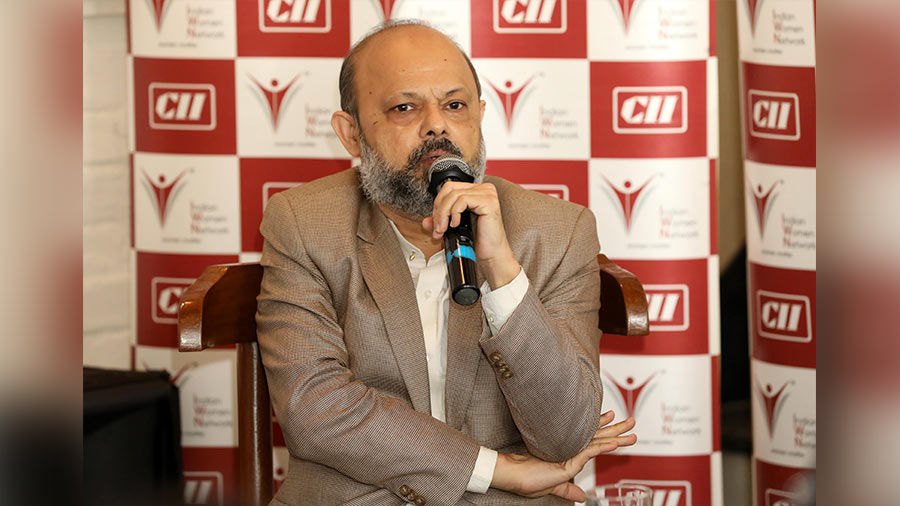
In a surprising turn of events, Kishore Datta resigns from his role as the Advocate General of West Bengal, a position he held for two non-consecutive terms. This significant political shift comes as Datta submitted his resignation to Governor RN Ravi, marking the end of a notable chapter in West Bengal politics. Initially appointed in 2017, Datta’s tenure was defined by high-stakes legal battles and his representation of the state in complex cases, including issues around post-poll violence. His resignation adds to the ongoing saga of legal leadership changes in the region, particularly as the BJP government in West Bengal prepares for a new cabinet formation. As details unfold, Kishore Datta news continues to generate interest among citizens and politicians alike, reflecting the dynamic nature of governance in the state.
The announcement of Kishore Datta’s resignation from his position as the chief legal advisor of West Bengal signifies yet another pivotal moment in the state’s judicial landscape. Known for his expertise in handling critical legal issues, Datta’s exit reverberates through the corridors of West Bengal’s political arena, particularly amidst heightened scrutiny and challenges faced by the current administration. His decision follows a brief but tumultuous tenure aimed at navigating complex legal precincts, including contentious electoral matters. As the state’s legal team anticipates a new appointment, this departure underscores the fluidity of roles within West Bengal’s governance, especially in light of the recent changes ushered in by the BJP-led administration. The implications of this resignation will likely resound across future legislative strategies and legal interpretations in the region.
Kishore Datta Resigns: Implications for West Bengal Politics
The resignation of Kishore Datta from the post of Advocate General of West Bengal marks a significant development in the state’s political landscape. His first tenure from February 2017 to September 2021 was characterized by representation in high-profile cases, including those surrounding post-poll violence and the Narada sting operation. Datta’s legal strategies and decisions during critical moments shaped the narratives that unfolded in West Bengal politics. With his departure, questions arise regarding the direction the state will take in its ongoing legal battles and the administration’s ability to tackle emerging issues.
As West Bengal approaches a transition in its governance, particularly with the BJP government taking oath soon, Datta’s exit highlights the volatility within the legal apparatus that supports the state’s administration. The Advocate General plays a pivotal role in shaping legal frameworks and advising the government on significant jurisprudential matters. Therefore, his resignation not only opens the door for a new advocate general but may also usher in changes that will affect ongoing and future legal matters tied to the state’s political maneuvers, especially under BJP leadership.
The Role of the Advocate General in West Bengal Governance
The Advocate General serves as the principal legal advisor to the state government in West Bengal, providing counsel on various legal matters and representing the state in court. This role is vital, particularly given the state’s complex political landscape and the myriad challenges posed by legal proceedings. In recent years, cases like the Narada sting operation and incidents of post-poll violence have required strong legal representation, which Datta provided. His expertise was seen as crucial in navigating the legal intricacies that often accompanied politically charged cases.
With the imminent change in leadership following Kishore Datta’s resignation, the new Advocate General will need to step into this significant role and manage the legal implications of West Bengal politics under a BJP government. This change is expected to affect not just the state’s legal battles but also the broader political narrative centering around governance and accountability. The selection process for Datta’s successor will likely take into consideration the current political climate and the need for a strong legal figure capable of upholding the state’s interests amidst evolving scenarios.
Future Challenges for West Bengal’s Legal Framework
Kishore Datta’s resignation has sparked discussions about the future challenges facing West Bengal’s legal framework. The ongoing legal battles and the outcomes of various court decisions will significantly influence the state’s governance, especially under new political leadership. The importance of a well-qualified Advocate General cannot be understated, as this individual will need to navigate complexities that may arise from heightened political scrutiny and the potential for more adversarial legal proceedings.
As the BJP government prepares to assume its responsibilities, understanding the legal hurdles that lie ahead will be essential for effective governance. The new Advocate General will have to address pressing issues like public safety, regulatory compliance, and political dissent while balancing the demands of the judiciary. Therefore, the resignation of Datta may be a pivotal moment that sets the tone for how West Bengal’s future legal battles will be shaped and handled.
Significance of Kishore Datta’s Tenure
Kishore Datta’s tenure as Advocate General of West Bengal was marked by notable legal representation and involvement in critical legal battles that defined the state’s political contours. His ability to navigate complex legal scenarios during contentious times played a significant role in shaping the narrative around various political issues, including controversies stemming from the 2021 elections. The legal frameworks established during his terms have had lasting implications, setting precedents for how the state approaches legal disputes.
Moreover, Datta’s dual tenure signifies the ongoing instability and transitional leadership in West Bengal’s legal landscape. His resignation comes at a time when the state is undergoing significant shifts in governance, making it imperative for his successor to build on the legal groundwork laid during his term. The importance of continuity in legal representation cannot be overstated, especially in a politically dynamic environment where changes in leadership can lead to shifts in policy and legal strategy.
Expectations from the New Advocate General
As West Bengal prepares to appoint a new Advocate General following Kishore Datta’s resignation, expectations are high regarding the candidate’s ability to address pressing legal issues and provide sound counsel to the incoming BJP government. The new AG will have to step into the role with a strong understanding of the state’s legal challenges and be well-versed in navigating the complexities of West Bengal politics. Anticipation surrounds whether the new appointment will foster a more collaborative relationship between the government and judiciary, especially in light of recent court rulings that have posed challenges to the state’s administration.
Stakeholders within West Bengal’s political framework are keenly observing the selection process, as the new Advocate General’s approach will potentially impact forthcoming legal decisions and policy implementations. It will be essential for the candidate to bring a balanced perspective that ensures compliance with legal mandates while effectively representing the state’s interests in ongoing litigation. As the political landscape shifts, the legal strategies adopted by the new AG will be crucial in addressing the evolving dynamics of governance in West Bengal.
Kishore Datta and the Calcutta High Court
Kishore Datta’s role as Advocate General has been significantly intertwined with proceedings in the Calcutta High Court, where several high-profile cases have emerged. His representation in pivotal issues such as post-poll violence and the Narada sting operation has showcased the delicate balance between political mandates and judicial scrutiny. Under Datta’s guidance, the state managed to present its arguments articulately, although the court’s adverse rulings often highlighted the contentious nature of political operations in West Bengal.
With the resignation of Datta, there is speculation about how the new Advocate General will interact with the judiciary, especially considering the recent adverse trends observed by the Calcutta High Court. The upcoming leadership will need to address unresolved legal issues while adhering to the principles upheld by the court, ensuring that West Bengal’s governance remains aligned with constitutional mandates. This transitional phase presents an opportunity for the new AG to redefine the state’s legal strategy and strengthen its engagement with judicial institutions.
The Impact of Legal Representation on State Governance
The role of legal representation in state governance cannot be underestimated, particularly in politically charged environments like West Bengal. Kishore Datta’s tenure as Advocate General exemplified how legal counsel can influence the course of political events and public policy. His decisions and legal strategies were pivotal during crucial moments, directly impacting government responses to legal challenges faced by the state. The Advocate General’s office acts as a linchpin, ensuring that legal frameworks are respected while also providing a buffer against potential legal turmoil.
As West Bengal transitions to new leadership, the appointment of a new Advocate General represents both a challenge and an opportunity. The legal landscape will inevitably begin to shift as new perspectives and strategies emerge, particularly under the BJP government’s influence. The new AG will have the critical task of developing proactive legal approaches while responding effectively to the evolving needs of state governance and maintaining the integrity of legal processes.
Political Reactions to Datta’s Departure
Kishore Datta’s resignation has triggered a range of reactions across the political spectrum in West Bengal. Political leaders and parties are articulating their viewpoints, with some expressing concern over the implications of his departure for the stability of legal oversight in the state. The opposition parties, in particular, are keenly scrutinizing the impact of this change, framing it within the broader narrative of governance and accountability under the outgoing party administration.
Conversely, within the ruling party, there are sentiments of renewed optimism regarding the appointment of a new Advocate General who may align more closely with the objectives of a BJP-led government. The political dynamics surrounding Datta’s resignation are reflective of the tumultuous nature of West Bengal politics, where legal and political interests frequently intersect. As all parties prepare for the new political landscape, the implications of Datta’s exit will continue to reverberate through the state’s governance discussions.
The Process of Appointing a New Advocate General
Following Kishore Datta’s resignation, the process of appointing a new Advocate General in West Bengal will be critical to ensuring continuity in legal representation for the state government. The procedure involves recommendations from the ruling party and an official appointment made by the Governor. This process is particularly vital now, as the BJP government prepares to take over the reins of governance. There are expectations that the new AG will not only be a legal expert but also someone who understands the political landscape and can navigate it effectively.
In light of the recent court judgments impacting the state’s political and legal strategies, the selection of the new Advocate General will significantly influence future legal proceedings and policy decisions. Both the government and stakeholders from various sectors are watching closely, knowing that the appointee’s approach will resonate across the state’s broader legal and political frameworks, potentially reshaping how West Bengal addresses existing challenges under the new government.
Frequently Asked Questions
Why did Kishore Datta resign as the West Bengal Advocate General?
Kishore Datta has resigned from his position as the Advocate General of West Bengal, reportedly submitting his resignation to Governor RN Ravi. This decision marks the end of his second tenure in this role, which began on December 16, 2023. His resignation follows a history of significant legal challenges the state has faced, including cases of post-poll violence and the Narada sting operation. The reasons for his resignation have not been publicly detailed, but it comes amidst a period of political transitions in West Bengal.
| Key Point | Details |
|---|---|
| Resignation | Kishore Datta resigned as Advocate General of West Bengal submitting his resignation to Governor RN Ravi. |
| Tenure | This resignation marked the end of Datta’s second term. |
| Previous Term | Datta was first appointed in February 2017 and served until September 2021. |
| Resignation Reason | In September 2021, he resigned for personal reasons after the previous Assembly election. |
| Return to Office | He returned to the position on December 16, 2023, after Soumendranath Mukhopadhyay’s short tenure. |
| Recent Context | Mukhopadhyay’s resignation occurred amid adverse court rulings for the state government. |
| Next Steps | The appointment process for a new Advocate General will start after the new BJP-led Cabinet is sworn in. |
| Legal Office Changes | Datta’s exit highlights the instability in the state’s top legal position with frequent transitions. |
Summary
Kishore Datta resigns from the position of Advocate General of West Bengal, marking yet another significant change in the state’s legal hierarchy. His resignation comes after a period marked by critical legal challenges and transitions, reflecting an ongoing reshuffle in key governmental roles. Appointed first in February 2017 and returning to the position in December 2023, Datta has weathered tumultuous political climates and legal battles, including notable cases surrounding post-poll violence. His departure follows the short-lived term of his predecessor, and underlines the necessity for stability and consistency in the state’s legal framework. As the state prepares to appoint a new Advocate General, this resignation opens the floor for potential shifts in legal strategy and governance in West Bengal.