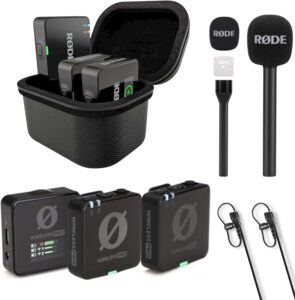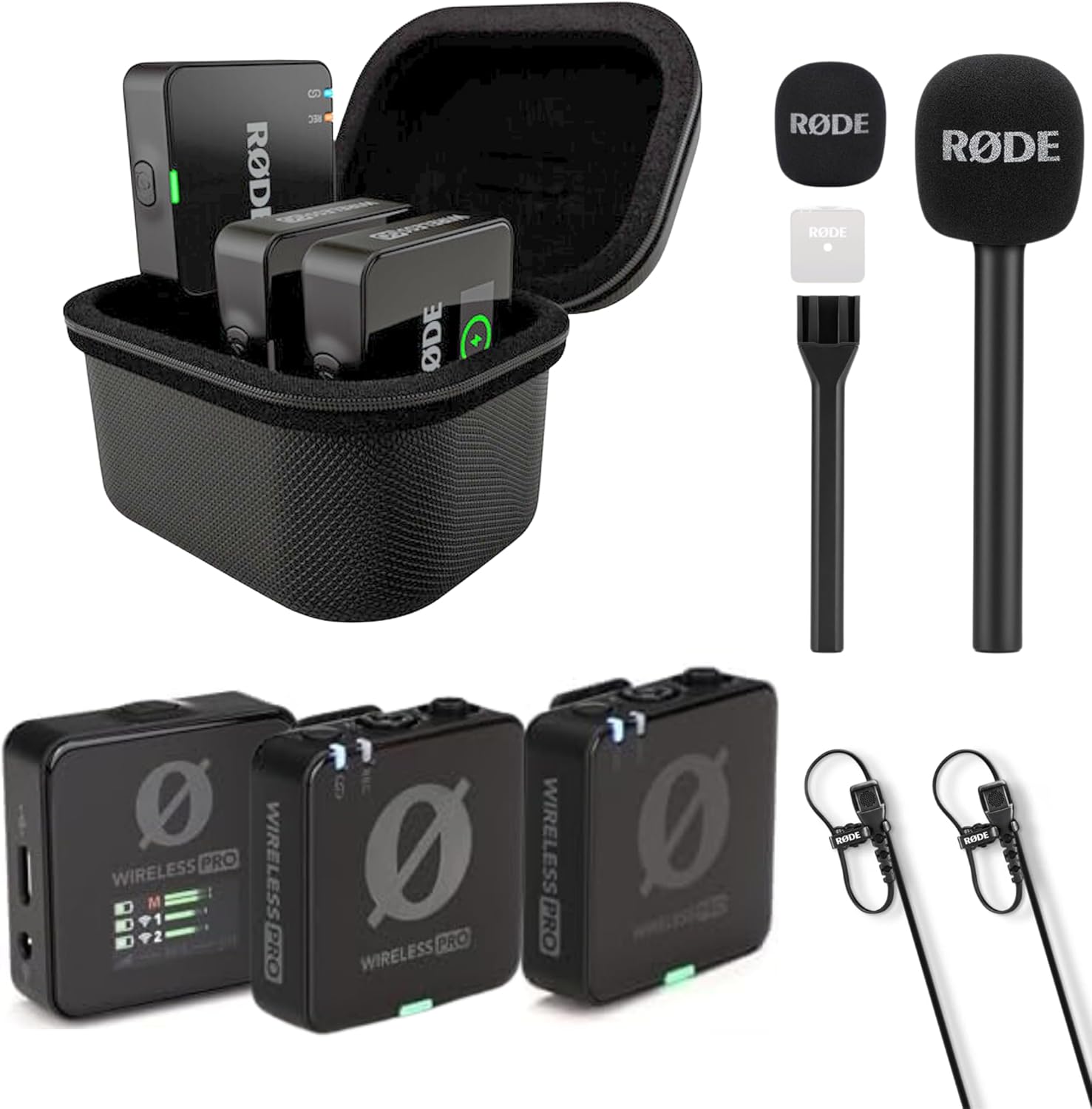
The Charlie Kirk microphone theory has recently gained attention as Candace Owens asserts that newly enhanced images of black shards—discovered inside the SUV transporting Kirk—corroborate her claim that his RODE Wireless Pro microphone exploded. This theory, posited during a recent episode of Owens’ show, hinges on specific white markings present on the fragments, purportedly aligning with the microphone’s branding. In her analysis, she drew parallels to a YouTube video showcasing a dismantled RODE mic, suggesting that the manner in which it breaks apart supports her hypothesis. However, it’s essential to note that investigators have yet to validate these findings or establish a direct connection between the shards and the microphone. With the backdrop of the controversial Charlie Kirk SUV incident, this ongoing discourse drives intrigue and speculation within the community.
The discussion surrounding the alleged explosion of a microphone associated with Charlie Kirk has become a focal point for conspiracy theories and investigative claims. In particular, new evidence presented by Candace Owens—concerning mysterious black shards found in the vehicle used by Kirk—has rekindled interest in this narrative. Owens’ assertion that these shards might link to a malfunctioning microphone challenges the prevailing understanding of the incident and raises questions about the implications of the forensic evidence. The notion that a wireless microphone could play a role in such critical events underscores the evolving landscape of narratives surrounding Kirk’s situation. As debate heats up, many are delving deeper into this microphone incident, with implications that could reshape the discussions around safety and technology in high-stakes environments.
Candace Owens Highlights White Markings on SUV Shards in the Charlie Kirk Case
In a compelling discussion on her show, Candace Owens has drawn attention to what she describes as crucial evidence in the ongoing investigation into Charlie Kirk’s incident. She referenced the recent findings of black shards inside the SUV that transported Kirk, notably pointing out the visible white markings that seem to match the branding of the RODE Wireless Pro microphone. This observation, she argues, could indicate that the fragments are indeed connected to the microphone, bolstering her explosive theory. The implications of this claim are significant, raising questions about the nature of the incident and whether an equipment malfunction could have played a role in the events surrounding Kirk’s assassination attempt.
Owens’ assertion that these shards may correlate with the microphone design is particularly provocative. She supports her reasoning through a detailed comparison with a YouTube video showcasing a destroyed RODE microphone, emphasizing that such visible details lend weight to her theory. Despite the mainstream narrative, which remains skeptical regarding the connection between the shards and the RODE Wireless Pro, Owens maintains a steadfast position. Her arguments reflect a broader skepticism towards official narratives, which resonate with audiences who seek alternative explanations for high-profile incidents.
Charlie Kirk Microphone Theory Receives an Additional Comparison Test
The recent surge in discussion about Charlie Kirk’s case has been invigorated by new claims regarding his RODE Wireless Pro microphone. Candace Owens referenced a YouTube video in which a content creator disassembled a similar microphone, illustrating how it visibly breaks apart. This demonstration, while not directly related to Kirk’s situation, provided Owens with an opportunity to underline the conceivable scenarios surrounding the microphone’s failure. By highlighting this comparative test, she aims to validate her hypothesis that the microphone could have malfunctioned, leading to a catastrophic incident.
Owens argues that this comparative analysis serves as a bolstering factor for her explosive theory, reinforcing the narrative that Kirk’s circumstances were far from ordinary. Her insistence on connecting the physical evidence found in the SUV with the characteristics of the microphone invokes curiosity and speculates on the type of damage that might have occurred. As investigations into the incident continue, the debate intensifies, with many supporters echoing Owens’ sentiments and demanding a deeper exploration into the black shards and their potential link to the RODE Wireless Pro microphone.
Investigating the Black Shards Evidence: What We Know So Far
The emergence of the black shards from the SUV transporting Charlie Kirk has opened up a trove of theories and speculations. Investigators have been tasked with examining these fragments to determine their origin and relevance to Kirk’s incident. Although Owens claims these shards fit the profile of the RODE Wireless Pro microphone, law enforcement has yet to confirm any such connection. This gap in corroborative evidence leaves room for various interpretations about what truly happened during Kirk’s transportation to the hospital.
Moreover, the juxtaposition of the black shards with the ongoing investigations has ignited public intrigue. Many are left wondering how these pieces of evidence could alter the narrative of attempts on Kirk’s life. The push for additional forensic examinations on the shards is now becoming a common rallying cry among those who subscribe to Owens’ theories. Whether or not this evidence will sway investigators remains to be seen, yet it undeniably fuels ongoing discussions and draws attention to the complexities surrounding the case.
The Implications of Owens’ Claims for the Charlie Kirk Incident
Candace Owens’ claims regarding the shards and their alleged connection to the RODE Wireless Pro microphone are significant beyond just their face value. They highlight a growing trend of scrutinizing official narratives surrounding high-profile incidents. Every piece of purported evidence has become integral to understanding the broader implications of Kirk’s story, particularly in an era where public trust in institutions is waning. By bringing these findings into the public eye, Owens pushes for a narrative that challenges conventional wisdom about what happened that fateful day.
As these discussions unfold, they point to the importance of transparent investigations and the need for clarity when it comes to public safety and high-stakes scenarios. Owens’ engagement with the media and her persistent assertions that the narrative surrounding Kirk’s microphone explosion is plausible have shifted public discourse, encouraging others to consider alternative viewpoints. This illustrates the power of personal narratives in shaping public perception and indicates that the discussion around Kirk’s incident is far from over.
Charlie Kirk’s Incident: The Intersection of Technology and Tragedy
At the intersection of technology and tragedy, Charlie Kirk’s incident raises poignant questions about the safety and reliability of modern communication devices. The notion that his RODE Wireless Pro microphone may have exploded introduces a cautionary tale about the potential risks associated with high-tech gear. Investigating the reliability of such devices is essential, especially in circumstances where they can mean the difference between life and death. As public figures increasingly rely on advanced technology for their communication needs, ensuring that those technologies are safe should be a priority.
Furthermore, the implications of a microphone malfunction during a critical moment introduce a new layer to the narrative. It shifts the focus not only to Kirk’s situation but also highlights broader issues surrounding equipment maintenance and safety protocols in using audio-visual technology at public events. As more information about Charlie Kirk’s incident surfaces, it underscores the need for comprehensive evaluations of technology used in high-pressure environments.
Public Reactions to the Charlie Kirk Microphone Explosion Theory
The public response to Candace Owens’ claims about the Charlie Kirk microphone explosion theory has been polarized, reflecting the divisive nature of current events. Supporters of Owens have rallied around her allegations, expressing intrigue and skepticism about the official explanations. On social media, discussions have flourished, with various factions either defending or denouncing the theory. This microcosm of public opinion sheds light on how narratives shape collective understanding and affect individuals’ beliefs regarding trust and truth in media.
Opponents of Owens’ theory argue that her claims lack substantiated evidence and distract from the gravity of Kirk’s situation. Many online comment threads point out that without robust forensic evidence linking the microphone to the shards, the theory risks being dismissed as mere conjecture. As public discussions continue to evolve, the way people interpret these complex narratives will depend heavily on ongoing reports and the credibility of the information provided.
The Role of Social Media in Shaping the Charlie Kirk Narrative
Social media has become a powerful tool in shaping the narrative surrounding high-profile events like the Charlie Kirk incident. With quick access to information, users can discuss, debate, and disseminate viewpoints almost instantaneously. The ability for theories, such as Owens’ microphone explosion claim, to gain traction can be attributed to the virality of content on platforms like Twitter and Instagram. Measuring public sentiment regarding Kirk’s case has never been more dynamic, with users engaging in real-time conversations about the implications of the newly discovered evidence.
Moreover, social media platforms serve as a double-edged sword; while they can amplify voices that challenge established narratives, they can also breed misinformation and speculation. The discourse around Charlie Kirk’s incident is no exception, with a mixture of thoughtful analysis and sensationalized claims vying for the public’s attention. As the story unfolds, the role of social media in shaping perceptions of truth and eliciting emotional responses will continue to be a critical factor in how this narrative evolves.
Investigative Challenges: Establishing the Truth Behind the Microphone Theory
One of the most significant challenges facing investigators in the Charlie Kirk case is the need to establish a clear link between the black shards discovered in the SUV and the RODE Wireless Pro microphone. As Candace Owens has claimed, these shards may provide critical evidence supporting her theory of an explosion. However, the lack of concrete forensic analysis connecting the physical evidence to the microphone complicates the investigation. The challenge lies in isolating variables and obtaining the necessary scientific backing to substantiate claims further.
Establishing a cause-and-effect relationship between the microphone and the shards is complicated by the potential interference of other factors in the incident. Investigators must examine the broader context of Kirk’s transportation, including any possible tactical considerations or safety measures in place at the time of the incident. As the scrutiny grows, the investigative process becomes increasingly meticulous, illustrating how challenging it can be to nail down the truth in high-stakes scenarios involving technology, public figures, and potential conspiracy theories.
The Future of the Investigation into Charlie Kirk’s Incident
As the investigation into Charlie Kirk’s incident continues to unfold, the implications of the newfound evidence concerning the microphone represent just the tip of the iceberg. Authorities have promised transparency and thoroughness as they evaluate the claims put forth by Candace Owens and others. Moving forward, it will be crucial for investigators to remain unbiased while assessing both the shards and the narratives surrounding them.
The outcome of this investigation will likely resonate beyond the immediate concerns of Kirk’s incident, potentially influencing how similar cases are approached in the future. Regardless of the findings, the discussions sparked by Owens’ claims have drawn attention to safety issues surrounding high-tech communication devices and the ramifications of their flaws in critical scenarios. The future of the investigation will play a vital role in shaping public perception and ultimately defining the conclusions drawn about this infamous case.
Frequently Asked Questions
What is the Charlie Kirk microphone theory proposed by Candace Owens?
The Charlie Kirk microphone theory, as proposed by Candace Owens, suggests that Kirk’s RODE Wireless Pro microphone exploded during a critical incident. Owens presents this theory after claiming that black shards found in the SUV, which transported Kirk, display white markings that match the microphone’s branding. She argues that these findings support her hypothesis, although they have yet to be verified by investigators.
| Key Point | Details |
|---|---|
| Candace Owens’ Claim | Owens believes that enhanced images of black shards in Kirk’s SUV support her theory that his microphone exploded. |
| Visible White Markings | The white markings on the shards match the branding of the RODE Wireless Pro microphone. |
| Comparison with YouTube Demonstration | Owens referenced a video where a RODE mic was intentionally destroyed to show how microphones can fail. |
| Investigative Status | Investigation has not confirmed a link between the shards and the microphone or verified Owens’ claims. |
| Strengthened Theory | Owens asserts that the discoveries make her theory more credible, despite lack of evidence from investigators. |
Summary
The Charlie Kirk microphone theory is further bolstered by Candace Owens’ recent revelations regarding alleged physical evidence found in the SUV involved in the incident. Owens’ inspection of the black shards, particularly their white markings that align with RODE branding, suggests a possible explosion of Kirk’s microphone. Her argument relies heavily on a comparative analysis with a YouTube video demonstrating a similar microphone’s dismantling, which she believes reinforces her theory. However, it is crucial to note that these claims remain unsubstantiated by any official investigation. This ongoing discourse has sparked renewed interest in the case, highlighting the contentious nature of forensic interpretations and the implications for public opinion surrounding high-profile incidents.