
Tamil Nadu Post-Poll Drama: What’s Next for Vijay and TVK?
In the aftermath of the recent elections, the Tamil Nadu post-poll drama has captivated political observers and citizens alike, signalling a potential shift in the state’s governance dynamics. With the historic election results revealing that Vijay’s Tamilaga Vettri Kazhagam (TVK) emerged as the single-largest party by winning 108 seats, the stage was set for unprecedented political maneuvering. However, the quest for majority remains elusive, as TVK finds itself just short of the crucial 118-seat threshold needed to form a government. This uncertainty has reignited the long-standing rivalry between DMK and AIADMK, who have dominated Tamil Nadu politics for decades. As the dust settles, the negotiation strategies and alliances formed in this politically charged environment will undoubtedly shape the future of governance in Tamil Nadu, as the balance of power hangs in the balance.
The recent electoral upheaval in Tamil Nadu has stirred a compelling narrative that goes beyond mere numbers, showcasing the intricate web of alliances and rivalries that characterize the region’s political landscape. Following Vijay’s historic rise with his party, Tamilaga Vettri Kazhagam (TVK), the state now witnesses a shift from its traditional power players, DMK and AIADMK. The latest election results have infused a new dynamic into Tamil Nadu’s political discourse, with significant implications for government formation amidst ongoing tensions. As smaller parties explore alliances and political strategies, the unfolding events signify a critical juncture in Tamil Nadu’s governmental future, calling into question the established norms of political engagement in the state.
Understanding the Tamil Nadu Post-Poll Drama
The recent Tamil Nadu elections have led to a significant shift in the political landscape, resulting in an intricate post-poll drama. After the assembly elections, Vijay’s Tamilaga Vettri Kazhagam (TVK) became the single-largest party by winning 108 seats in the 234-member assembly. This unprecedented victory ended the long-standing 49-year dominance of the DMK and AIADMK. However, securing the largest number of seats was not enough to ensure a clear pathway to government formation as TVK still fell short of the critical majority mark of 118 seats, creating a state of uncertainty that has captivated political analysts and citizens alike.
The ambiguity surrounding TVK’s ability to form a government has sparked intense discussions across Tamil Nadu. Despite gaining significant support, including alliance with the Congress party, TVK faces challenges in confirming this majority due to internal political dynamics and maneuvering from rival parties. The complexities initiated by this post-poll scenario reflect the competitive nature of Tamil Nadu politics, where allegiances are often tested, and the balance of power shifts rapidly amidst negotiations and strategic consultations.
The Role of Smaller Parties in Tamil Nadu Politics
In the wake of the elections, smaller parties have become pivotal players in the Tamil Nadu political arena, enriching the fabric of post-election negotiations. As TVK seeks to secure a stable government coalition, it has intensified outreach efforts to smaller parties such as PMK, the Left parties, CPM, and VCK. These parties wield significant influence with their respective seats and could ultimately determine whether Vijay’s TVK will overcome the majority hurdle. The ability of these smaller parties to align with a larger faction showcases the often intricate alliances that characterize Tamil Nadu’s political landscape.
Moreover, the involvement of these smaller factions highlights a recurring theme in Tamil Nadu politics: the quest for power-sharing arrangements that often transcend traditional party lines. For instance, discussions surrounding support from VCK and Left alliances reflect a potential shifting dynamic that could disrupt the usual DMK-AIADMK rivalry. As TVK works to solidify its base, the negotiations emphasize the potential for collaboration among diverse political entities, reshaping voter expectations and party strategies in future elections.
The Impact of Congress Support on TVK’s Ambitions
Congress’s decision to support Vijay’s Tamilaga Vettri Kazhagam marks a notable pivot in Tamil Nadu politics, showcasing potential fractures within the traditional Secular Progressive Alliance. With the Congress extending its support to TVK, bringing the total to 113 seats, this collaboration raises questions about loyalty and allegiance in the ever-evolving political landscape of Tamil Nadu. The DMK, feeling betrayed by its long-time ally, has labeled Congress a ‘backstabber,’ pointing to the precariousness that defines these political relationships.
This alliance not only strengthens TVK’s position but also complicates the ongoing rivalry with the DMK and AIADMK. By breaking ranks, Congress may have shifted the balance of power, enabling TVK to position itself as a formidable force against traditional parties. The ramifications of this support are profound, potentially altering voter perceptions and the strategies employed by rival factions. As these developments unfold, the interplay between TVK, Congress, and their competitors illustrates the nuanced negotiations and alliances that characterize contemporary Tamil Nadu politics.
The Challenges of Government Formation in Tamil Nadu
Following the election results, the challenge of government formation looms large over Tamil Nadu’s political sphere. With TVK needing just five additional seats to reach the critical majority, the path to stability is fraught with obstacles. The involvement of Governor Rajendra Vishwanath Arlekar adds another layer of complexity, as his invitation to Vijay came with no immediate mandate to form a government. This scenario has led to mixed reactions and accusations from various political leaders, with allegations that the governor is operating under pressure from the BJP-led Union government.
The political uncertainty has escalated tension among parties, with leaders from rival camps positioning themselves strategically in anticipation of potential shifts in power. Continued discussions regarding floor tests in the assembly and support from smaller parties indicate TVK’s struggle to solidify its claim as the leading party. This ongoing challenge illustrates the volatile nature of Tamil Nadu politics, where power can swiftly change hands and alliances are critical for survival.
Vijay’s Leadership and the Future of TVK
As the leader of Tamilaga Vettri Kazhagam, Vijay’s role is crucial not only in the immediate formation of government but also in defining the party’s long-term identity within Tamil Nadu politics. His ascendance marks a break from the traditional DMK and AIADMK duopoly, offering voters a fresh alternative. However, the challenges he faces in navigating the complexities of coalition-building might define his leadership and TVK’s future in the assembly. The expectations from his supporters are high, placing pressure on him to forge effective alliances and to take decisive action toward forming a stable government.
Vijay’s ability to consolidate support, maintain party unity, and leverage alliances will be significant in determining not just TVK’s survival post-election, but also its broader impact on Tamil Nadu politics. As political players align themselves with or against him, Vijay’s next moves will be critical in reshaping the state’s governance landscape. The evolution of TVK, in the context of emerging political trends, could pave the way for a new chapter in Tamil Nadu’s rich political history.
The Historical Context of Tamil Nadu Elections
Understanding the historical context of the recent Tamil Nadu elections enriches the analysis of current political dynamics. For decades, the DMK and AIADMK have been the dominant forces in the state, creating a political environment characterized by fierce rivalry and fluctuating power. The emergence of new players like Vijay’s Tamilaga Vettri Kazhagam signals a significant shift that challenges these entrenched political norms. The recent election results demonstrate a changing political landscape where voter preferences are evolving, reflecting a demand for fresh representation and new governance models.
This shift has implications beyond mere numbers; it showcases a growing disenchantment among the electorate with traditional power structures. The success of TVK indicates a potential desire for reform and a move away from established party politics, opening the door for a more diverse political discourse in Tamil Nadu. This historical framing underlines the significance of the election as a potential turning point, offering insights into how future political strategies may unfold as parties adapt to changing voter sentiments and alliances.
Future Alliances in Tamil Nadu Politics
The Tamil Nadu political landscape, now in flux post-elections, poses intriguing questions about future alliances. With TVK struggling to form a government, the dance of negotiations among various parties is heightened. Smaller parties have become crucial players in this equation, and their decisions will dramatically influence the outcomes of government formation. As Tamil Nadu continues to witness evolving alliances, the importance of strategic partnerships cannot be overstated; they can reshape electoral outcomes and governance.
Additionally, the willingness of former rivals to collaborate highlights the unpredictable nature of Tamil Nadu’s political alliances. Meetings between the DMK and AIADMK, albeit motivated by rivalry, demonstrate the extent to which political necessity can override historical hostilities when faced with a common objective. As parties vie for influence, these unexpected combinations could herald a new era in Tamil Nadu politics, one defined by coalition governance that reflects a broader spectrum of political interests.
The Role of Media in Tamil Nadu’s Political Landscape
In the backdrop of the Tamil Nadu elections, media’s role has been pivotal in shaping public perception and influencing political narratives. As political drama unfolds, media outlets provide crucial coverage that informs voters about alliances, party strategies, and election results. This informational function is essential in a state with a vibrant political culture, where public opinion can sway rapidly based on media portrayal. The engagement of media also highlights the transparency and accountability necessary in shaping post-election outcomes.
Moreover, with the rise of social media, the dissemination of information has transformed, allowing for real-time updates and citizen engagement. As political parties like TVK harness these platforms to communicate with their supporters, the interconnectedness of media and politics becomes more pronounced. The evolving landscape suggests that the media will continue to play an indispensable role in the political dialogue, serving as a platform for various voices and perspectives within Tamil Nadu’s complex electoral framework.
Examining the DMK-AIADMK Rivalry
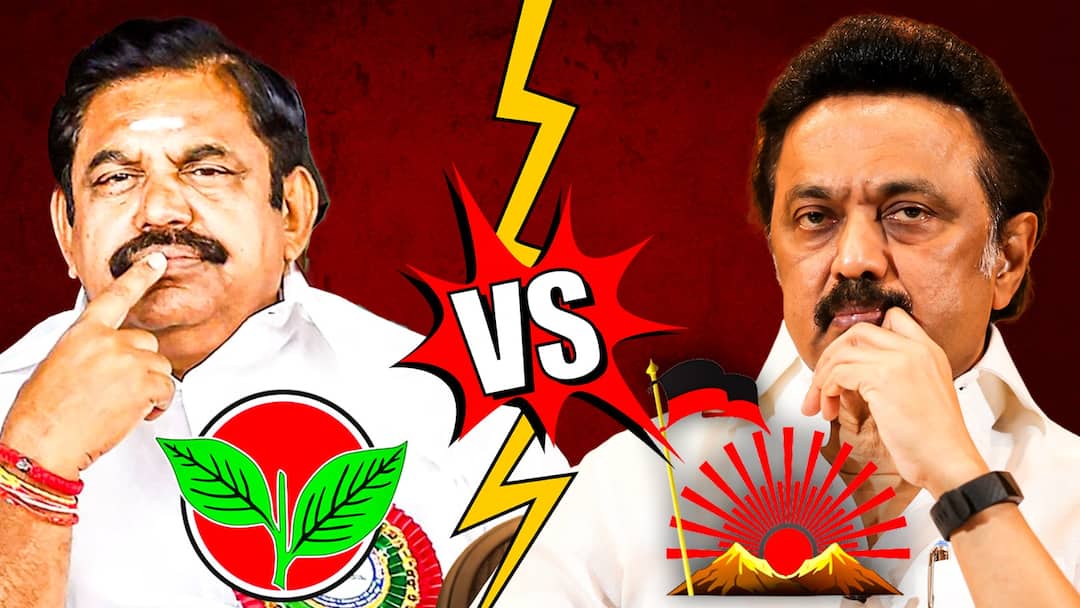
The rivalry between DMK and AIADMK has been a defining characteristic of Tamil Nadu politics, and its dynamics have been altered by the recent elections and the emergence of new parties like TVK. Historically, both parties have alternated power, creating a two-party system that has shaped the political fabric of the state. Their ongoing competition underlines various socio-political issues that resonate with the electorate, influencing voting patterns and mobilizing support.
The recent election results sparked renewed interest in this rivalry as both incumbents aimed to regain their stronghold amidst the rise of a third player. The extent to which this rivalry affects coalition politics in Tamil Nadu will be significant in determining not only immediate electoral outcomes but also the strategic positioning of both DMK and AIADMK moving forward. As they navigate this new landscape, the long-standing competition between these two major parties will likely evolve, impacting the political landscape for years to come.
Frequently Asked Questions
What is the current status of the Tamil Nadu post-poll drama involving Vijay’s Tamilaga Vettri Kazhagam?
The Tamil Nadu post-poll drama continues as Vijay’s Tamilaga Vettri Kazhagam (TVK) emerged as the single-largest party, securing 108 seats, but falling short of the 118-seat majority required for government formation. Uncertainty looms as TVK’s effective strength decreases further when Vijay vacates one of his two seats, escalating political tensions among parties like DMK and AIADMK, who traditionally vie for power in Tamil Nadu politics.
| Point Number | Key Point |
|---|---|
| 1 | Vijay’s Tamilaga Vettri Kazhagam (TVK) emerged as the largest party in Tamil Nadu, winning 108 of 234 seats. |
| 2 | Despite being the largest, TVK fell short of the majority of 118 seats and will effectively have 107 seats after Vijay vacates a seat. |
| 3 | Tamil Nadu Governor invited Vijay for discussions but hasn’t formally asked him to form the government yet. |
| 4 | Congress extended support to TVK, raising its effective count to 113 seats, thus complicating ties with old ally DMK. |
| 5 | TVK is seeking alliances with smaller parties for additional support to overcome the majority hurdle. |
| 6 | There are accusations against Governor Arlekar for delaying or complicating the constitutional process due to BJP influence. |
| 7 | Stalin is in talks with smaller parties like VCK and CPI that could influence the power dynamics. |
| 8 | Potential communications between DMK and AIADMK regarding forming a stable government against TVK. |
| 9 | TVK is engaging with factions within AIADMK for a possible coalition or power-sharing. |
| 10 | TVK has moved its MLAs to secure locations for discussions amid the ongoing political maneuvering. |
Summary
The Tamil Nadu post-poll drama has unfolded dramatically as political tensions surge following the historic mandate that saw Vijay’s TVK emerge as a formidable new force. After breaking the prolonged hold of DMK and AIADMK on the dynasty-dominated political landscape, the uncertainties around government formation remain palpable. With Vijay’s party garnering significant seats yet grappling with coalition challenges and opposition strategies, the upcoming days are crucial in determining whether TVK can navigate through the complex alliances and secure a stable government. As dialogues continue under heavy scrutiny, Tamil Nadu stands at a pivotal juncture, with the potential for unprecedented political shifts in the state’s governance.